 Search


- From January to May 2026, there will be a 21% increase in 9331 China Europe freight trains and 6175 Central Asia freight trains
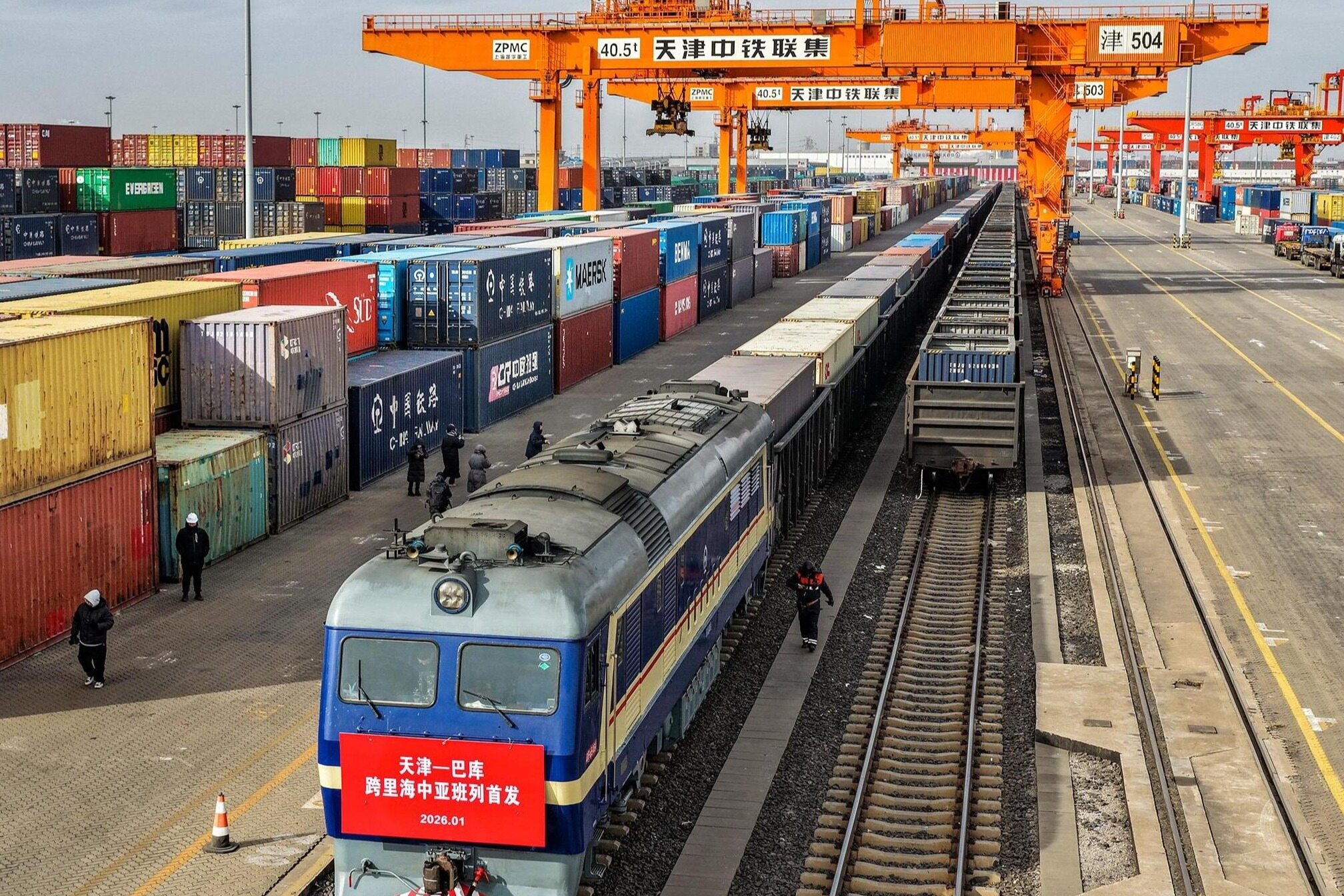
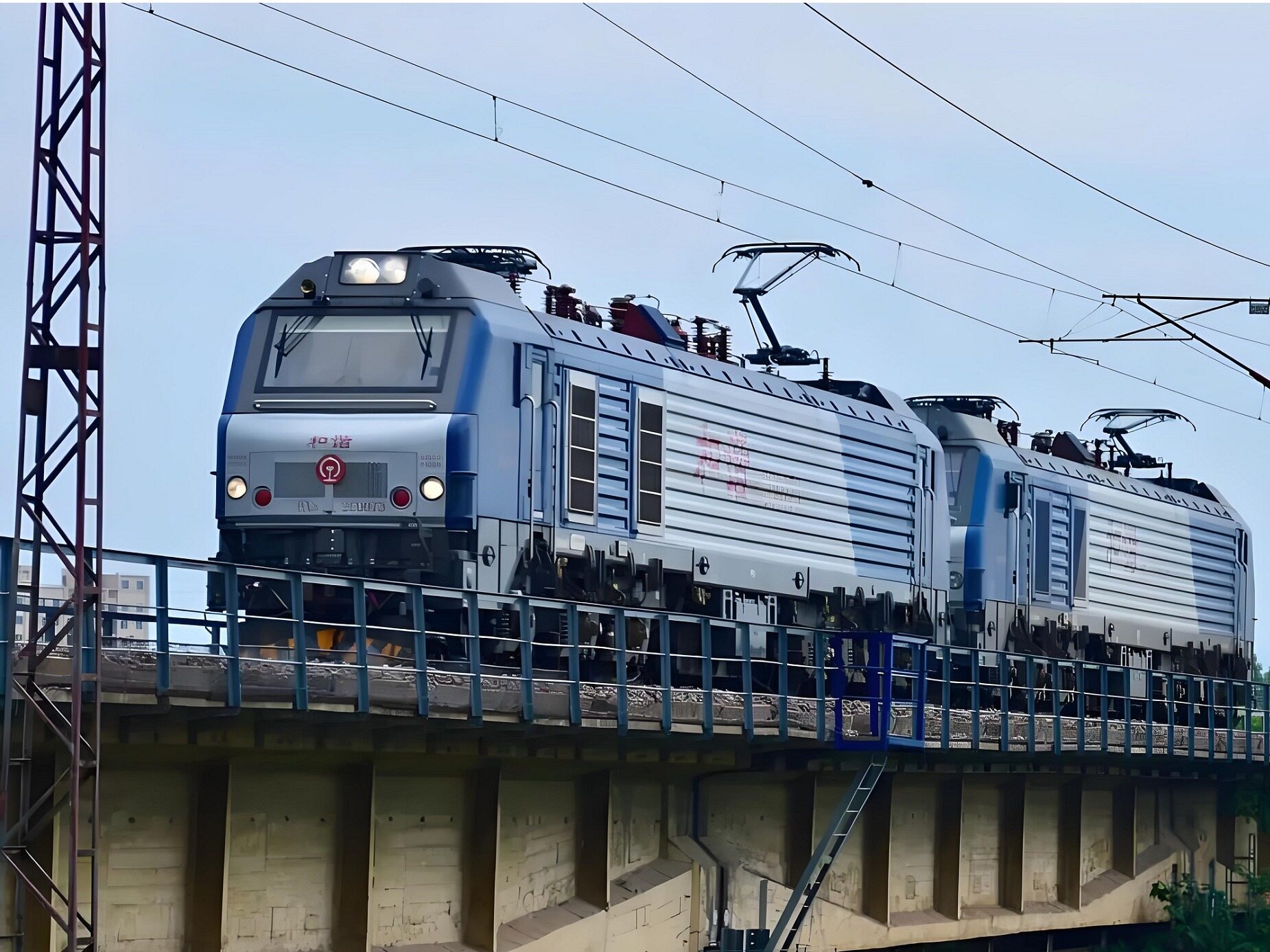
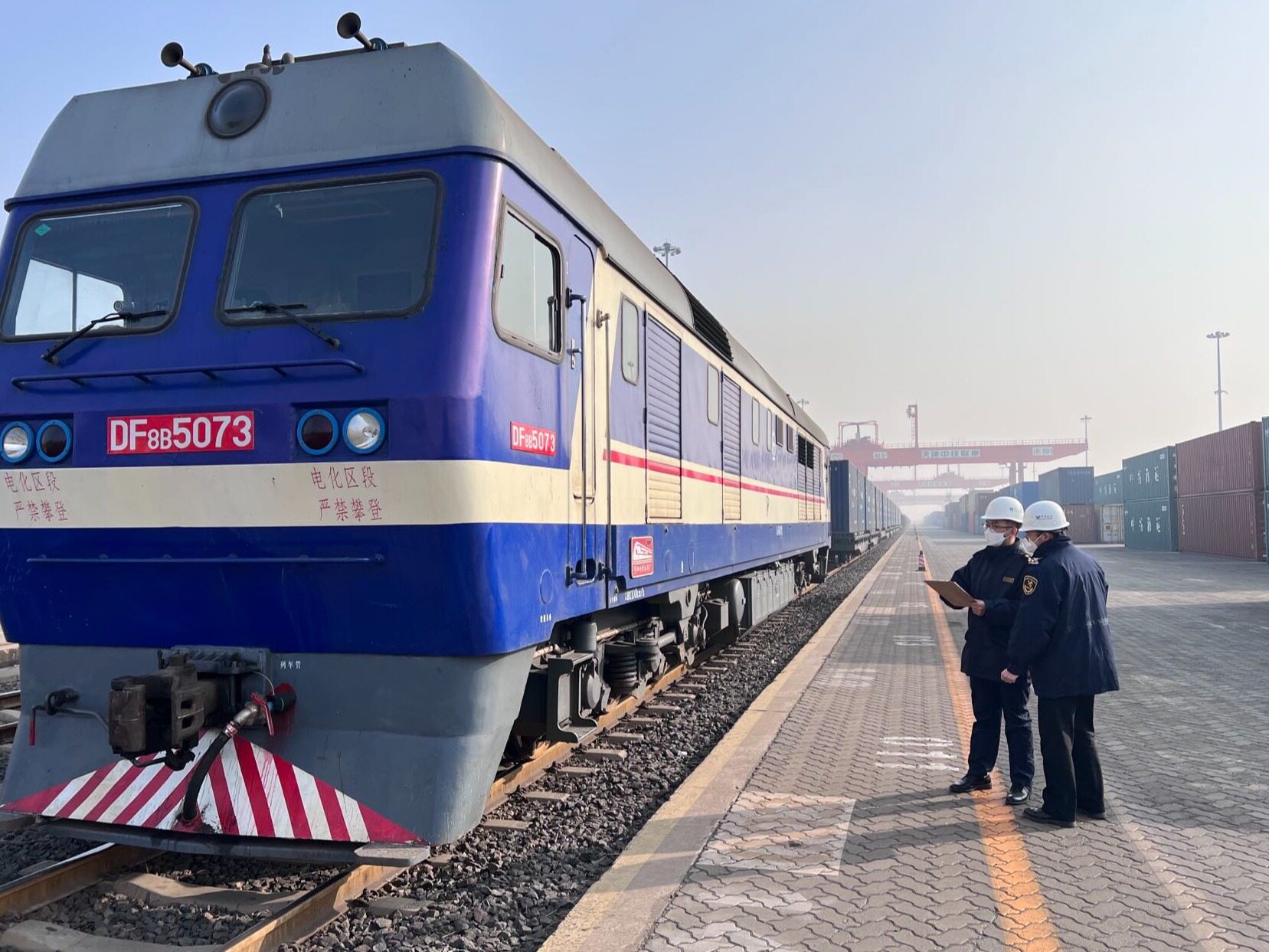
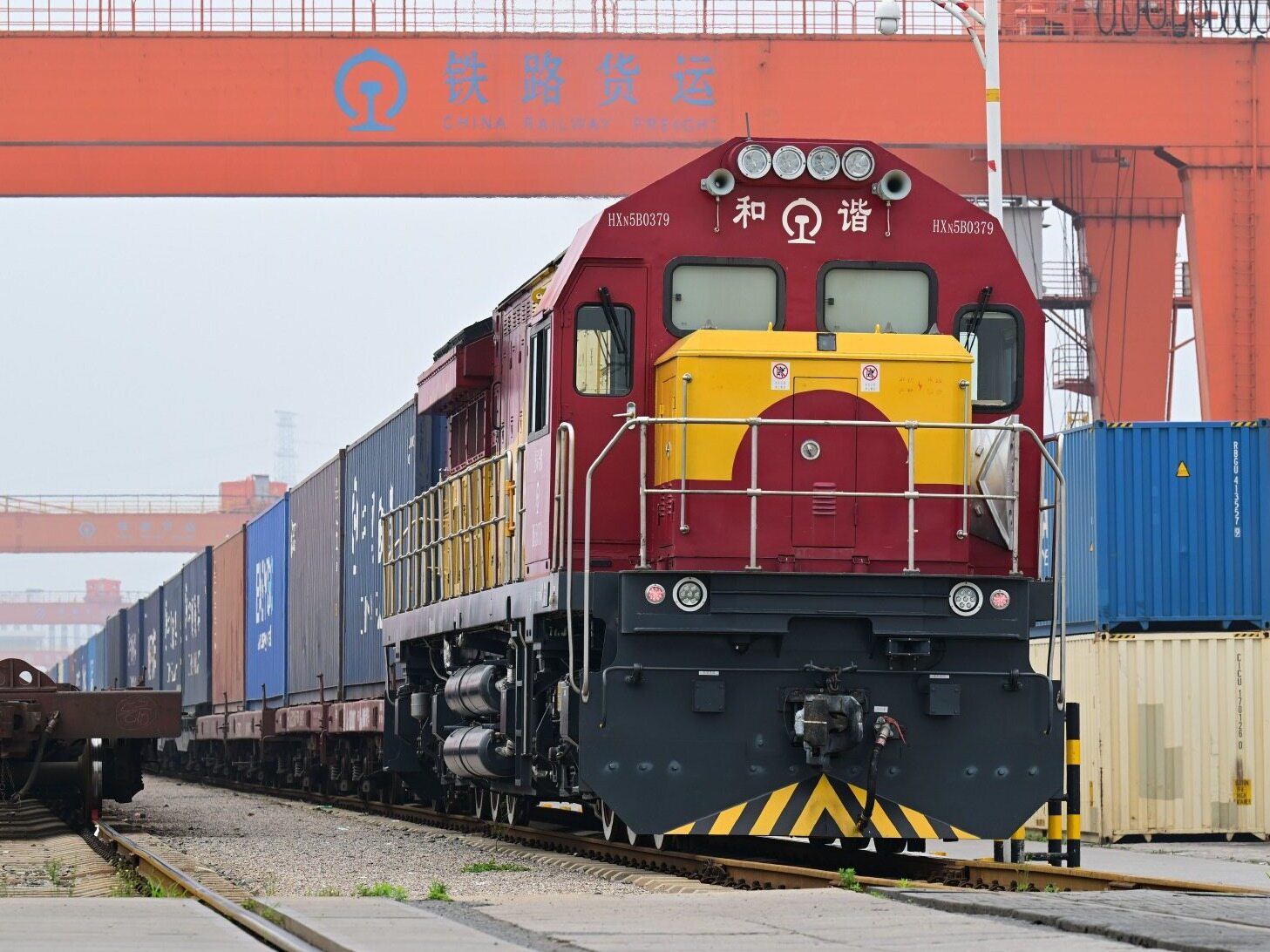
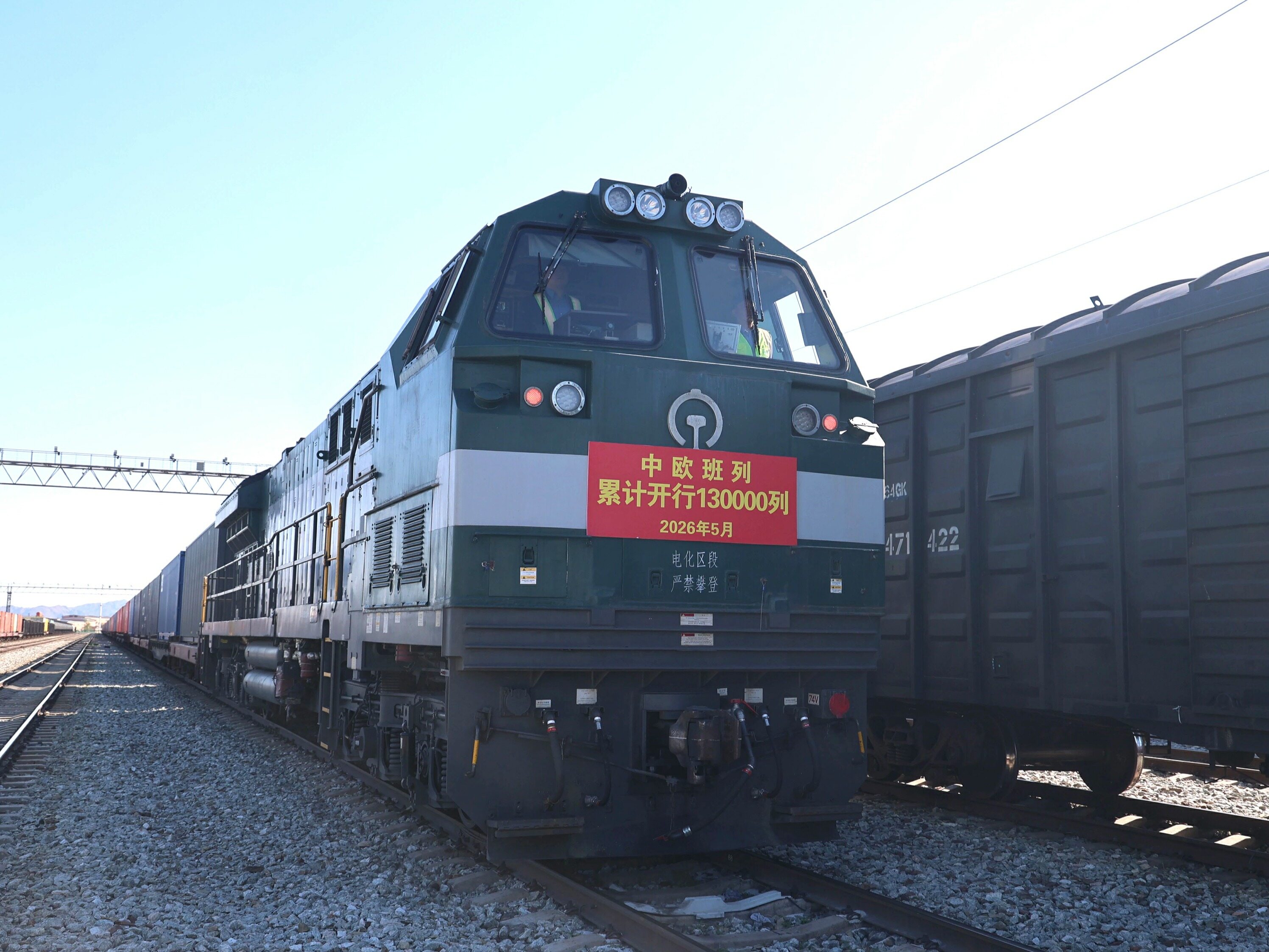
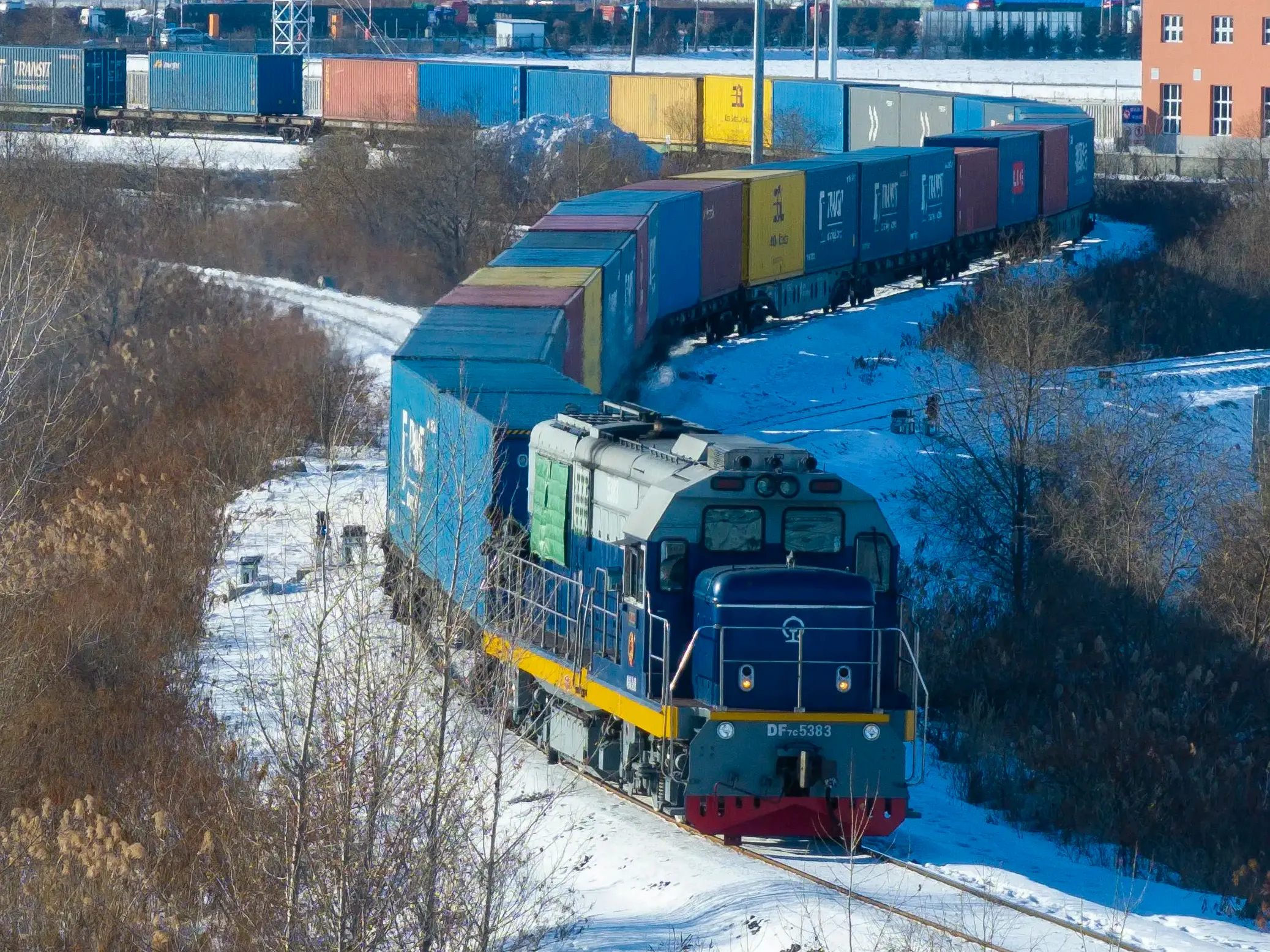
In the first half of 2026, the steel camel caravan on the Eurasian continent continues to accelerate. From January to May, a total of 15506 China Europe (Asia) trains were operated, a year-on-year increase of 12.6%. Against the backdrop of rising global trade uncertainty, this land route spanning Asia and Europe is becoming a key force in stabilizing the supply chain.
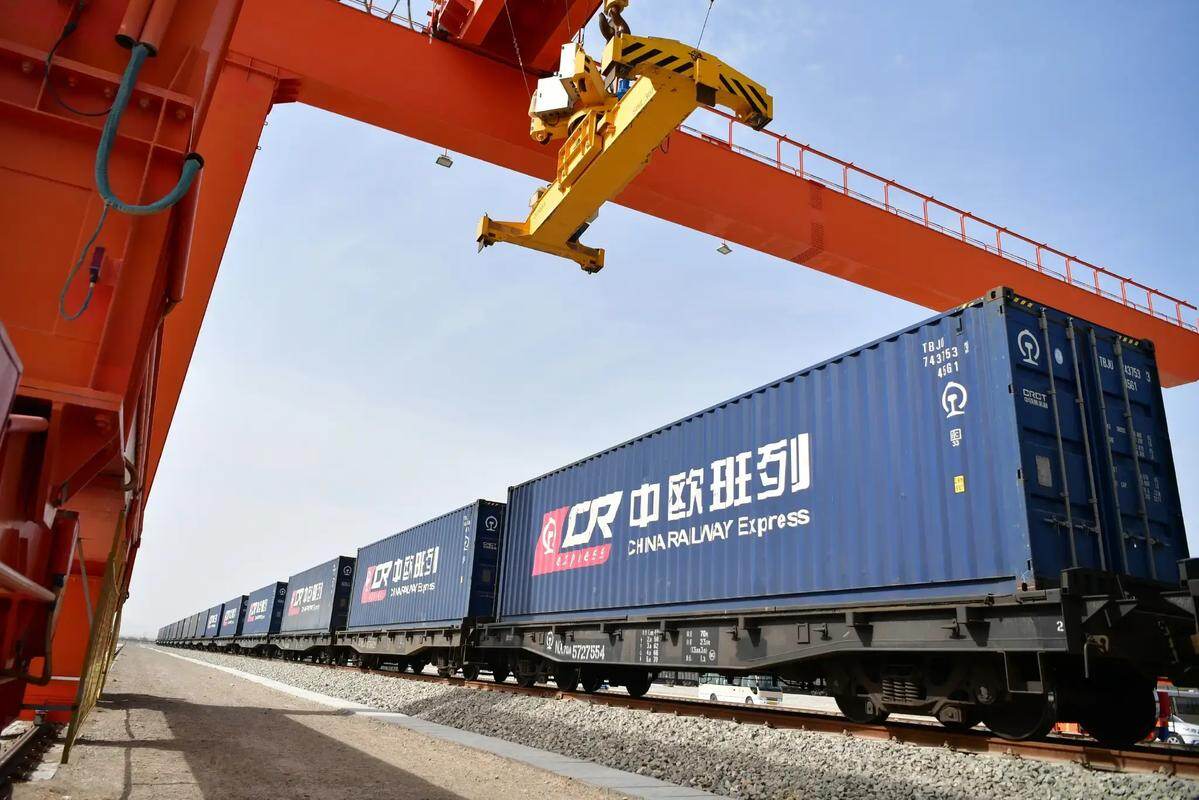
The China Europe freight train leads the way
The China Europe freight train is the core engine of this round of growth. From January to May, 9331 trains were operated, a year-on-year increase of 21%, ranking first among the three major channels in terms of growth rate. The railway department continues to optimize the organization of train transportation, improve the efficiency of port handover, and ensure the stable and smooth flow of cross-border goods. At the same time, 6175 Central Asian trains were operated, a year-on-year increase of 2.1%. Although the growth rate was relatively stable, as an important link connecting China and the five Central Asian countries, its strategic value is irreplaceable. The two lines, one fast and one stable, together form the dual wheel drive pattern of the China Europe (Asia) freight train.
Continuous release of channel capability
Behind the growth of freight trains is the overall improvement of railway freight capacity. From January to May, the national railway transported a total of 1.67 billion tons of goods, a year-on-year increase of 1.8%, with an average daily loading of 186300 vehicles. On May 2nd, the daily loading reached 202400 vehicles, setting a new historical high. The abundant transportation capacity provides a solid foundation for the operation of trains.
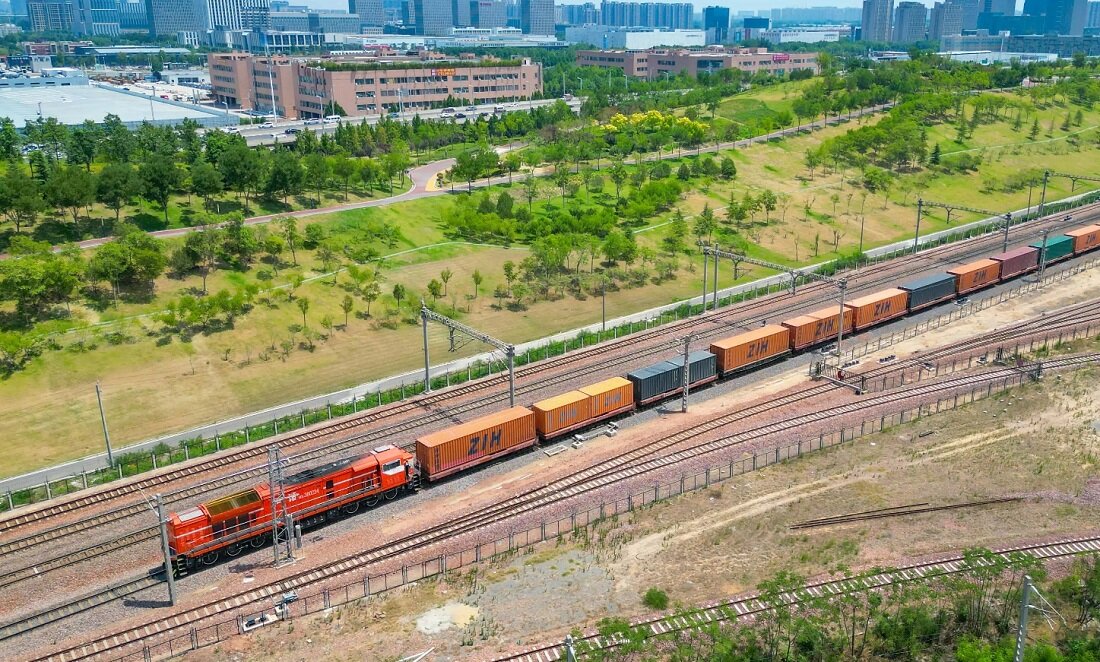
In terms of supply structure, export commodity vehicles have become a new highlight, with a total of 824000 units shipped, a year-on-year increase of 55.5%, including 422000 units of new energy vehicles, an increase of 110.3%. A large number of Chinese made vehicles are rapidly reaching the European market through train services. Simultaneous efforts were made in the intermodal transportation of iron and steel, completing 7.58 million TEUs, an increase of 11.0%. The multimodal transportation system further expanded the radiation range of trains.
From Chongqing to Duisburg, from Xi'an to Almaty, the China Europe (Asia) freight train is not only a transportation route, but also a barometer of Asia Europe economic and trade cooperation. When sea freight prices fluctuate and air freight costs remain high, the strategic weight of this land route will only become increasingly significant.Editor/Cheng Liting
Comment

 Praise
 Collect
 Comment

 Share
Share


Write something~