 Search


- The New Delhi to Siliguri high-speed railway project has been approved, and the travel time will be reduced to 6 hours after completion
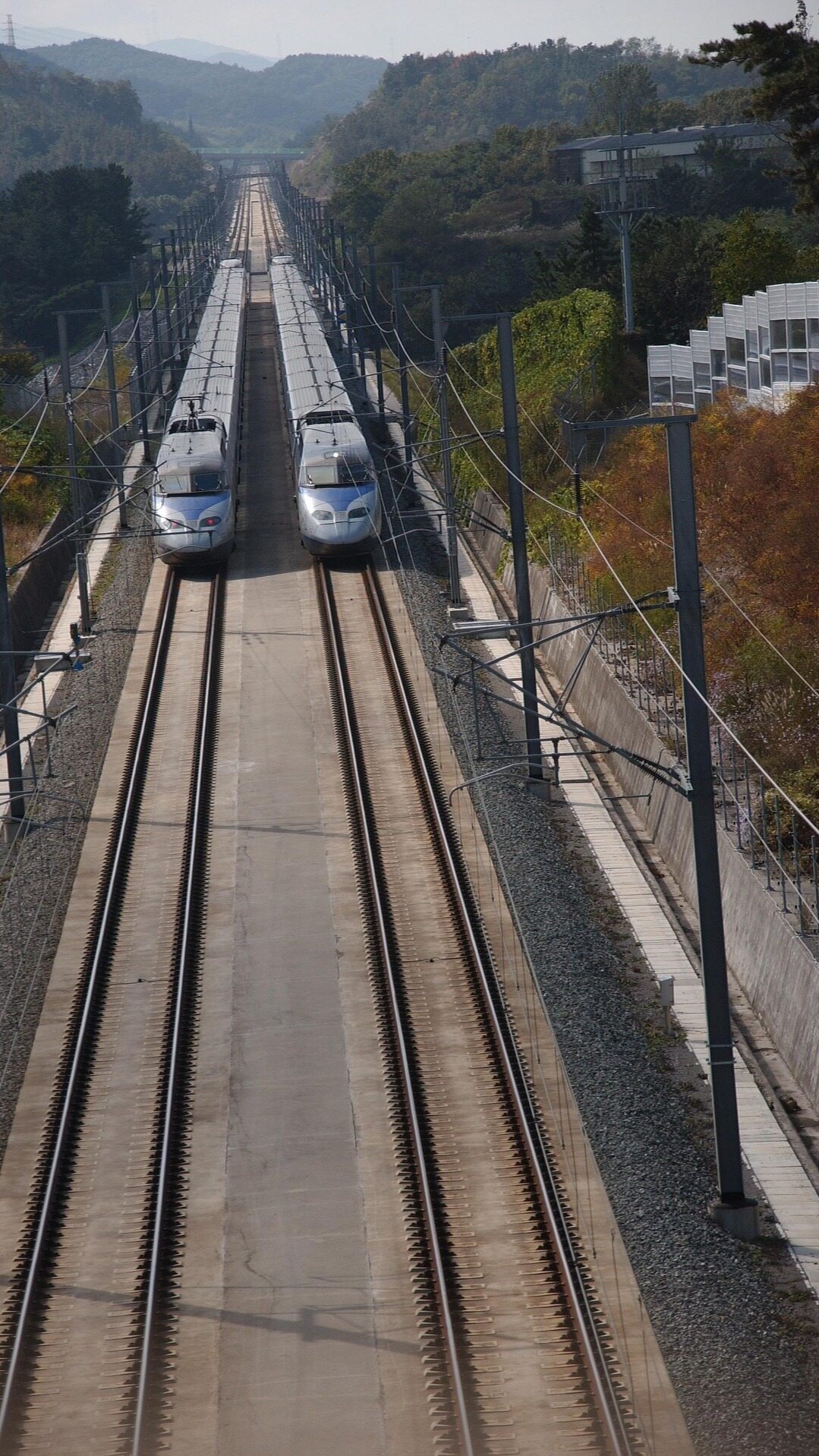
The Siliguri Corridor, known as the chicken neck of India, has long been the biggest bottleneck restricting the development of the seven northeastern states. Now this throat passage is about to undergo a historic upgrade. Indian Railway Minister Ashwini Vaishnavi recently announced that the New Delhi to Siliguri high-speed railway project has been officially approved, which will be India's second high-speed railway after the Mumbai to Ahmedabad high-speed railway and a key step in opening up a strategic corridor in the northeast region.
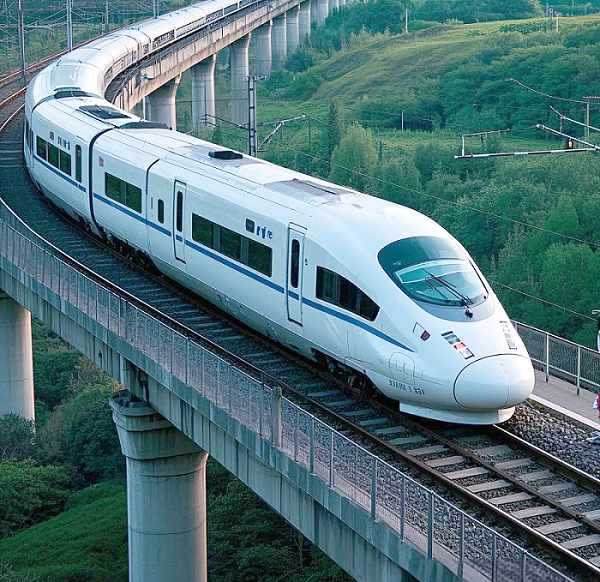
The second high-speed railway locks in the northeast throat
The New Delhi to Siliguri high-speed railway has a total length of about 1600 kilometers, passing through cities such as Lucknow, Varanasi, and Patna. After completion, it will shorten the current travel time of about 20 hours to less than 6 hours. The Siliguri Corridor is only about 20 kilometers wide and is the only land route connecting mainland India with seven northeastern states. It has long been plagued by tight transportation capacity and aging infrastructure.
The landing of high-speed rail will significantly enhance the level of regional connectivity, directly driving tourism and economic development along the route. Vaishnavi stated that the project will initiate preliminary work such as route survey and feasibility study in the coming months.
Accelerated formation of high-speed rail network
In addition to the New Delhi to Siliguri line, India is simultaneously advancing plans for multiple high-speed rail corridors, including the Chennai to Bangalore, Bangalore to Hyderabad, Chennai to Hyderabad, and Mumbai to Pune lines. With the addition of the 508 kilometer Mumbai to Ahmedabad high-speed railway under construction, India's high-speed railway is transitioning from a single line pilot to a new stage of multi line integration. Keywords: Southeast Asian news, high-speed rail
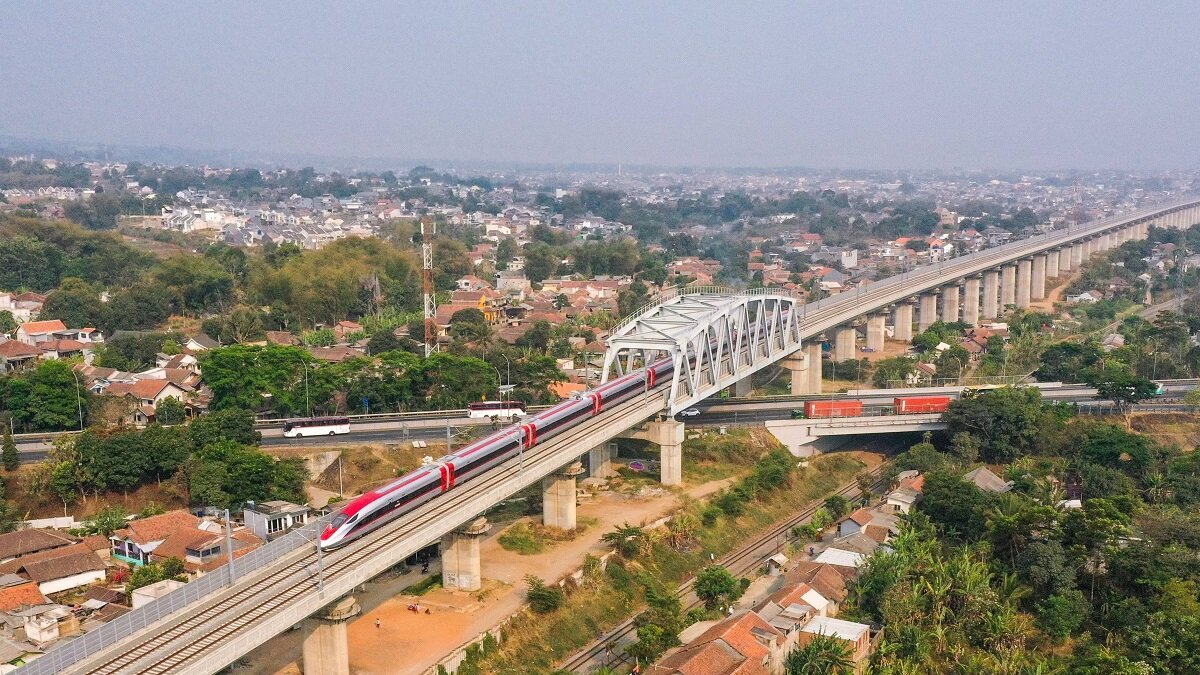
From the southwest coast to the northeast throat, high-speed rail is reshaping India's economic geography, and whether the seven northeastern states can escape the development dilemma still depends on the speed and intensity of implementation.Editor/Cheng Liting
Comment

 Praise
 Collect
 Comment

 Share
Share


Write something~