 Search


- Libya not giving a penny, using future freight volume as collateral to exchange for $2.7 billion in port expansion
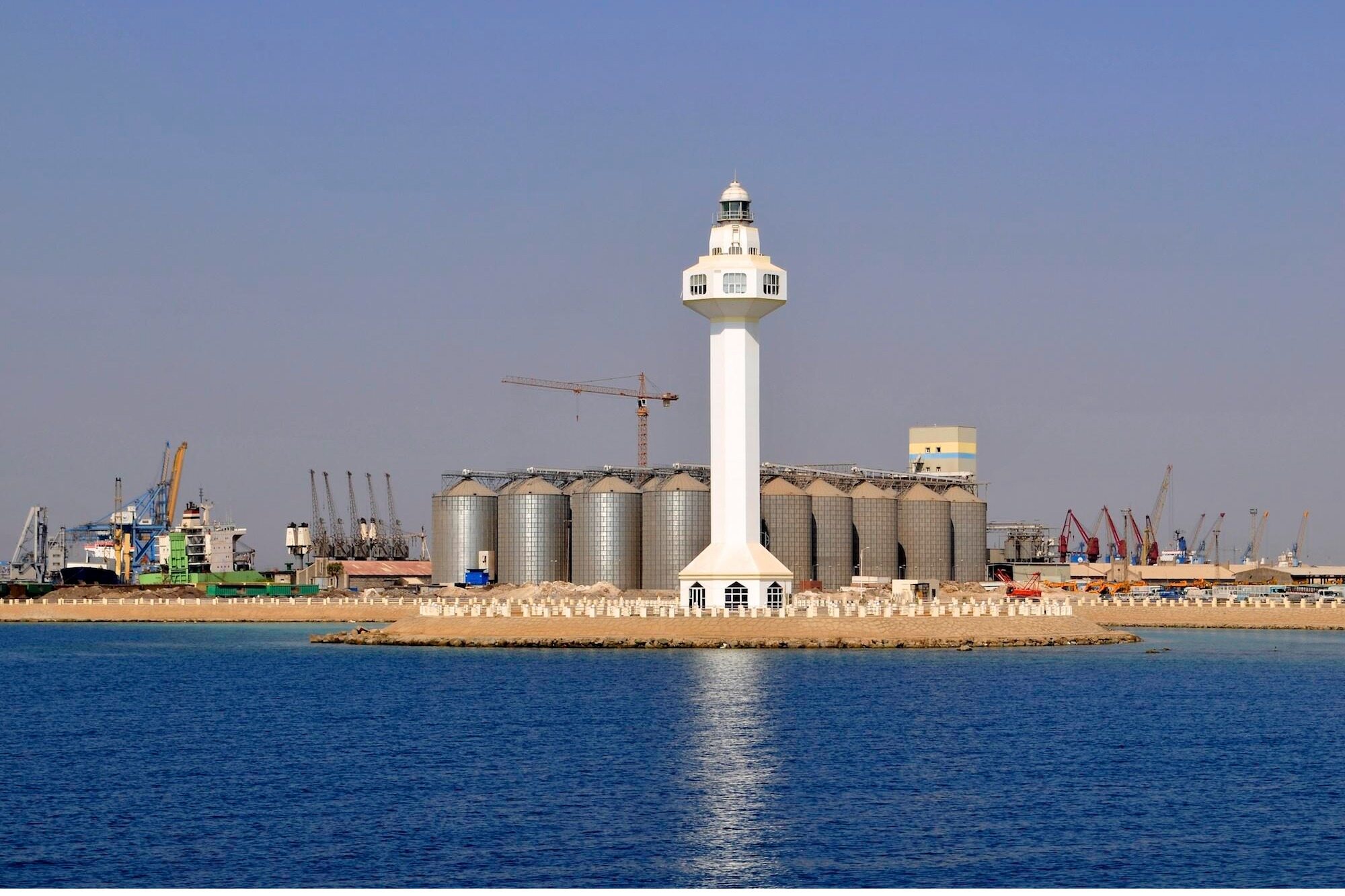
The logistics landscape in North Africa is quietly being rewritten by a $2.7 billion deal. Qatar pays, MSC ships, Libya ships, each party takes what they need, but the real winner may be the shippers of the entire Western Mediterranean.
What is Libya's next move
As early as January 18, 2026, the Libyan National Unity Government signed an expansion agreement for Misrata Port with Qatar's Almaha Capital and MSC's terminal investment platform TIL, with Italian and Swiss companies also participating. The most noteworthy thing is that the Libyan government will not contribute a penny, and all 2.7 billion US dollars will be self raised by the cooperating party, with the return coming from future port operation revenue.
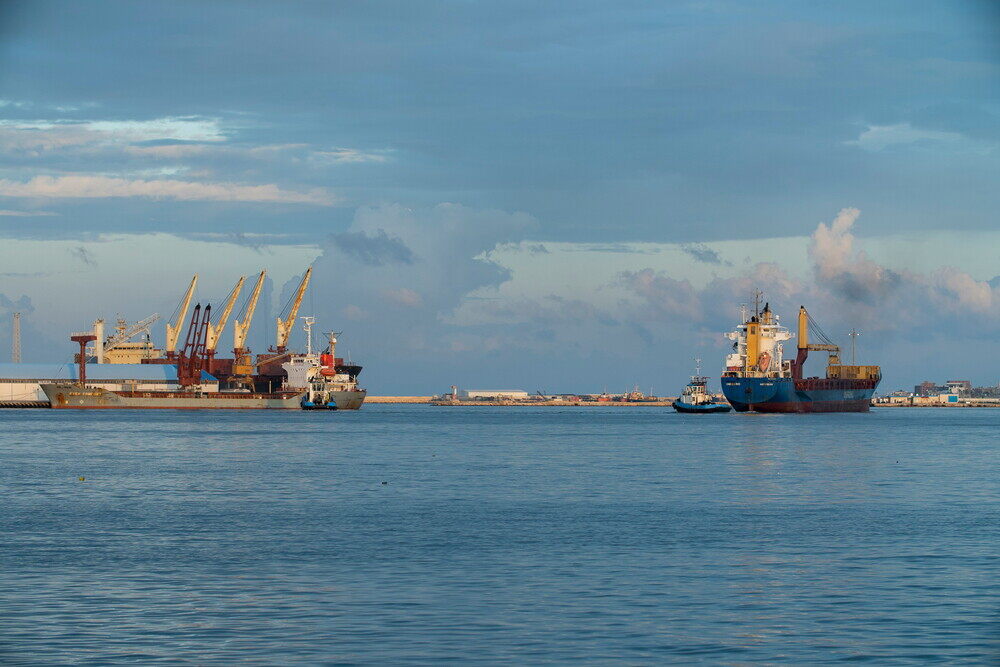
Debeba's logic is straightforward: using future freight volume as collateral to exchange for today's upgrade funds. This is a variant of the TOT model, essentially using national operations as leverage.
Misrata's chips are not small. It is the only duty-free zone port in Libya, responsible for 60% to 65% of the country's container freight, with direct access to southern Europe to the north, radiating inland Africa to the south, and connecting Asia to the east via the Suez Canal. It is a natural node for the trade triangle between Europe, Africa, and the Middle East. But 95% of Libya's economy relies on oil, and port expansion is seen as a key step towards economic diversification.
North African port seating needs to be rearranged
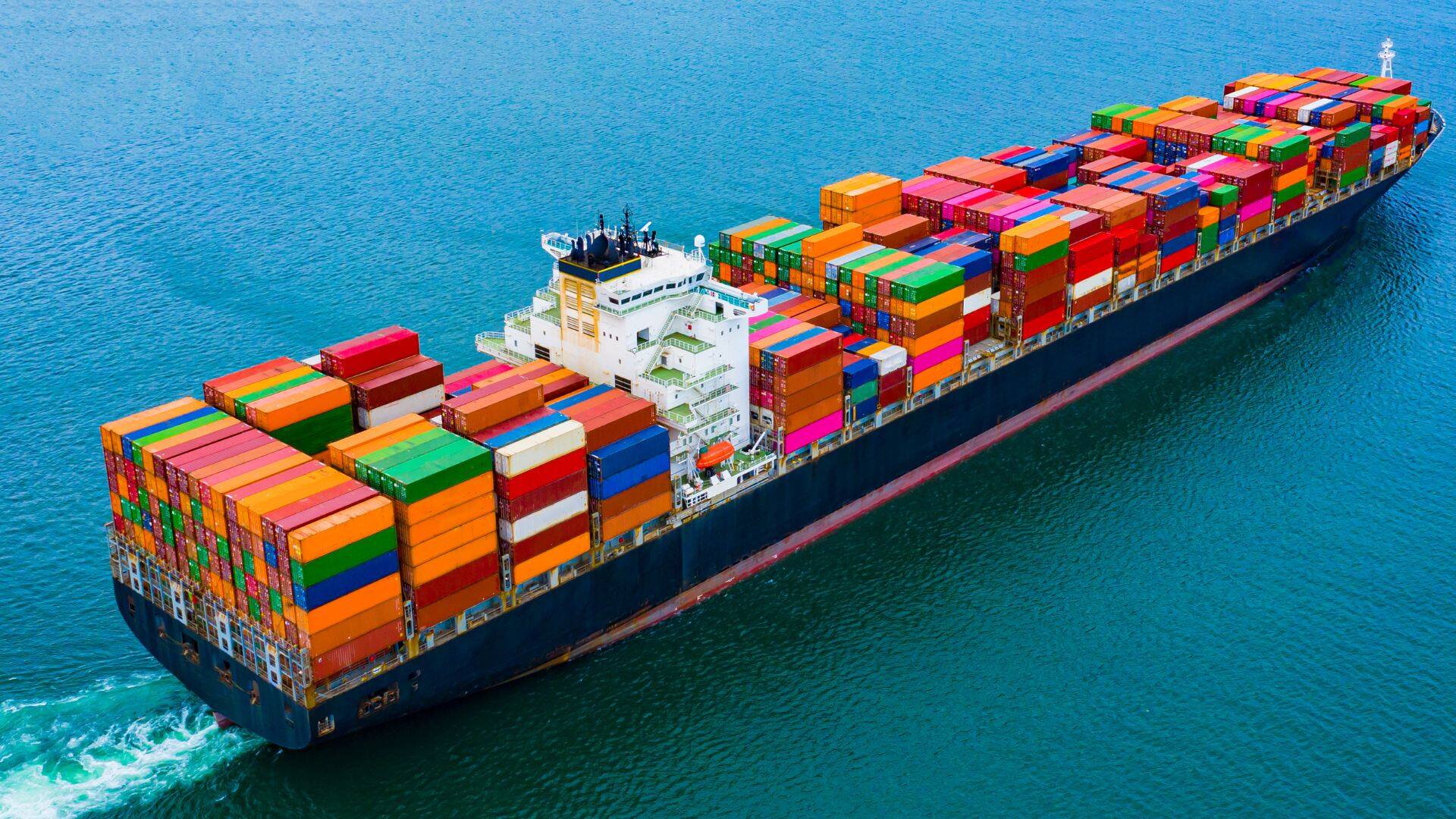
The entry of MSC has given substance to this game of chess. As the largest shipping company with a global capacity of over 7 million TEUs, its inclusion of Misrata in the global route network will significantly increase the frequency of port calls from Asia to the Mediterranean, intensifying price competition.
The planning of cold chain warehouses and constant temperature warehouses also means that the import categories will expand from building materials and food to food, medicine, and cross-border e-commerce. The consumption upgrade demand of Libya's 6.8 million population is being released. After expansion, the target is 4 million TEUs, which will make Misrata surpass all ports in Algeria and Tunisia and rank among the top three in North Africa.
But the risks are equally real. Libya has been divided for a long time since 2011, and Misrata experienced factional conflicts in October 2025. Signing an agreement does not mean that the project can proceed. 2.7 billion US dollars are entirely dependent on foreign investment, and if the security situation deteriorates, the funding chain may break at any time. Tangier Port and Port Said will not sit idly by, and the counterattack of reducing fees and increasing lines is almost certain.
From 685000 to 4 million TEUs is a long-term project that may not be completed until after 2028. For shippers, they can focus on the opportunity window for warehouse construction and equipment export in the short term, track changes in MSC port frequency in the medium term, and be alert to political risks in the long term. This market is worth deploying, but not worth betting on.Editor/Cheng Liting
Comment






 Praise
 Collect
 Comment

 Share
Share


Write something~