 Search


- Innovative models solve land use problems, floating photovoltaics open up new development paths
- Energy demand is increasing, and the integration of light and storage has become a new direction for development
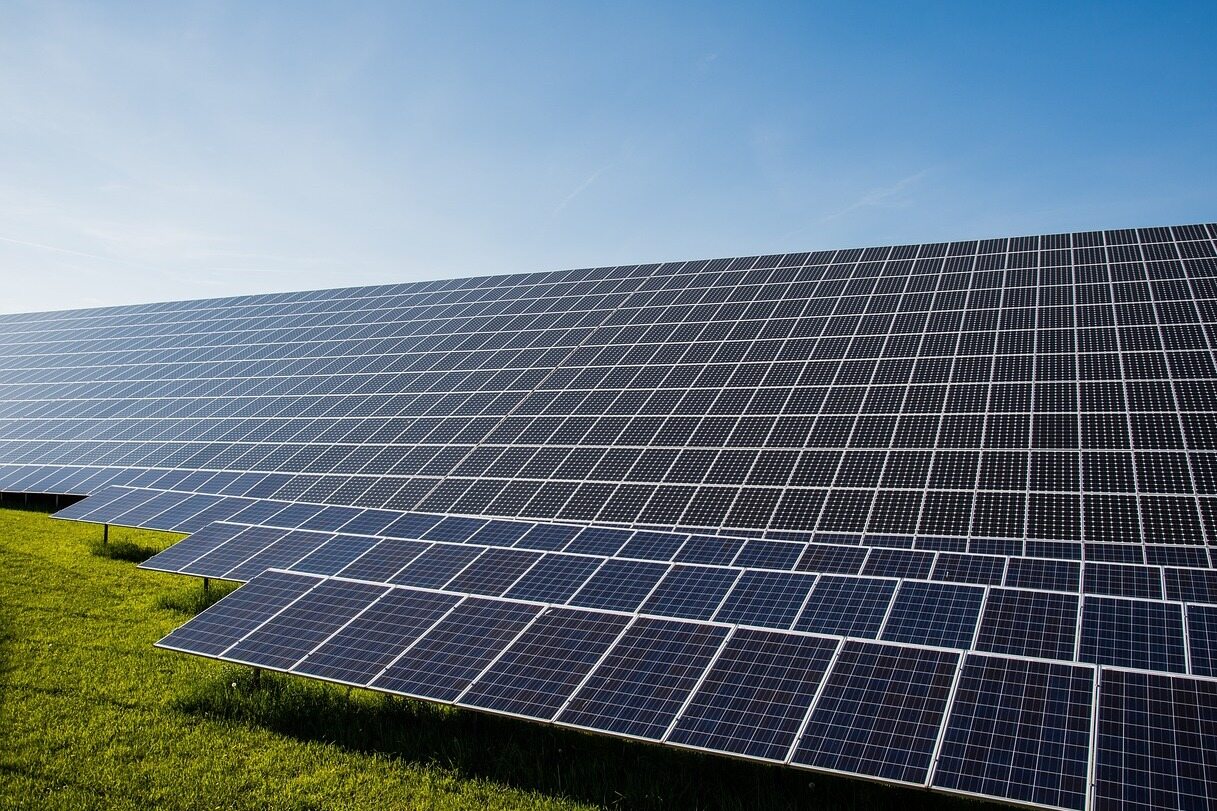
Located in the equatorial region and with abundant sunshine resources, Malaysia's photovoltaic industry is entering a period of rapid development. Relying on intensive support policies, supporting energy storage construction, and exploration of characteristic photovoltaic models, the local solar energy installed capacity continues to climb, attracting global industry players to join and embark on a new journey of energy transformation.
Steady growth in installed capacity
The photovoltaic industry in Malaysia has now entered a rapid upward trend, with industry organization GlobalData predicting that the country's total solar installed capacity will reach 29.7GW by 2035. According to the development trend, the newly installed photovoltaic capacity in 2027 can reach 1.9GW, and the annual new capacity before 2035 will remain stable in the range of 2.4GW to 2.7GW. Based on the growth pace, Malaysia's photovoltaic installed capacity is expected to exceed 10GW by 2028, surpass 20GW by 2032, and approach 30GW by 2035.
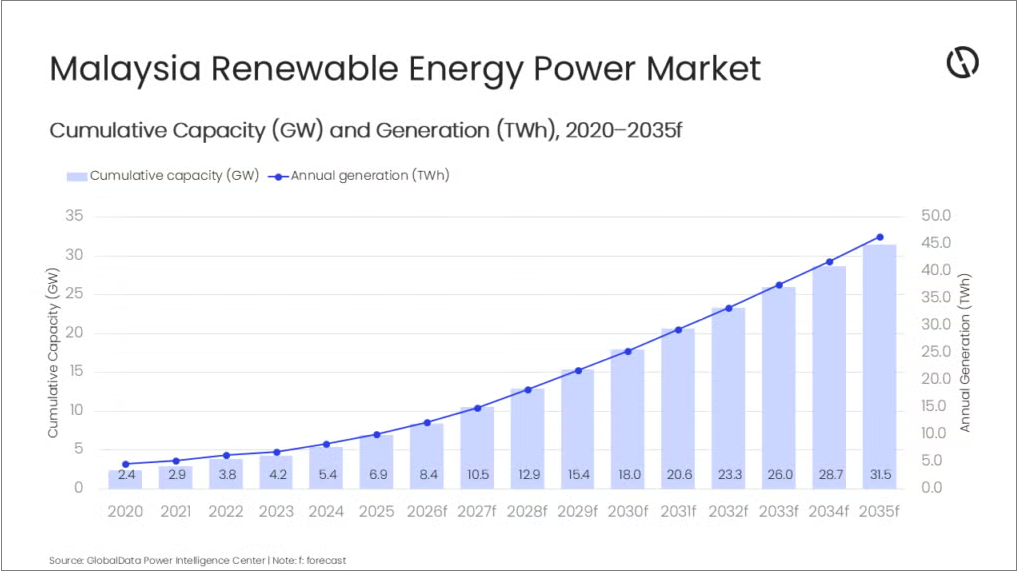
By relying on normalized photovoltaic bidding, improving policy systems, facilitating financing channels, and continuously upgrading the power grid and energy storage capacity, Malaysia is expected to achieve the national energy policy target ahead of schedule by 2031 and exceed the 18.43GW renewable energy installation plan by 2040.
Policy continues to intensify
The implementation of multiple support policies has become a strong driving force for the advancement of Malaysia's photovoltaic industry. Multiple energy development plans have been issued locally, ranging from short-term implementation details, medium-term transformation paths, to the long-term goal of net zero emissions by 2050, establishing a complete policy framework.
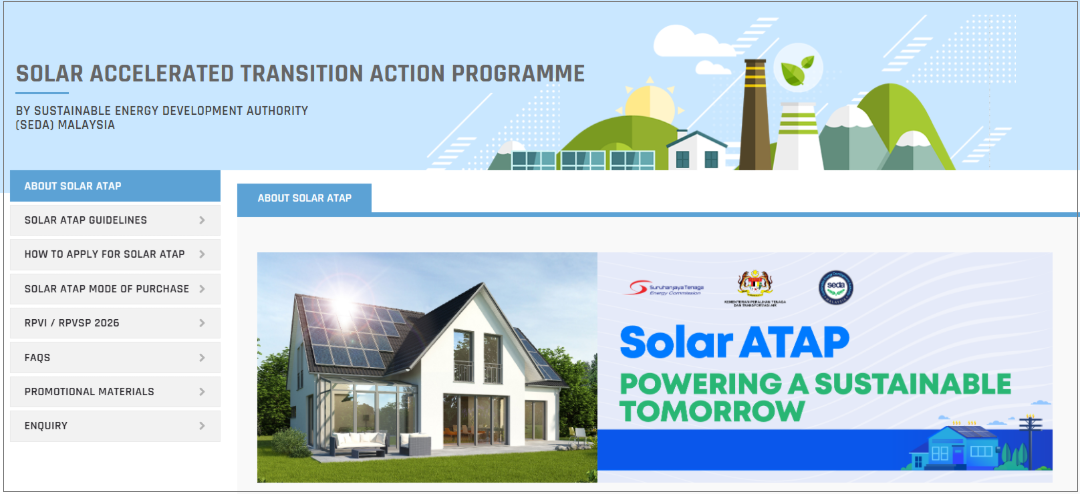
On New Year's Day 2026, the Action Plan for Accelerating the Transformation of Solar Energy will be officially implemented, replacing the original net metering policy, and the rules for grid connection of rooftop photovoltaics will undergo significant adjustments. The new plan significantly relaxes the installation restrictions, significantly increasing the capacity of photovoltaic systems that can be installed by residential and commercial users, fully unleashing the power generation potential of rooftop resources.
In May 2026, Malaysia launched a subsidy program for household photovoltaics, allocating a special fund of RM150 million and providing rebates to users based on installed capacity, with a maximum subsidy of RM3000. This policy is expected to benefit nearly 50000 households, with an additional installed capacity of about 250MW, further promoting the application of civilian photovoltaics. A series of measures are being implemented layer by layer to promote the multi-point flowering and coordinated development of the photovoltaic market.
Opportunities and challenges coexist
In order to fill the gaps in the industry, Malaysia requires a new round of large-scale solar projects to be equipped with energy storage systems. Energy storage facilities have officially become standard for photovoltaic projects, helping to ensure the stable operation of the power system. At the same time, the local data center industry is booming, with multiple international technology companies investing in clusters and massive computing power facilities driving up electricity demand. The combination of photovoltaics and energy storage can not only fill the power gap, but also help the low-carbon development of the industry, becoming the preferred solution that balances electricity security and energy transformation.
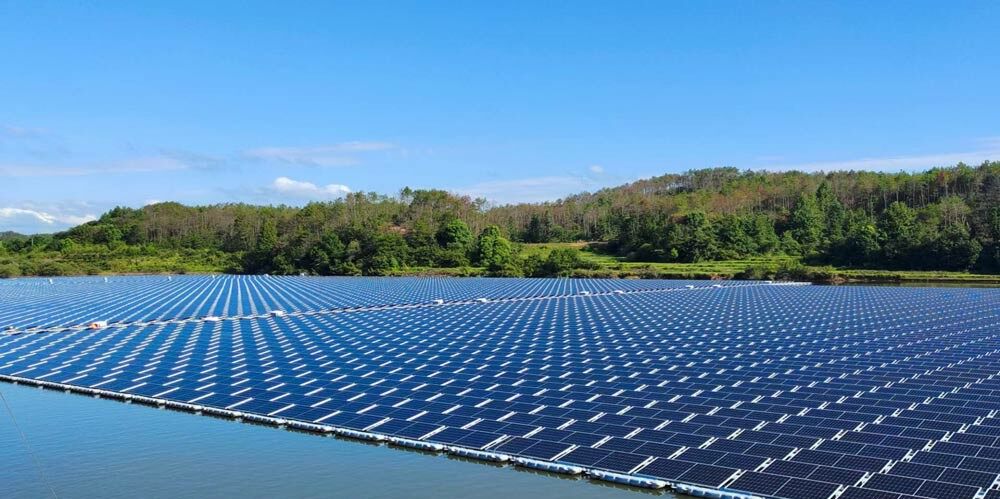
The shortage of land resources is a major challenge for local photovoltaic development, and floating photovoltaics have thus ushered in development opportunities. The potential for developing floating photovoltaics in Malaysian waters is up to 16.5GW, but the construction cost of such projects is about 30% higher than traditional power plants, and the technical requirements are also more stringent. At present, large-scale floating photovoltaic projects in Southeast Asia have started construction, accumulating practical experience for the development of the industry. Keywords: Malaysia, photovoltaics, energy storage
The superior natural conditions and policy dividends make the Malaysian photovoltaic market highly attractive, and many Chinese photovoltaic companies have officially entered the local market. 2026 will be a crucial year for the development of Malaysia's photovoltaic industry, with vast potential market opportunities. However, challenges such as regional environment, industry competition, and barriers to entry also pose higher requirements for the localization and operation capabilities of overseas enterprises.Editor/Gong Ziwei
Comment





 Praise
 Collect
 Comment

 Share
Share


Write something~