 Search


- Egypt's oil and gas investment exceeds 13 billion US dollars, with 80% of high-end equipment relying on imports
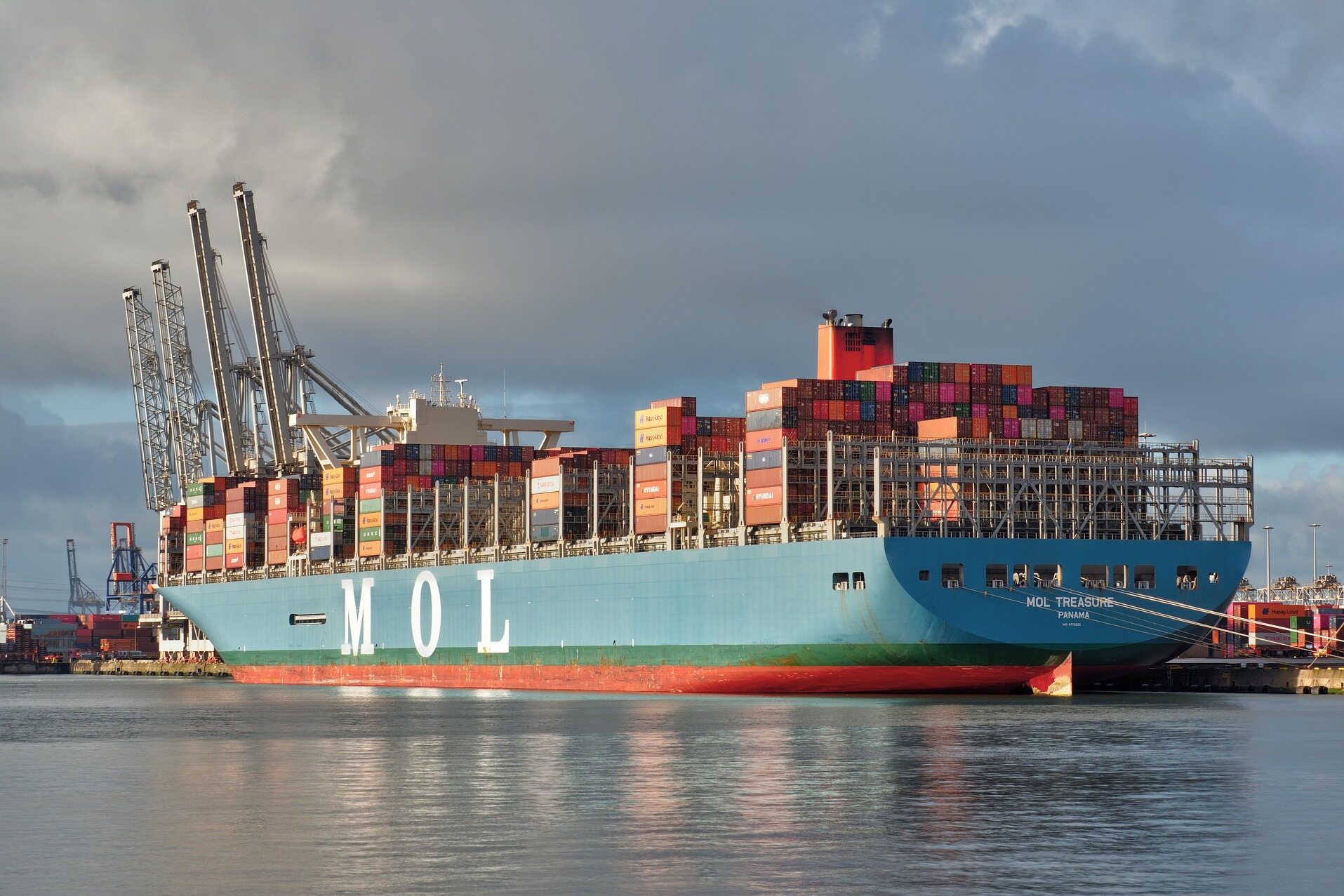
The drilling platform along the Nile River is accelerating its rotation. In Egypt in 2026, a surge in oil prices is driving a wave of equipment procurement across the entire industry chain - from exploration wells in the desert to refineries on the Mediterranean coast, every project is shouting the same word: buy. On the seller list, the names of Chinese companies are getting bigger and bigger.
Whose pocket is $13 billion going into
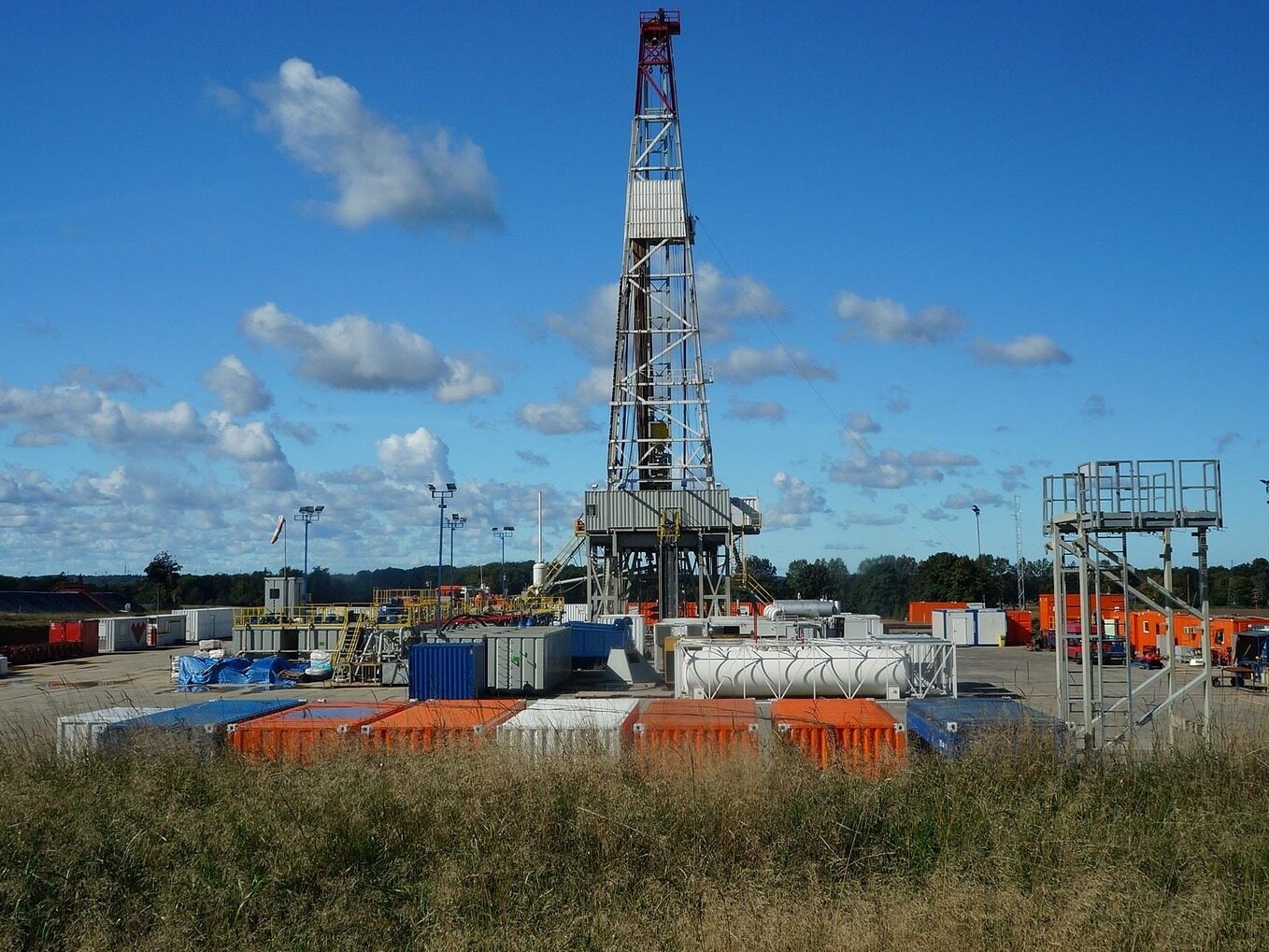
The Egyptian oil and gas market is expected to be valued at approximately 7.54 billion US dollars in 2025 and is projected to increase to 11.18 billion US dollars in 2031, with a compound annual growth rate of 6.78%. The planned investment for 2026 exceeds 13 billion US dollars, with the core plan being to drill 101 exploration wells within one year -67 in the Western Desert, 9 in the Gulf of Suez, 14 in the Mediterranean, and 6 in the Nile Delta.
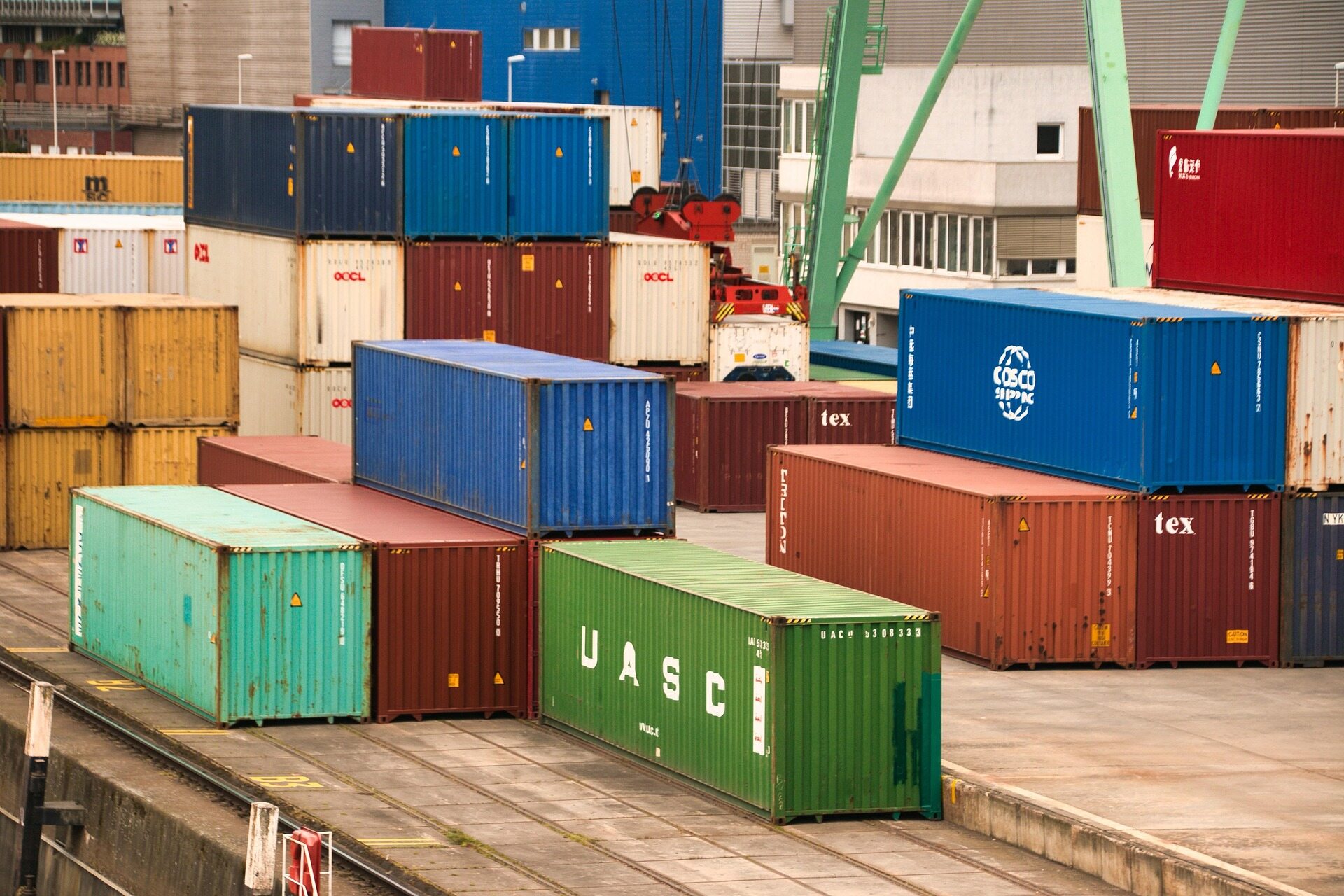
In the next five years, the total number of drilling wells will reach 480, with an investment of 5.7 billion US dollars. In response to the increase in production capacity, the government has launched a $400 million refinery expansion, with the goal of increasing daily crude oil production to 626000 barrels by 2027. But the reality is that over 85% of Egypt's high-end oil and gas equipment relies on imports, and every investment is opening orders for foreign suppliers.
The three major tracks of Made in China have been stuck
Mechanical equipment and components are the largest imported category. In 2025, Egypt will import approximately 1.24 billion US dollars worth of machinery and equipment from China, accounting for 14.9% of its total imports, and will continue to maintain a growth rate of 3% to 5% in the first quarter of 2026. Enppi, the largest local petroleum engineering company, has included pumps, compressors, valves, etc. in its procurement list for China.
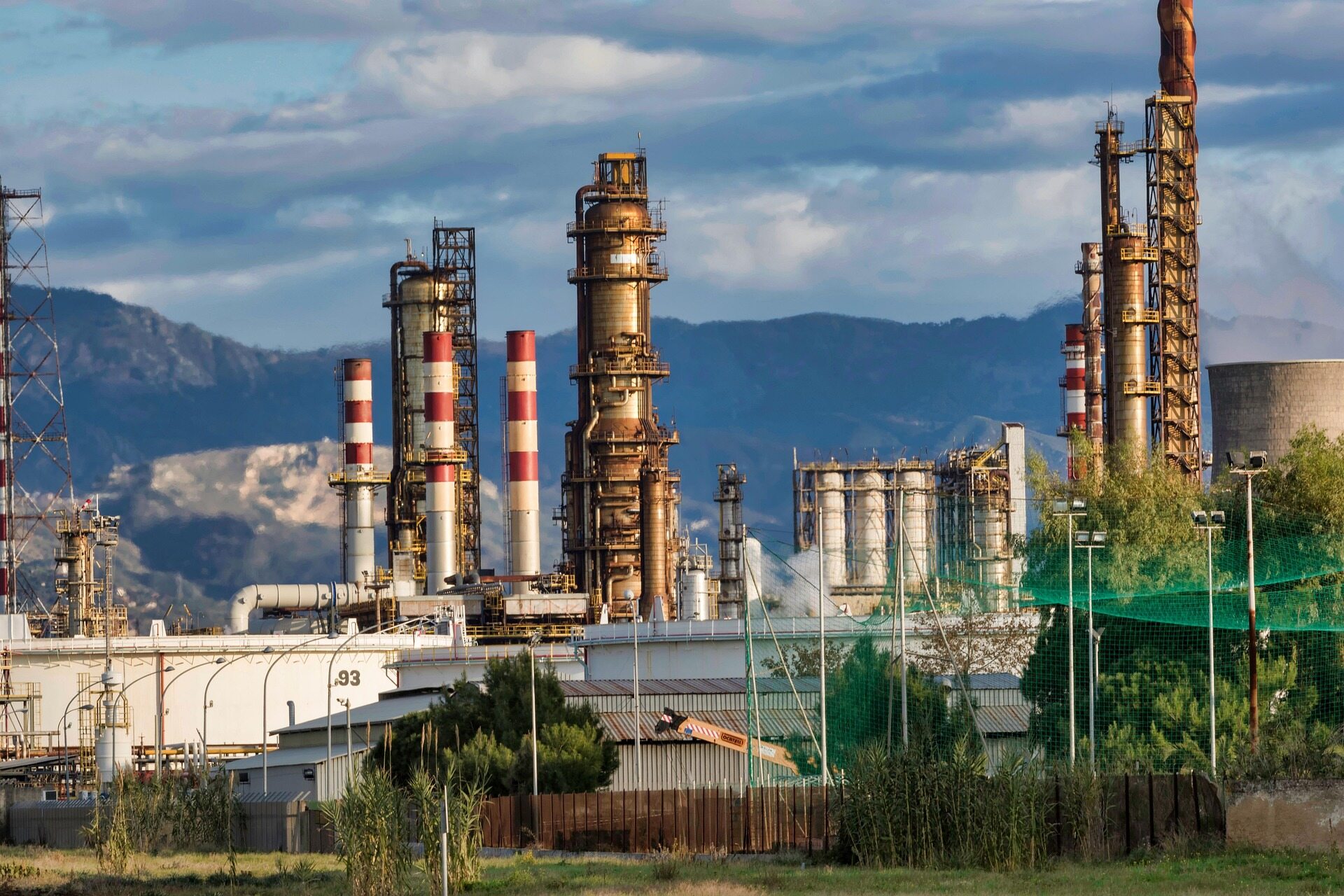
In the field of refining and chemical industry, after the expansion of MIDOR refinery, the production capacity will reach 160000 barrels per day, and the Asiut diesel complex will have an annual output of about 2.8 million tons of Euro V diesel after it is put into operation. The demand for electrical and control equipment is equally strong, with Egypt's imports of mechanical equipment and electronic products from China accounting for over 55% in the first three quarters of 2025. A procurement manager from the Egyptian Association of Oil and Gas Engineers bluntly stated, "The cost-effectiveness is too good. For standard equipment, we almost only look at Chinese suppliers." Keywords: energy market, North African energy hub
13 billion US dollars investment, 85% import dependence, and over 55% Chinese investment proportion - this is not a matter of whether to pay attention, but a question of who will take the initiative. The orders on the banks of the Nile River are already in line, and the first to enter the market is using contracts to verify the market logic of this North African energy hub.Editor/Cheng Liting
Comment






 Praise
 Collect
 Comment

 Share
Share


Write something~