 Search


- Using academic strength to promote the construction of a China Central Asia community with a shared future
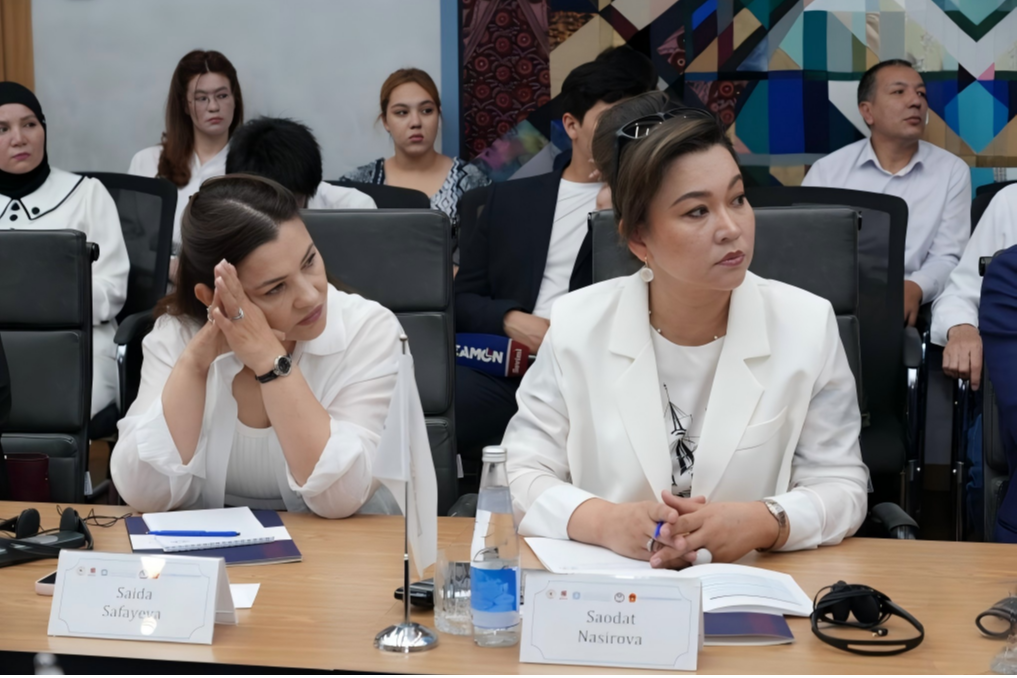
Under the scorching June sun in Tashkent, the ancient Silk Road node city welcomed a special group of guests - sinologists, diplomats, and university scholars from China and Central Asian countries, who gradually entered the venue of the Uzbekistan University of World Economics and Diplomacy. Their purpose for this trip is not to discuss business or sign engineering contracts, but to sit down and have a serious conversation about how to understand today's China in the new era of Sinology? With the theme of "Central Asia and China: the intersection of civilization heritage and future development", this forum was co sponsored by the World University of Economics and Foreign Affairs of Uzbekistan, the the Belt and Road Science and Education Center of Kazakhstan, the World Sinology Center of Beijing Language and Culture University, and other institutions. At the meeting, the World Sinology and Central Asia Consensus was officially released, advocating to jointly build a normalized academic community of Sinology in Central Asia.
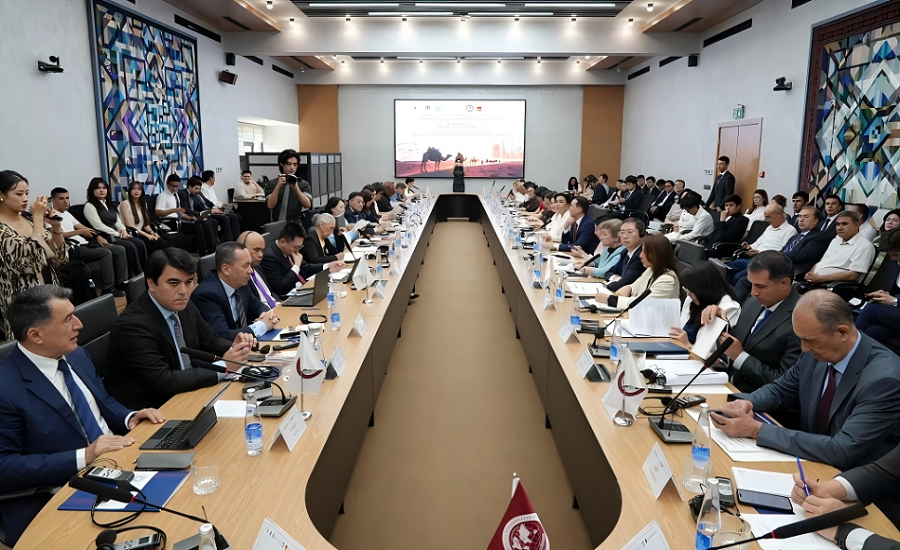
Norov: Understanding China is the key to understanding the new order
Vladimir Imamovich Norov, Chairman of the Central Asian Association for Artificial Intelligence and former Secretary General of the Shanghai Cooperation Organization, pointed out in his speech that China has become a major trading partner for more than 150 countries and regions, an important participant in global infrastructure construction, and a leading force in the fields of digital technology, artificial intelligence, green energy, and high-tech manufacturing. Many international experts not only view China as an economic power, but also as one of the important driving forces for building a new international order. Therefore, the importance and practical significance of modern Sinology are increasingly prominent.
Yu Jun: Deepening China Central Asia Strategic Mutual Trust through Sinology
Yu Jun, China's ambassador to Uzbekistan, said that China has established a high-level strategic partnership with the five Central Asian countries, deeply promoted the joint construction of the the Belt and Road and the China Central Asia community of common destiny, and formed a pattern of all-round, multi-level and wide-ranging cooperation. He looks forward to taking this forum as an opportunity to continue strengthening contemporary China research and governance exchanges, making positive contributions to promoting regional development and prosperity, and building a closer China Central Asia community with a shared future.
Kaukenov: Sinology is not just about ancient books and Chinese characters
Kazakhstan's renowned sinologist Ajir Kuukenov stated that Sinology is a comprehensive discipline. He pointed out that the interest of Central Asian people in China goes far beyond the cultural level, and China's business model, technological progress, and high-tech are also highly regarded. With the increasing institutionalization of Sinology research in Central Asia, experts from various countries are able to regularly exchange experiences and jointly explore methods and paths for studying China.
During the forum, experts and scholars also conducted group discussions on topics such as Chinese language teaching practice, research on China's 15th Five Year Plan, compilation of bilingual literature on the Silk Road, and digital protection, hoping to make Sinology a true academic bridge connecting China and Central Asia.Editor/Yang Meiling
Comment






 Praise
 Collect
 Comment

 Share
Share


Write something~