 Search


- Indonesia's invitation to Russia for cross island railway cooperation is a strategic breakthrough in breaking down island barriers
- The country of ten thousand islands joins hands with a cold region railway power, and Indonesia's move aims to leverage Russia's
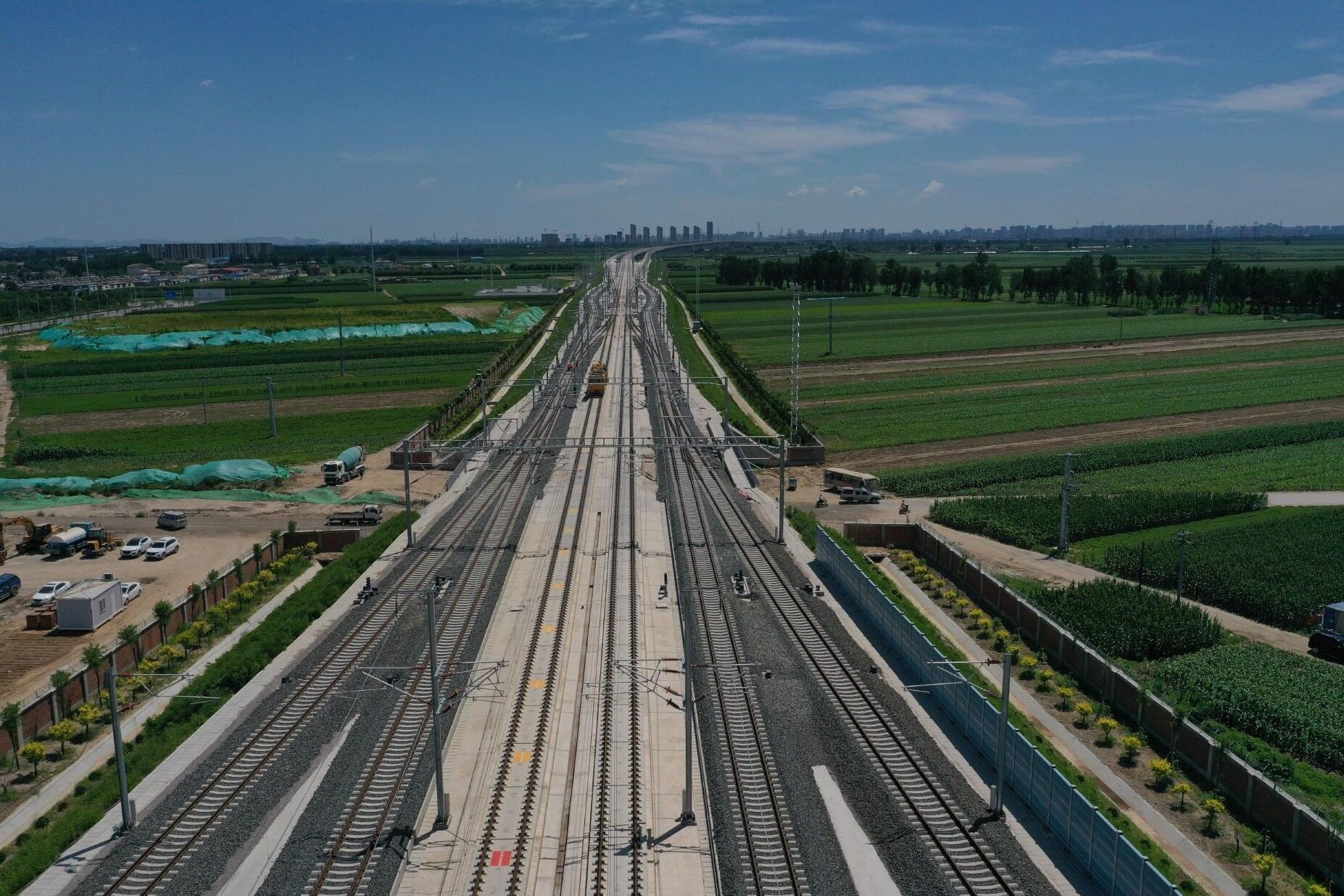
From the dense forests of Sumatra to the coast of Sulawesi, Indonesia is planning a century long transformation in its transportation landscape. This "land of ten thousand islands" with over 17000 islands has now turned its attention to the distant north - Russia. The Indonesian government recently made it clear that it is inviting Russian companies to participate in the construction of its three major cross island railway corridors, quietly launching an infrastructure cooperation that spans the equator and cold regions. For Indonesia, this is not just laying railway tracks, but also a historic attempt to reshape the country's economic geography and break down island barriers.
A long-term layout of 60 billion US dollars
The total length of railways in Indonesia is about 6600 kilometers, of which more than 70% are concentrated on Java Island (4684 kilometers), while the vast outer islands of Sumatra, Kalimantan, and Sulawesi have almost no railways, resulting in a serious imbalance in regional development. To break this bottleneck, the Indonesian government has formulated an ambitious long-term plan to invest approximately 120 trillion Indonesian rupiah (over 60 billion US dollars) by 2045 to build or restart approximately 14000 kilometers of railway network. The project that the Russian side is invited to participate in this time is the strategic railway corridor that runs through the three major islands of Sumatra, Sulawesi, and Kalimantan. Once these projects are completed, they will greatly shorten the logistics time between islands, reduce transportation costs, bring unprecedented economic vitality to remote areas of Indonesia, and strongly support its sustained growth as the largest economy in Southeast Asia.

Comprehensive docking of equipment, technology, and talent
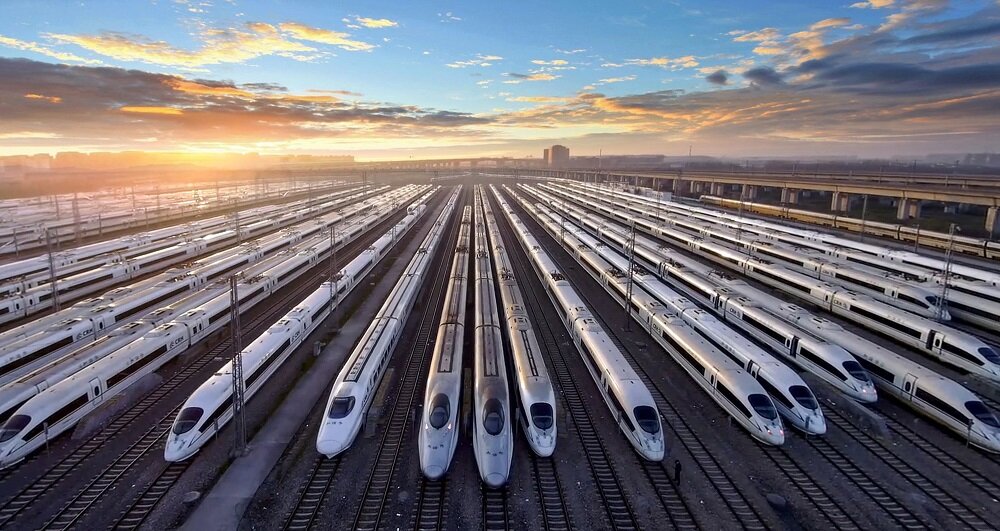
Indonesia's demands go far beyond the physical construction of railway lines. According to the statement of the Indonesian Minister of Infrastructure and Regional Development Coordination, the potential areas of cooperation between the two sides have expanded to multiple high value-added levels, including localized manufacturing of rail transit equipment and infrastructure components, technology introduction for high-speed and heavy-duty railway engineering, systematic improvement of railway operation and safety standards, and application of low-carbon and environmentally friendly railway transportation solutions. In addition, Indonesia particularly emphasizes the importance of talent cultivation and scientific research cooperation, hoping to leverage Russia's rich engineering experience accumulated in cold climates and complex geological conditions to reserve technical strength for its railway industry. Indonesia has also made it clear that Russia's mature experience in managing large public transportation systems such as the Moscow Metro can provide valuable reference blueprints for the future development of urban rail transit in Indonesia, including subways, light rails, and commuter trains.
Cooperation prospects to be observed
It is worth noting that the cooperation between Russia and India in the railway field is not a completely new one. Russian railway company RZD had previously actively proposed a railway construction plan for Kalimantan Island, but due to multiple factors, it ultimately withdrew its investment in 2022. The Indonesian government's reopening of its doors this time is not only a recognition of Russia's profound technical expertise and engineering capabilities, but also reflects Indonesia's strategic consideration of seeking diversified partners and avoiding single dependence in the current international geopolitical landscape. However, in the face of huge funding demands, complex land acquisition issues, and logistical challenges unique to island construction, whether the Russian side is willing to invest heavily again, and whether the two sides can reach a consensus on benefit distribution and risk bearing, still needs to be tested through subsequent negotiations. If the project is ultimately implemented, it will not only completely rewrite the connectivity between Indonesian islands, but may also have a profound impact on the railway supply chain pattern in Southeast Asia. Editor/Yang Beihua
Comment




 Praise
 Collect
 Comment

 Share
Share


Write something~