 Search


- As of the end of May 2026, China's national installed power generation capacity has reached 4.01 billion kilowatts
- The proportion of non fossil energy installed capacity has risen to 62%, with wind and solar power accounting for 21% and 43% of all new installed capacity, respectively
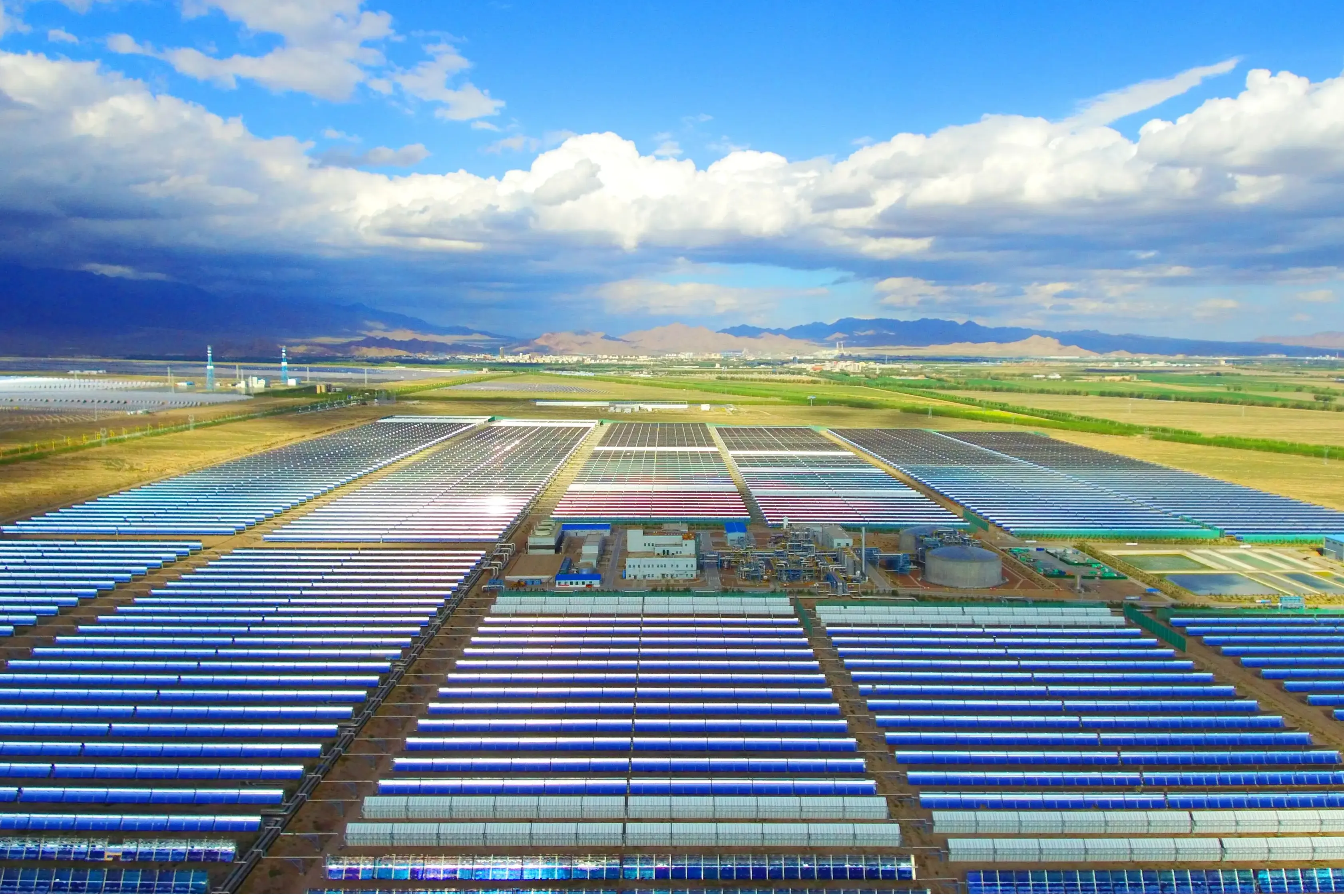
From 1 billion to 4 billion, it only took 15 years for China's power installed capacity to surpass. In 2011, it surpassed 1 billion kilowatts for the first time, crossed 2 billion kilowatts in 2019, crossed the 3 billion threshold in April 2024, and reached the 4 billion milestone in May 2026. The time required for each additional 1 billion kilowatts has been reduced from 8 to 5 years to approximately 2 years. From 2010 to 2025, the average annual growth rate of power generation installed capacity in China reached 9.7%, far higher than the United States' 1.7%, the European Union's 3.2%, India's 7.1%, Japan's 2.9%, and Russia's 1.2%. Behind this set of data is not only a rigid increase in electricity demand, but also an intuitive mapping of the systematic reshaping of the energy structure.
Coal and electricity retreat, green electricity advances, and the installed structure undergoes fundamental reversal
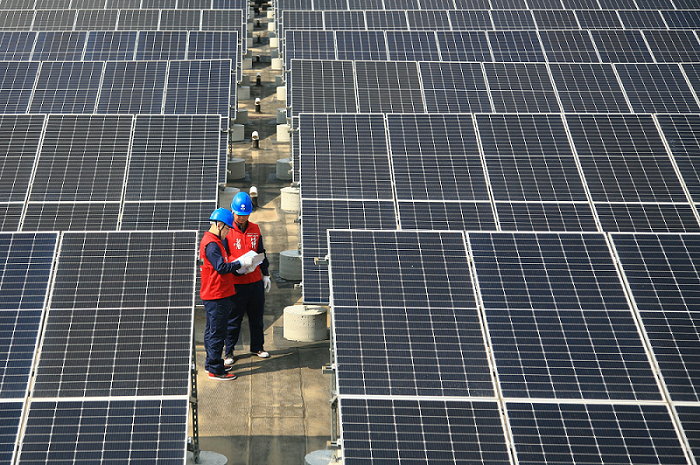
The proportion of coal-fired power installed capacity decreased from 61% in 2010 to 32% in May 2026, while non fossil energy installed capacity increased from 25% to 62% during the same period. This means that two out of every three units belong to non fossil energy sources. Since 2010, non fossil energy accounted for 74% of all new installed capacity, while renewable energy contributed 73% of the new share. Wind and solar power have shown particularly outstanding performance, accounting for 21% and 43% of all newly installed capacity, respectively. The balance of the installed structure has been completely tilted, and the main force of the incremental part is no longer coal-fired power, but wind and solar power.
Clear and visible acceleration logic
It took 5 years to go from 2 billion to 3 billion, and only 2 years and 1 month to go from 3 billion to 4 billion. The implementation of this acceleration relies on the continuous decline in photovoltaic module prices, mature technology for large-scale wind turbines, intensive operation of ultra-high voltage transmission channels, and comprehensive promotion of distributed photovoltaic systems on rooftops throughout the county. Non fossil energy not only contributes the vast majority of incremental growth, but also changes the operational logic of the power system - evolving from centralized power grids to integrated source grid load storage, shifting from controllable power sources to predictive scheduling, and upgrading from single power to multi energy complementarity.
4 billion kilowatts is just a node
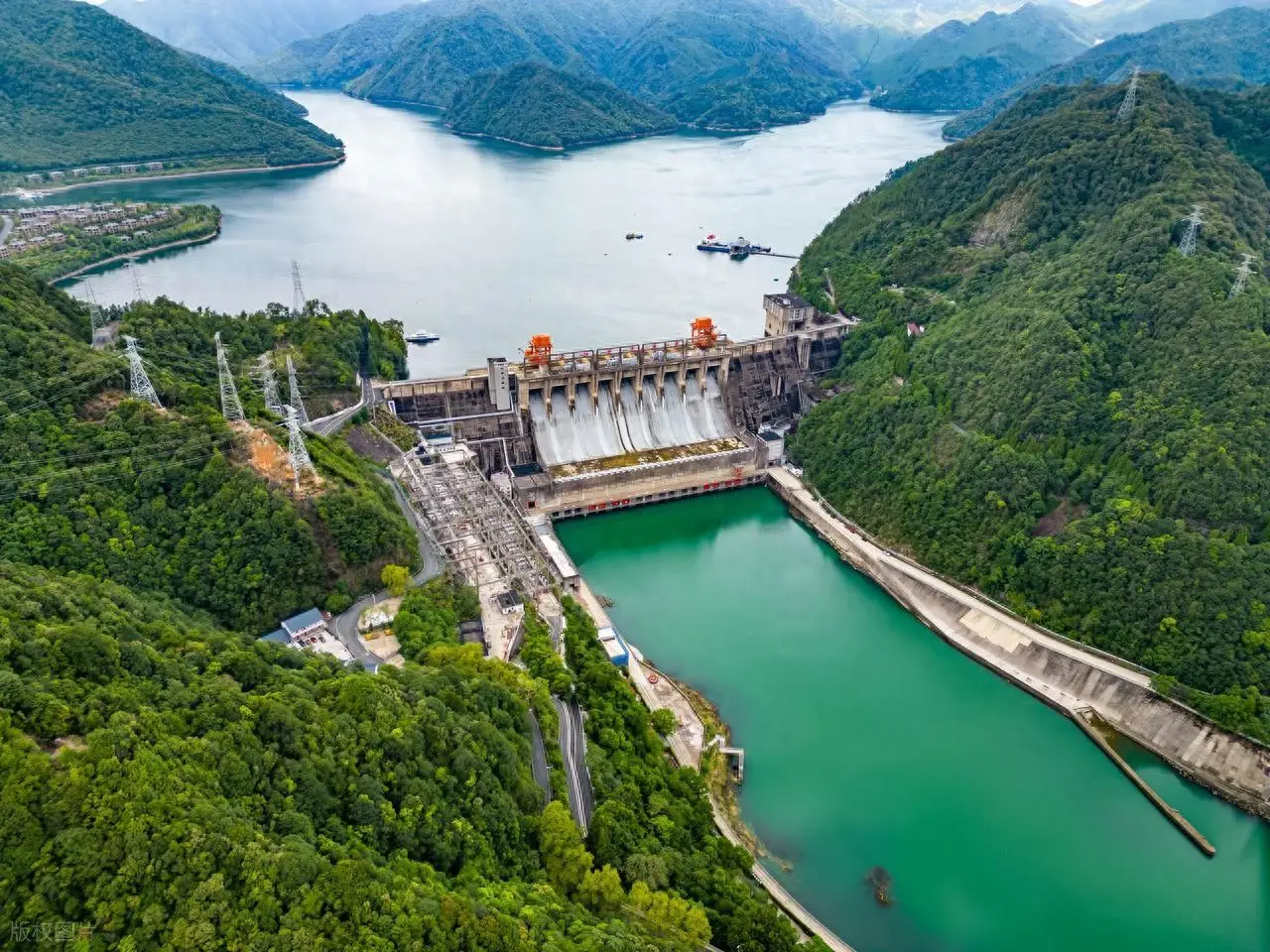
The continuous expansion of installed capacity has put forward new requirements for power grid dispatching, energy storage configuration, load management, and market mechanisms. The contradiction between the volatility of new energy output and the rigidity of electricity load is driving the coordinated development of pumped storage, electrochemical energy storage, virtual power plants, and demand side response. Keywords: energy installed capacity, power generation installed capacity
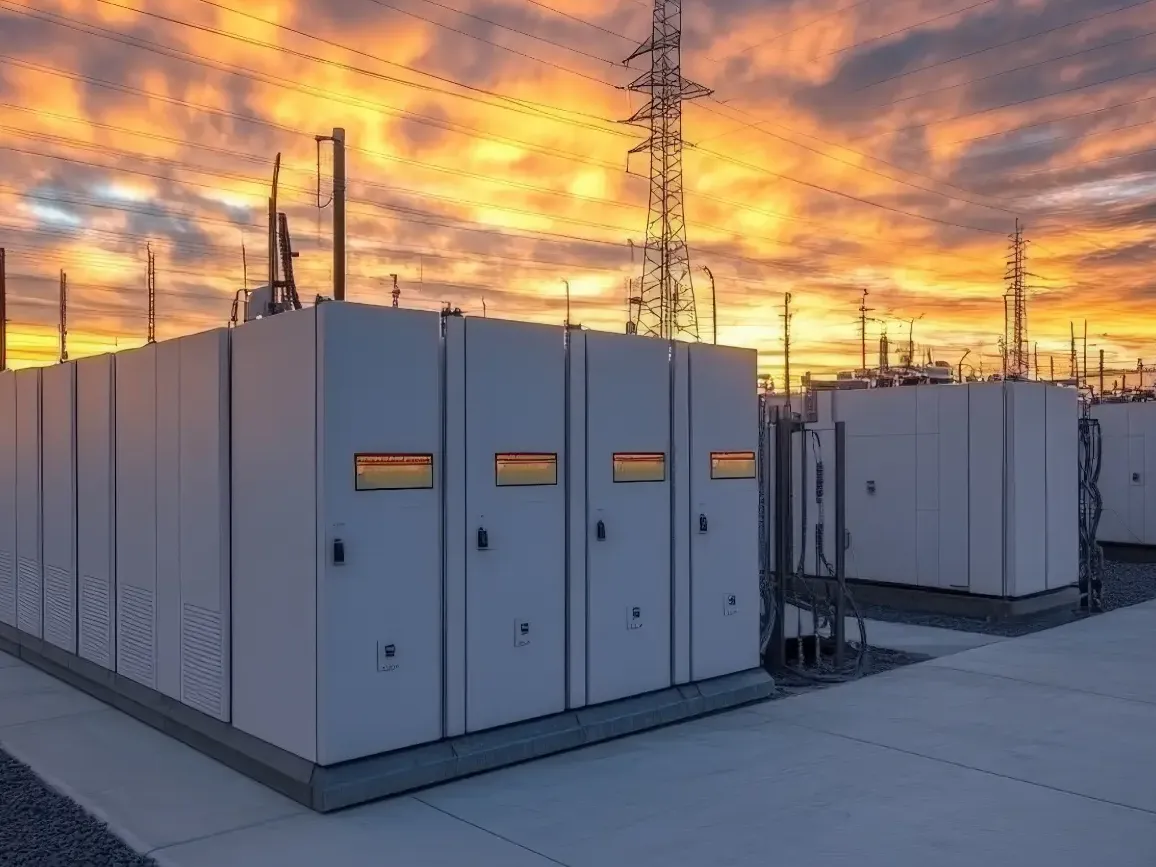
As of May 2026, the installed capacity of pumped storage in operation in China has exceeded 60 million kilowatts, and the installed capacity of new energy storage has exceeded 80 million kilowatts. The flexible regulation capability of the power system is expanding synchronously with the installed capacity, laying a solid foundation for the next stage of energy transformation.Editor/Cheng Liting
Comment



 Praise
 Collect
 Comment

 Share
Share


Write something~