 Search


- Saudi water market expands, providing a new track for Middle Eastern infrastructure investment for global capital
Recently, the online venue in Brussels, Belgium was brightly lit, and on the other end of the screen of the MEED GlobalData seminar, executives from Saudi water investment firm SHARAKAT had just put down their laser pens. More than 400 global water developers, engineering contractors, and financial institution representatives had already filled their laptops with key data. In the next seven years, Saudi Arabia will open more than 21 trillion level water resource infrastructure projects, from desalination plants on the Red Sea coast to sewage treatment plants on the outskirts of Riyadh. A water golden track backed by government credit for 25 years of long-term operation has officially opened to the world. This investment fair without geographical boundaries instantly added a core puzzle to the overseas layout of Chinese water companies.
Trillion level water market fully opens gates
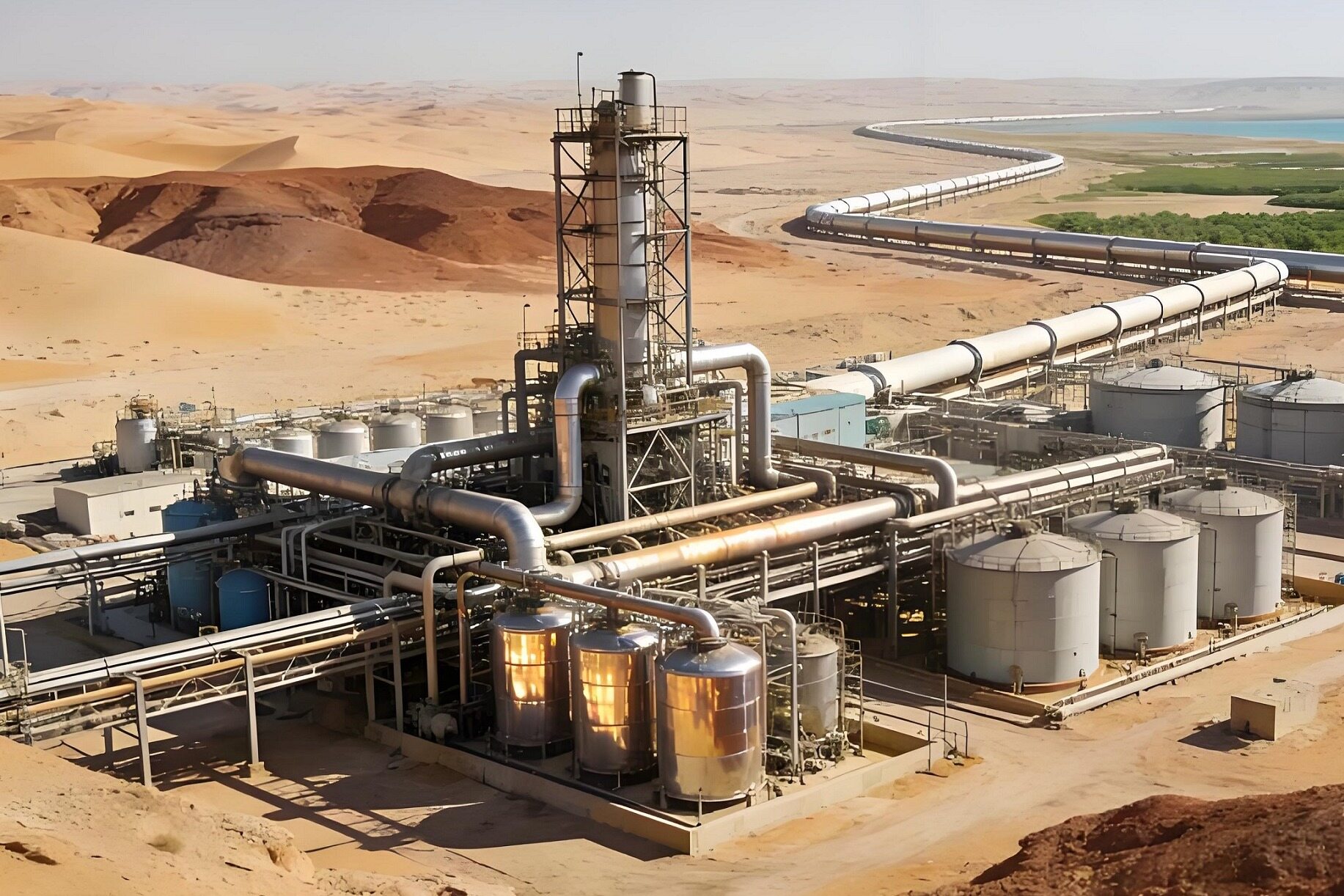
Saudi Arabia, as the world's largest producer of seawater desalination, is accelerating the expansion of its water resources infrastructure with the 2030 vision as its engine.
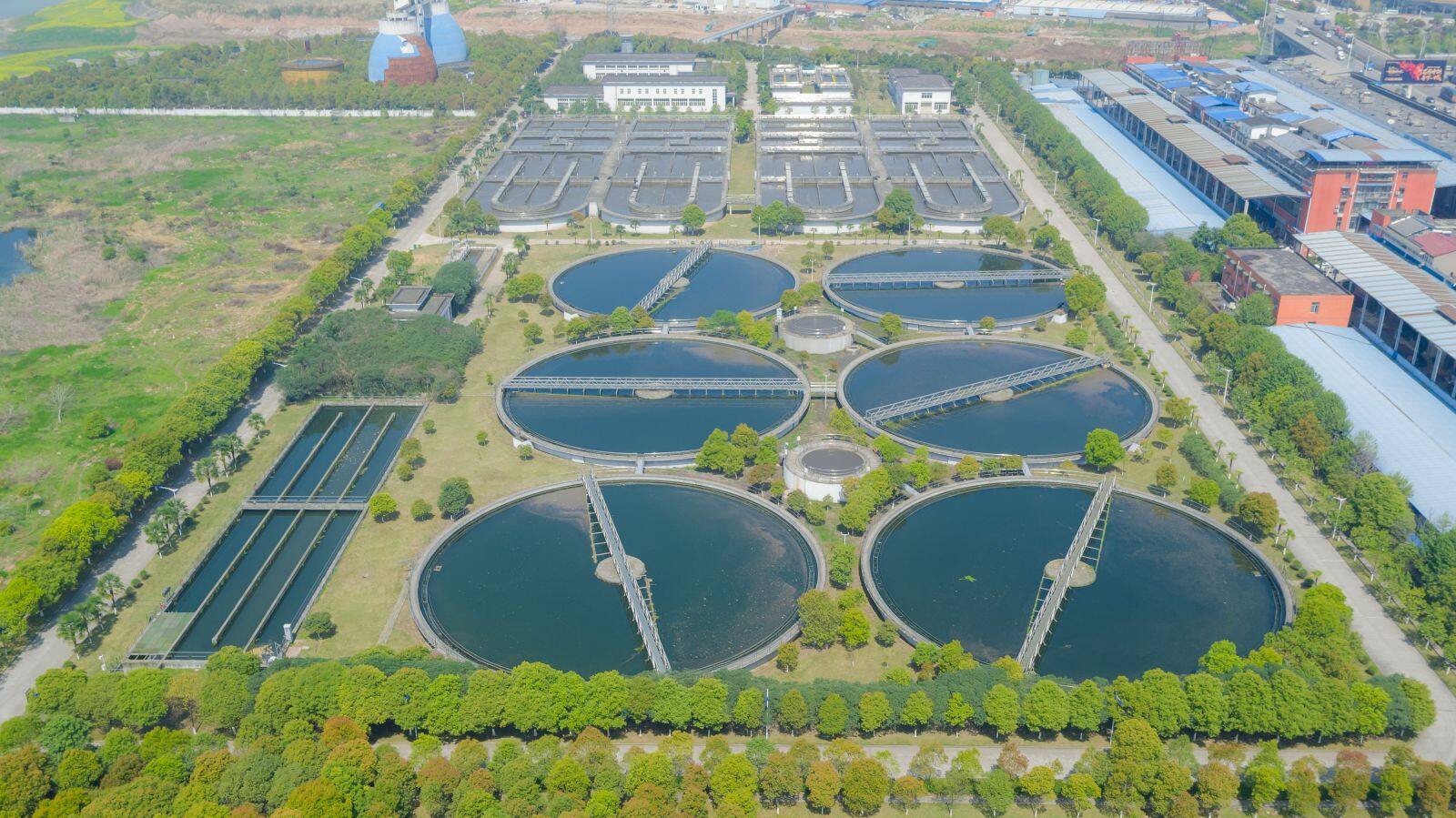
The latest roadmap disclosed by SHARAKAT shows that by 2033, Saudi Arabia's daily desalination capacity will jump from the current level to 88.1 million cubic meters, and the daily sewage treatment capacity will reach 2.6 million cubic meters with 11500 kilometers of collection pipelines. In the field of water transmission and storage, an additional 7.05 million cubic meters of daily water storage capacity and 2900 kilometers of water transmission pipelines will be added. At present, the market has entered a three tiered parallel state of operation and construction bidding, with 15 water assets in stable operation, 6 projects in peak construction period, and 9 projects including the Riyadh East Sewage Treatment Plant, which is about to start bidding solicitation, in the bidding stage. This pattern of mature projects as the foundation and new projects as the relay provides global capital with full cycle participation space from engineering construction to long-term operation.
Long term construction of risk control moat without threshold
Unlike traditional water projects in the Middle East and North Africa region with short cycles and high volatility, the core competitiveness of Saudi Arabia's PPP model lies in its stability. The project adopts a 25 to 35 year franchise mechanism, with direct credit support provided by the Saudi Ministry of Finance, completely avoiding payment risks for the owners.
The payment mechanism is linked to the effectiveness of operation and maintenance, which not only forces the improvement of service quality, but also deeply binds the returns of investors to the actual operational effects of the project. More importantly, Saudi Arabia has removed the mandatory threshold for local experience and only requires companies to possess corresponding technical capabilities. This policy adjustment has directly ignited international participation enthusiasm, and currently more than 70 domestic and foreign companies have submitted pre qualification intentions. The EFQM four-star certification recently obtained by SHARAKAT is one of the highest ratings from the European Quality Management Foundation, which adds double insurance to project reliability from dimensions such as governance structure and sustainable development.
Chinese technology welcomes a window for the full industry chain to go global
For Chinese enterprises, the opening trend of Saudi Arabia's water industry just resonates with the production capacity cooperation under the the Belt and Road Initiative. Chinese companies have formed global competitiveness in the field of membrane based seawater desalination, such as smart water management systems for reverse osmosis membrane technology and large-scale water treatment engineering general contracting. From the EPC general contracting experience of the world's largest reverse osmosis desalination project at the Abu Dhabi Tawil seawater desalination plant in the United Arab Emirates, to the ultra long distance water delivery technology of the domestic South North Water Diversion Project, and to the modular manufacturing capability of distributed sewage treatment equipment, all of these can be found in Saudi projects. Keywords: Middle East news and information, water resources infrastructure
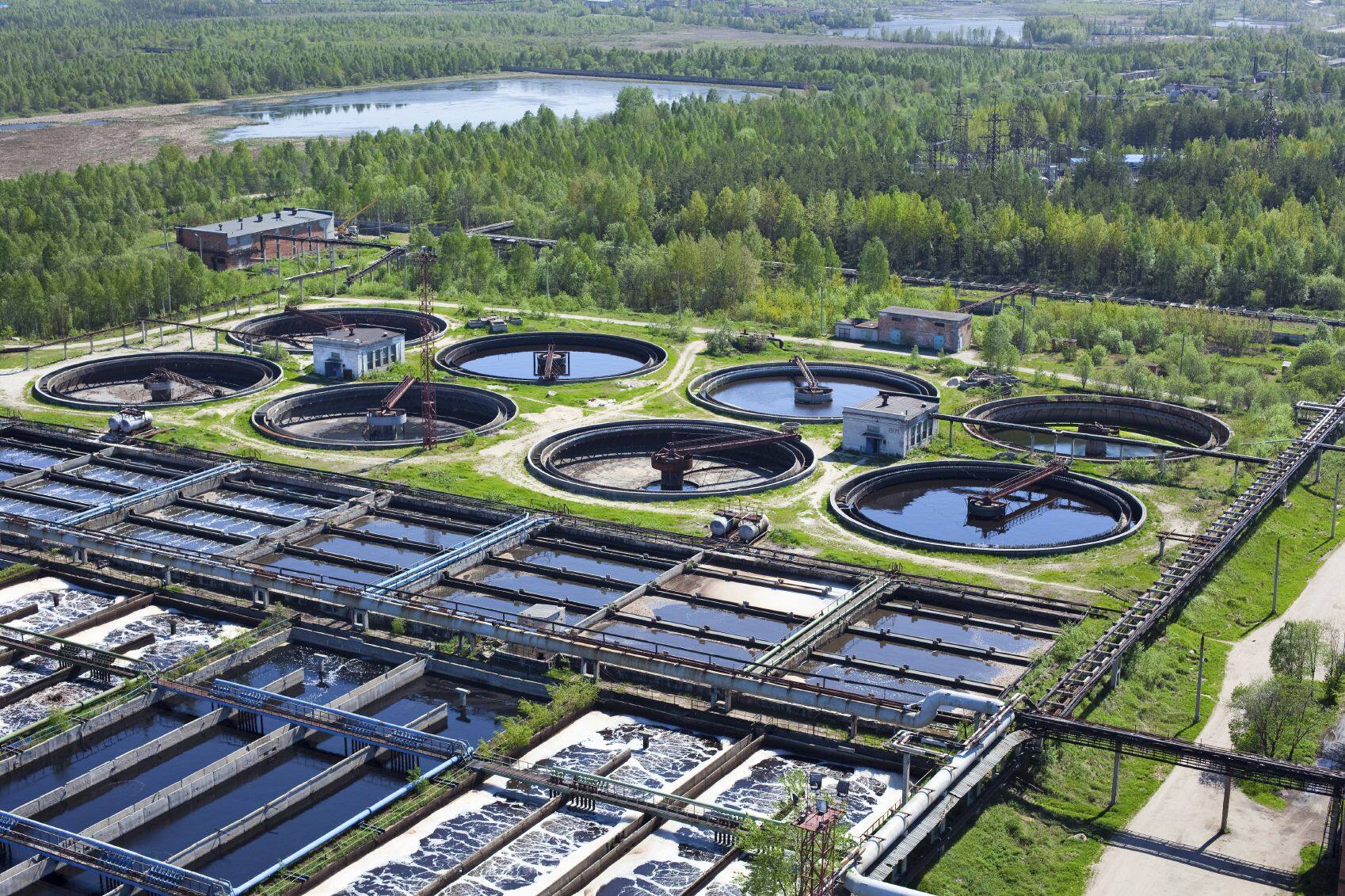
It is worth noting that Saudi Arabia emphasizes the added value of technology, not only in engineering construction, but also welcomes enterprises with digital operation and maintenance low-carbon processes such as waste heat utilization and desalination technology to participate. As the local water industry chain in Saudi Arabia is still in its incubation period, Chinese companies can also collaborate with local partners to build industrial parks through a technology and equipment operation and maintenance packaging model, upgrading single project cooperation to long-term capacity cooperation. While serving the modernization of local water resources, it also plays a key role in the globalization layout of China's water industry.Editor/Gao Xue
Comment

 Praise
 Collect
 Comment

 Share
Share


Write something~