 Search


- China's solar thermal technology empowers high-quality development of new energy in Xinjiang
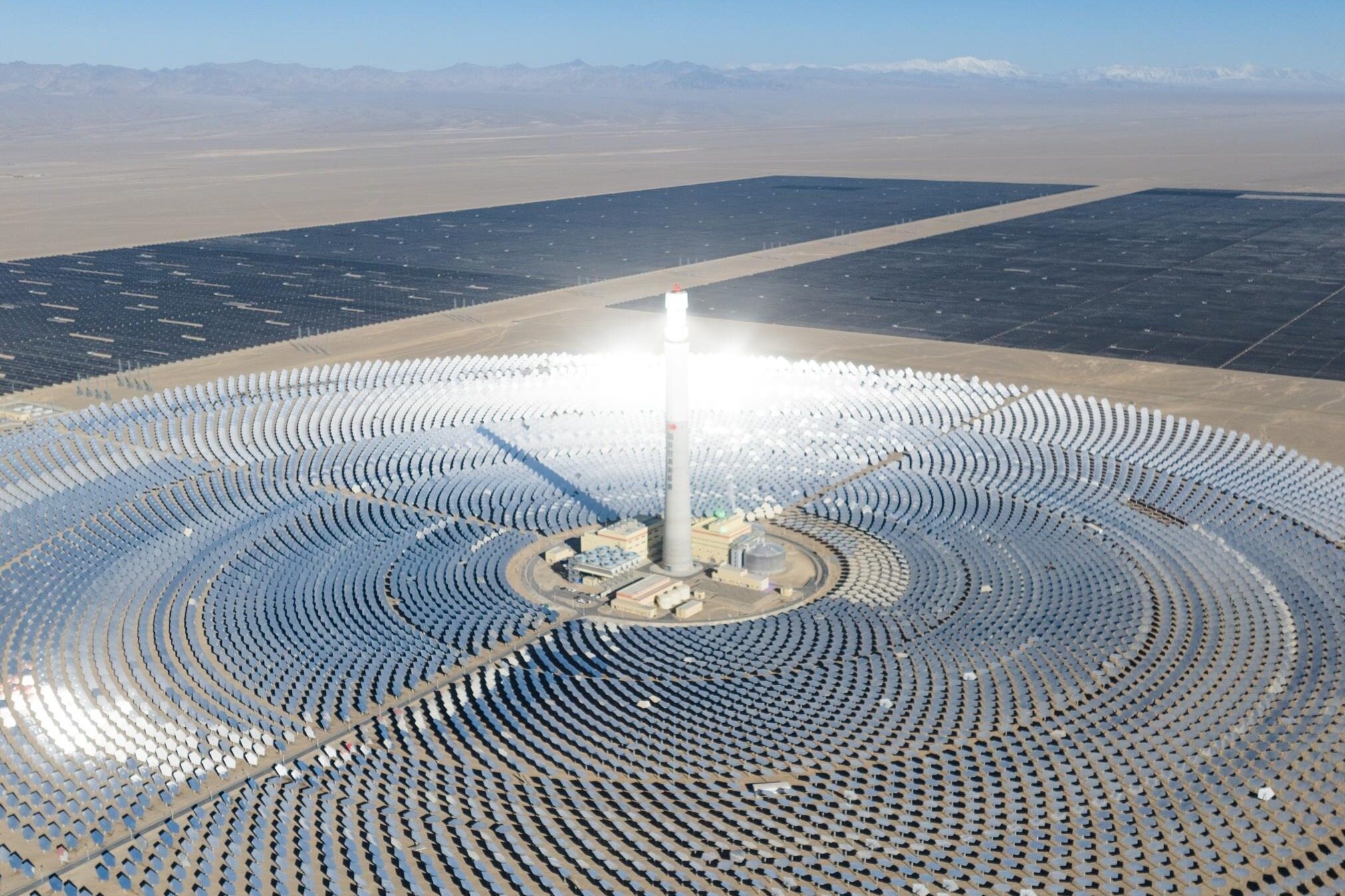
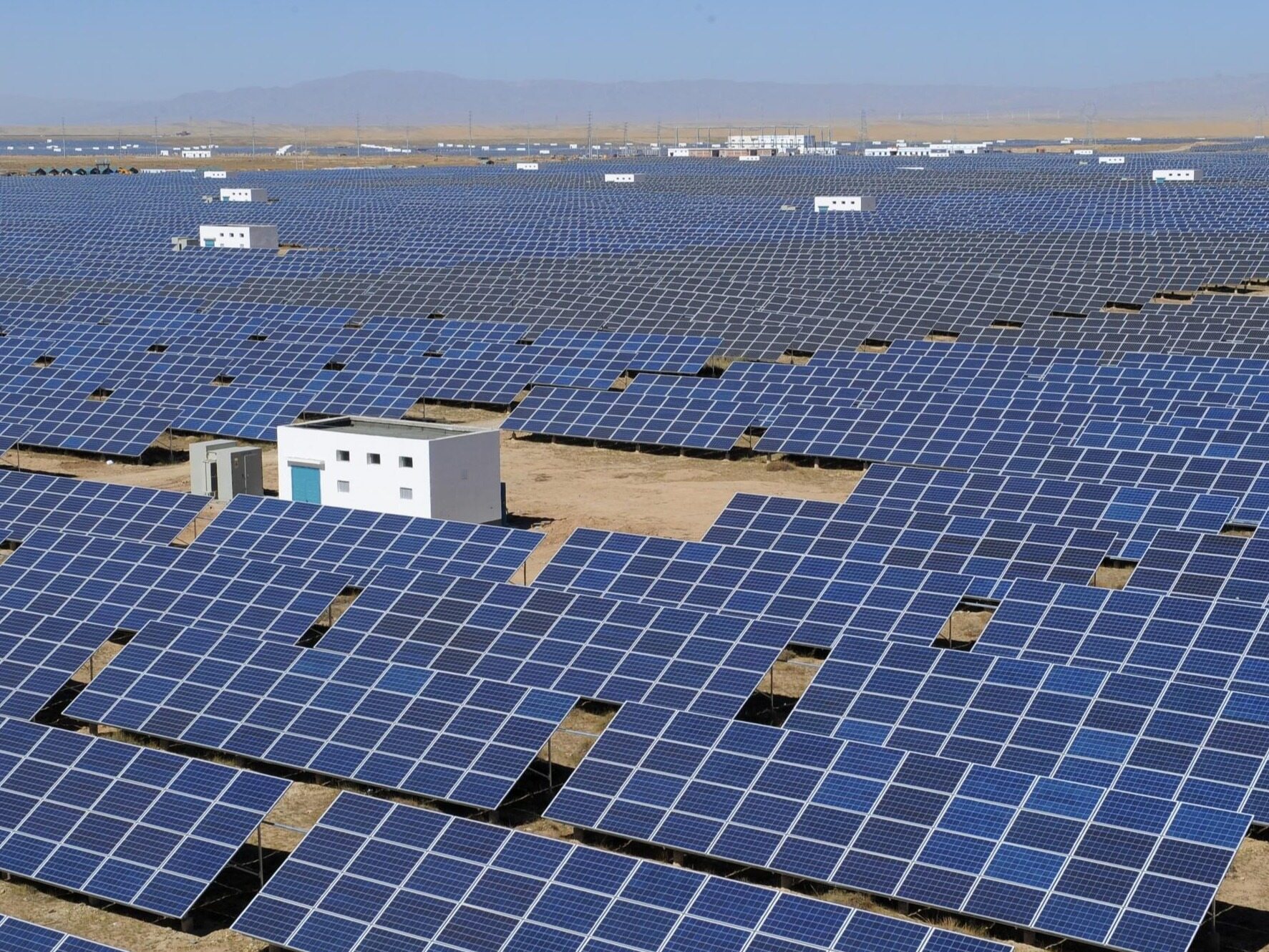
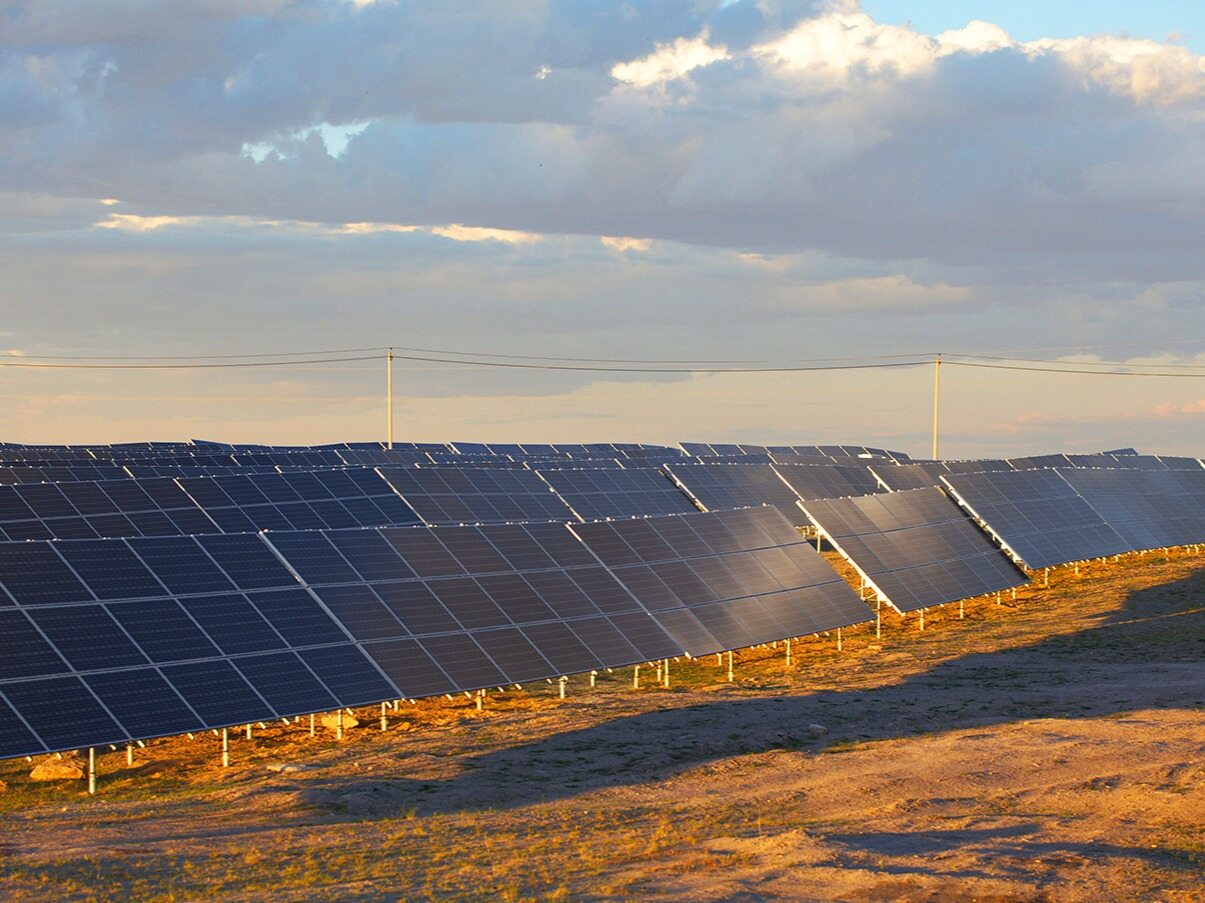
Recently, the desert in Dalate Town, Bozhou, Xinjiang shone with metallic light in the sunlight. Tens of thousands of heliostats face precisely like silver sunflowers, converging the scorching sunlight towards the 220 meter high heat absorbing tower. There are no roaring coal-fired power units here, only Chinese nuclear industry builders are making the final push for molten salt to be added to the tower. As key projects of Xinjiang's 14th Five Year Plan, the two major solar thermal bases of Bole and Jinghe are facing the countdown to grid connection. This is not only the conversion of solar energy into electricity, but also a centralized review of China's core technology in the field of thermal storage and power generation.
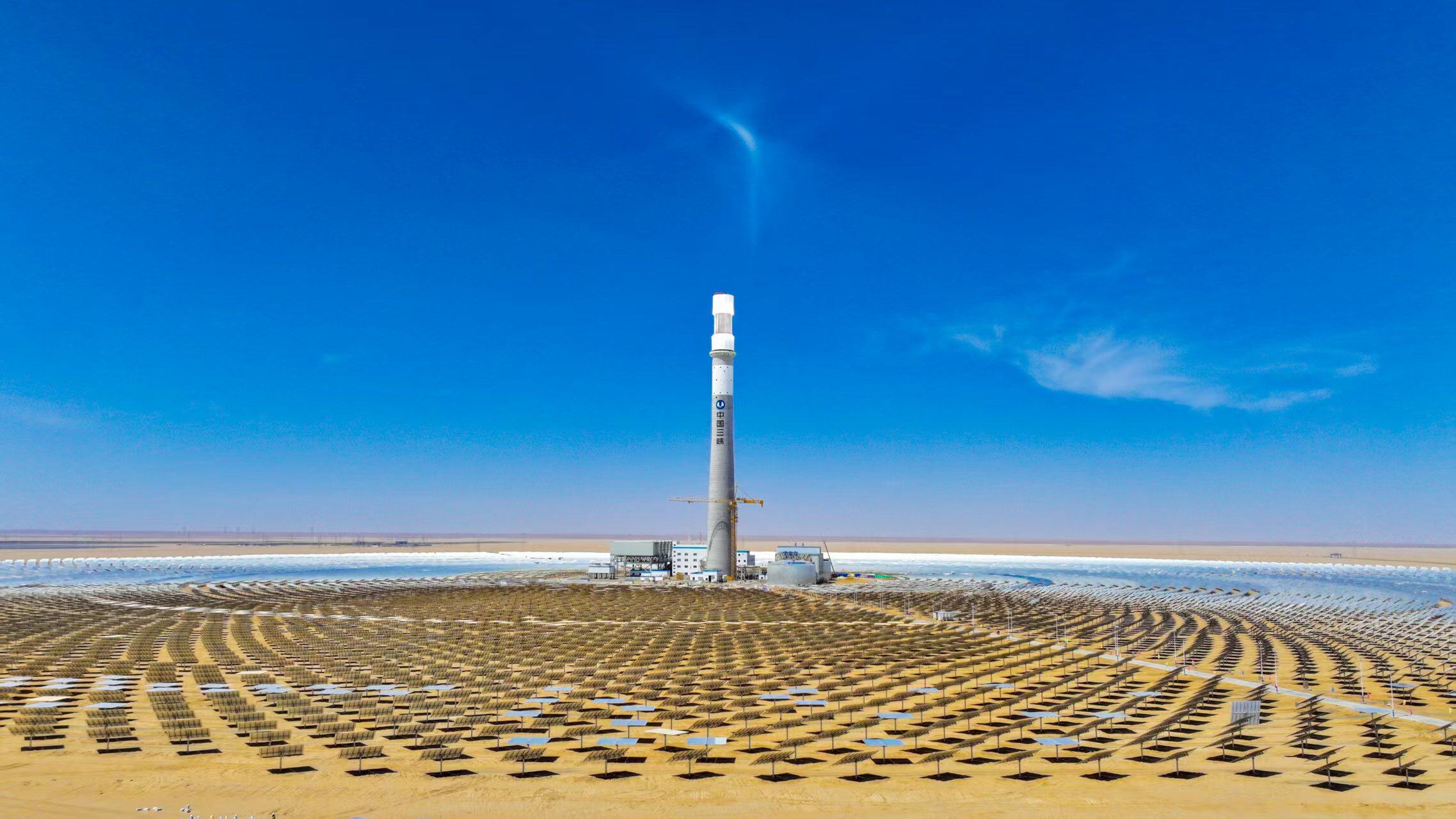
Desert raises a super mirror
At the project site in Bole City, the huge concentric circle array is magnificent. As of June 2026, the project has completed pipeline acid cleaning and steam blowing, and is about to enter the most difficult molten salt tower construction process. Unlike ordinary photovoltaics, this tower type solar thermal technology comes with a molten salt thermal storage system, like installing a giant power bank on a power station, which can continuously and stably generate electricity even at night or on cloudy days. At present, the two major bases invested and constructed by China National Nuclear Corporation are making every effort to ensure that the solar thermal part is connected to the grid as scheduled.
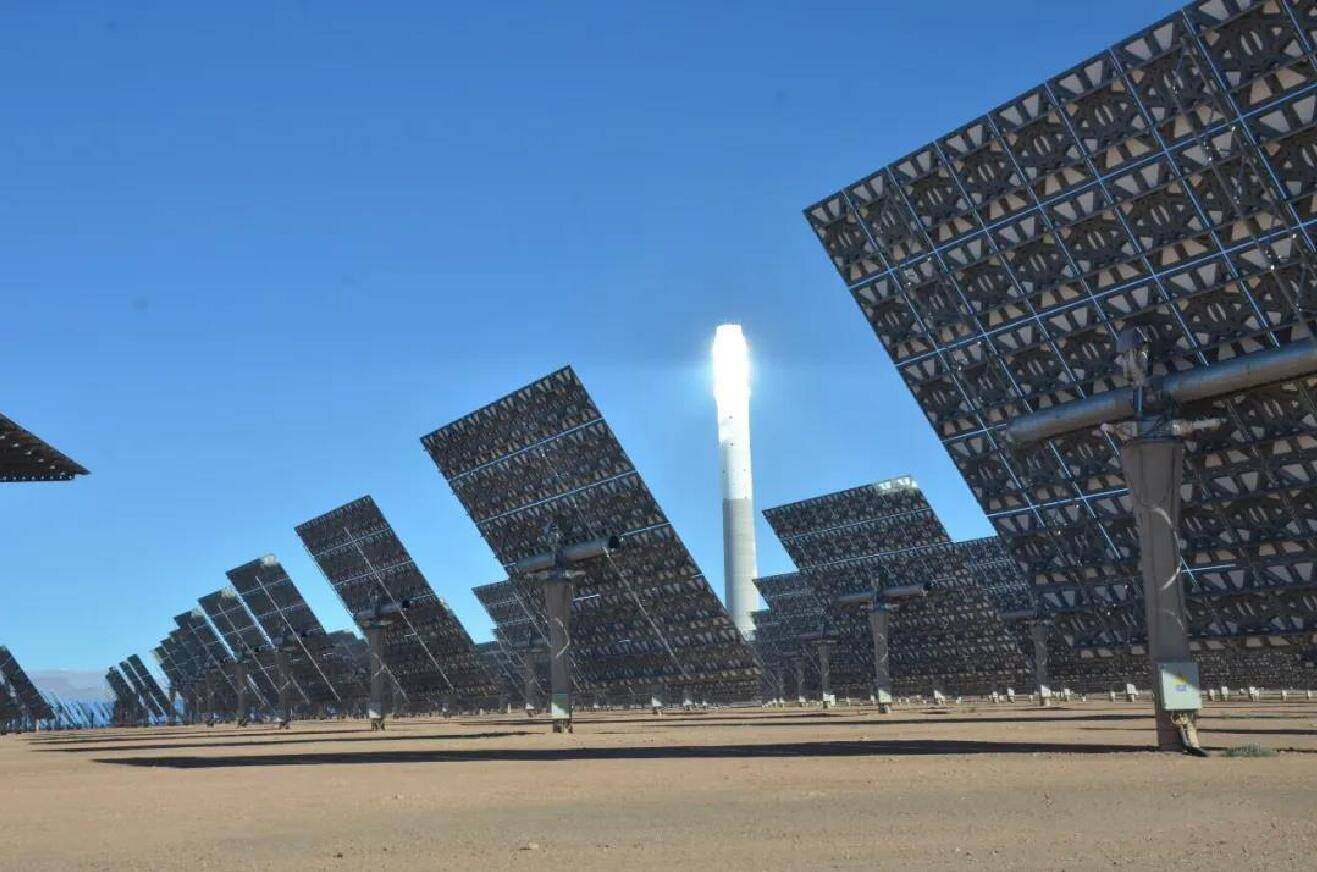
Intelligent prediction of cloud changes
Solar thermal power plants are most afraid of cloud attacks, but Chinese engineers have solved this problem. The project team has independently developed an intelligent forecasting system, which can predict cloud movements 5 to 15 minutes in advance by deploying a full sky imager and ground-based cloud radar in the field area, combined with meteorological satellite data. This has transformed the heat absorber from passively bearing risks in the past to actively avoiding potential hazards now. Combined with cutting-edge technologies such as molten salt thermal storage digital twin, the operational efficiency and reliability of China's solar thermal power plants are reaching new heights. Keywords: New energy news and information, solar thermal power generation
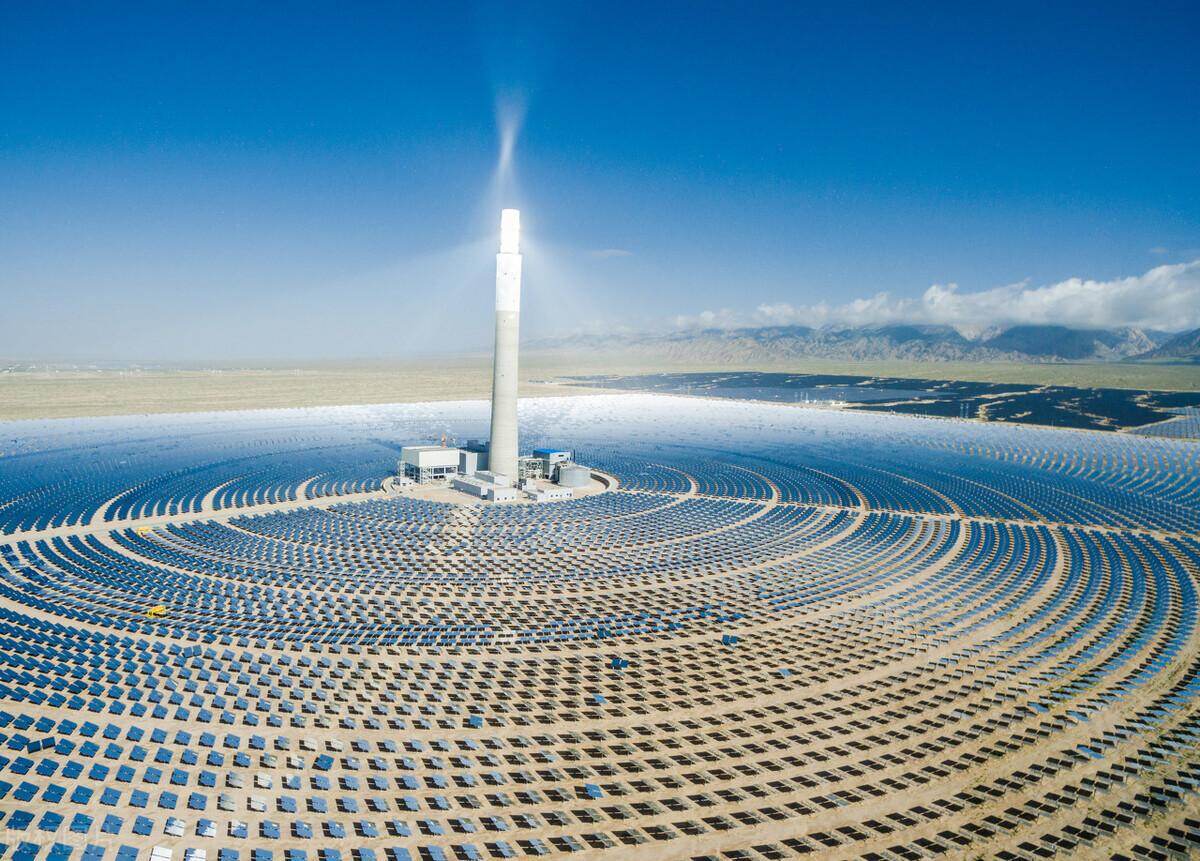
Ten million kilowatts of green electricity transmission
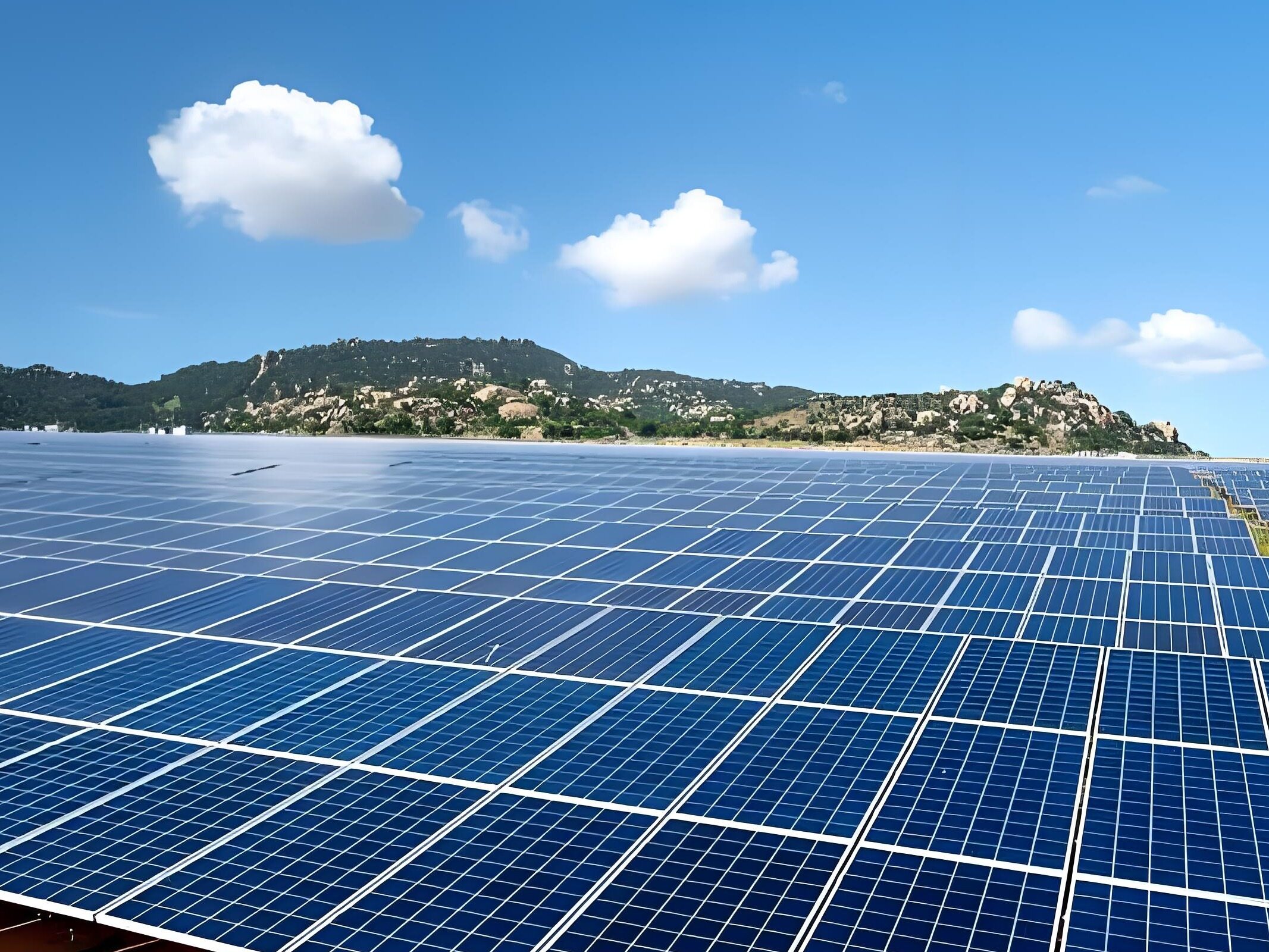
The total investment of these two bases is 12.27 billion yuan, with a planned installed capacity of up to 2000 megawatts, of which 1800 megawatts of photovoltaic power has been fully connected to the grid. After full operation, an average of 4.183 billion kilowatt hours of clean electricity per year will be generated, equivalent to saving 1.48 million tons of standard coal and reducing 3.74 million tons of carbon dioxide emissions annually. This not only provides hard support for the optimization of Xinjiang's energy structure, but also continuously delivers green electricity to eastern China through ultra-high voltage channels, effectively promoting regional low-carbon transformation and high-quality development.Editor/Gao Xue
Comment

 Praise
 Collect
 Comment

 Share
Share


Write something~