 Search


- This move marks a shift in the focus of North African new energy from construction to grid side upgrading
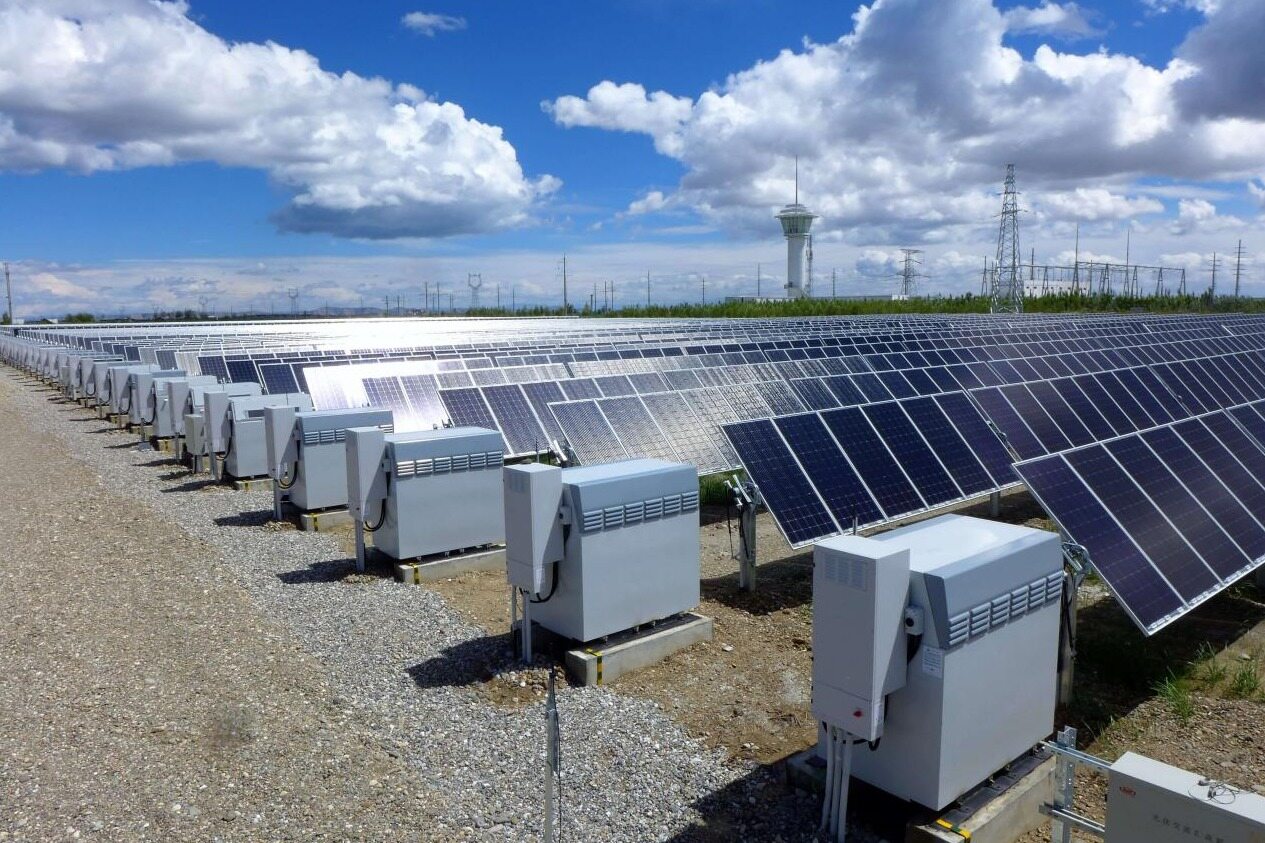
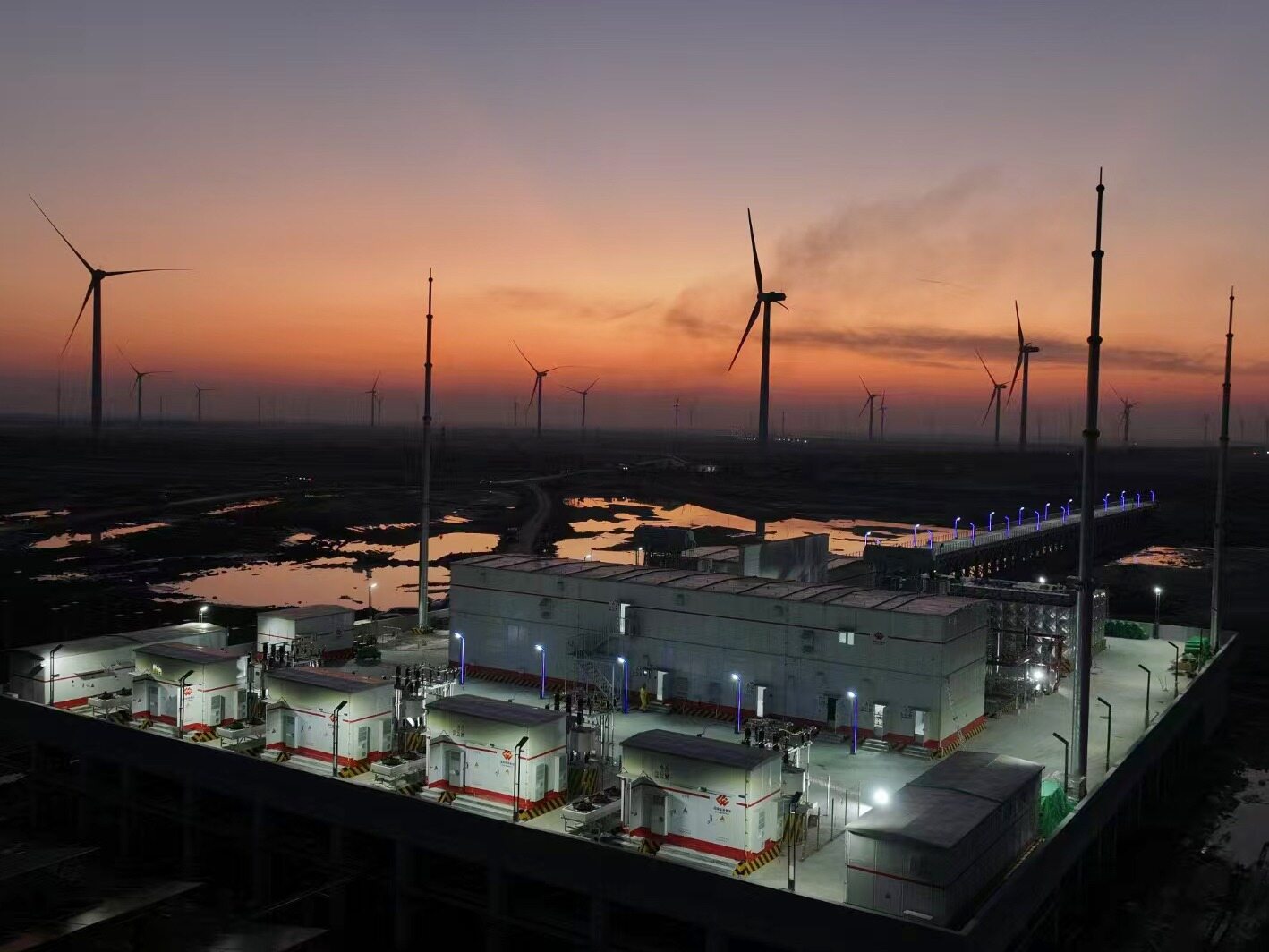
On June 13, 2026, under the scorching sun in Aswan Province, the construction site of the Abidos 2 photovoltaic project was busy. The workers are installing the last batch of energy storage battery compartments in place during the lifting and lowering of the crane arm. Egyptian Minister of Electricity and Renewable Energy Mahmoud Esmat stood in front of the project sand table, his fingers tracing the line connecting the photovoltaic array to the grid - a line that will carry new expectations for Egypt's energy transition.
Gigawatt photovoltaic connected to the power grid
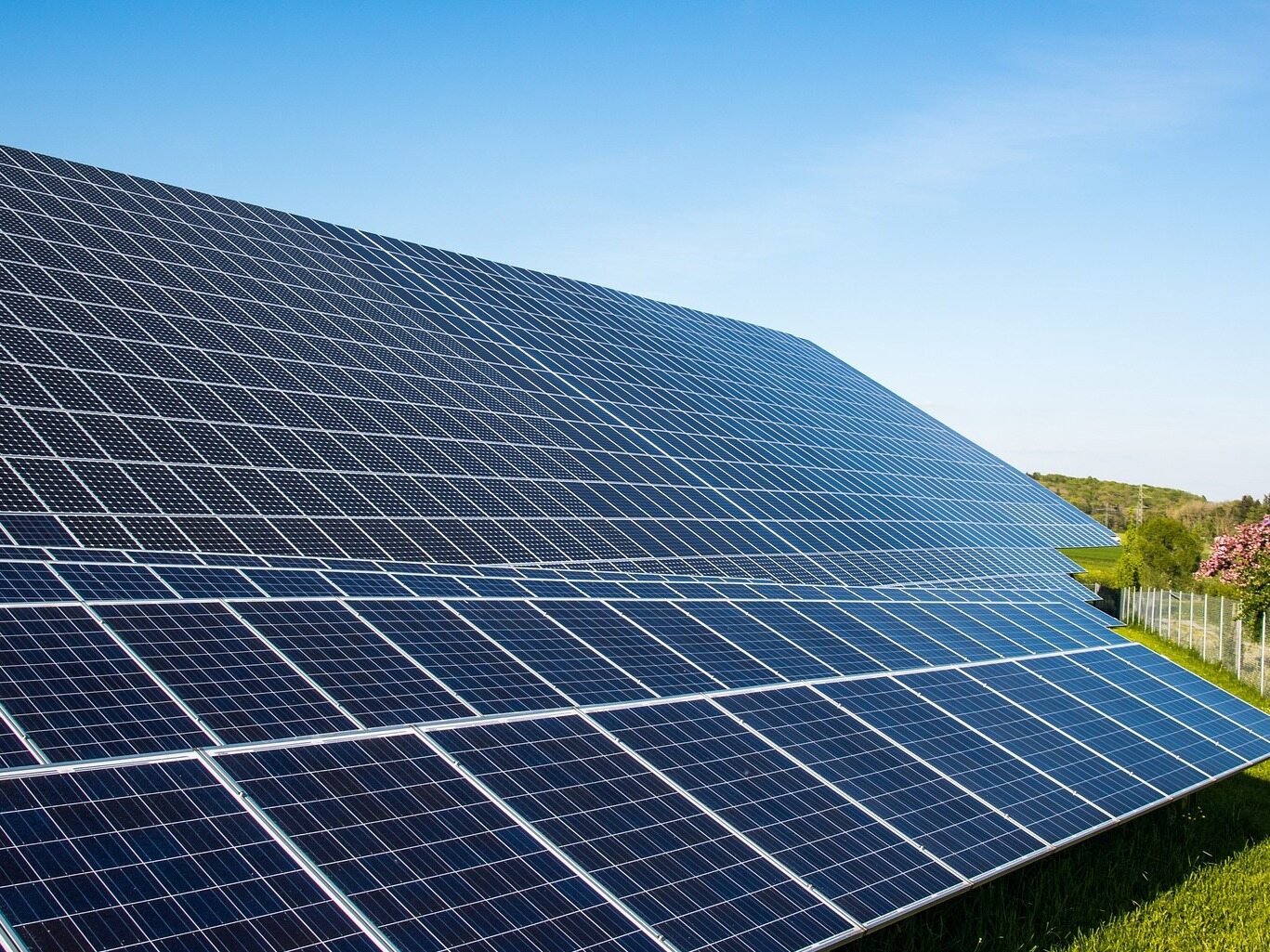
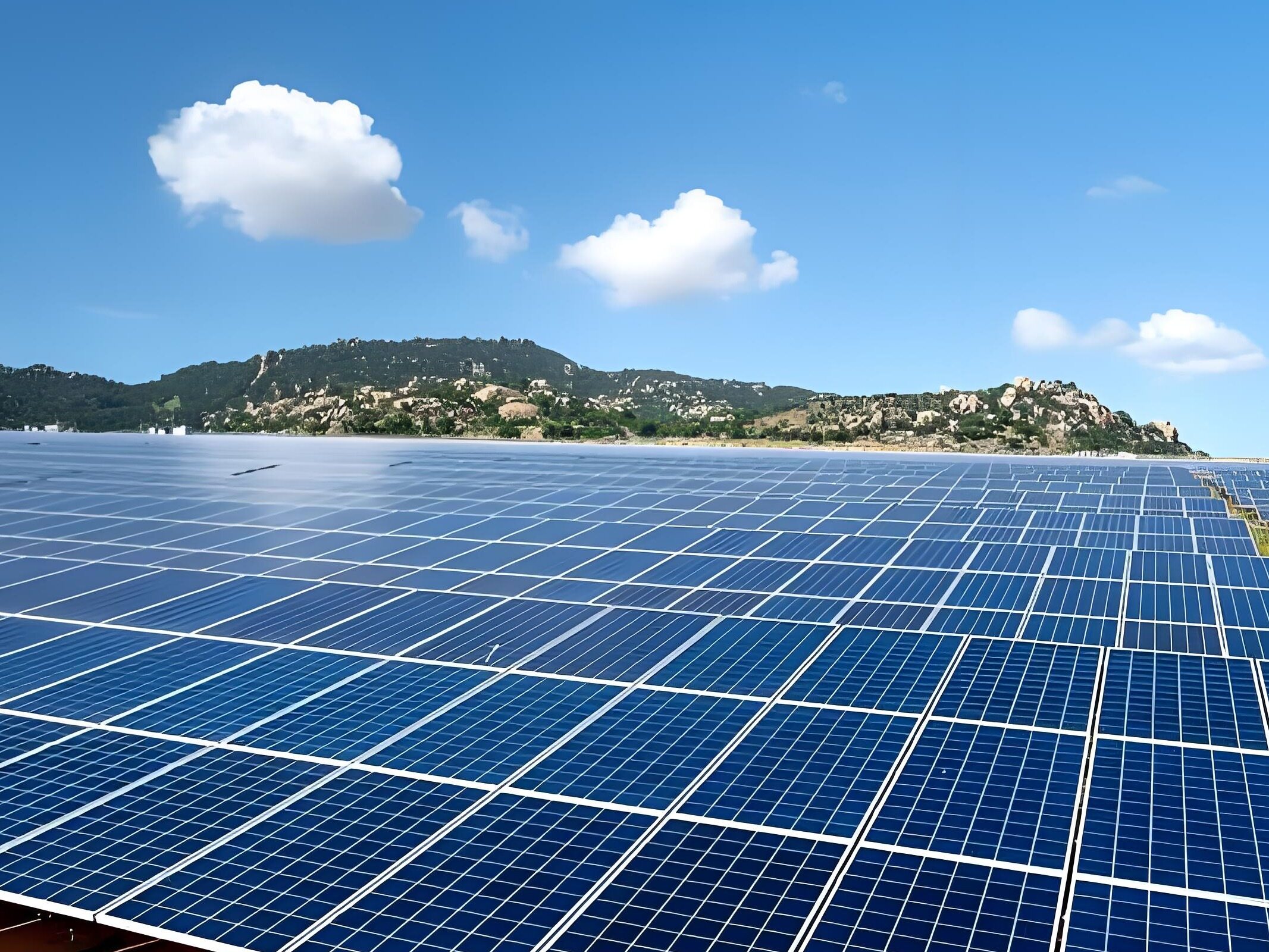
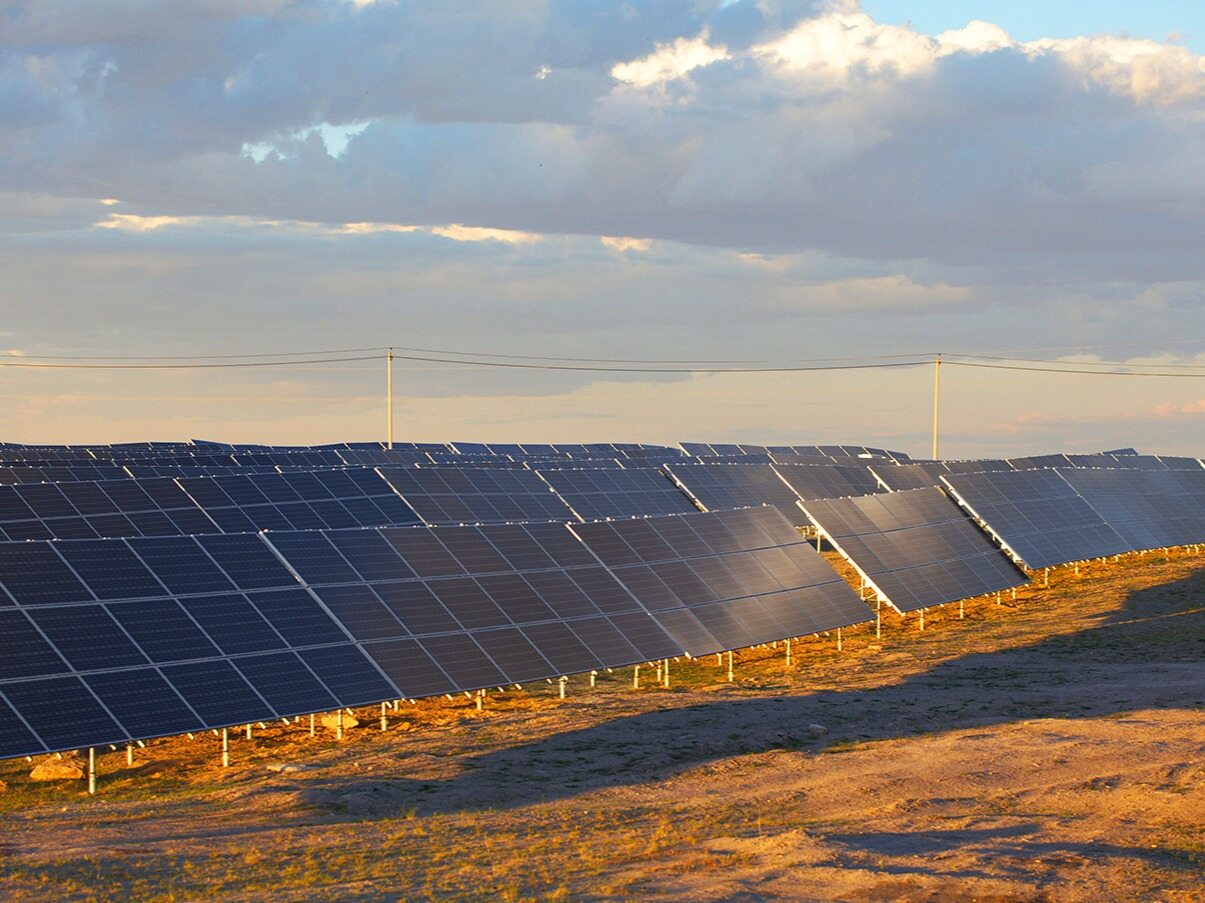
Egypt will add 1000 megawatts of renewable energy capacity to the national grid in the coming months, all from the Abidos 2 project.
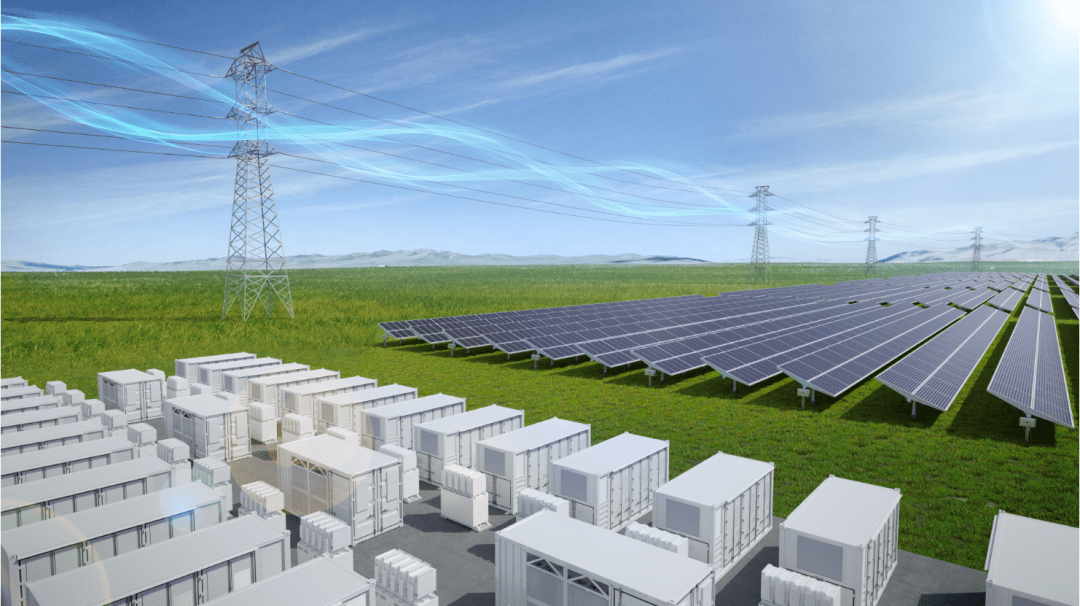
The project is developed by Ameya Power in the United Arab Emirates, equipped with 1000 megawatts of photovoltaic and 600 megawatt hours of battery energy storage, and purchased by the Egyptian Electricity Transmission Company. The project company disclosed that the commercial operation target is set to be in June 2026, and it has entered the final commissioning stage before grid connection.
Energy storage reshapes the value of power stations
The core competitiveness of Abidos 2 lies in its energy storage system. According to data from the International Finance Corporation, the project has raised $57.18 million in debt financing and is expected to generate over 3 million megawatt hours of electricity annually and reduce 1.6 million tons of carbon dioxide emissions annually after its operation.
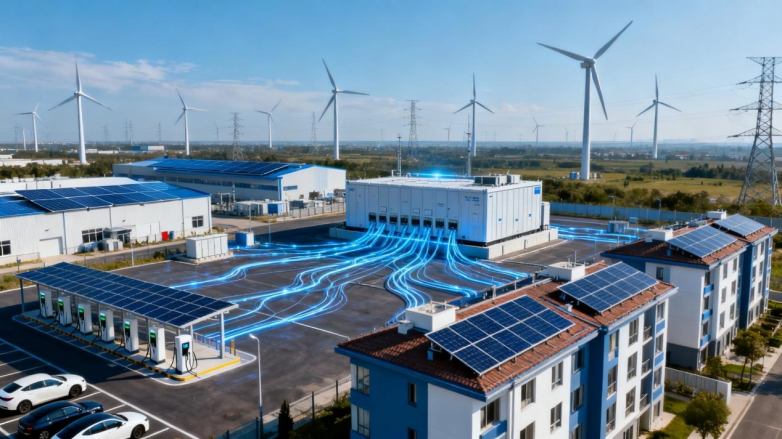
More importantly, its electricity price of 2.8 cents per kilowatt hour is much lower than the average electricity generation cost in Egypt, and through a 25 year power purchase agreement guaranteed by the Ministry of Finance, energy storage enables photovoltaics to transform from intermittent power sources to dispatchable power sources.
Chinese enterprises deeply cultivate the grid side market
Egypt's new energy construction is shifting from power station construction to grid support. Keywords: New energy news and information, photovoltaic power generation
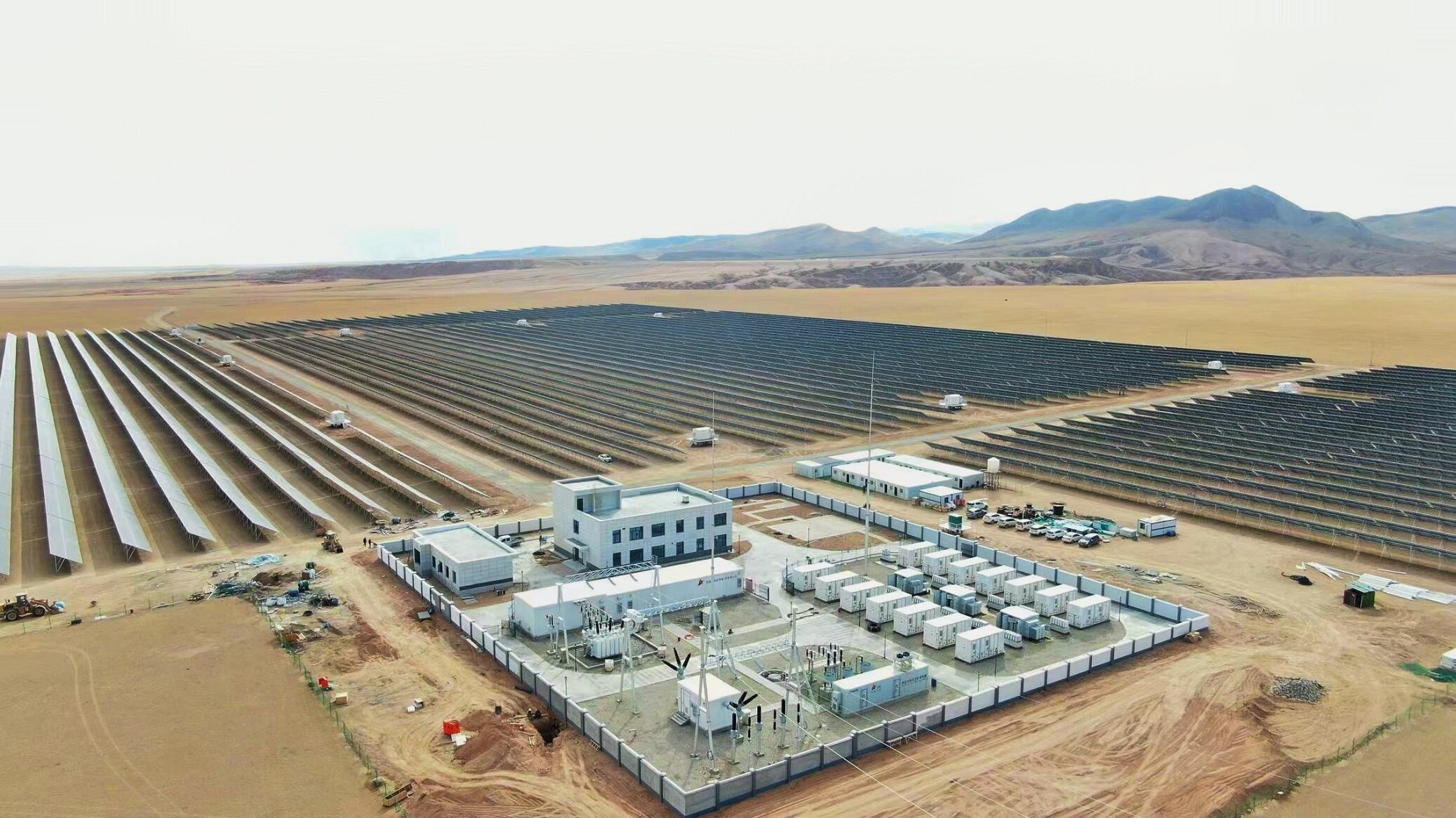
On June 4th, Ameya Power awarded the EPC contract for the Zafarana 500 megawatt hour and Benban 1000 megawatt hour energy storage projects to China Energy Engineering Corporation; At the same time, Ameya, Guoxuan High Tech, and China Energy Engineering International signed an agreement for a battery energy storage factory with an annual output of 3000 megawatt hours. Chinese companies are extending from component supply to back-end links such as energy storage systems and digital dispatch, seizing the market opportunity on the grid side.Editor/Gao Xue
Comment



 Praise
 Collect
 Comment

 Share
Share


Write something~