 Search


- The replacement of 18 kilometers of pipelines has prompted 9 international contractors to bid. This is not only a maintenance
- Refining 550000 barrels of crude oil per day and producing the largest amount of asphalt in the country - the Rastanula
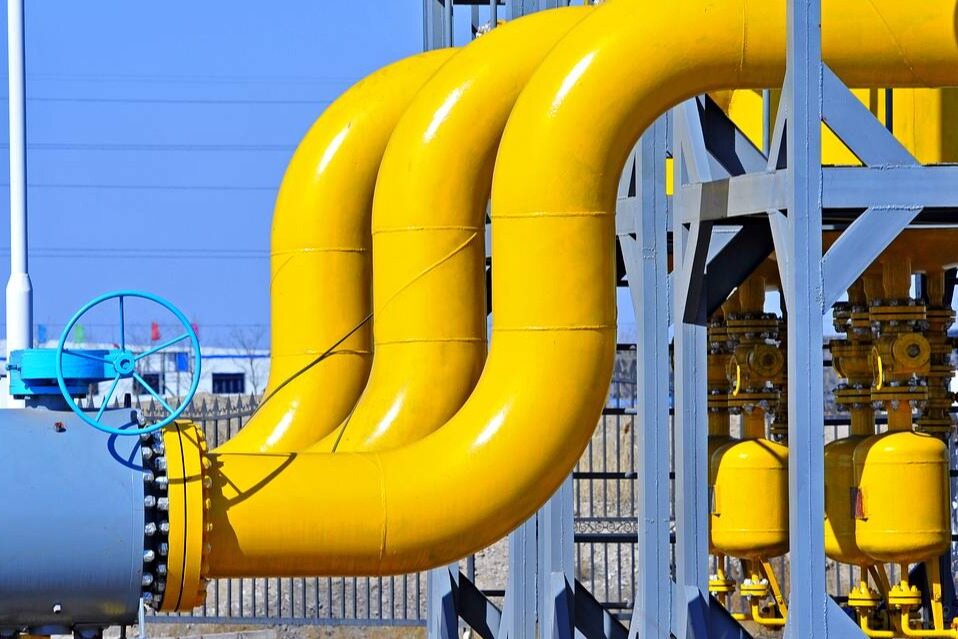
In the Eastern Province of Saudi Arabia, a natural gas pipeline connecting the Juaima export terminal and the Rastanula refinery has been in service for many years. It is like an invisible energy artery, continuously transporting associated gas and natural gas liquids (NGL) from the Abu Ghraig processing center to this giant refinery that processes 550000 barrels of crude oil per day.
But arteries can also age. In May 2026, Saudi Aramco officially released the bidding documents for the GART natural gas pipeline replacement project, with the bidding deadline set for June 30th. Multiple international contractors are preparing intensively, including Sinopec Saudi Arabia. The value of this' bypass surgery 'lies not only in replacing the 18 kilometer pipeline, but also in ensuring the safety of the heart's blood supply to the energy hub in eastern Saudi Arabia.
Replace the old double track with a new 18 kilometer pipeline
The GART pipeline network, also known as the "Abugaig Rastanula Natural Gas Transmission Network," is responsible for transporting the associated gas and natural gas liquids produced by the Abugaig crude oil processing center to the Rastanula refinery as raw materials for production.
The target of this replacement is the GART-22 pipeline, which also covers the abandoned GART-24 pipeline. The new pipeline is a 24 inch system with a total length of 18 kilometers, extending from the Zhuaima export terminal to the Rastanula terminal. The scope of work also includes the installation of pig launchers and receivers, pressure control valves, electric valves, as well as natural gas detection and sampling systems.
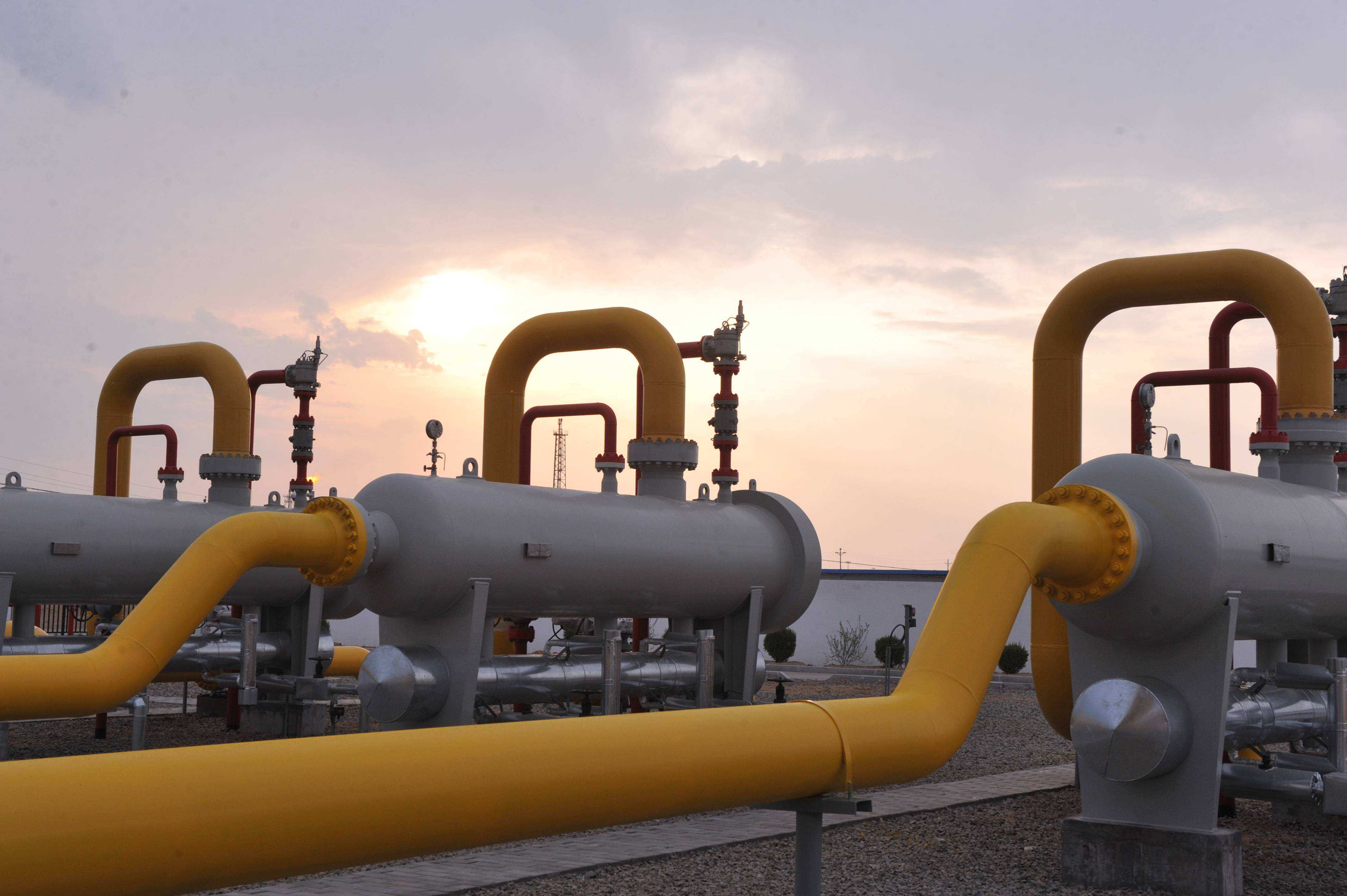
The giant fortune of a refinery
Why can replacing an 18 kilometer pipeline attract so many powerful contractors? The answer lies in the value of the terminal station.
The Rastanula Refinery is one of the oldest and largest crude oil refineries in Saudi Arabia, with a daily refining capacity of 550000 barrels. It is not just a refinery, but also a comprehensive energy complex:
A processing unit capable of processing 305000 barrels of natural gas liquids (NGL) per day; A stabilization unit capable of processing 960000 barrels of crude oil per day; A combined power generation capacity of 145 MW in summer and 158 MW in winter; A steam supply capacity of 6.217 million pounds per hour (150 pounds and 600 pounds levels); 75 crude oil and refined oil storage tanks with a total storage capacity of 5.8 million barrels.
The core refining units include: atmospheric and vacuum distillation unit with a daily processing capacity of 325000 barrels, condensate distillation unit with a daily processing capacity of 225000 barrels, hydrocracking unit with a daily processing capacity of 50000 barrels, and catalytic reforming unit with a daily processing capacity of 107000 barrels.
This refinery also has Saudi Aramco's only demulsification unit with a daily processing capacity of 60000 barrels, which can reduce residual oil and increase the production of middle distillate, heating oil, and diesel. In addition, the daily production of asphalt is 17000 barrels, ranking first among all refineries in Saudi Arabia.
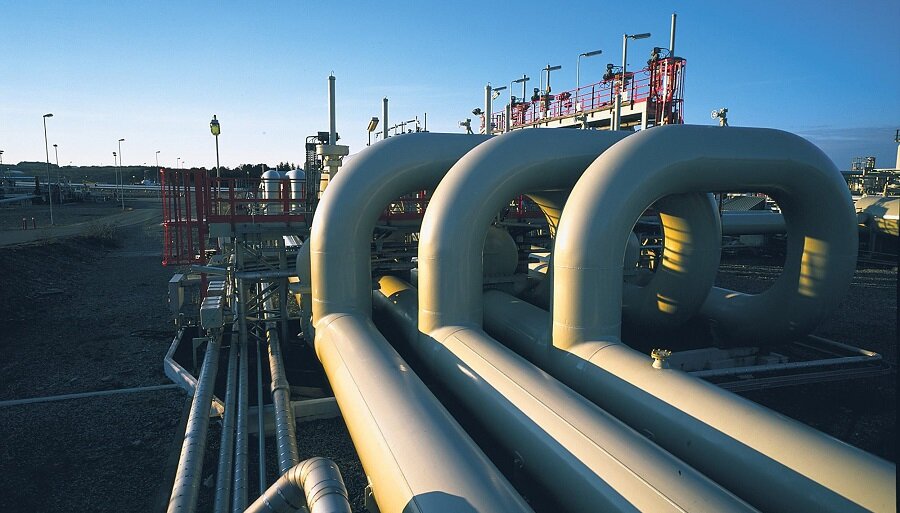
The reliability of gas supply is crucial to the energy lifeline of the eastern region
The Rastanula Refinery receives crude oil supply from the three major oil fields of Abugaig, Safania, and Manifa. Most of the products are transported to the Dalan Bulk Oil Base for domestic use, and some are exported through nearby loading terminals.
This location determines the irreplaceability of the GART pipeline - it is the lifeline for the transportation of refinery "rations" and a key node for energy exports in the eastern province of Saudi Arabia. The long-term service of GART-22 and abandoned GART-24 pipelines has increasingly highlighted the risk of aging. The replaced 24 inch new tube will significantly improve the reliability of fuel gas supply and meet the continuously growing gas demand in the region.
This bidding has attracted the participation of Chinese engineering forces such as Sinopec Saudi Arabia, reflecting the continuous deepening of Chinese enterprises in the Saudi oil and gas engineering market. The deadline of June 30th is approaching, and the answer to who will win the main surgeon qualification for this Middle East oil and gas "heart bypass" surgery will soon be revealed. Editor/Yang Beihua
Comment

 Praise
 Collect
 Comment

 Share
Share


Write something~