 Search


- The lower house of Tajikistan's parliament officially approved the investment agreement for the expansion of TBEA's gold mine this month
- Further strengthen its full industry chain layout in the field of precious metal resources in Central Asia
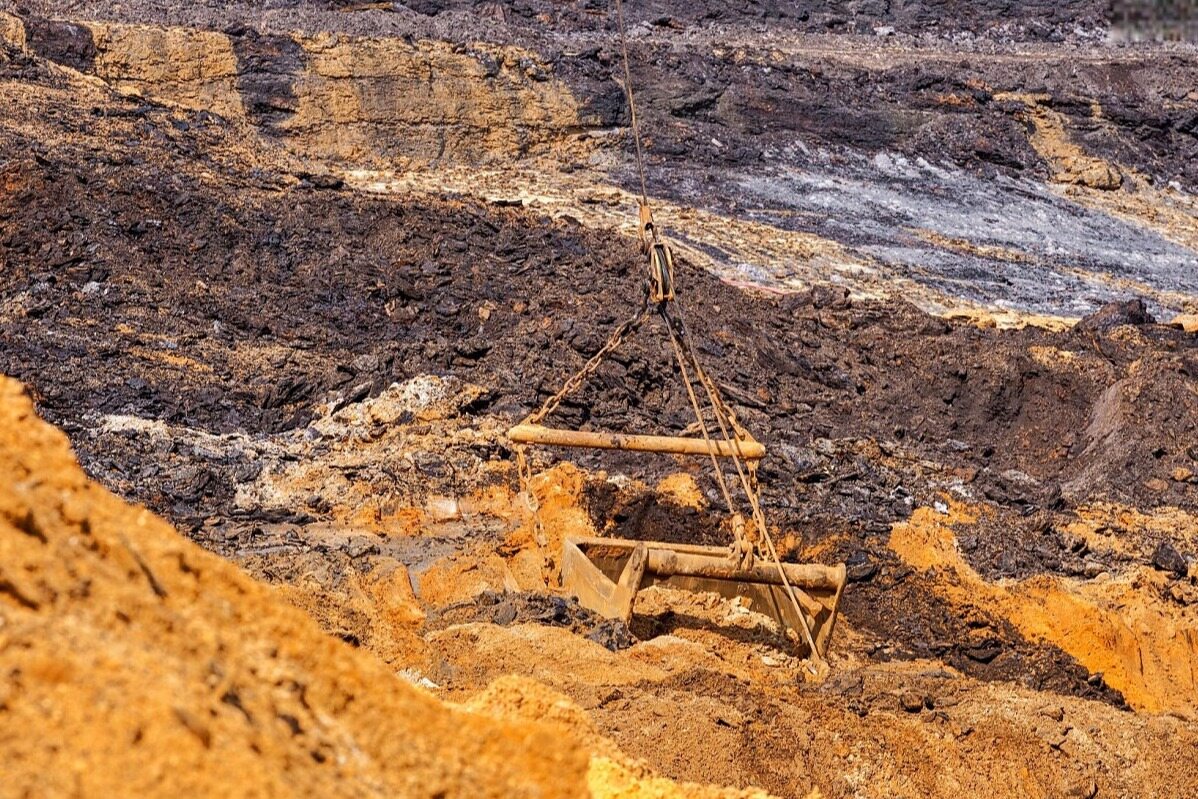
The Dushanbe Mining Company, a subsidiary of China's TBEA, has been rooted in the western foothills of the Pamir Plateau in Sug Province, Tajikistan, between mountains two to three kilometers above sea level for more than ten years. Starting from the early construction of the Dushanbe hydropower station in exchange for mining rights, to the completion of the gold and silver refining plant in 2022 and the launch of the second phase of processing in 2025, the cooperation between China and Tajikistan Mining has gradually matured from a barren land. On June 4, 2026, TBEA signed a new round of investment agreement with Tajikistan to build a new gold mine and processing complex in Ainingski District; On June 26, 2026, the lower house of the Tajikistan parliament officially approved this agreement, with a total investment of over 600 million somoni, marking a new stage of large-scale expansion of Chinese enterprises' precious metal resource layout in Central Asia.
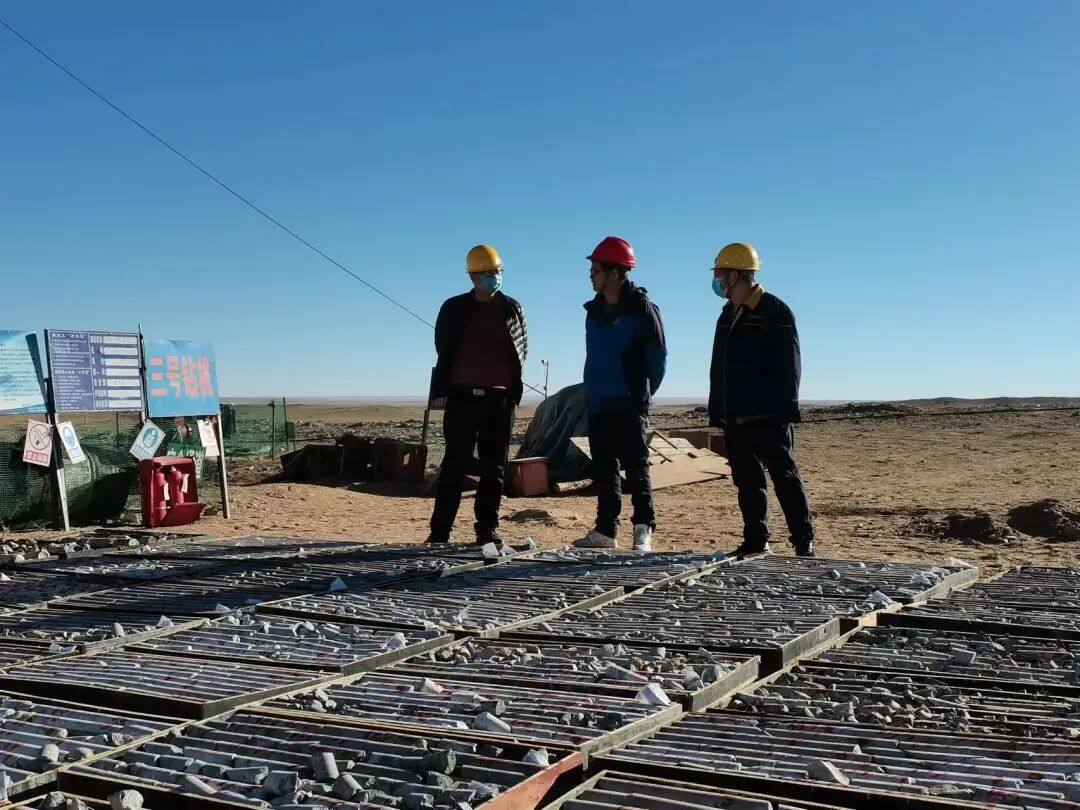
Two major high reserve gold mines support expansion of production
The core support for this expansion is the Kumargi Bolo and Duobai Sharqi gold mines, which have already been granted exploration rights by TBEA. The former is located in an area with an altitude of about 4000 meters, using open-pit mining, with a gold metal reserve of 51 tons; The latter is located at an altitude of about 2300 meters and is mainly mined underground, with a gold metal reserve of 23.7 tons. The total proven gold reserves of the two mineral deposits exceed 74 tons, and the prospective reserves are expected to exceed 100 tons, providing a solid resource base for Chinese enterprises to continue expanding production in the local area.
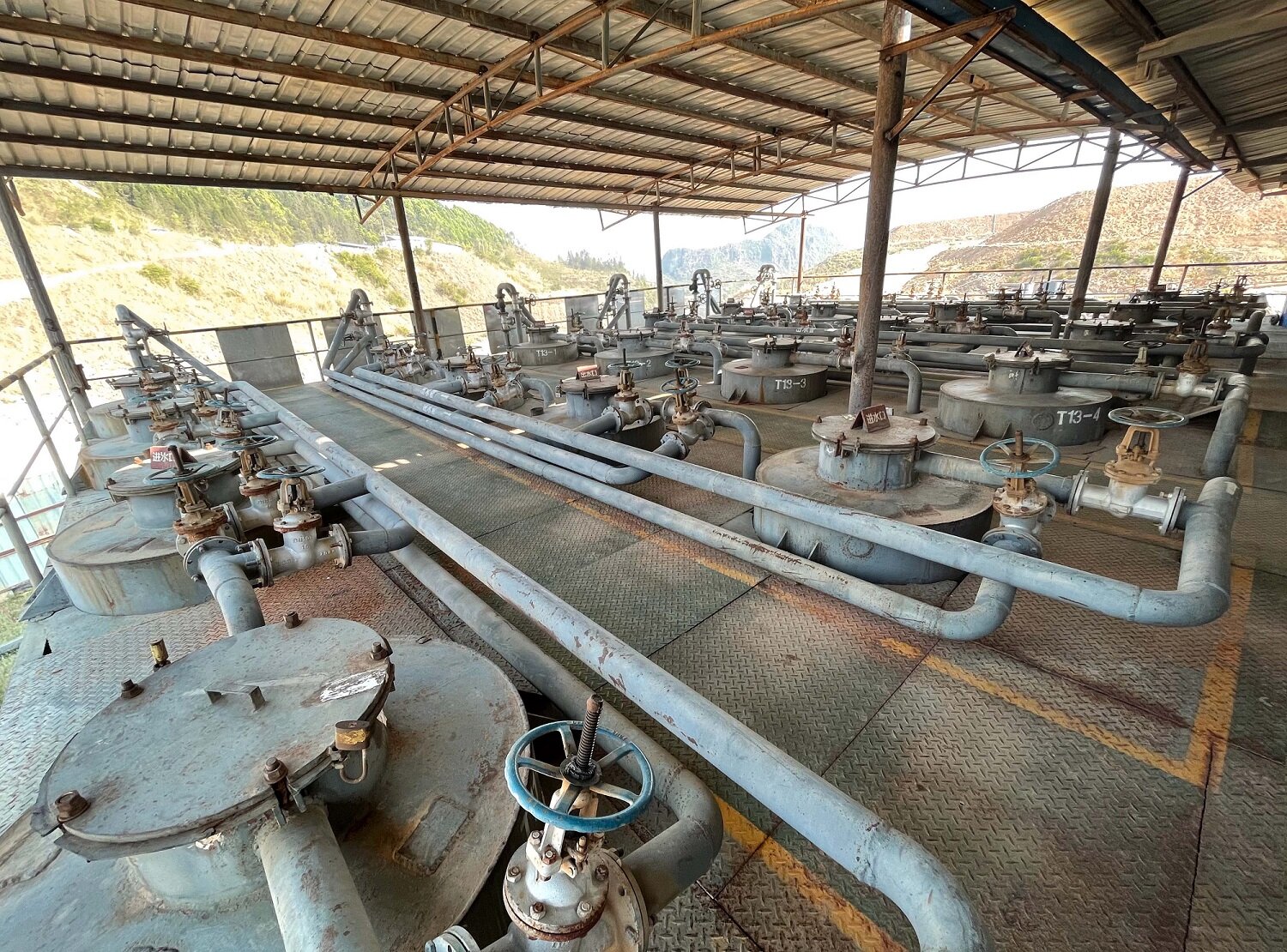
From refinery to integrated mining, beneficiation and metallurgy
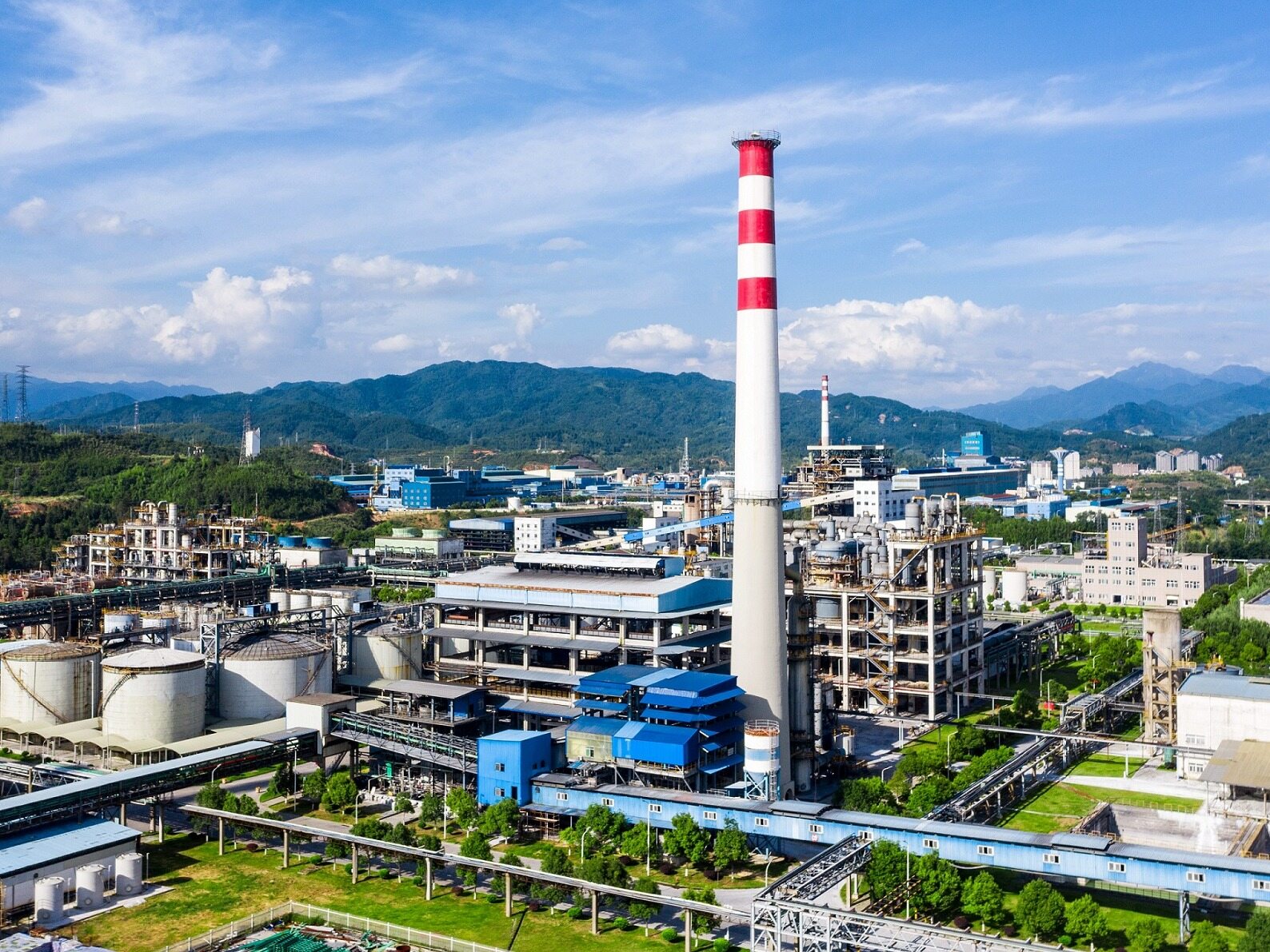
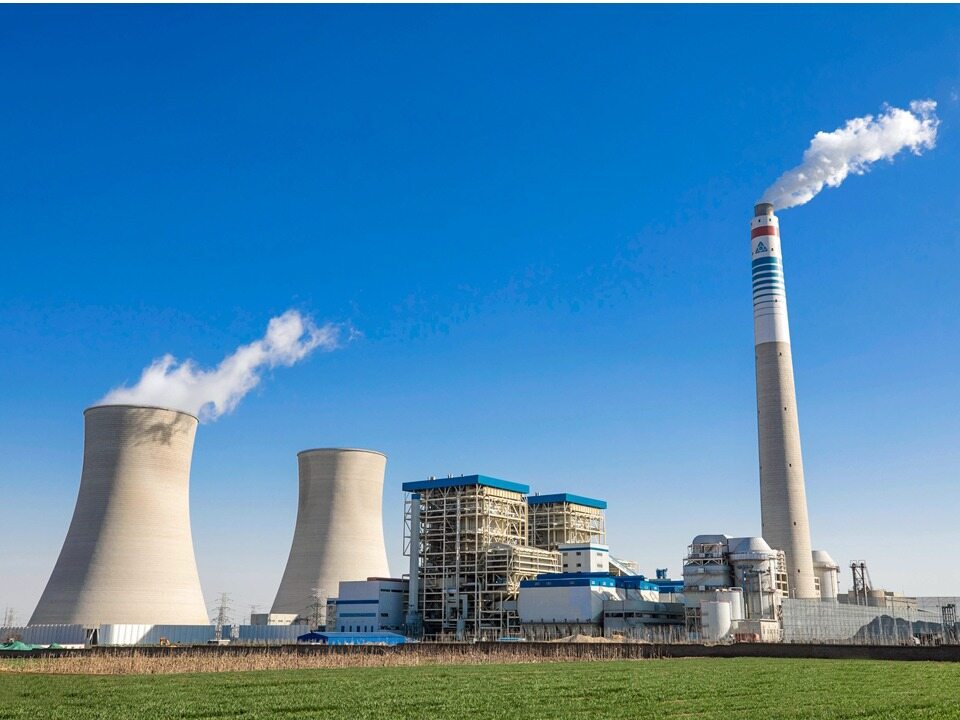
TBEA's mining investment in Tajikistan adopts a phased rolling promotion strategy: a gold and silver refining plant will be built in 2022, with an annual refining capacity of about 4 tons of gold and 1 ton of silver; Starting the second phase of precious metal processing construction in 2025, the daily ore processing capacity will be increased to 4500 tons; The approved expansion project will build a new full process processing complex including open-pit/underground mining, crushing and grinding, cyanidation leaching and smelting in the Ainingski area, further increase the mining output and deep processing capacity of ores, and form a real integrated operation of mining, dressing and smelting.keywords:Engineering infrastructure
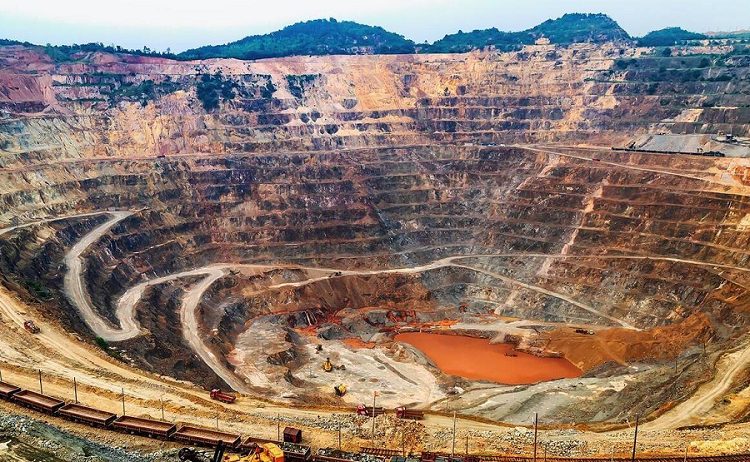
China Tajikistan Mining Cooperation for Mutual Benefit and Win Win
The continued rigid demand for global gold as a safe haven asset and industrial raw material is driving mining companies to upgrade to deep processing. Tajikistan has excellent mineralization conditions for gold mines, but due to local technology and funding limitations, a large amount of existing mineral resources have not been efficiently developed for a long time. In recent years, Tajikistan has continued to relax the access to foreign capital and attract Chinese investment to large-scale smelting projects through tax incentives and mineral rights allocation, which not only improves the domestic mining industry chain, creates jobs and taxes, but also allows Chinese enterprises to obtain stable overseas resource supply channels, becoming a typical example of mutually beneficial cooperation in the resource field under the framework of the "the Belt and Road".
With the signing of the expansion agreement, TBEA has completed the full cycle layout in Central Asia, from infrastructure construction, mining operation, processing phase II to large-scale expansion. Relying on the experience of localized operation and two high reserve gold mines, this Chinese leading enterprise, which started with power transmission and transformation and new energy, is expanding a new growth pole in overseas mineral resources and investment.Editor/Yang Meiling
Comment


 Praise
 Collect
 Comment

 Share
Share


Write something~