 Search


- Innovative construction techniques significantly reduce the consumption of supporting resources for offshore construction
- Large scale infrastructure projects for people's livelihoods have been implemented, benefiting the public and driving regional economic development
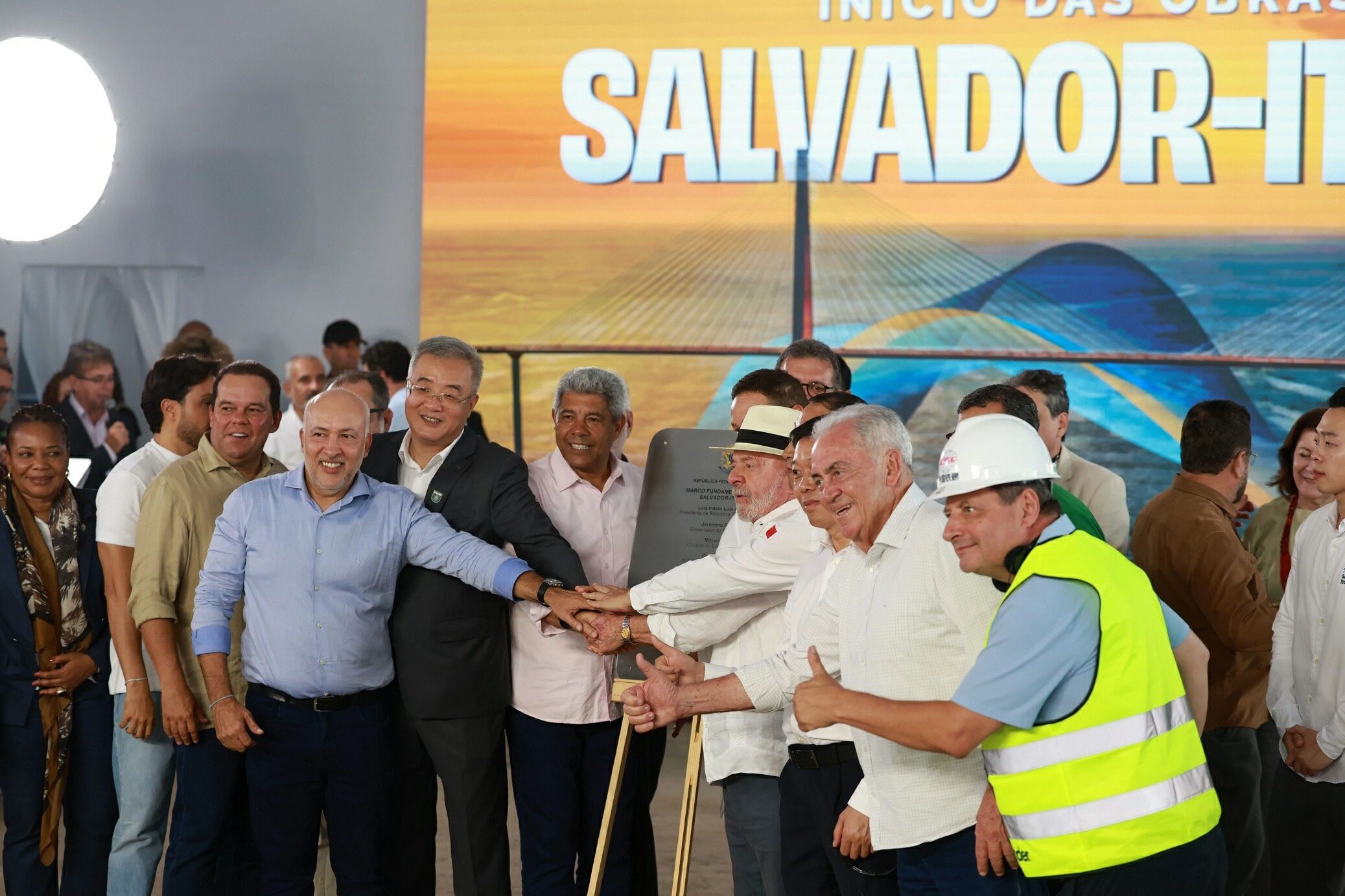
Beyond the blue waves, the rainbow lies in the sea. This century long project spanning the west coast of the Atlantic is becoming a new landmark for deepening pragmatic cooperation between China and Pakistan. The largest cable-stayed cross sea bridge in Latin America, led by CRCC, the Salvador Itaparica Bridge in Bahia, Brazil, recently broke ground in Veracruz, Itaparica Island. Brazilian President Lula, Bahia Governor Rodriguez, and representatives from various sectors of China and Pakistan gathered together to witness this historic moment that rewrote the regional transportation pattern.
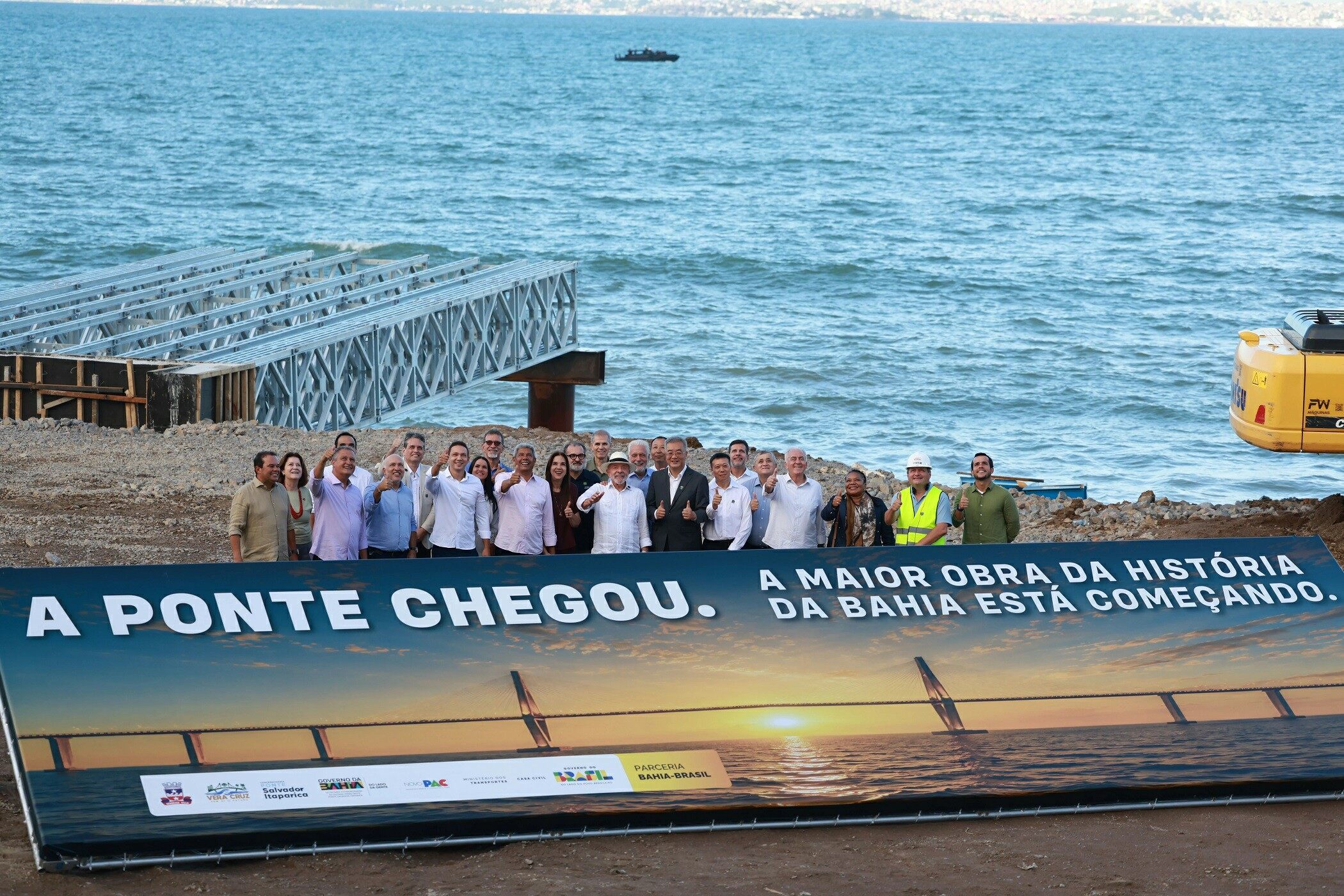
The bridge has officially started construction
On July 1, 2026, the Salvador Itaparica Bridge in Bahia, Brazil, the largest cable-stayed cross sea bridge in Latin America constructed by CRCC, officially began construction. The groundbreaking ceremony was held in Veracruz, Itaparica Island, Bahia State. Brazilian President Lula, Bahia Governor Rodriguez, federal and state government officials at all levels, as well as relevant Chinese representatives, witnessed the event together.
This project is currently one of the largest ongoing infrastructure projects in Brazil, with an estimated total investment of 11.6 billion Brazilian reals, equivalent to approximately 15.1 billion Chinese yuan. The project adopts a public-private partnership development model, jointly promoted by the government of Bahia state and Chinese enterprises.
Innovative construction reduces losses
This bridge spans the Bay of San Salvador in Bahia, connecting the city of Salvador in the state capital with the island of Itaparica on the west side, with a total length of 46.8 kilometers. This includes a 12.4-kilometer two-way six lane cross sea main bridge, 4.2-kilometer Salvadoran supporting roads, and 30.2-kilometer island roads. The main span length of the bridge is 682 meters, and the tower height is 85 meters, which can meet the navigation needs of large ships. The project also aims to create the first water-based construction platform in Latin America, which can reduce the use of auxiliary construction vessels by 70%. Keywords: Brazil, China Railway Construction, Infrastructure
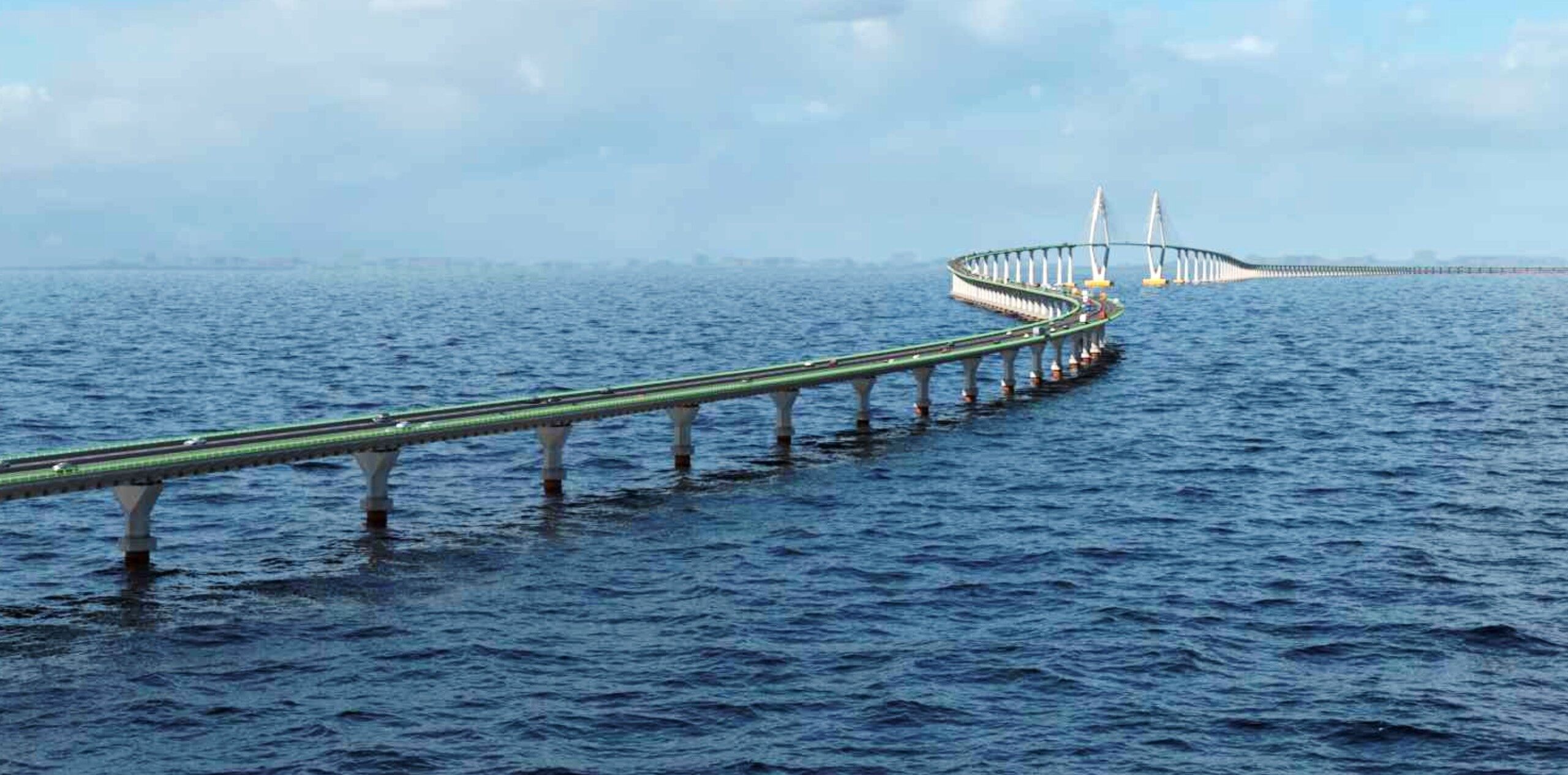
Brazilian President Lula mentioned at the construction site that this project can create development opportunities for local residents and improve their livelihoods. Governor Rodriguez added that after the completion of the bridge, the transportation distance of local agricultural products such as grain, cotton, fruits and vegetables will be shortened by up to 200 kilometers, effectively reducing logistics expenses. After the bridge is fully opened, the travel time between El Salvador and southern Bahia can be reduced by two hours, with an estimated daily traffic volume of 28000 vehicles, benefiting millions of people.Editor/Gong Ziwei
Comment



 Praise
 Collect
 Comment

 Share
Share


Write something~