 Search


- The new highway will alleviate congestion in the core area and strengthen Dubai's position as a hub for Middle East trade and investment
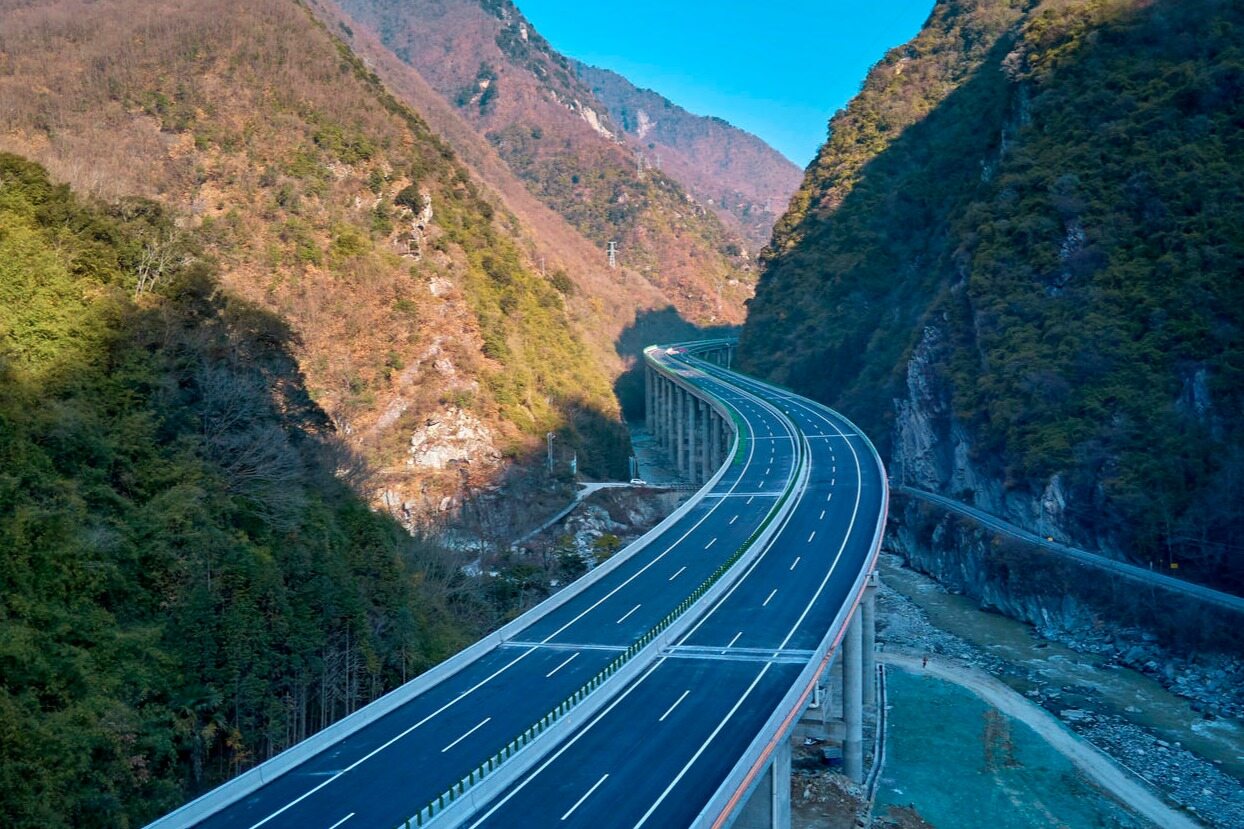
The morning sunlight spilled onto the bustling Sheikh Zayed Road in Dubai, where traffic flowed steadily yet somewhat sluggishly. On July 5, 2026, an official announcement by the Dubai Executive Council introduced a groundbreaking solution to alleviate the city's traffic congestion—a new initiative, the Al Hail Highway Development Project, was officially launched. This parallel artery to the city's major thoroughfare is not merely an extension of concrete and steel but a pivotal move for Dubai's Vision 2030, deepening trade and economic ties with China and the global community.
The new arterial road diverts millions of vehicles
As a key infrastructure project in Dubai, the Al-Hail Road will feature a 15-kilometer-long viaduct expressway. Adjacent to the existing Sheikh Zayed Road, it will have three lanes in each direction, with a design capacity of up to 9,000 vehicles per hour.
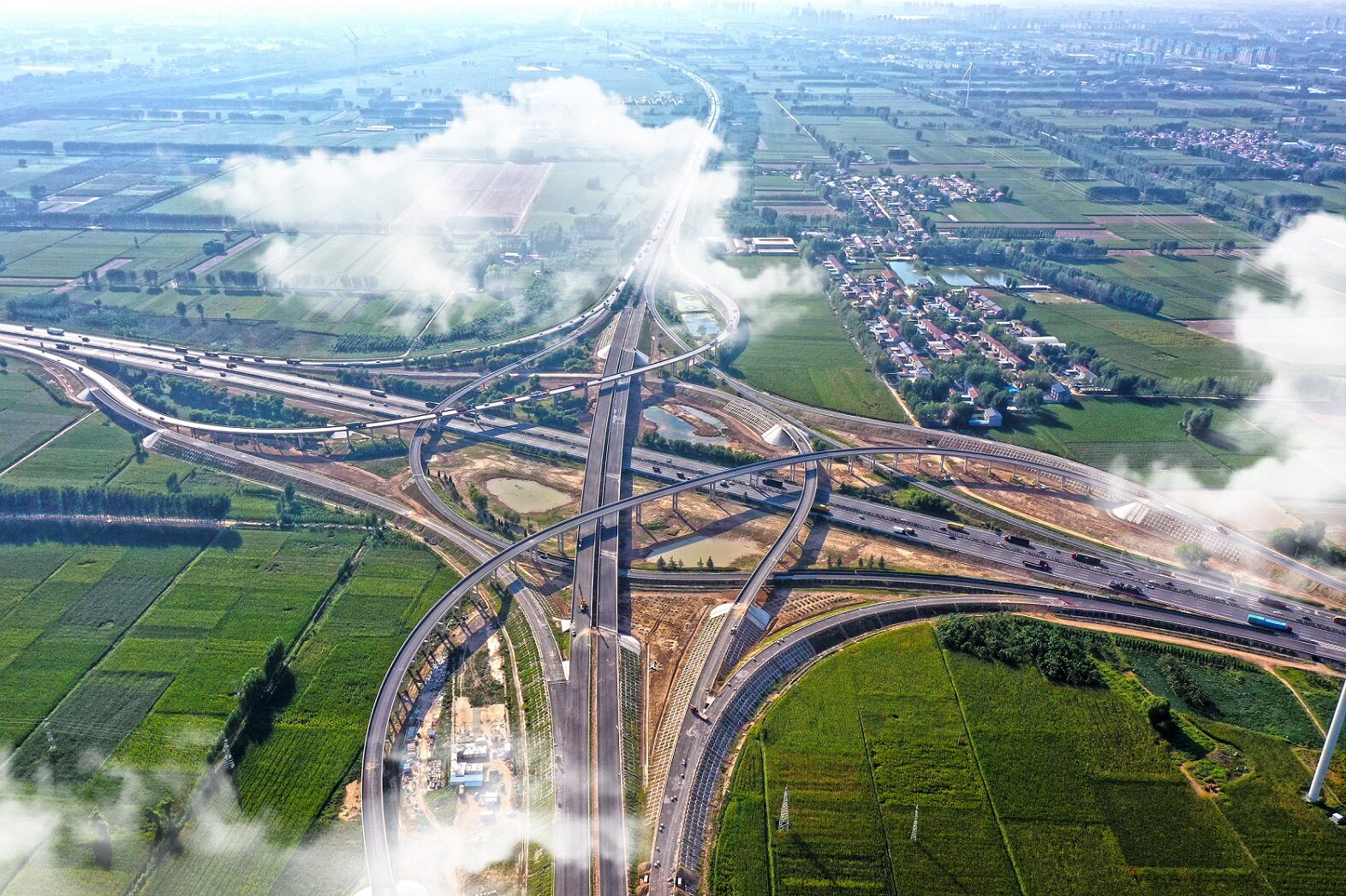
This new arterial road will directly serve key bustling areas such as Al Barsha, Al Quoz, Business Bay, and Madinat. Data predicts that after its completion, peak-hour travel time on the main thoroughfare will be significantly reduced by 51%, fundamentally transforming the daily commute experience for Dubai's commuters.
Qianyuan Pan Activates Urban Expansion
This road construction project is not an isolated initiative but is deeply embedded within Dubai's comprehensive development plan, which spans a total of 18 billion dirhams. As Dubai's urbanization and commercial industries continue to expand, the saturation of traffic flow on key arterial roads has become the norm, making traffic upgrades an imperative necessity.
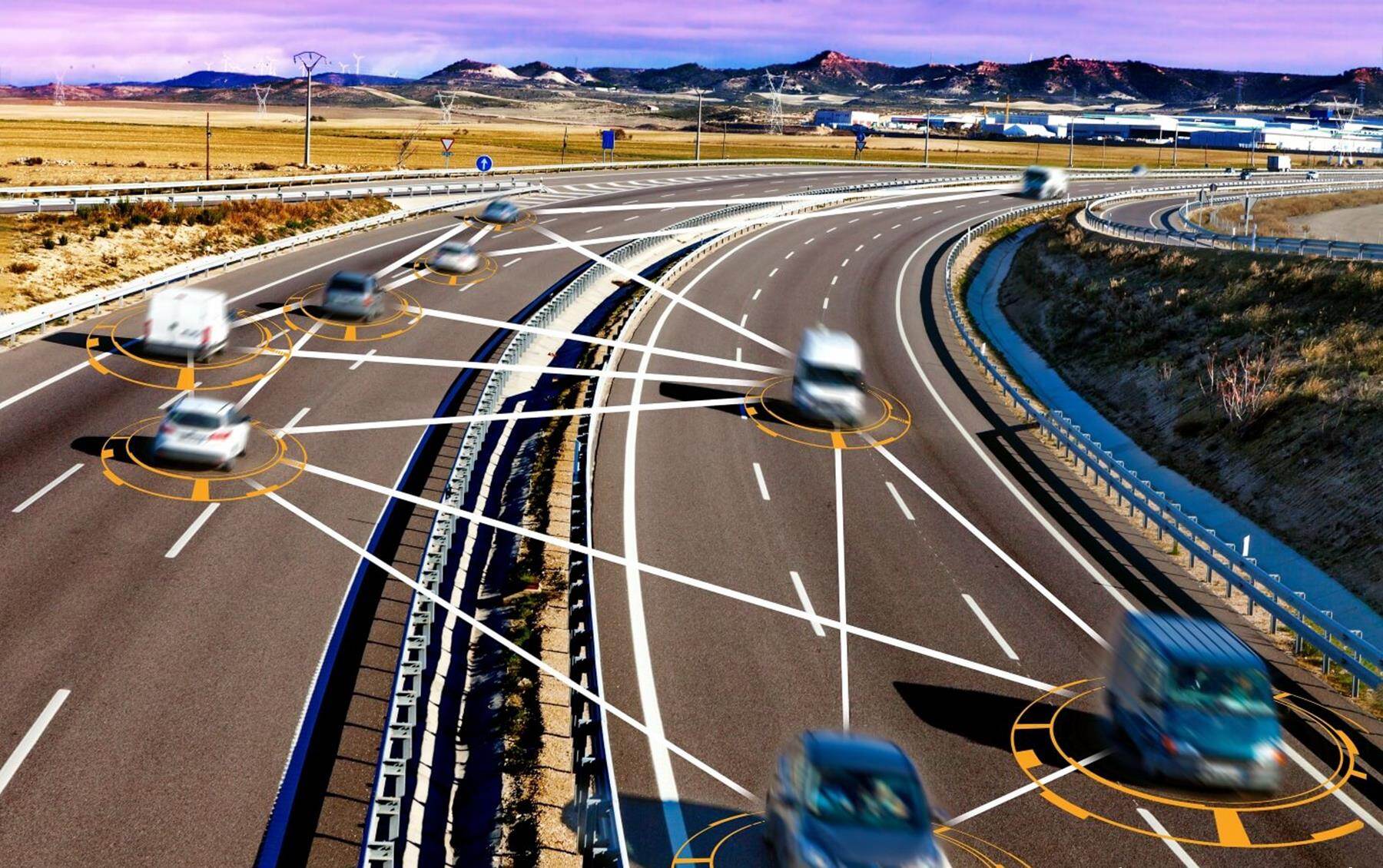
The project is scheduled to commence in the third quarter of 2027 and is expected to be completed by 2030. As a core urban transportation upgrade initiative, it will collaborate across diverse sectors such as trade, finance, and urban planning to lay the foundation for Dubai's enhanced urban functionality and optimized business environment.
Hard connectivity strengthens the hub position
An efficient transportation network is the lifeblood of trade and commerce. The completion of the Al-Hail Highway will address the shortcomings in commuting and logistics within Dubai's core districts, breaking down barriers between business, residential, and commercial areas. Keywords: Engineering Information、Construction News
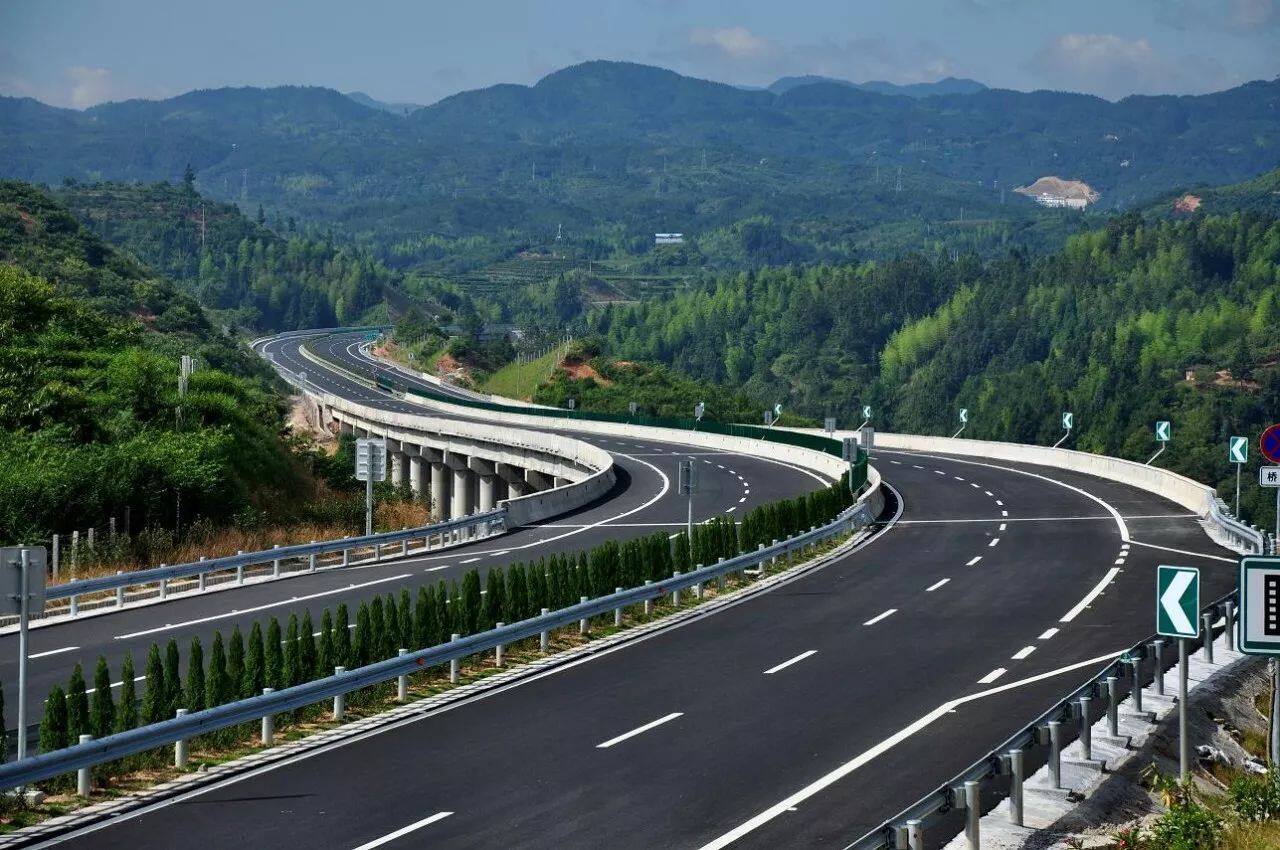
R1: The Belt and Road must be translated as the Belt and Road. This not only reduces local logistics costs but also creates a more favorable business environment for international investors, including Chinese enterprises. As the roads are fully completed by 2030, Dubai's position as a hub for trade and investment in the Middle East will become increasingly solidified, continuously laying a robust infrastructure foundation for industrial cooperation and economic growth between China and the Arab world under the Belt and Road framework.Editor/Gao Xue
Comment

 Praise
 Collect
 Comment

 Share
Share


Write something~