 Search


- Upgrading China Africa mining cooperation from resource trade to co building digital capabilities across the entire industry chain
On July 2, 2026, in the conference room of Beijing Guolian Digital Economy Headquarters, Baltazar Nyanuye, Director General of Burundi Mining Bureau, solemnly signed the cooperation agreement. The signing of this document marks the cooperation between Burundi, a landlocked country in East Africa, and China's industrial Internet platform, moving from resource trade to a new stage of full chain capacity building.
Digital empowerment to break through mining bottlenecks
Although Burundi is a small country, it contains amazing underground wealth. The proven reserves of nickel ore reach 261 million tons, with a grade of about 1.5%, ranking sixth in the world; Rare earth reserves rank ninth in the world, and the weathered crust ion adsorption type deposits in Kayanza Province are considered an emerging and stable source of global supply chains.
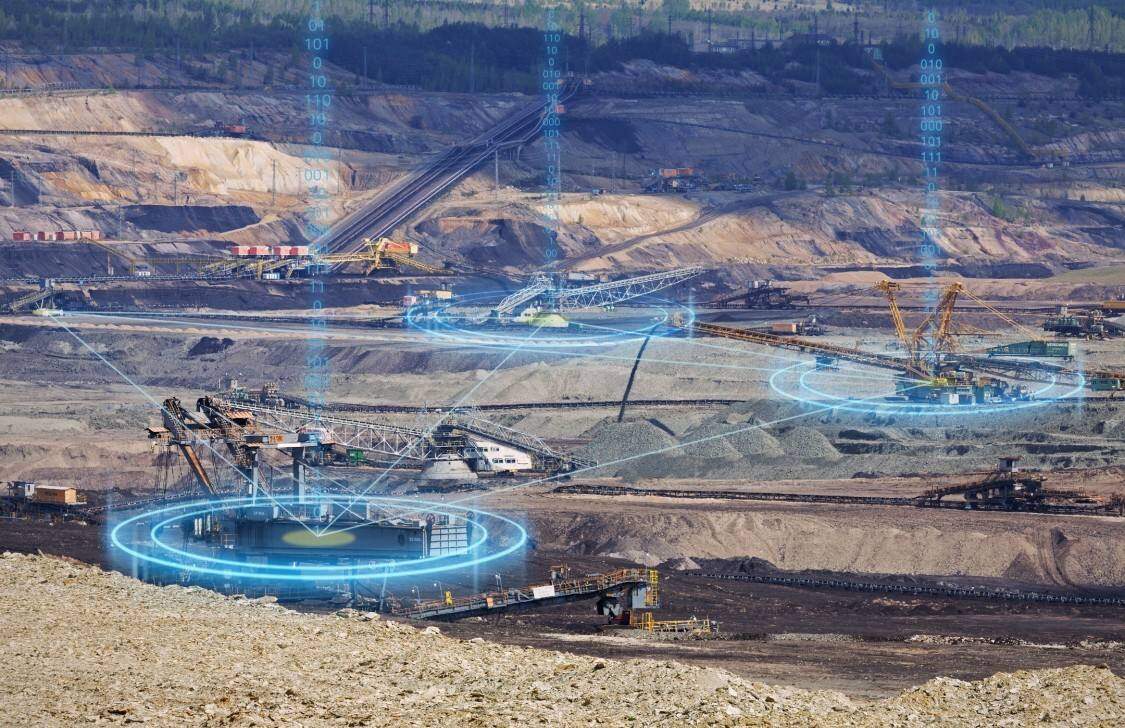
However, the backwardness of exploration technology, weak detection capabilities, and low degree of digitization have long constrained the release of resource potential. In June 2026, the Burundi Parliament approved a new fiscal year budget of 70.2 trillion Burundi francs, and the expected growth of mining revenue became an important support. In this context, Burundi urgently needs a systematic industrial upgrading program. Guolian Corporation has become a key partner with its accumulated cross-border supply chain services and digital technology experience in South Africa, Pakistan, Uzbekistan, and other places. Previously, Burundi's ambassador to China, Tresfer Ilambona, had clearly stated in the business exchange that he expected to use the platform to enhance the value of the industrial chain.
Whole chain upgrade reshapes cooperation paradigm
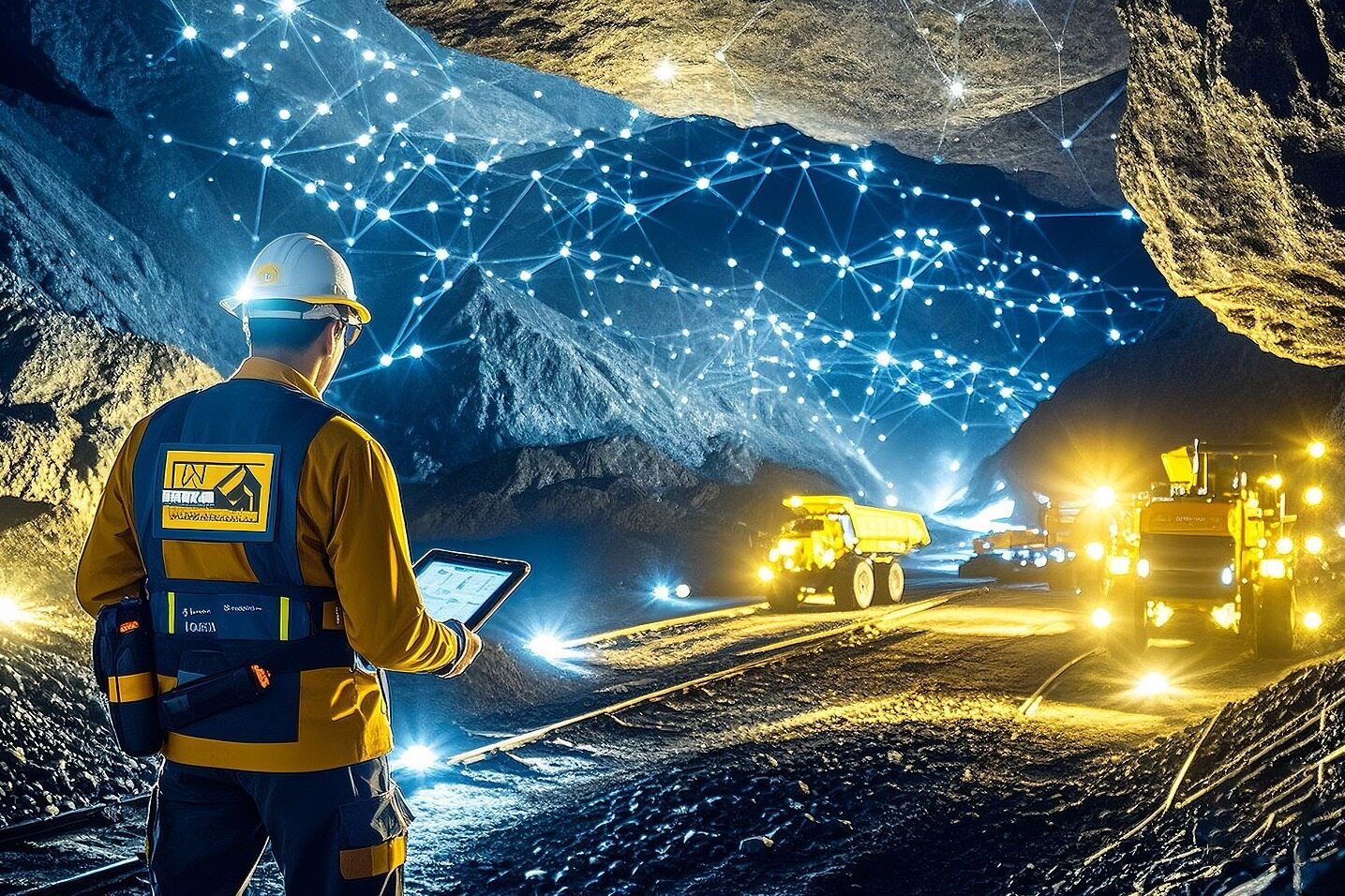
This agreement goes far beyond the scope of traditional mineral procurement. The first phase of cooperation focuses on capacity building. Guolian will assist Burundi to establish or upgrade mining detection laboratories, introduce advanced ore analysis and grade detection equipment, and jointly build a digital exploration technology system to significantly improve the accuracy and efficiency of resource exploration.
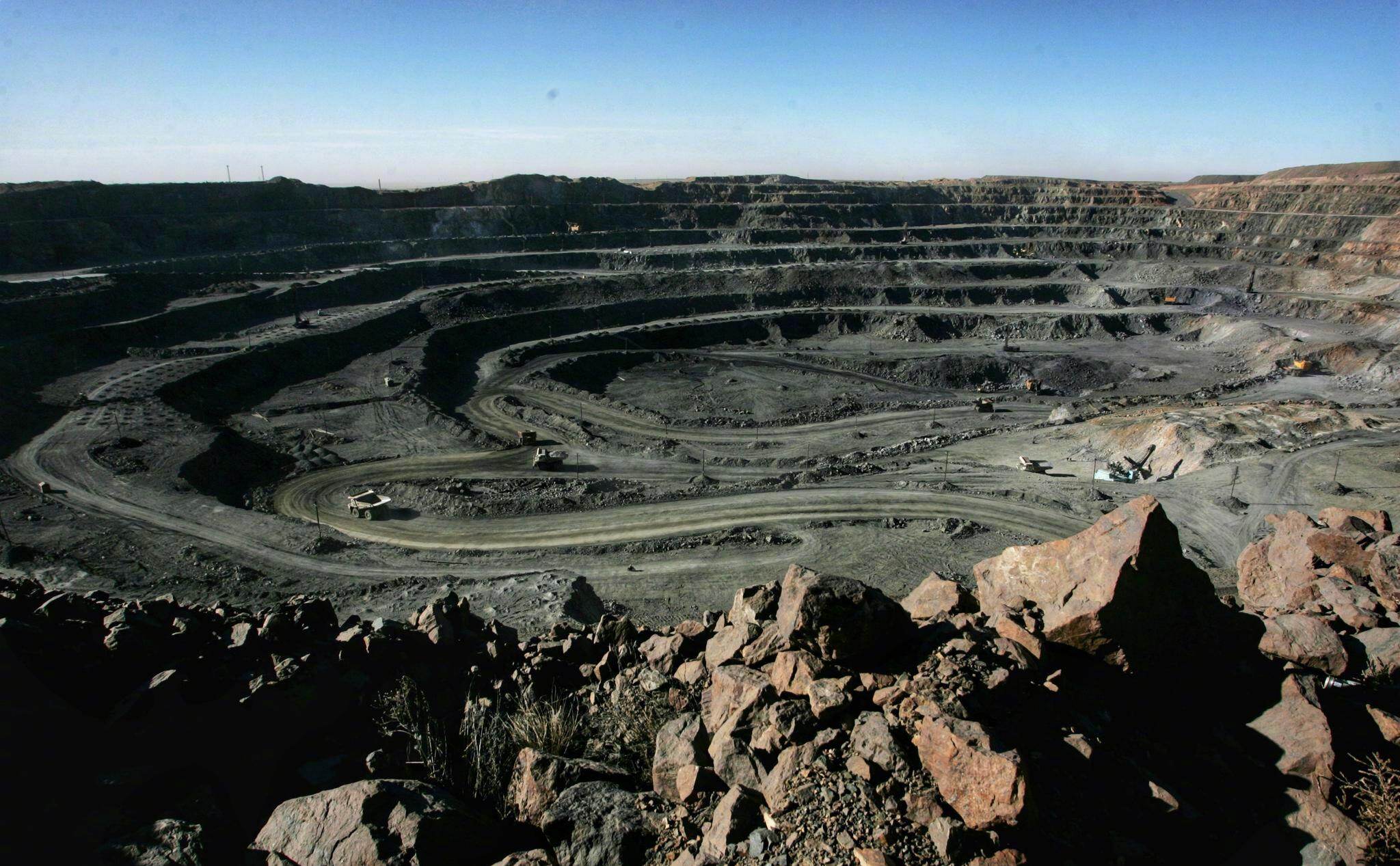
The second stage focuses on green development and industrial cultivation, promoting the integration of mining environmental standards with international standards, and cultivating a local industrial chain from exploration, mining to processing, connecting with high-quality global industrial resources. Liu Zhai, the director and senior vice president of Guolian, stressed that the cooperation will strictly follow the laws and regulations of China and Burundi, respect the national mineral sovereignty of Burundi, and rely on digital technology, industrial resources and supply chain advantages to help it transform resource advantages into development momentum.
New chapter on the Silk Road activates development momentum
When Burundi's nickel mines and rare earths are directly connected to the global market through the digital platform, and when the resource development is on a standardized and green track, the significance of this cooperation has gone beyond the commercial agreement itself. It confirms that China's digital technology is becoming the core driving force for the modernization of Africa's mining industry. Keywords: the Belt and Road news, digital mining

As a practical achievement under the the Belt and Road Initiative, this cooperation abandoned the old model of single resource output and created a new paradigm of technology transfer, capacity building and green development. With the roar of laboratory equipment and the flow of intelligent exploration data, Burundi's General Mining Administration and Guolian are shaking hands and writing a new footnote of the digital silk road on the East African plateau.Editor/Gao Xue
Comment





 Praise
 Collect
 Comment

 Share
Share


Write something~