 Search


- In the first five months of 2026, domestic robots set a new high for going global

In the first five months of 2026, the data of domestic robots going abroad directly reached a new height, with the total export volume of industrial robots reaching 107000 units, a year-on-year increase of 47.2%, and the export value exceeding 21.2 billion yuan, with a growth rate far behind the overall performance of mechanical and electrical products during the same period.
The increase in the service track is even more exaggerated, with the total export value of household and commercial special robots in the first half of the year increasing by 62% year-on-year, and the core components of humanoid robots directly doubling. The market covers more than 150 countries and regions, with the EU and ASEAN firmly occupying the top two export destinations. The growth rate of emerging markets has all exceeded 70%, while the traditional European and American market share remains stable at around 38%.

Consumer grade products first grasp the global market fundamentals
Cleaning robots are currently the absolute mainstay of exports, with a single category export value exceeding 14 billion yuan, accounting for over 70% of the total export value.
By relying on fully autonomous and controllable technologies such as autonomous navigation and automatic dust collection, domestic products accurately adapt to the needs of different layouts and floor materials in Europe, America, and Southeast Asia, accumulating a dual advantage of experience and cost in the global consumer market. Nowadays, domestic brands account for over 60% of the high-end cleaning robot shelves in many mainstream overseas channels, basically squeezing the survival space of overseas brands to the edge.
Industrial and cutting-edge tracks take over, opening up long-term space
The growth potential of industrial robots is rapidly being released, with an export volume of nearly 70000 units in the first five months, and the landing scenarios are shifting from traditional automobile manufacturing to more segmented industries. Visual recognition assisted handling robots have entered a large number of overseas infrastructure projects, while welding robots with automatic scanning can real-time retrieve the optimal process path. Collaborative robots have penetrated rapidly in light industry scenarios such as food and medicine.
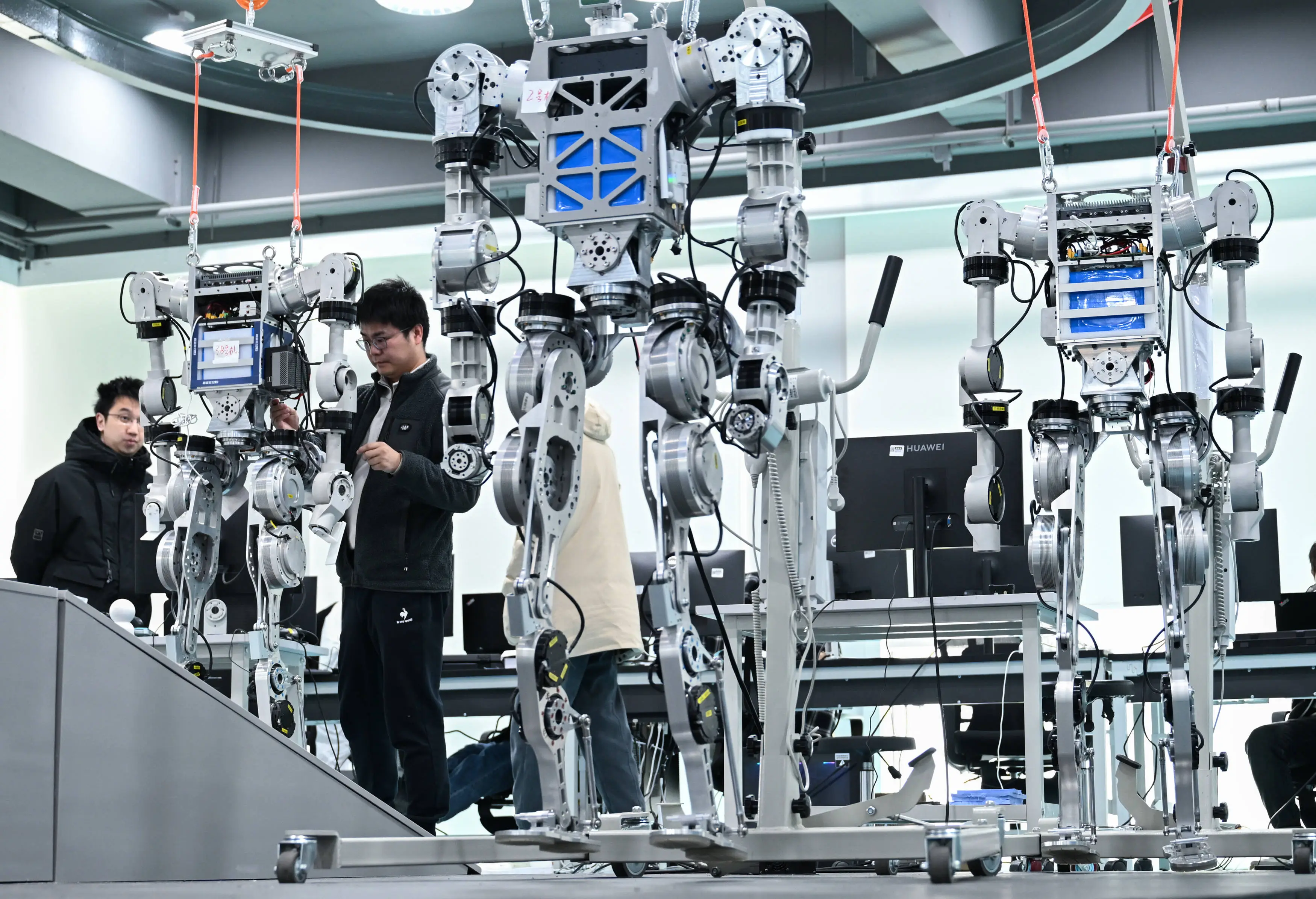
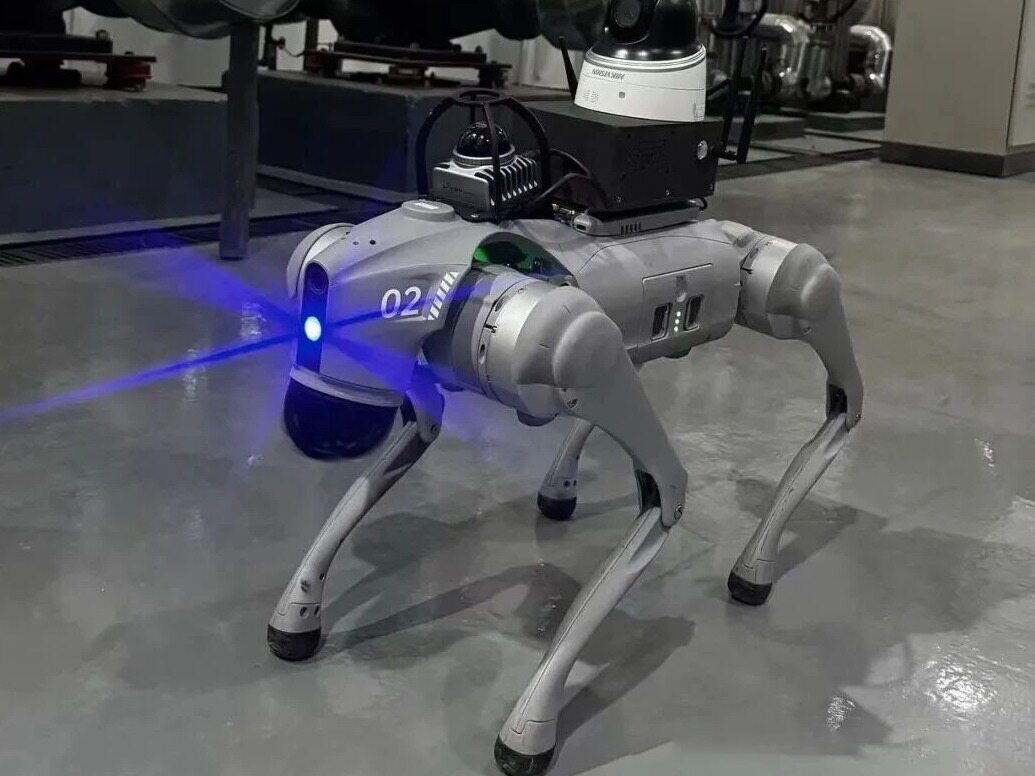
The export volume of intelligent bionic robots has also reached 8000 units, covering scenarios such as equipment inspection, scientific research and teaching. The advantage of supporting the entire domestic industry chain is still expanding, and no one can easily catch up with the cost control ability from core components to complete machines. Chinese robots are gradually reaching the edge of the discourse power in industry rule making from followers in the global market. Keywords: Chinese robots, industrial robot exports
This wave of collective explosion across the entire track is not the accidental rise of a single category, but the concentrated realization of the domestic robotics industry after years of accumulated technology, which has opened up a new growth channel for China's high-end manufacturing to go global.Editor/Cheng Liting
Comment






 Praise
 Collect
 Comment

 Share
Share


Write something~