 Search


- Intelligent detection eliminates human errors and promotes the standardized development of the biomass energy industry
- The high cost proportion of biomass fuel directly determines the purchase price of raw materials based on quality inspection results
The joint research and development of Xinchan Investment New Energy and Harbin Engineering University has been completed, and the first intelligent detection vehicle for biomass fuel in China has been put into operation. The vehicle can complete the entire process of sampling, screening, testing, and sample retention in one go, and can provide complete testing data such as fuel soil content and moisture content in just over ten minutes. On the other hand, the traditional manual testing mode takes up to one to two days for the analysis of a single batch of vehicle materials, and the efficiency gap is very obvious.
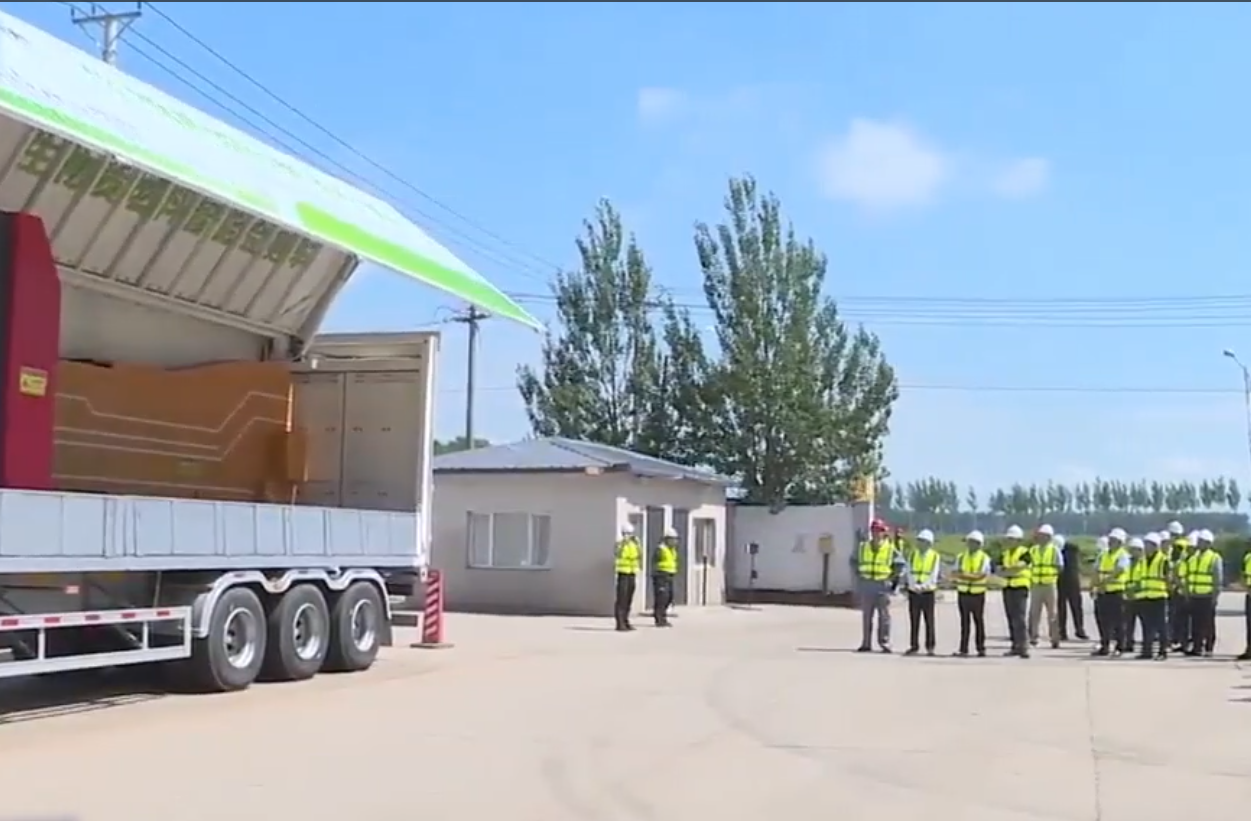
The drawbacks of traditional quality inspection are highlighted
In the biomass power generation industry, fuel procurement expenditure accounts for more than 70% of the total cost of enterprises, and the pricing of straw raw material procurement is completely determined by the quality of the fuel. The purchase price of pure straw is higher, and if the raw materials are mixed with soil or have excessive moisture, the purchase price will be directly lowered. In the past, the quality of raw materials could only rely on the naked eye observation of staff and subjective judgment based on experience, and pricing lacked objective data support, leaving a lot of room for human operation. Keywords:Equipment,Construction machinery,Engineering equipment
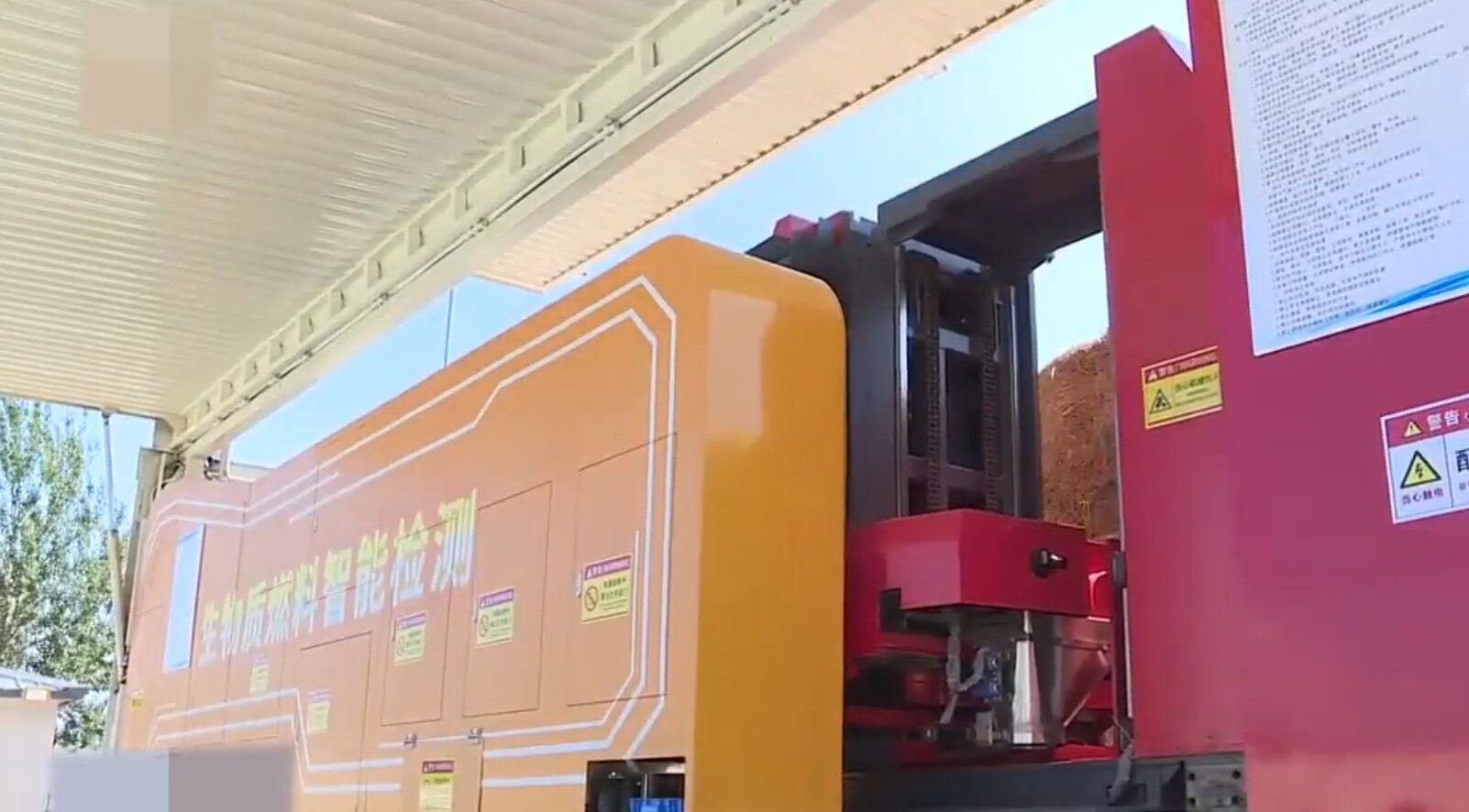
Industry development welcomes innovation
After the intelligent detection vehicle is implemented, the quality inspection process of biomass fuel will be standardized and transparent, completely resolving the two major pain points of low detection efficiency and large human intervention that have long existed in the industry. This equipment provides objective quantitative basis for the purchase of biomass raw materials, regulates the order of upstream and downstream transactions, and plays a key role in promoting the standardization and sustainable development of the entire biomass energy industry.Editor/Gong Ziwei
Comment





 Praise
 Collect
 Comment

 Share
Share


Write something~