 Search


- Verify the overseas construction strength of China's high-end excavation equipment
- Also press the acceleration button to alleviate congestion on the high-speed railway in central South Korea
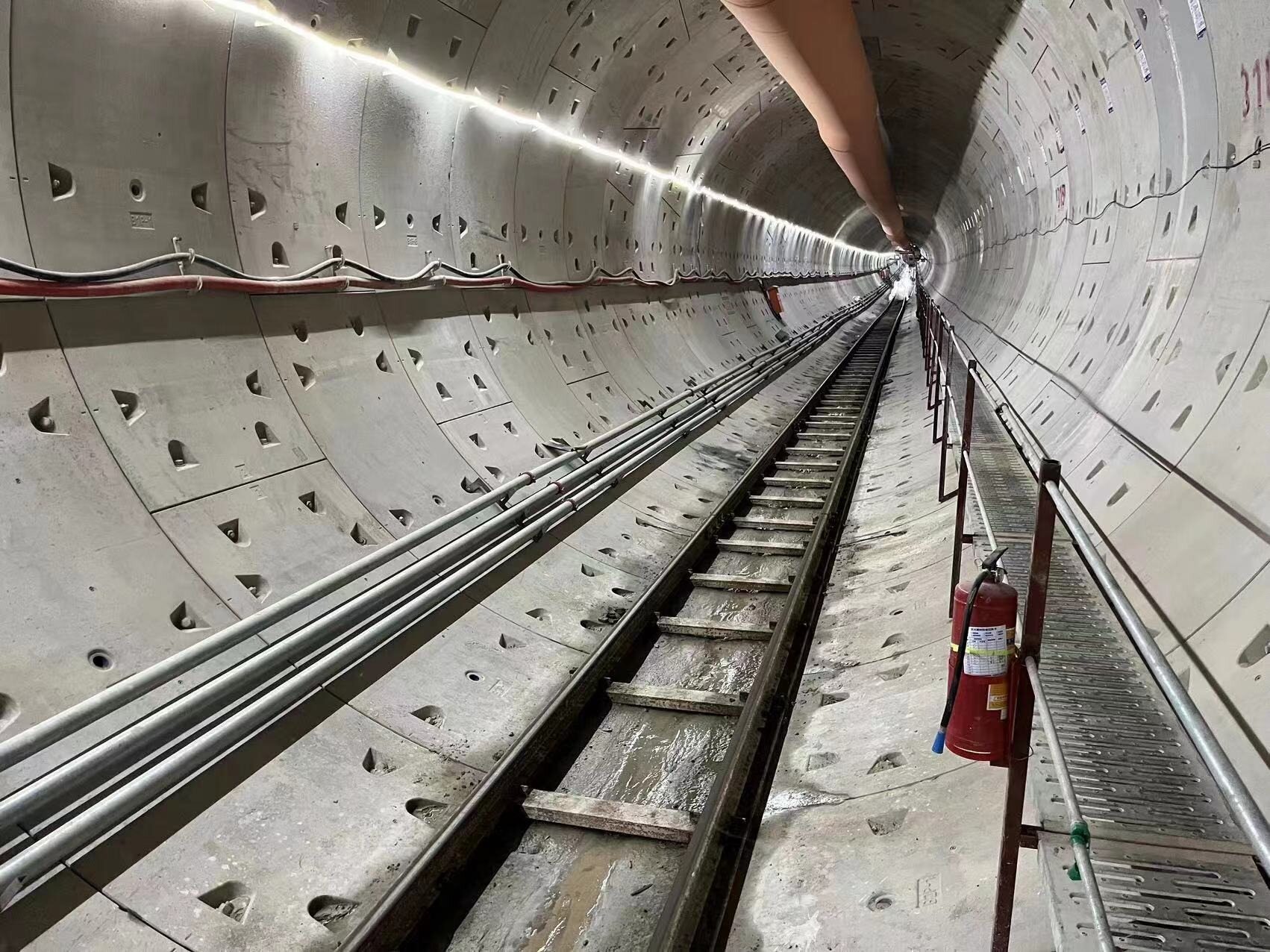
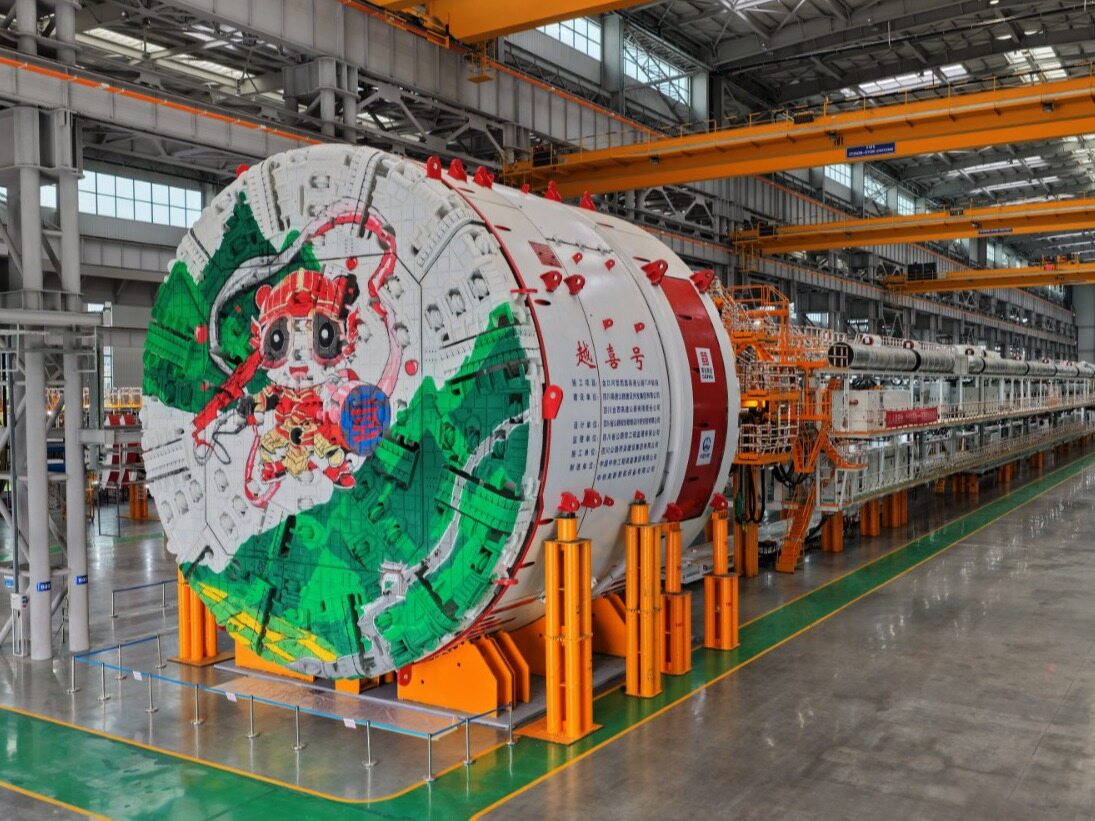
Deep underground in Chungcheongbuk do, South Korea, the blade slowly stops for the last turn. At the moment when the rock wall was chiseled through, a ray of light shone through from the opposite side - the first open type TBM independently developed by China Railway Construction Heavy Industry for export to South Korea completed all its excavation tasks on the Pingze to Wusong double track railway project, achieving precise tunnel penetration.
A hard bone that is difficult to chew
This tunnel is not easy to deal with. The surrounding rock of the construction area is mainly composed of high hardness granite and gneiss, with a maximum uniaxial compressive strength of 207.3 megapascals and a quartz content of 26.6% -42%. High hardness and strong abrasion resistance mean that tool wear is fast and rock breaking efficiency is difficult to guarantee; And there are also multiple fractured zones distributed in the construction area, with broken and unstable surrounding rock, and the risks of collapse and water influx always hanging overhead. The combination of two extreme geological conditions, hard and fragmented, is a rigorous test for any excavation equipment.
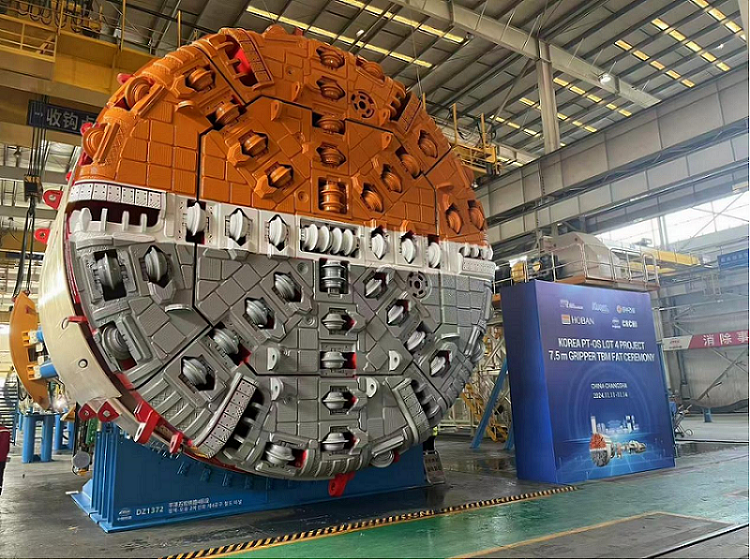
Tailored for extremely hard rocks
Faced with extremely hard rock geology and special working conditions for underground assembly, CRCHI has focused on the design aspect. The technical team conducted multiple rounds of preliminary discussions and implemented customized development of all components of the equipment: the high-power cutterhead drive system provides continuous rock breaking torque, the heavy-duty wear-resistant rolling cutter responds to strong abrasion caused by high quartz content, the strong support propulsion system stabilizes the machine body in fractured rock, and the efficient slag removal system ensures continuous operation rhythm. At the same time, a modular structure design is adopted to enable the smooth assembly of large equipment even in narrow underground wells. The reliability, rock breaking ability, operational stability, and adaptability to underground assembly of the entire machine are synchronously improved.
The arrival of equipment is just the beginning. CRCHI has established a specialized overseas service team to root in the front line of construction, implementing a two shift system for round the clock duty; The relevant department heads have visited the site multiple times to supervise and inspect, ensuring that the excavation is not stopped and the service is not disconnected.
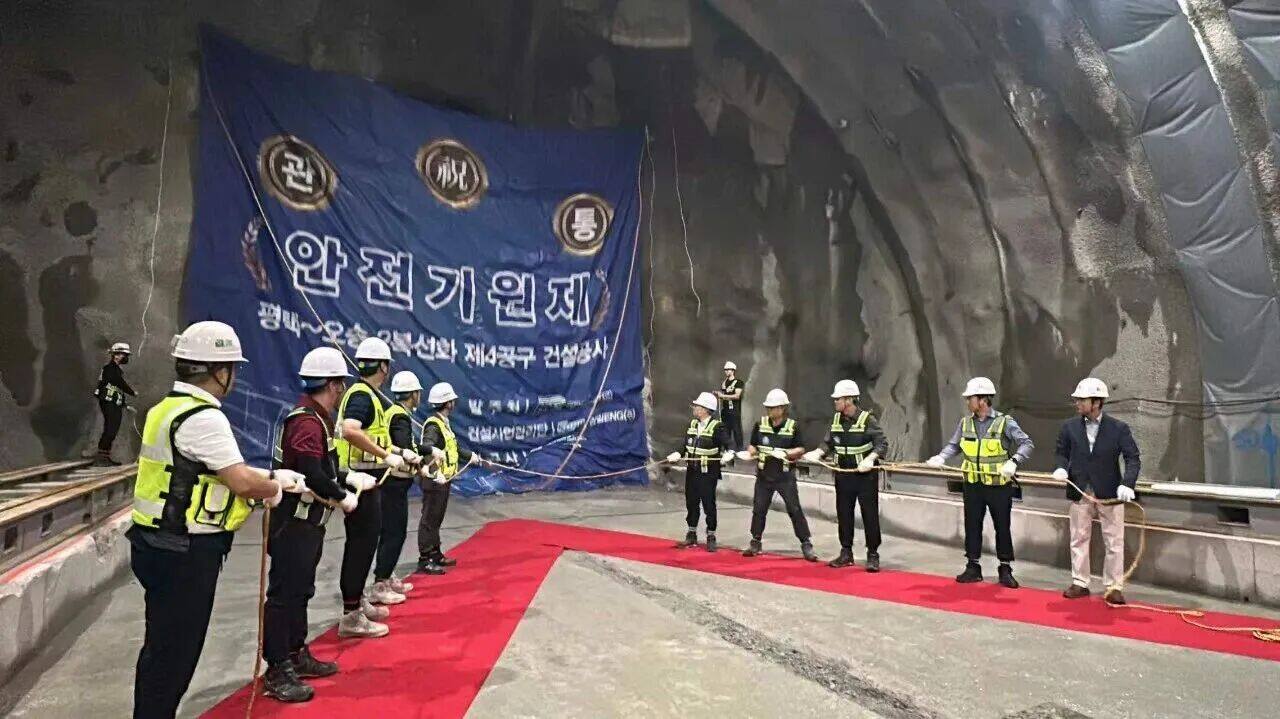
Value after integration
The significance of this tunnel goes beyond the project itself. The Pingze to Wusong section is the confluence of the Jingbu Expressway and the Shuixi Pingze Expressway, and the line's transportation capacity has been saturated for a long time, which is recognized as a bottleneck in South Korea's high-speed rail network. The project plans to build approximately 46.9 kilometers of high-speed railway underground on existing lines, with a total investment of approximately 3.2 trillion Korean won. The goal is to open the railway by 2028, and the daily operating frequency of high-speed trains is expected to increase from 190 to 380 after completion. After the tunnel is completed, the congestion of multiple high-speed railway lines in Jingbu, Hunan, and Shuixi Pyeongtaek will be effectively alleviated, and the traffic bottleneck in central South Korea will be cleared. The improvement of regional road network and commuting efficiency will benefit simultaneously.
At almost the same time, CRCHI and China 15th Metallurgical Group Corporation jointly built the first non-ferrous metal mining TBM in Africa, China Nonferrous Metal No.2, which set a record of 422.4 meters of footage per month at the Chambishi copper mine in Zambia. In the midst of a breakthrough, domestically produced high-end excavation equipment is delivering its answers one after another in extreme working conditions overseas.Editor/Yang Meiling
Comment

 Praise
 Collect
 Comment

 Share
Share


Write something~