 Search


- The full chain deployment of natural gas infrastructure promotes Nigeria's industrialization and energy transformation
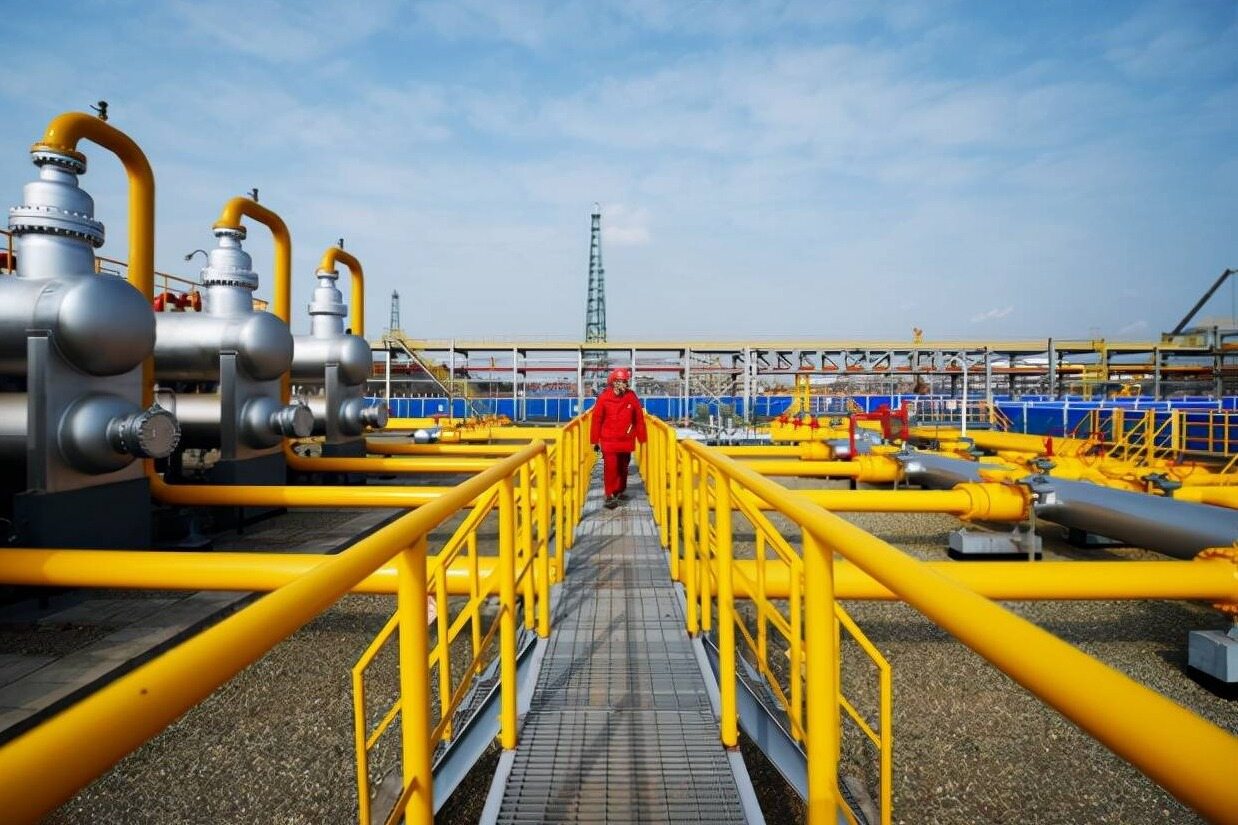
At the Nigeria Oil and Gas Energy Week themed sub forum held in Abuja, Oluwole Adama, Executive Director of the Midstream and Downstream Natural Gas Infrastructure Fund, revealed an exciting set of data: the institution has invested in and landed 113 natural gas infrastructure projects nationwide. Behind this news is the core layout of the Nigerian federal government to accelerate strategic gas infrastructure investment, activate the local natural gas market, leverage industrialization and employment growth, and attract private capital into the energy sector. In this resource rich country with proven natural gas reserves exceeding 200 trillion cubic feet, an energy revolution driven by infrastructure is accelerating.
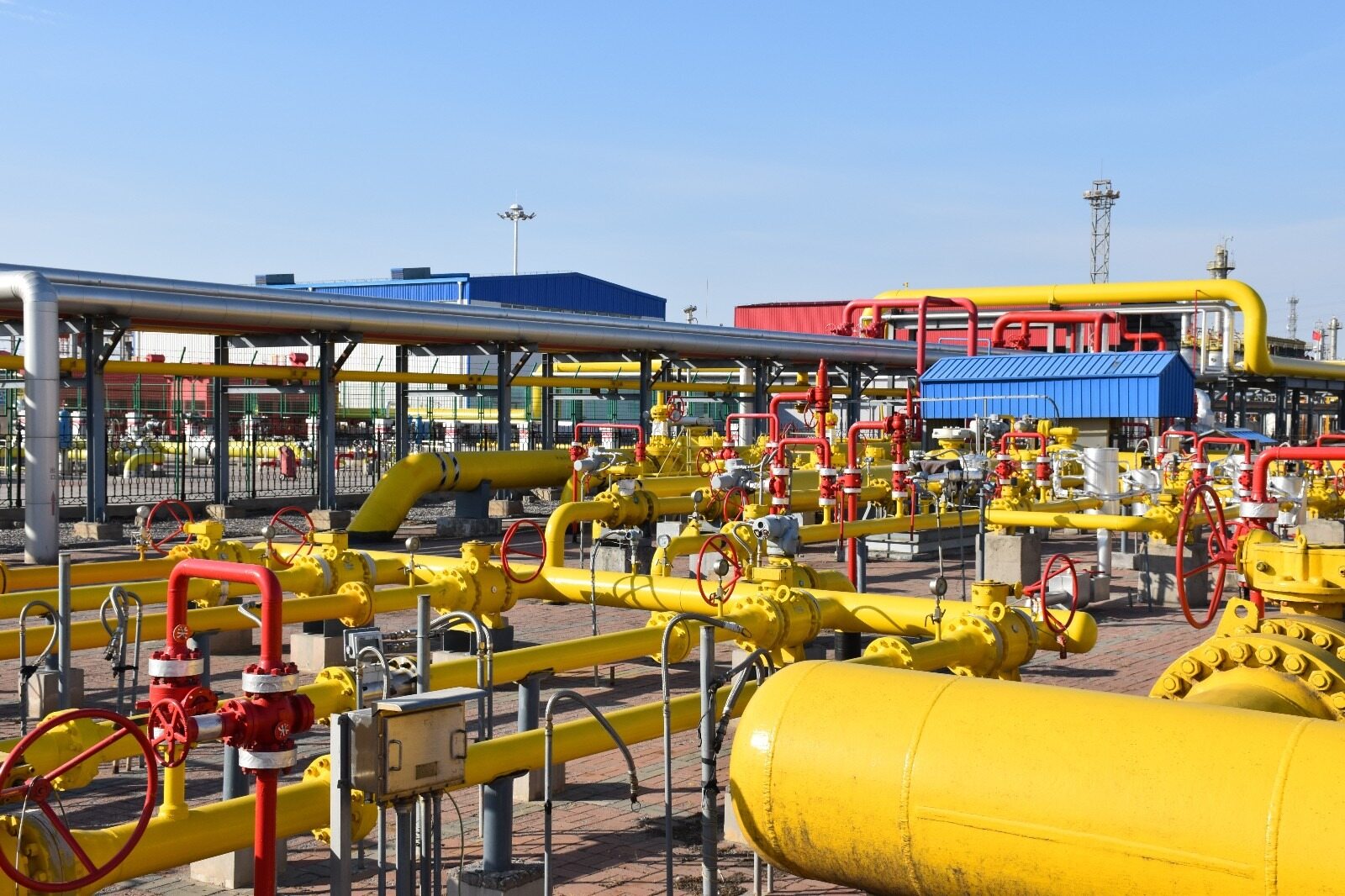
113 projects connect industrial nodes
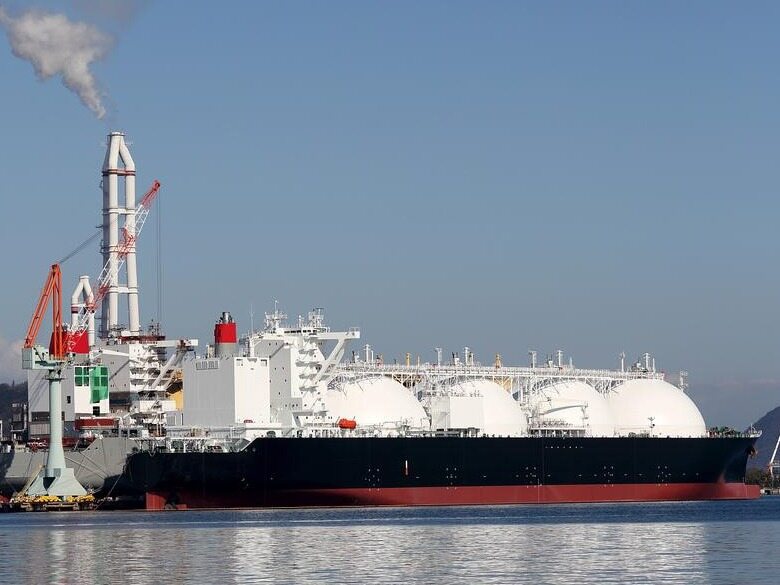
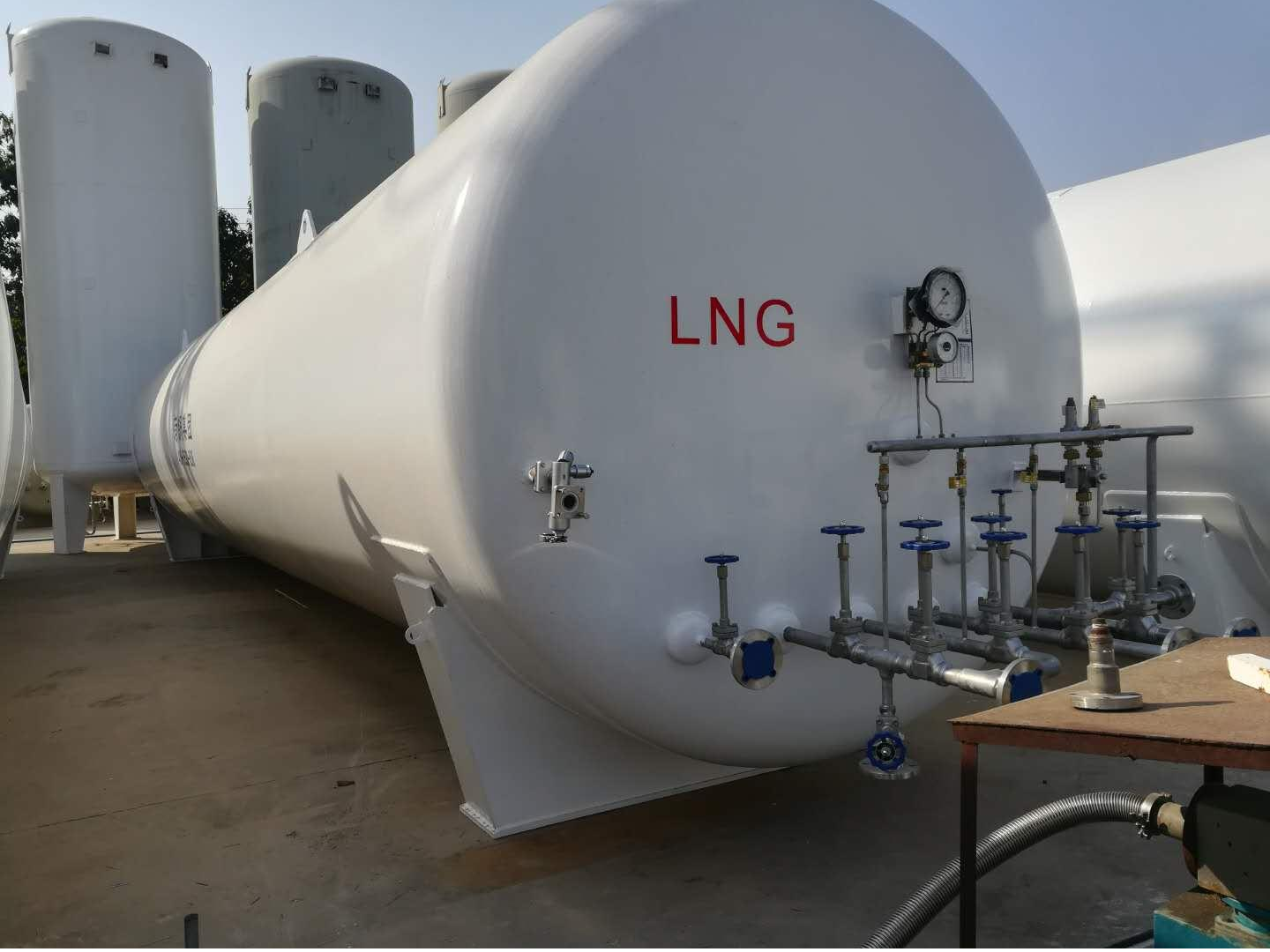
113 projects cover the core nodes of the entire industry chain, including 8 natural gas processing facilities, 15 compressed natural gas mother stations, 86 compressed natural gas sub stations, and 4 liquefied petroleum gas storage stations. At present, all projects are in different stages of construction, and some of them will be officially put into use before the end of 2026. The remaining projects are expected to be completed and put into operation in the first quarter of 2027. This layout comprehensively connects the entire chain of gas production, transmission and distribution, refueling, and storage, laying the infrastructure foundation for local natural gas consumption.
Infrastructure investment balances growth and people's livelihood
Adama elaborated on the industrial value of natural gas infrastructure at the forum. He pointed out that economic growth depends on the increase in output, investment, and GDP scale, while further economic development is related to job creation, reduction of energy poverty, improvement of industrial efficiency, strengthening of local value chains, and ultimately the upgrading of the quality of life for all. Natural gas infrastructure investment is the core lever for balancing growth and development, which can enhance industrial competitiveness, expand energy accessibility, support stable power supply, and create a large number of job opportunities. The core contradiction in the current industrial promotion lies in balancing short-term commercial returns with long-term investment demands for strategic infrastructure. The role of the government is to reduce investment risks and attract more private capital participation through a stable policy environment, predictable regulatory rules, and leveraged guidance of funds. Keywords:Engineering Information、New energy news
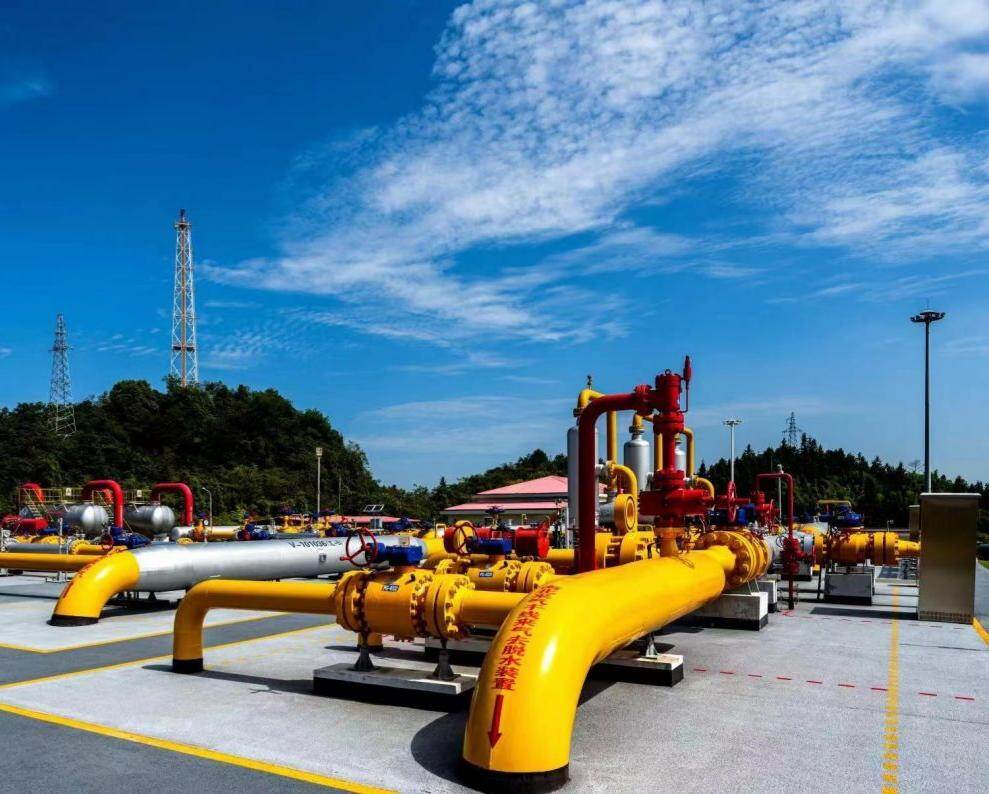
Mature projects do not lack funding
Regarding the common view that financing difficulties are the biggest bottleneck for natural gas projects in the industry, Adama has made different judgments. He revealed that since the establishment of the fund, more than 350 project applications have been received, but a large number of projects have ultimately failed to receive support. The core issue is not a shortage of funds, but rather that the projects themselves have not met the investment landing standards. Many project parties have a misconception that government guided funds are equivalent to free grants, but in reality, the positioning of government funds is to reduce investment risks and leverage, rather than to provide a backup for immature projects. He emphasized that the prerequisite for capital entry is the completion of a complete feasibility study, engineering design, environmental impact assessment approval, commercial agreement signing, and stable gas source guarantee for the project, with clear commercial logic and landing conditions. Looking ahead to long-term development, Nigeria will need to invest approximately $20 billion annually in the next decade to address its infrastructure shortcomings. Relying solely on public funds is far from enough, and the deep involvement of the private sector is a necessary path.Editor/Gao Xue
Comment

 Praise
 Collect
 Comment

 Share
Share


Write something~