 Search


- The orderly progress of the preparation work for the large-scale refinery project in Lamu, Kenya
- Ultra large production capacity covers multiple markets, and the Lamu Comprehensive Corridor carries the demand for supporting infrastructure
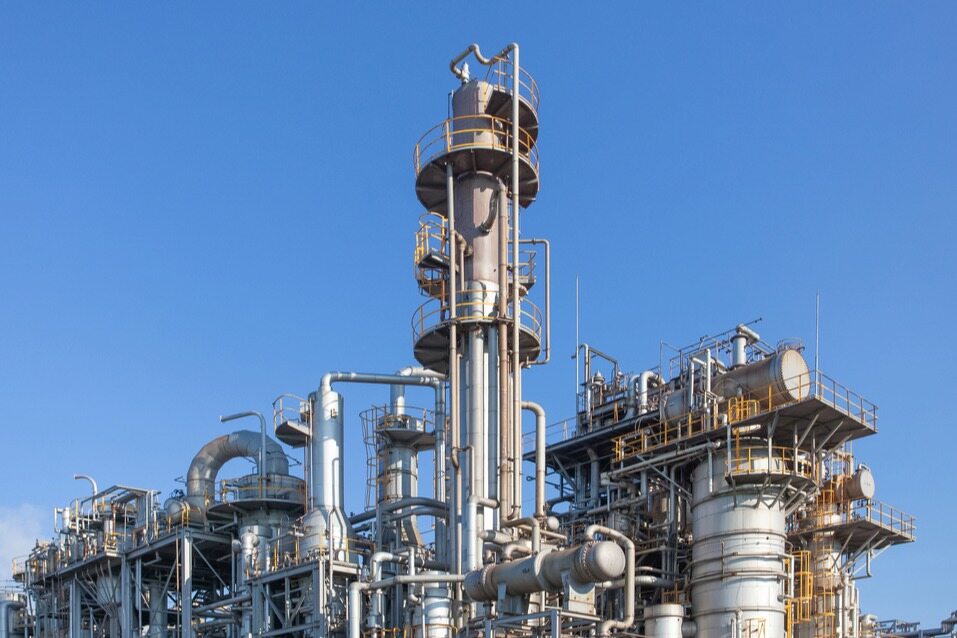
The waves at Lamu Port on the west coast of the Indian Ocean remain strong, and the roar of distant survey ships cuts through the silence of the sea and sky. Industrial capital from West Africa has crossed the ocean and settled in East Africa, with plans to build giant refineries to leverage regional energy independence. Although the blueprint is unfolding, the preliminary approval, financing, and supporting measures are still shrouded in fog, and this cross continental heavy industry game is waiting to break through.
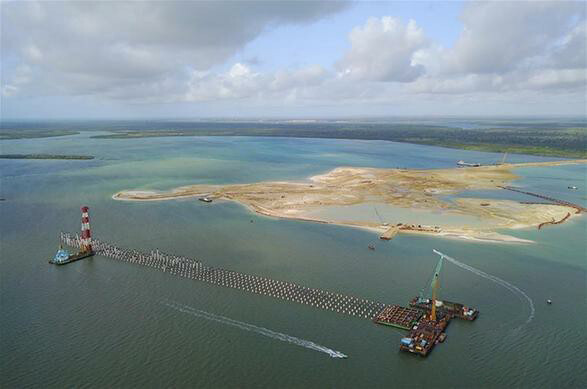
Nigeria's Dangote Group plans to build a large East African refinery in Lamu, Kenya, with a planned daily processing capacity of 700000 barrels of crude oil and an estimated maximum investment of $17 billion. Chinese enterprises laying out oil and gas, ports, engineering, and equipment in East Africa need to pay close attention to four key points: construction permits, environmental impact assessment qualifications, crude oil supply, and regional procurement. The project site has been finalized in Lamu, and only preliminary surveys and financing planning will be carried out. The super large production capacity determines its radiation throughout East Africa, and the proportion of local demand in Kenya is limited.
The preliminary preparations have quietly started
On June 29, 2026, Dangote officially announced the landing of the refinery in Lamu. On July 7, it disclosed a production capacity of 700000 barrels per day, with a construction period of about 30 months. Preliminary work such as soil survey and engineering design has been initiated. This move represents the end of the site selection comparison work, but the project lacks legal landing documents, and the equity, financing, crude oil and refined oil purchase and sales contracts have not been disclosed. Pre survey can be conducted first, and formal construction must obtain two core permits: environmental impact assessment and refinery construction.
The dual test of compliance and financing
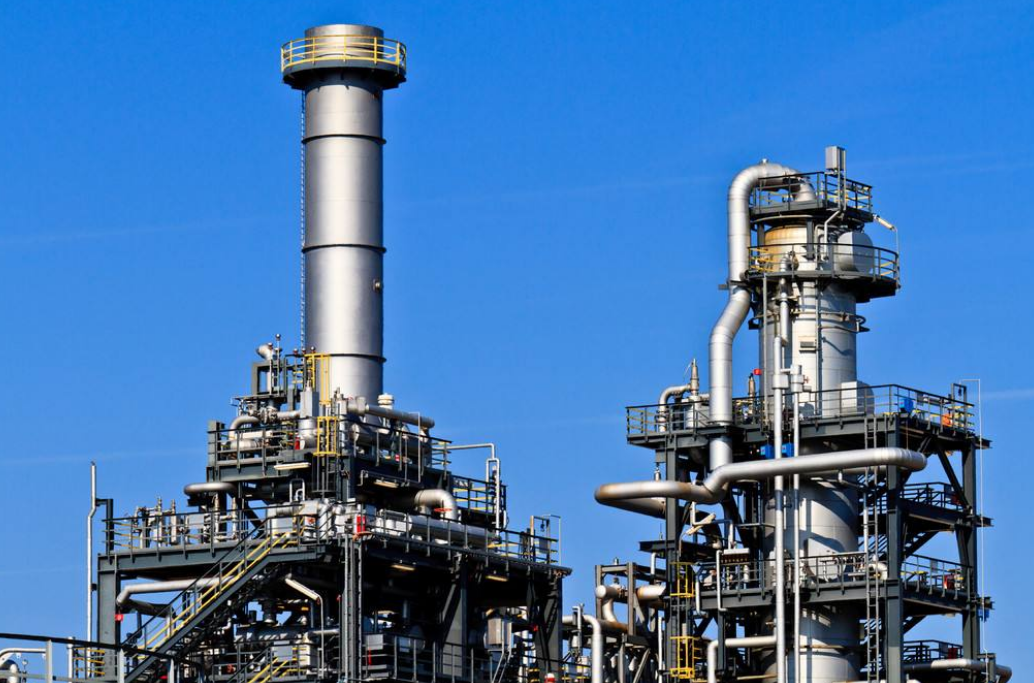
Multiple media outlets have provided investment data ranging from $16 billion to $20 billion, with $17 billion being the estimated upper limit. The daily production capacity of 700000 barrels far exceeds Nigeria's own refineries, and Kenya's local consumption cannot digest all the output. The project must radiate to multiple surrounding countries. The Lapset Comprehensive Corridor can provide a complete set of supporting facilities such as ports, pipelines, and warehouses, but each supporting project requires separate approval and capital investment.
According to local petroleum and environmental regulations, refineries are required to obtain multiple levels of qualifications, which increases the difficulty of approval in coastal, land, hazardous materials, and other aspects. The project financing is still in the conceptual stage, with unclear funding channels, loan guarantees, and equity division. The World Bank has determined that Kenya's debt risk is high, and government funding intervention will bring fiscal and transparency risks.
Chinese enterprises leverage to enter the supply chain
As of July 10, 2026, there are currently no records of Chinese investment participation, general contracting, or supply cooperation. Domestic enterprises only have opportunities for supply chain support, and the four major entry directions are as follows: first, early-stage consulting services, such as geological exploration, environmental impact assessment, and scheme design, can be laid out in advance for light asset businesses; The second is the public works for port storage and transportation, which can be separated into independent sections such as crude oil berths, submarine pipelines, storage tanks, and water, electricity, and sewage treatment; The third step is the pre qualification of equipment suppliers, and international certification, anti-corrosion matching, and local after-sales materials must be prepared for pump valves, heat exchange, electrical control, and desulfurization equipment; The fourth is shipping trade finance, covering large-scale logistics during the construction period, production of crude oil reserves, long-term oil supply and sales, and inventory financing. Keywords: Nigeria, Refinery, Ramu Refinery
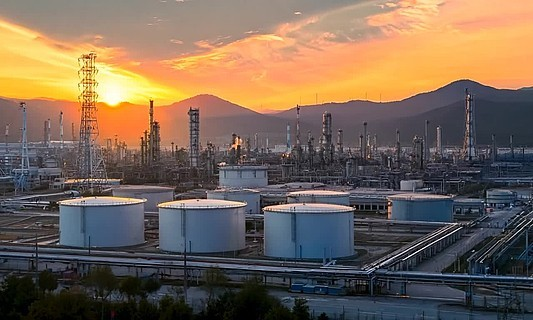
Large scale general contracting cooperation requires waiting for permits and financing landing. At this stage, priority should be given to participating in supplier screening and connecting with local partners, without having to focus on investment gimmicks worth billions. The three major landing signals in the future are: the project subject and equity disclosure, environmental impact assessment and construction permit disclosure, and the signing of formal agreements for crude oil procurement and financing. Only when the three major conditions are implemented simultaneously can the project be substantially promoted; If there is no progress in the long term, survey, approval, and port supporting services will be initiated first.Editor/Gong Ziwei
Comment


 Praise
 Collect
 Comment

 Share
Share


Write something~