 Search


- Despite the price inversion, imported coal continues to pour in fiercely
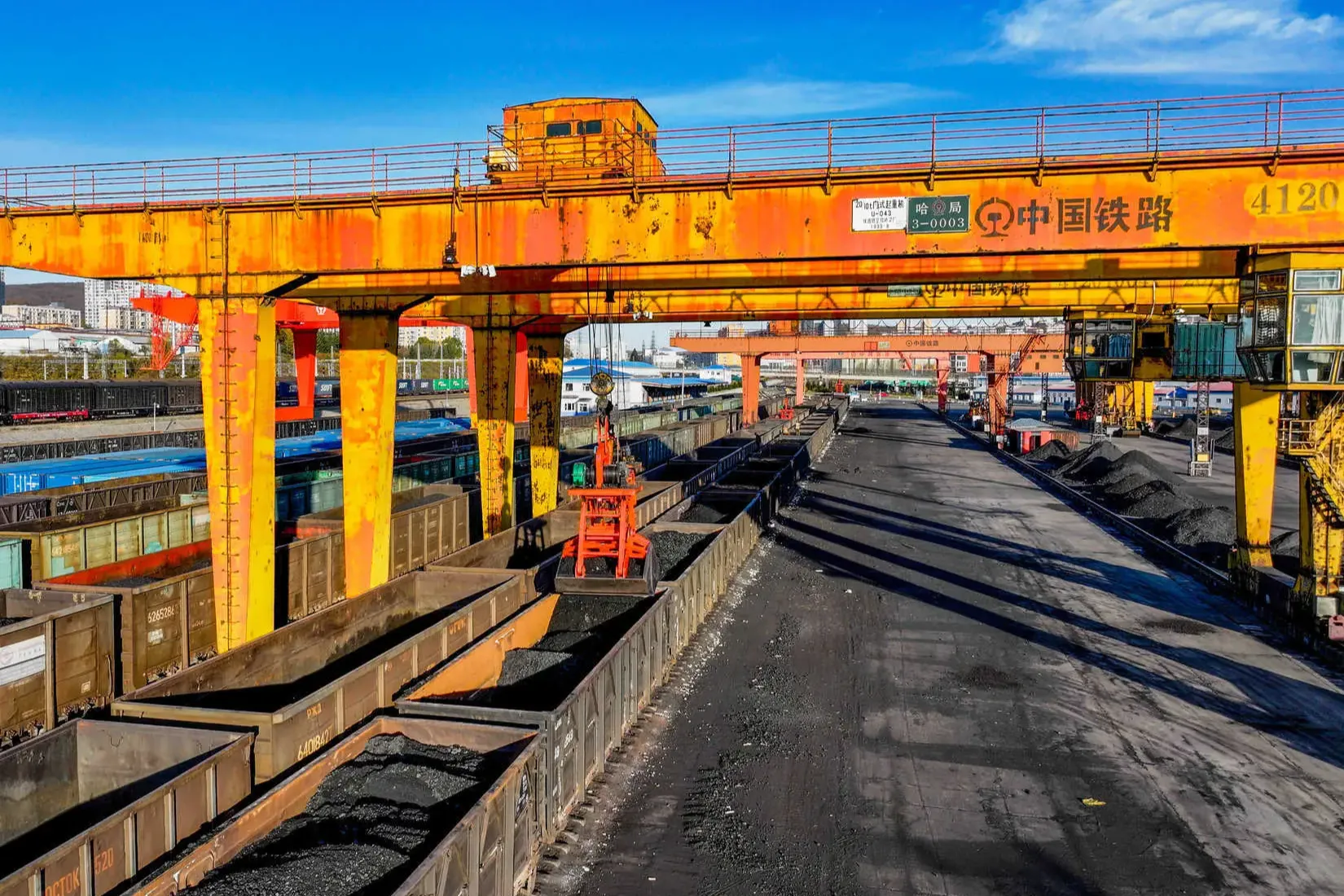
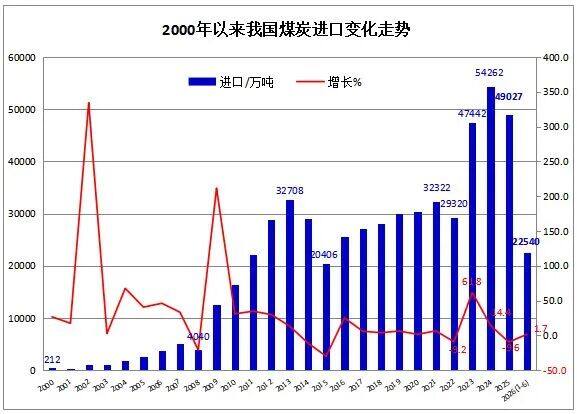
According to data from the General Administration of Customs, coal imports reached 225 million tons in the first half of the year, a year-on-year increase of 1.7%, reversing the downward trend of the first five months. In June, imports amounted to 42.78 million tons, a year-on-year increase of 29.5% and a month on month increase of 28.6%. The price of imported coal has risen synchronously to 90.3 US dollars per ton, a year-on-year increase of over 24%.

June saw a significant increase, reversing the previous decline
In the first half of the year, coal imports reached 225.4 million tons, a year-on-year increase of 1.7%, shifting from a decline in the first five months to a positive growth. In June, imports amounted to 42.779 million tons, an increase of 9.739 million tons or 29.5% compared to the same period last year; Compared to May, it increased by 9.514 million tons, a growth of 28.6%.
In terms of import volume, coal imports reached 3.86 billion US dollars in June, a year-on-year increase of 60.7%, with an average price of 90.3 US dollars per ton, an increase of 24.1% compared to the same period last year. The price advantage of imported coal has significantly narrowed, and some coal types have even experienced inversion.
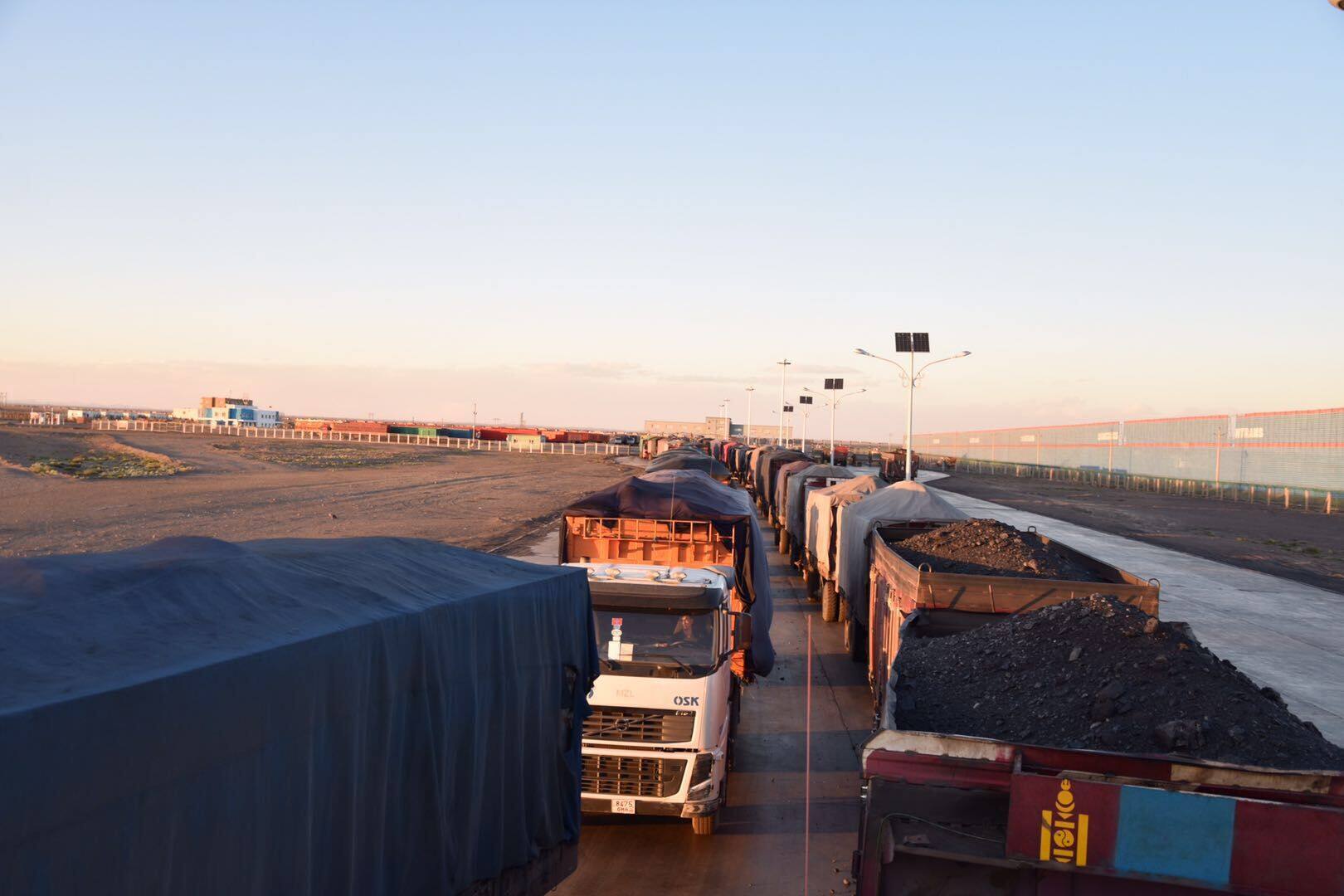
Price center rising
The increase in imports in the first half of the year was mainly influenced by multiple factors. From January to May 2026, imports decreased by 3.2% year-on-year, mainly due to the worsening of coal price inversion and a decrease in trading willingness. But in June, it was concentrated at the port, with a significant increase in volume in a single month.
From the supply side, Indonesia's export control policies continue to tighten, Russia is constrained by transportation capacity, Australian coal is diverted from international gas to coal demand, and Mongolian coal imports have increased. Keywords: coal, coal import
According to industry institutions' analysis, the central price of thermal coal will increase by about 14% year-on-year in 2026, and the central price of coking coal will increase by about 28% year-on-year. In the second half of the year, Indonesia's RKAB quota revision will be implemented and safety supervision and control will continue, with limited room for incremental supply. The resilience of domestic electricity demand remains strong, and coal imports may maintain a high volatility pattern.Editor/Cheng Liting
Comment






 Praise
 Collect
 Comment

 Share
Share


Write something~