 Search


- Empowering the transformation of green power in West Africa to support the upgrading of regional livelihood and economy
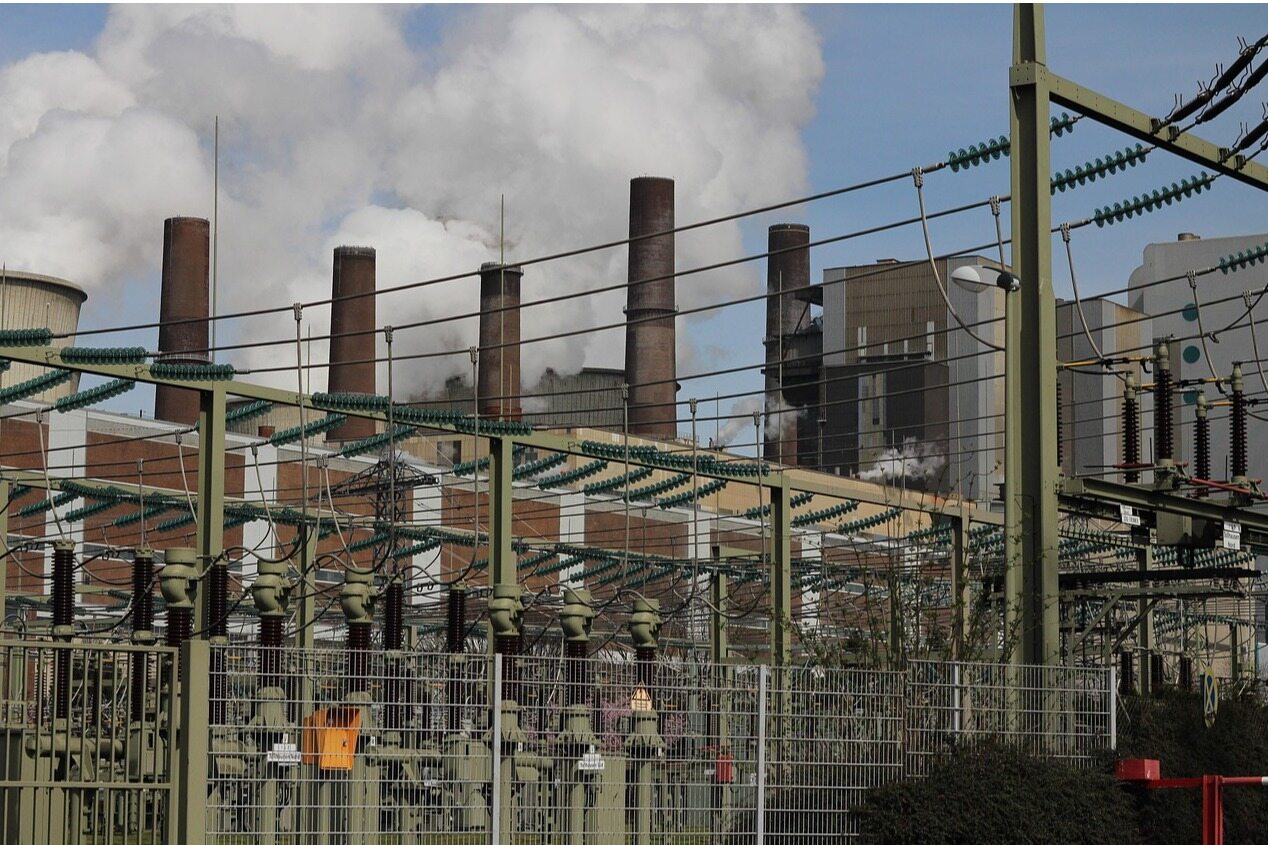
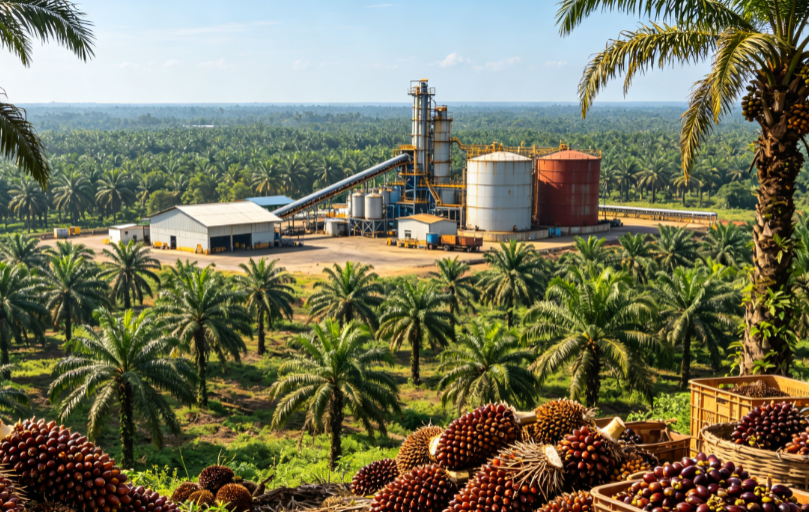
In the palm growing areas of Cote d'Ivoire, a large number of palm petioles and fruit shells are piled up indiscriminately all year round, which not only occupies land but also easily causes environmental burden. Nowadays, these abandoned agricultural and forestry materials have been transformed into fuel for power generation, completely revitalizing local idle agricultural resources and benefiting thousands of farmers.
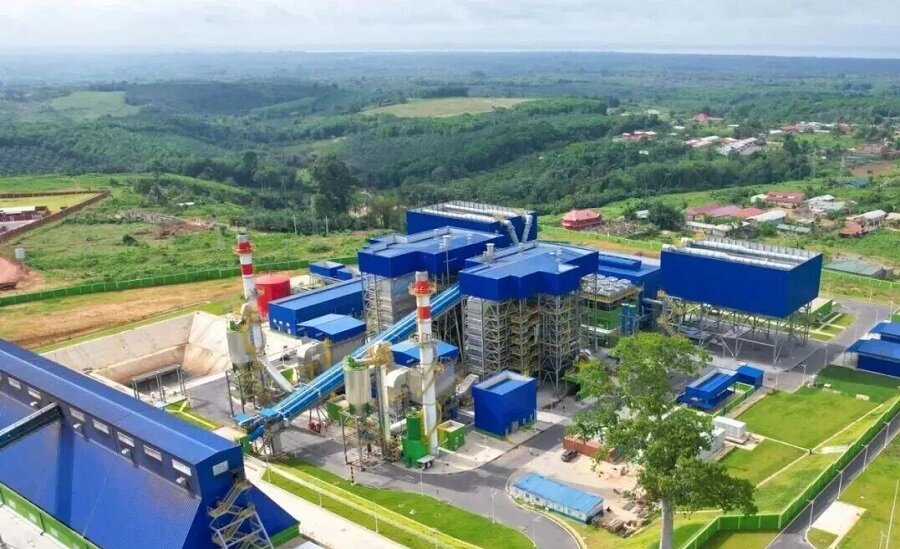
Waste Recycling Energy
On July 14, 2026, the 46 MW biomass power station in Biouya, Ivory Coast, contracted by the CEEC consortium, was fully put into operation. This is the largest agricultural and forestry biomass power station in West Africa and the world's first commercial power station to use palm leaf stalks for large-scale power generation. The total installed capacity of the project is 46 megawatts, with an annual power generation of 348 million kilowatt hours, accounting for 15% of the total renewable energy generation in Cote d'Ivoire, which can guarantee electricity for 1.7 million people. The project innovatively adapts to the local humid climate, solves the problem of high moisture fuel power generation, can process 150 tons of agricultural and forestry waste per hour, consumes hundreds of thousands of tons of palm waste annually, drives the income increase of 12000 planting farmers, and builds a green circular industrial chain.
Green electricity benefits people's livelihoods
This project significantly improves the local power supply shortage, prioritizes ensuring electricity supply for the Abidjan economic circle, reduces the frequency of monthly power outages in the region from 10 to 3, and compresses the duration of a single power outage to within 1 hour, laying a solid energy foundation for local industrial development. Keywords: biomass power generation, West African green power transformation
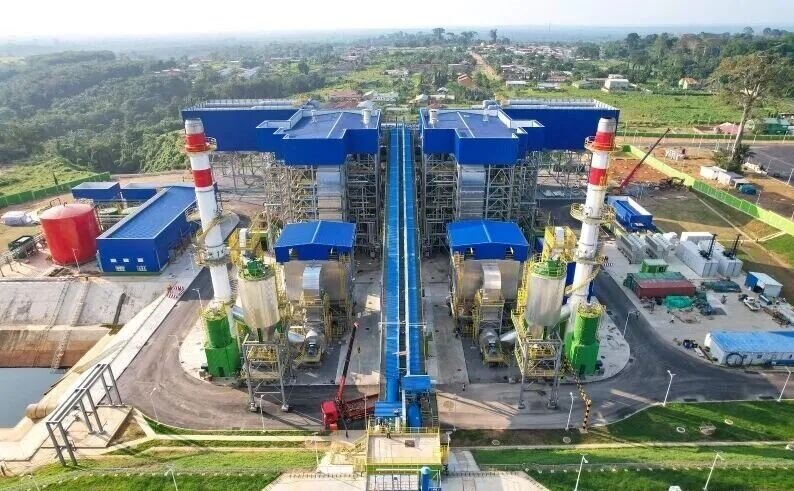
The localization rate of project equipment has reached 80%, and the entire system has passed CE international certification. It is equipped with exclusive power grid control technology and is suitable for weak power grid conditions. The power station can reduce carbon emissions by 180000 tons per year, with a cumulative reduction of 4.5 million tons over 25 years. During the construction period, over a thousand temporary positions will be provided, and a stable recruitment of 100 local employees will be achieved in the long term. The Sino French cooperation model will be used to create a model of green production capacity cooperation in the third-party market.Editor/Min Jing
Comment

 Praise
 Collect
 Comment

 Share
Share


Write something~