 Search


- The giant Abadi gas field in Indonesia, which has been on hold for many years, has finally broken ground
- By leveraging carbon capture technology, we will reshape the regional clean energy supply chain while ensuring our country's energy security
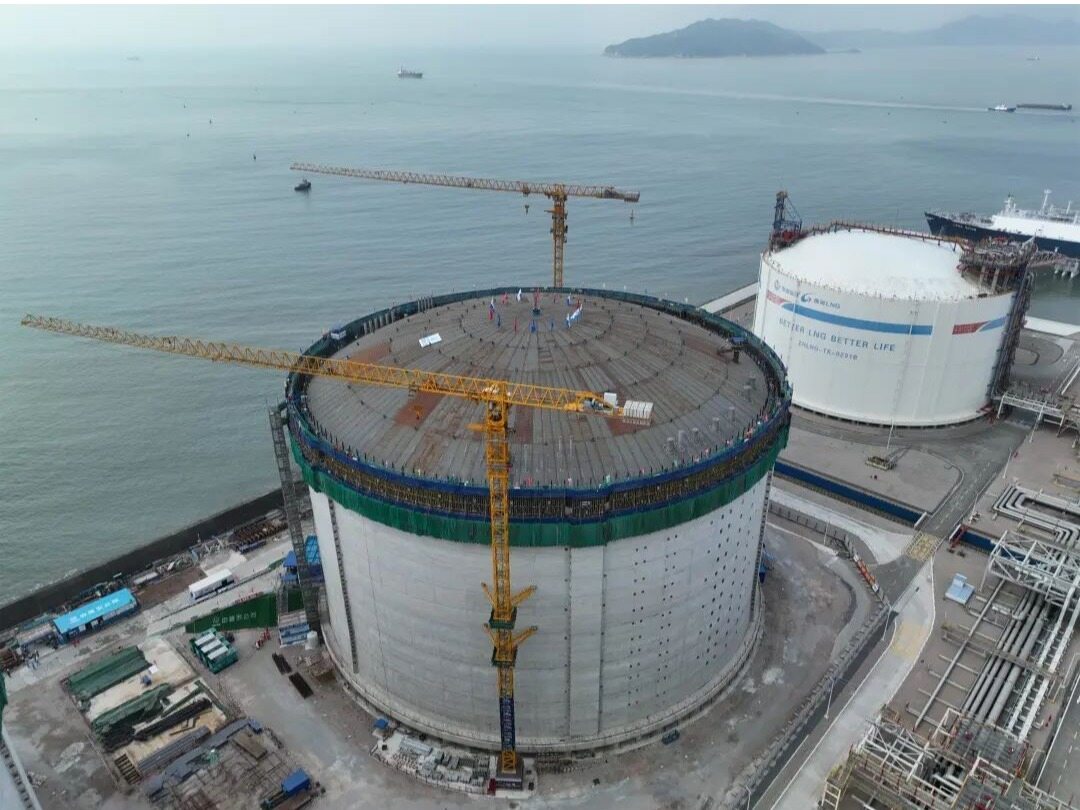
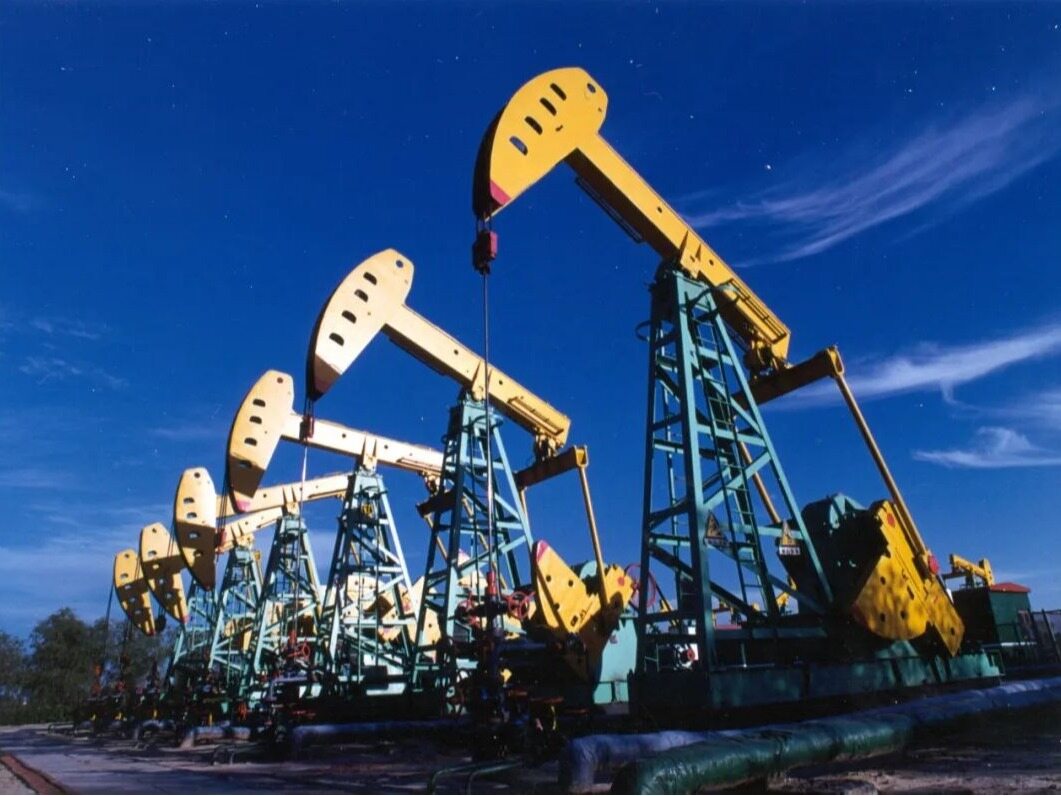
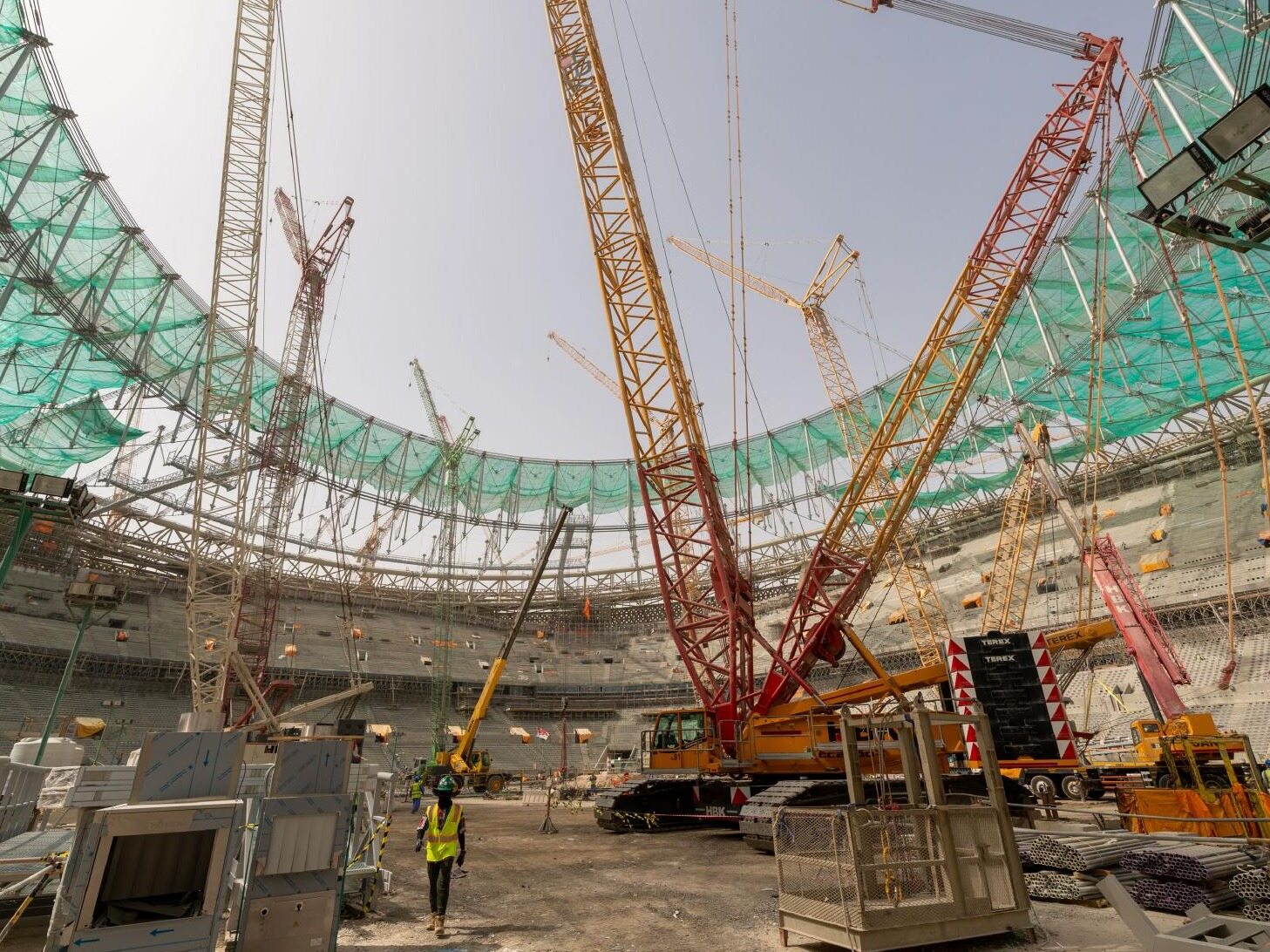
In the sound of the waves in the Alafra Sea, the underground treasure that had been dormant for more than twenty years was finally awakened. On July 16, 2026, with the roar of excavators, the Abadi liquefied natural gas project in the Marcela block of Indonesia officially broke ground. This vast sea area located near the maritime border between Indonesia and Australia has finally entered the substantive construction stage after experiencing equity changes and technological route games since the discovery of huge reserves in 2000.
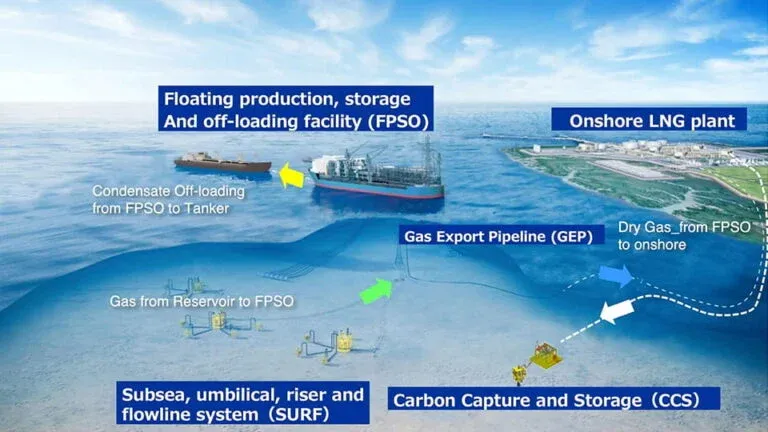
Huge investment to build energy hub
The total investment of the project is as high as 21 billion US dollars, led by Inpex Masela, a subsidiary of Inpex in Japan, with Pertamina and Petronas holding 20% and 15% equity respectively. It is worth noting that after Shell's withdrawal in 2023, the new cooperative alliance has locked the term of this production sharing contract until 2055. According to the plan, the project is designed to produce 9.5 million tons of liquefied natural gas annually, with a daily output of approximately 150 million cubic feet of natural gas, and can also produce up to 35000 barrels of condensate oil. This is not only a production base, but also an important hub connecting Maluku Province in Indonesia with the global market.
60% of the production will be retained locally
The Indonesian government is extremely cautious in its consideration of resource allocation. According to the latest directive, at least 60% of the natural gas produced by the project must prioritize meeting domestic market demand, and the remaining up to 40% can only be used for export. This mandatory quota directly responds to the growing energy demand in Indonesia, especially in the context of accelerated industrialization and electrification processes, ensuring the bottom line of national energy security. This move also provides stable long-term supply expectations for the East Asian, Southeast Asian, and South Asian markets, but local interests are undoubtedly prioritized.keywords:Southeast Asia engineering information network
CCS technology reduces carbon emissions
Of the total investment of $21 billion, $1 billion has been specifically allocated for carbon capture and storage (CCS) technology. Faced with the inevitable carbon emissions during natural gas extraction, the Indonesian government and enterprises have chosen a green path. By capturing and reintroducing carbon dioxide underground, the project aims to achieve carbon neutrality in the production process. This is not only a crucial step for Indonesia to promote energy transformation, but also makes it one of the few examples in the Asia Pacific region to apply CCS on a large scale in large-scale upstream projects, attempting to find a balance between energy supply and environmental responsibility.Editor/Yang Meiling
Comment

 Praise
 Collect
 Comment

 Share
Share


Write something~