 Search


- Green power and grid advantages drive Finland towards AI computing power highland
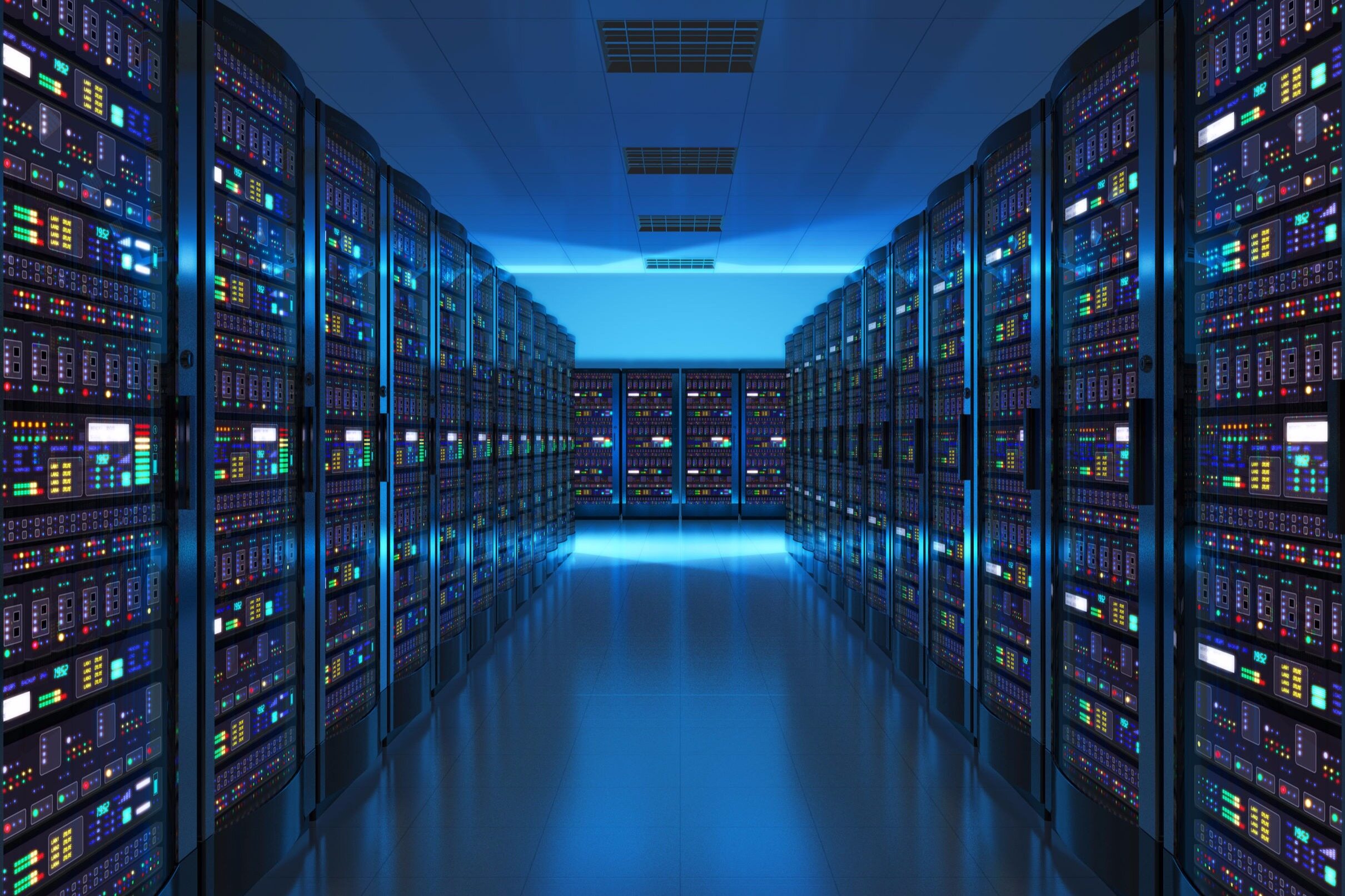
On the map of Nordic data centers, Finland has long been overshadowed by the radiance of Norway and Sweden. But as the Finnish proverb goes, good things wear down. In 2026, this land is undergoing profound changes - from small custodial markets around Helsinki to the emergence of gigawatt scale mega projects nationwide, the Finnish data center market is expanding at an unprecedented pace and is expected to become a new highland for European AI computing power in the next five years.
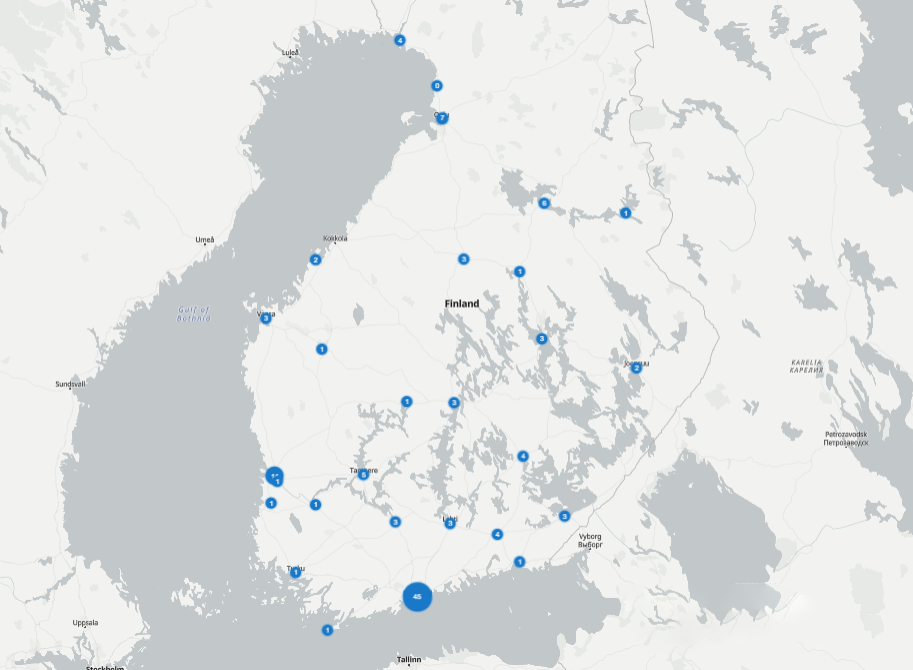
Jiwa level projects are fully launched
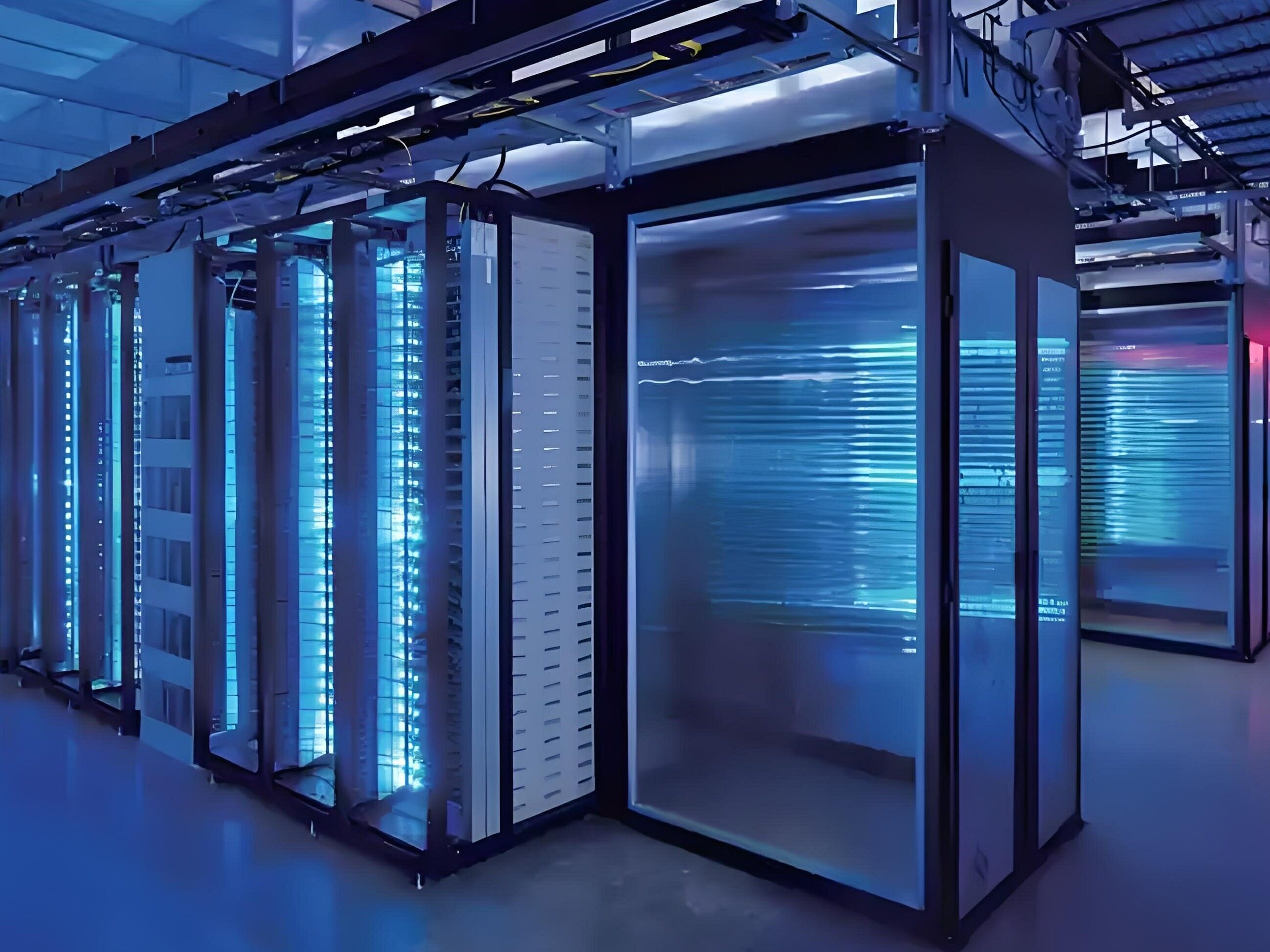
According to a study by the Finnish Data Center Association in 2025, the current market total is about 285MW, but the total number of announced projects exceeds 3.4GW, and it is expected to exceed 1.5GW by 2030. Microsoft is building multi site super large scale areas in Espoo, Kilkonumi, and Vihti, and waste heat recovery can provide heating for 250000 residents. Google continues to expand the Hamina seawater cooling park and holds reserve land in multiple locations. TikTok has promised to invest 1 billion euros in Lahti, with an initial IT load of 50MW. Nebius plans to build a 310MW AI data center in Lappeenranta, which is expected to be put into operation in 2027. Pure DC is targeting the 500 MW Sainai Yoki Park, while APL Group is developing a 100 MW mega project in Valkos. Projects ranging from tens to hundreds of megawatts are being simultaneously promoted in places such as Eurajoki, Huittinen, and Vaasa.
Green power grid constitutes the core advantage
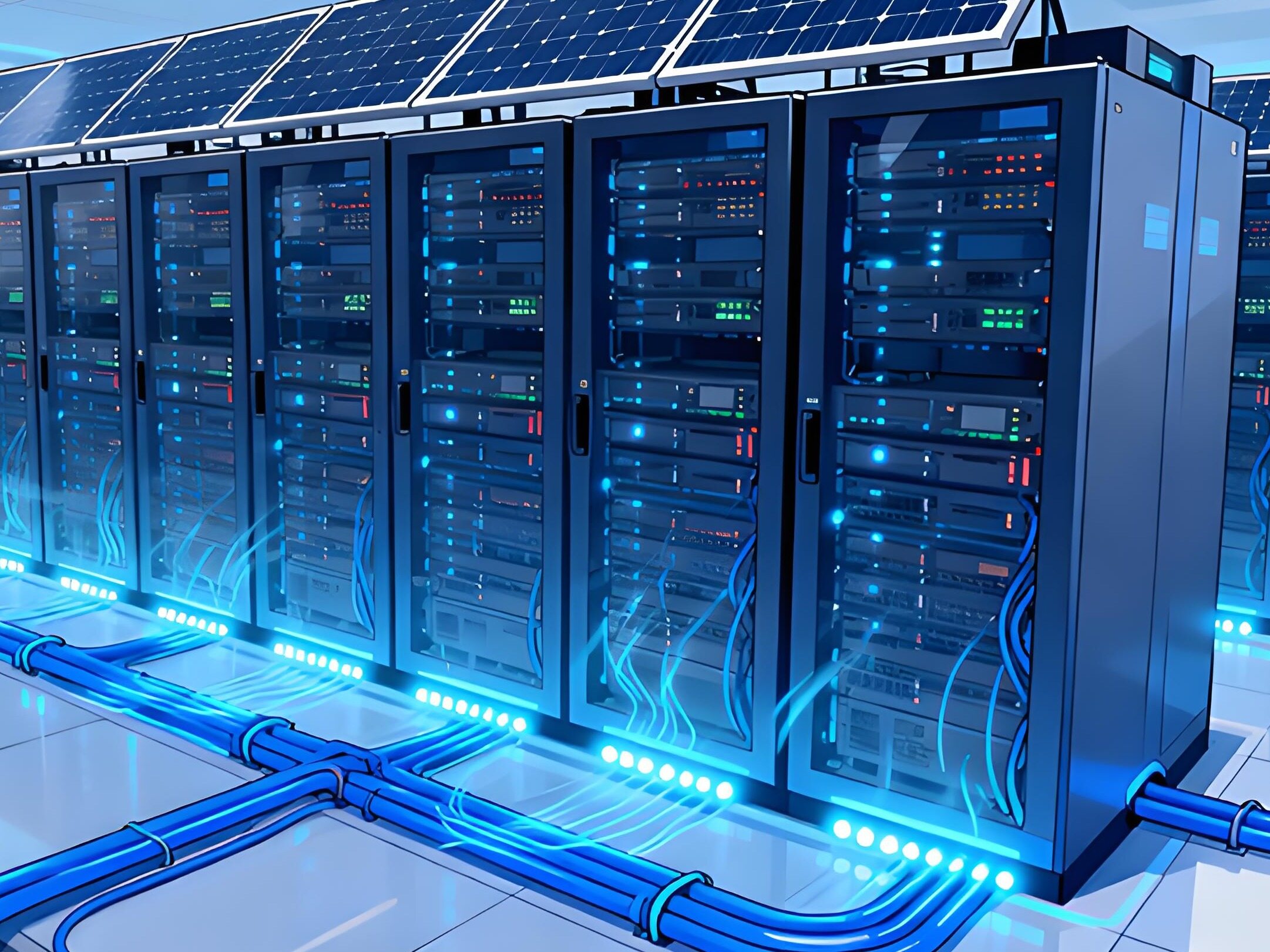
Finland has completely changed its electricity landscape. A few years ago, a large amount of electricity needed to be imported from Sweden and Russia. Now, the installed capacity of wind power has reached 6500 MW, and it is expected to reach 7200 MW by the end of 2026. The potential for power plants under construction in various stages is 50000 MW. In the next three to five years, sufficient surplus renewable electricity will provide solid support for data centers.
More importantly, the power grid architecture. Unlike Sweden and Norway, which are divided into four electricity price zones, Finland implements a unified low price electricity system nationwide and does not have a north-south transmission bottleneck. State Grid operator Fingrid is managing approximately 24GW of new connection applications and advancing major upgrade projects such as the Aurora line until 2029, adding approximately 800 to 900MW of cross-border capacity. Combined with advanced telecommunications infrastructure, mature sustainable development projects, and abundant natural cooling resources, Finland is becoming an ideal location for data center sites.
The AI craze reshapes the Nordic landscape
According to DC Byte data, Finland will add over 1.4GW of total IT load in 2023 and 2024, second only to Norway and Sweden in Northern Europe, while this number will be less than 500MW before 2022. The current supply is about 400MW, and the reserve pipeline is already 10 to 15 times this number. Multiple large-scale projects are currently under construction, with hundreds of megawatts of capacity expected to increase in the coming years. Keywords: high-tech news and information, computing power, green electricity
Although some capacity is still in the early stages and cannot be guaranteed to be fully realized, if the market maintains its current growth trajectory, Finland is expected to surpass Norway and Sweden and compete with the largest market in Europe. From hosting centers in Helsinki to gigawatt level clusters nationwide, Finland is responding to the AI era's thirst for land and energy with stable and reliable green electricity and grids.Editor/Gao Xue
Comment




 Praise
 Collect
 Comment

 Share
Share


Write something~