 Search


- China successfully completes the world's first bi-directional real-time transmission of thousand kilometer hollow fiber optic cables

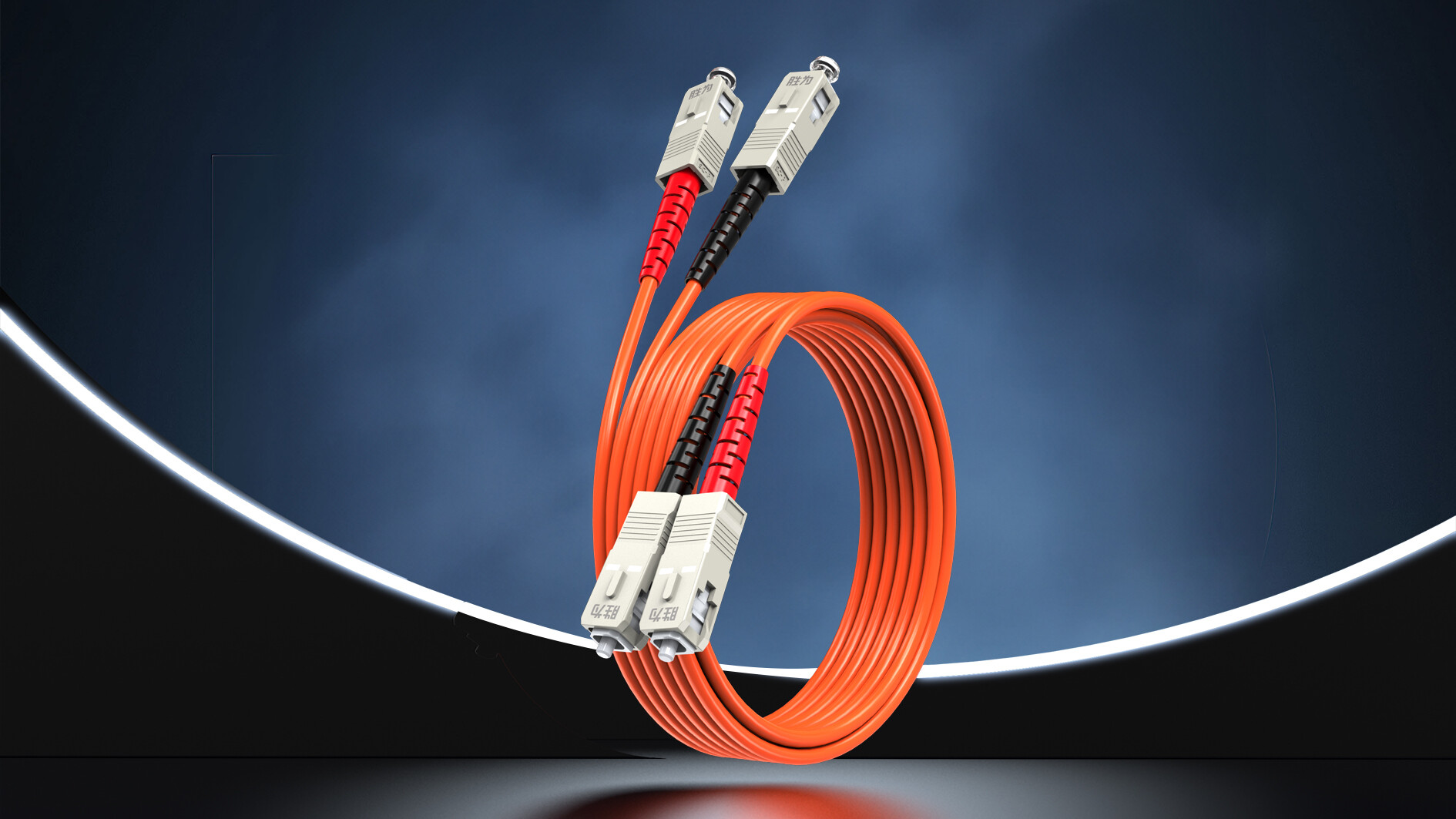
For a long time, communication transmission has relied on solid core optical fibers to carry data, and optical signals travel through quartz media, with speed and latency always having a ceiling. The research team continues to tackle the technology of hollow fiber optics, replacing signal transmission channels with air and constantly challenging the boundaries of long-distance stable transmission. The implementation of the bidirectional transmission test spanning thousands of kilometers is not only a refresh of laboratory indicators, but also confirms that this new technology can be compatible with existing communication equipment, step out of pilot scenarios, and steadily move towards large-scale applications such as computing power networks and cross regional data center interconnection.

Breaking the record
The length of this test route reaches 1007.48 kilometers, achieving synchronous transmission of 64Tb signals per second in both directions. It can support the simultaneous upload and download of 160 4K movies per second, and the one-way transmission of a thousand kilometer signal only takes 3.43 milliseconds. Compared with the current optimal solid core fiber, the transmission capacity has doubled and the transmission distance has increased by 60%. Compared with previous similar hollow core fiber experiments, the transmission distance has increased by 50 times. Based on the principle of air to light transmission, the delay of hollow fiber optic cable is reduced by 30% compared to traditional solutions, and it can reuse existing transmission equipment to meet the needs of long-distance and high-capacity communication.

Principle advantages
Traditional solid core optical fibers rely on quartz glass to transmit optical signals, with light traveling at a speed of about 200000 kilometers per second in glass. Hollow core optical fibers use air as a transmission channel, with a speed close to 300000 kilometers per second in vacuum, naturally having the advantage of lower latency. This technology is in line with the construction layout of six domestic networks, and existing commercial cases have been implemented. The world's first cross-border commercial air core fiber optic financial dedicated line has been opened between Shenzhen and Hong Kong. More than 10 commercial and pilot projects have been implemented in many parts of Asia and Europe, and commercialization continues to advance.
Empowering computing power
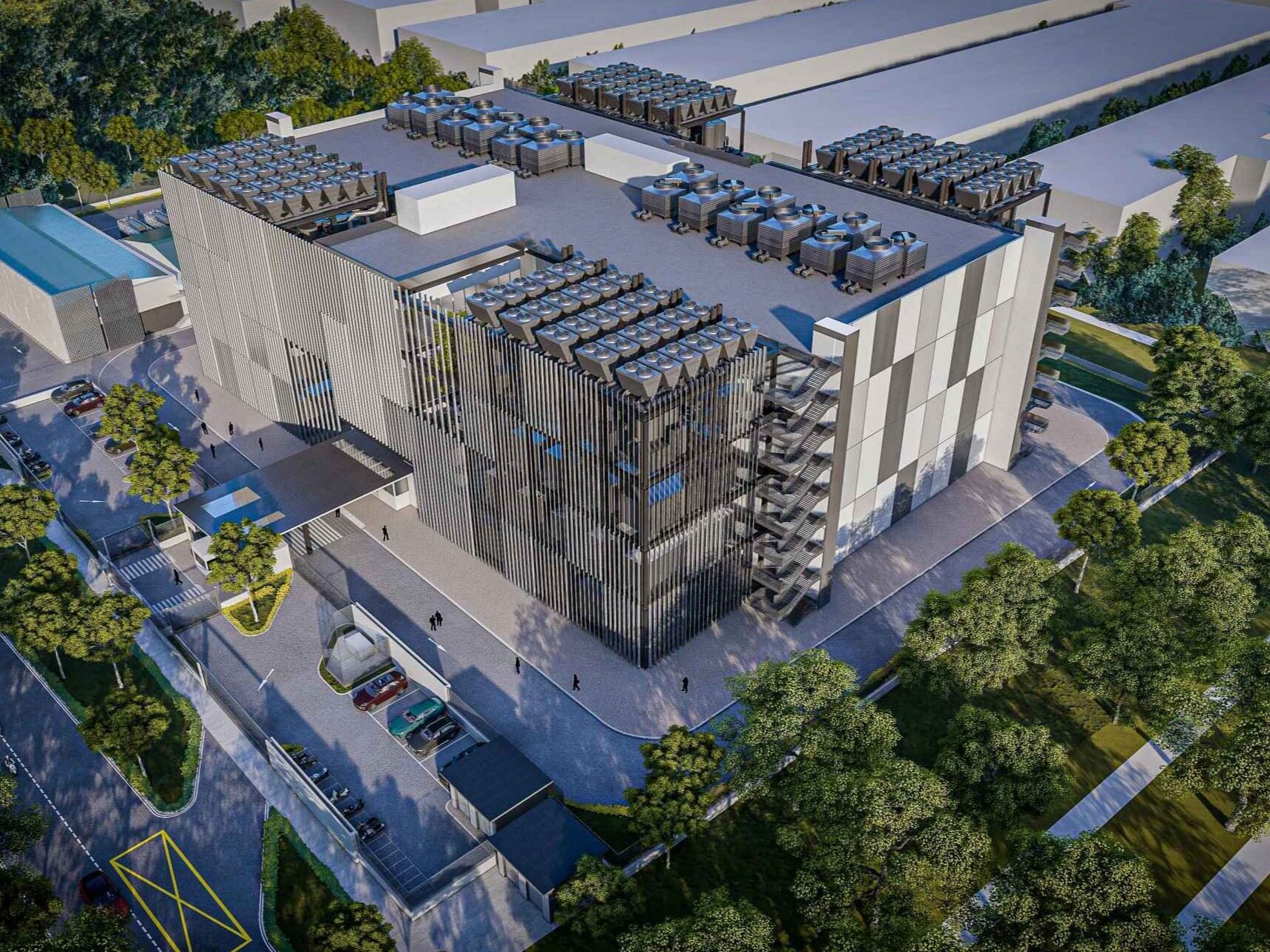
The low latency and large capacity transmission characteristics highly match the demanding requirements of AI data centers, which can improve computing efficiency and reduce GPU and storage chip investment costs. Big model training and inference cannot be separated from cross data center collaborative networking, where the bandwidth and latency between nodes directly determine the efficiency of AI business operations. Industry experts say that the mature verification of hollow fiber optic cables will strongly support the national computing power strategy, and in the future, it is expected to replace solid fiber optic cables in more scenarios, becoming a key support for the new generation of communication networks and computing power networks.Keywords: hollow fiber optic, computing power network, breakthrough in communication technology
This experiment marks a crucial step towards the practical application of hollow core optical fibers over long distances, moving from single point pilot to thousand kilometer level mainline verification, bridging an important link in technology implementation, and reserving core technologies for the upgrading of domestic computing infrastructure.Editor/Li Xiaohua
Comment






 Praise
 Collect
 Comment

 Share


Write something~