 Search


- Hydroelectric power has occupied nearly half of the country, becoming the guiding force that keeps this archipelago illuminated
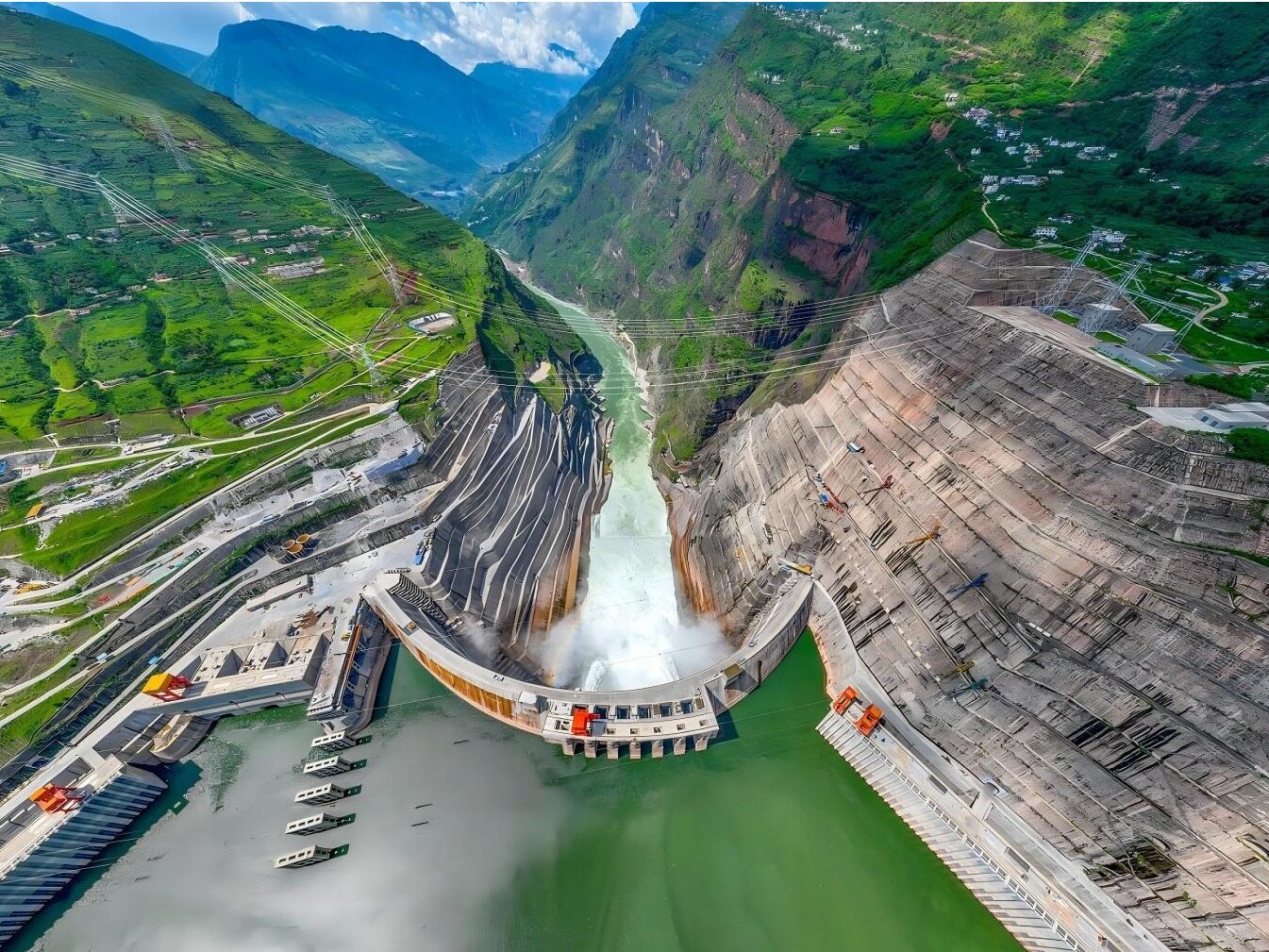
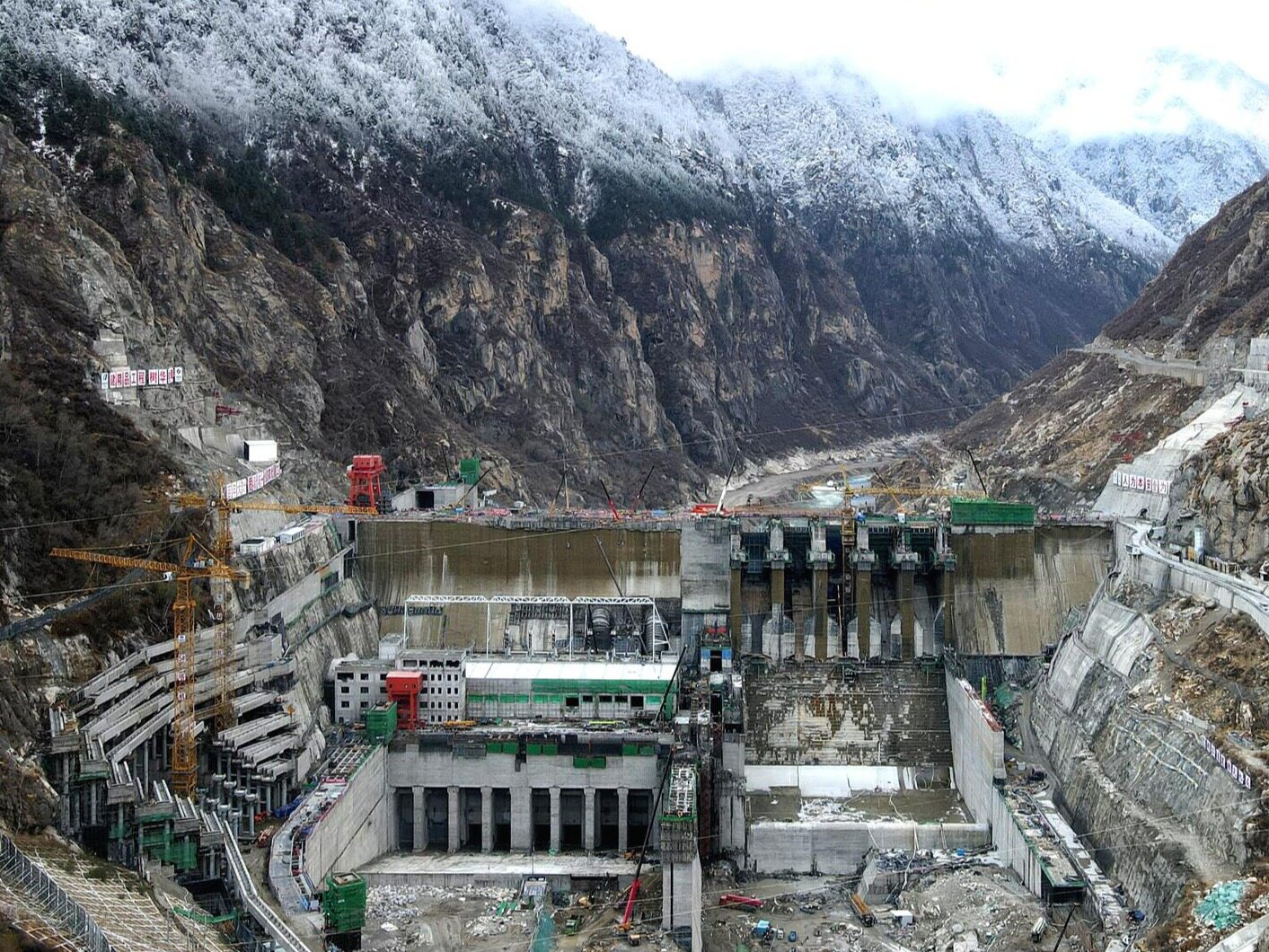
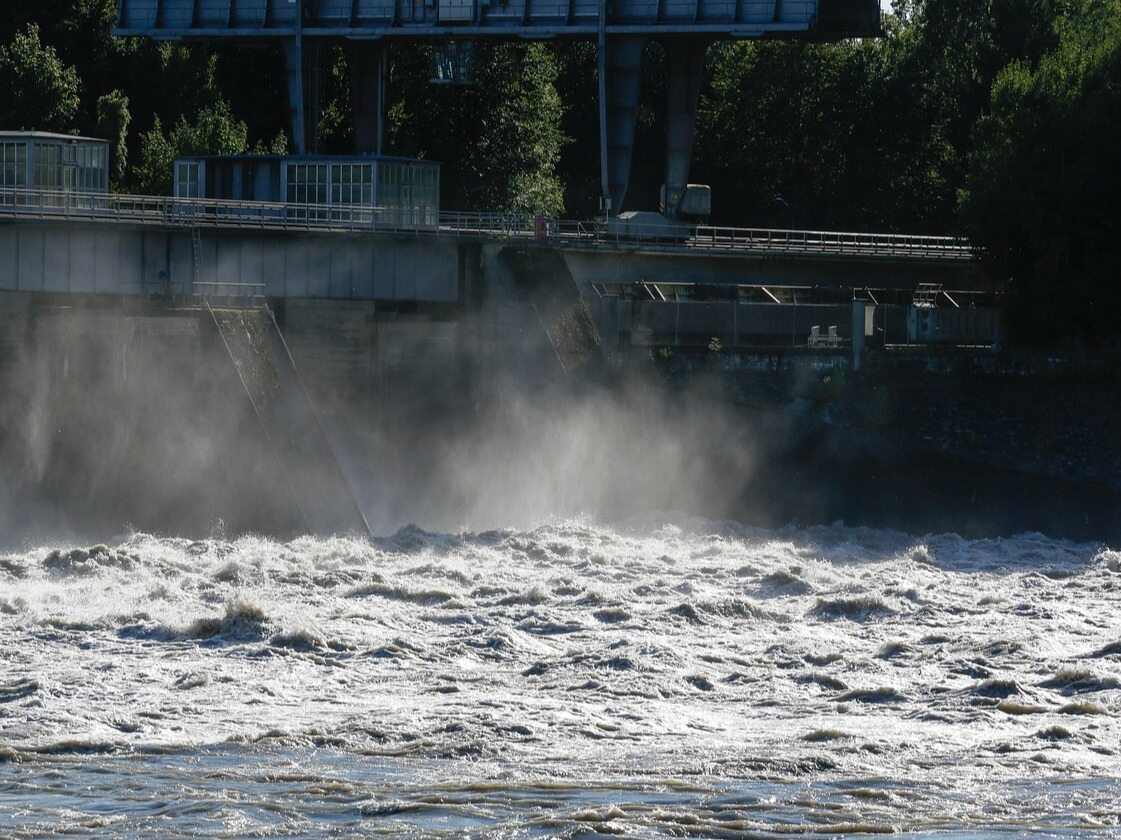
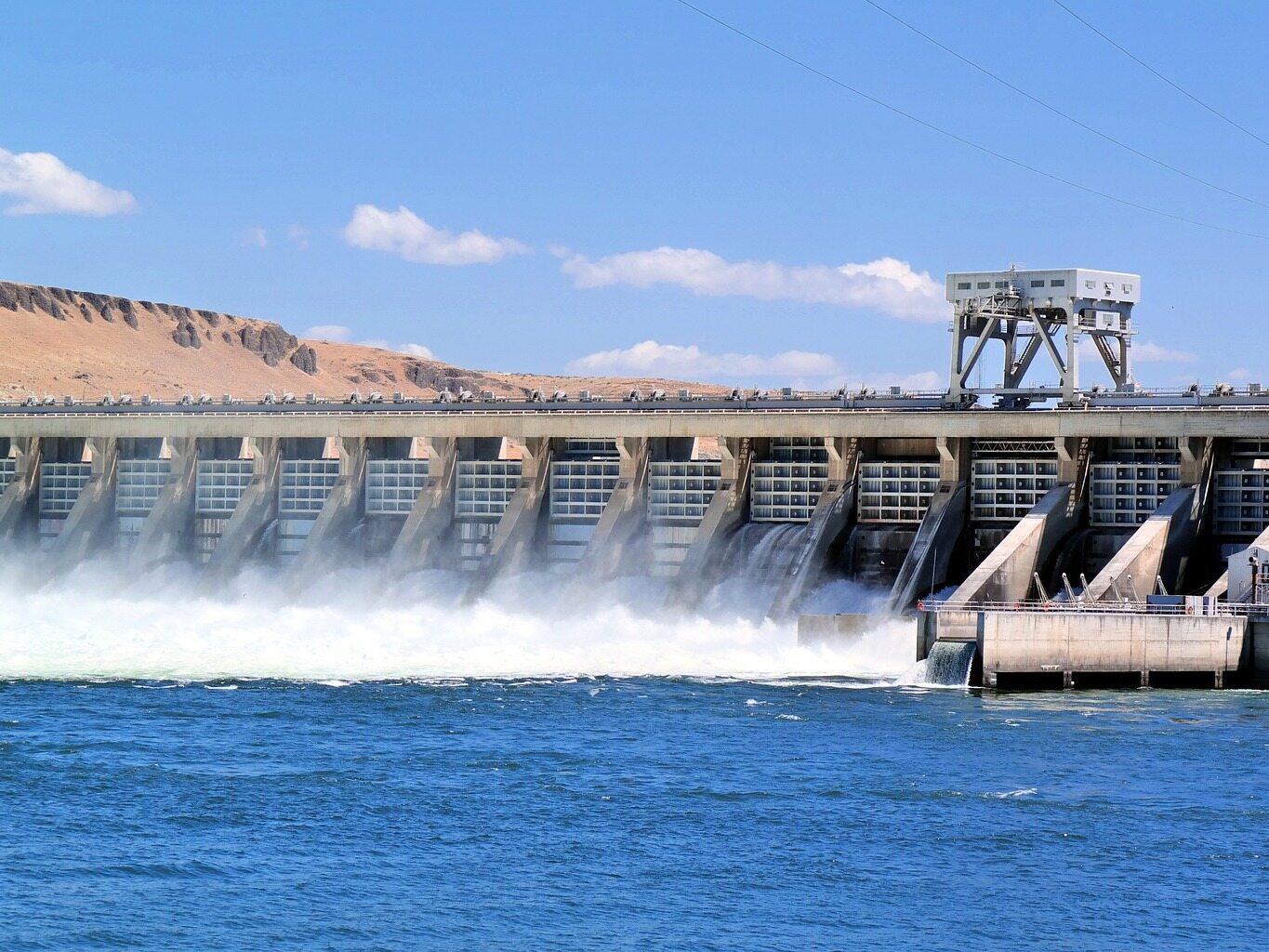
In the hinterland of Viti Levu, winding rivers flow endlessly. Whenever night falls, the Monasabu hydropower station located on the Nawua River quietly releases energy. The huge turbine units roar and the electric current instantly passes through the towering mountains, lighting up the neon lights on the streets of Suva and driving the high-speed running machine tools in the Nandi factory. This hydraulic power originating from high mountains is the absolute mainstay of Fiji's current energy landscape.
Electricity demand continues to rise
With the strong economic recovery after the epidemic, the electricity consumption curve across Fiji is sharply rising. The recent annual report submitted to Parliament by Fiji Energy Limited (EFL) reveals a trend that cannot be ignored: although the weighted growth rate of electricity consumption is expected to fall back to 2% in 2025, far below the astonishing 9% in 2024, this is only a short-term fluctuation. Looking ahead, the CEO of EFL pointed out that electricity demand will steadily increase by about 5% annually in the coming years.
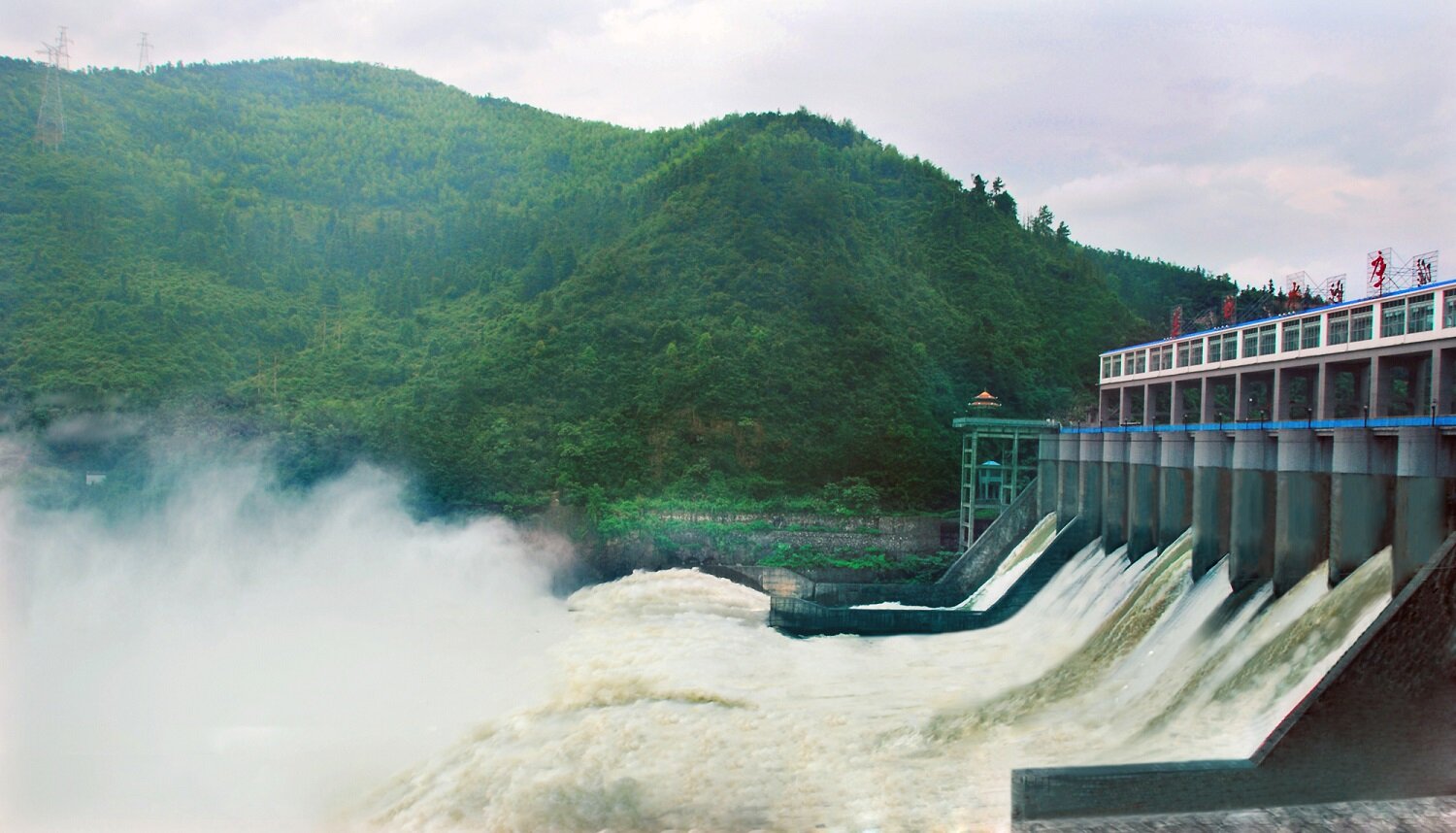
Behind this data is the full load operation of hotels brought about by the recovery of the tourism industry, the expansion of factories stimulated by the return of manufacturing industry, and the increasing dependence on appliances such as air conditioning and refrigerators after the improvement of countless households' living standards. In order to meet the constantly expanding demand for electricity, EFL has to continue investing in upgrading power generation facilities and renovating old transmission grids.
Hydropower carries the banner of power supply
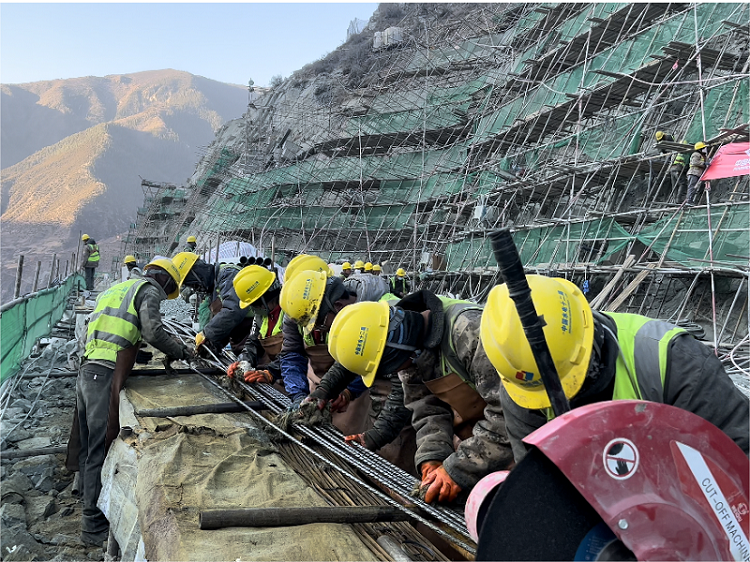
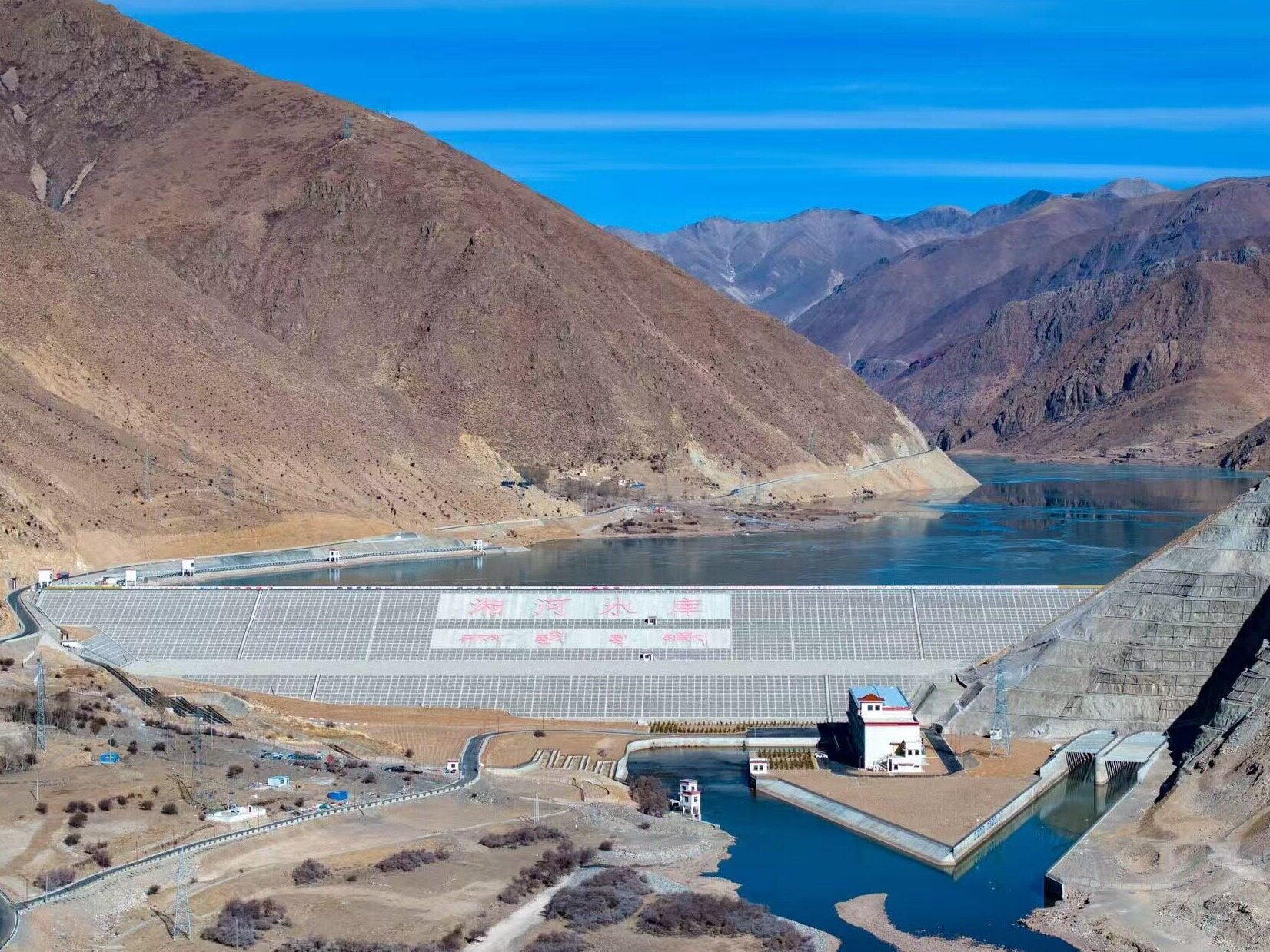
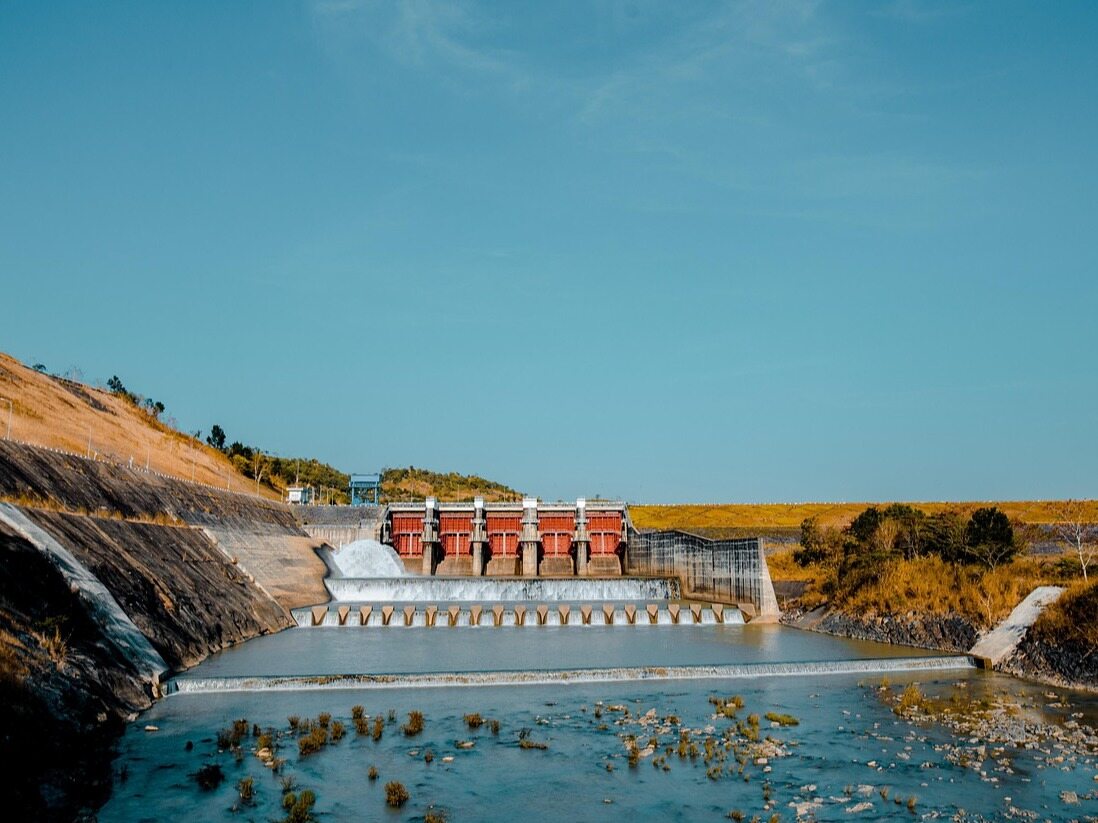
In Fiji's energy puzzle, hydropower is the undisputed cornerstone. Data shows that by 2025, hydropower is expected to contribute 49.33% of the country's total electricity generation, accounting for almost half of the country's total. Among them, the outstanding Monasabu hydropower station alone produced 496 million kilowatt hours of clean electricity within the year, which can be regarded as the stabilizer of Fiji's power grid.
In contrast, although fossil fuel power still accounts for 43.83%, its position is facing challenges under the dual pressure of international oil price fluctuations and carbon neutrality targets. In addition, wind energy and independent power generation companies account for 6.84% in total. Although they are temporarily in the role of supporting role, they represent the direction of diversified exploration. EFL explicitly states that maintaining this diversified power generation structure is key to ensuring the reliability and safety of power supply.
Green transformation is urgently needed
Faced with rising electricity bills year after year and a fragile ecological environment, Fiji is well aware that relying solely on traditional energy sources is not a long-term solution. EFL emphasized in the report that increasing the proportion of renewable energy and building a strong energy security defense line have become the strategic core to support the country's future economic growth.keywords:New energy information network
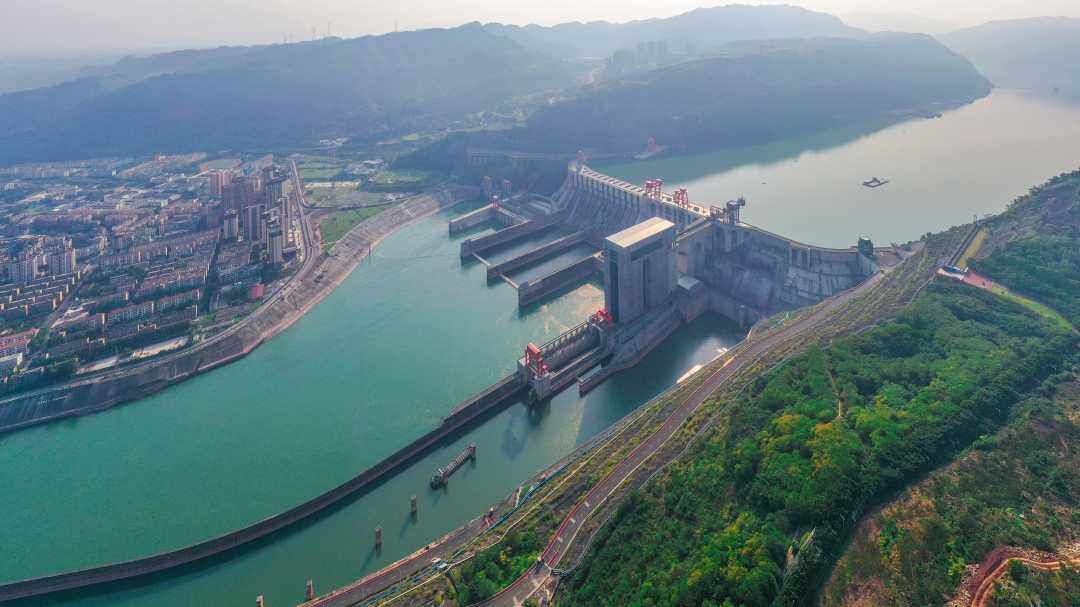
This not only means continuing to tap into the potential of hydropower, but also accelerating the pace of modernizing the power grid - such as introducing smart grid technology to reduce transmission losses, and building more efficient energy storage systems to balance intermittent wind and solar power. After all, in this country consisting of 332 islands, delivering stable electricity to every remote corner is not only a technological battle, but also a protracted battle about sustainable development.Editor/Yang Meiling
Comment

 Praise
 Collect
 Comment

 Share
Share


Write something~