 Search


- The milestone of billions in trade highlights the enormous potential for economic and trade cooperation in Central Asia
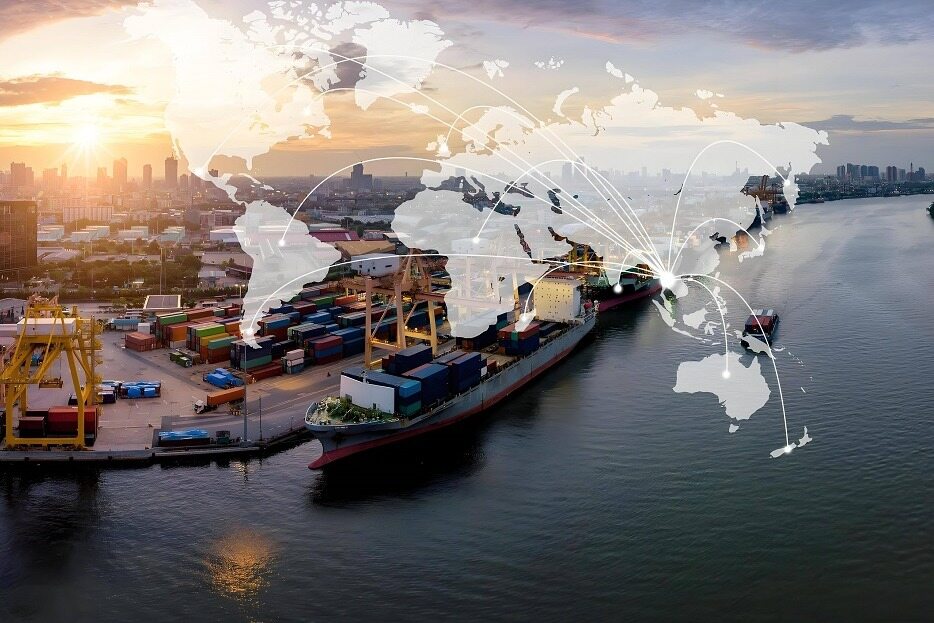
Under the overall pressure of global foreign trade, China's economic and trade cooperation with the five Central Asian countries has risen against the trend, achieving a doubling of trade volume in four years. Behind the billions of trade data, it is driven by multiple forces such as industrial complementarity, investment empowerment, and channel construction, which also opens up vast market space for overseas enterprises.
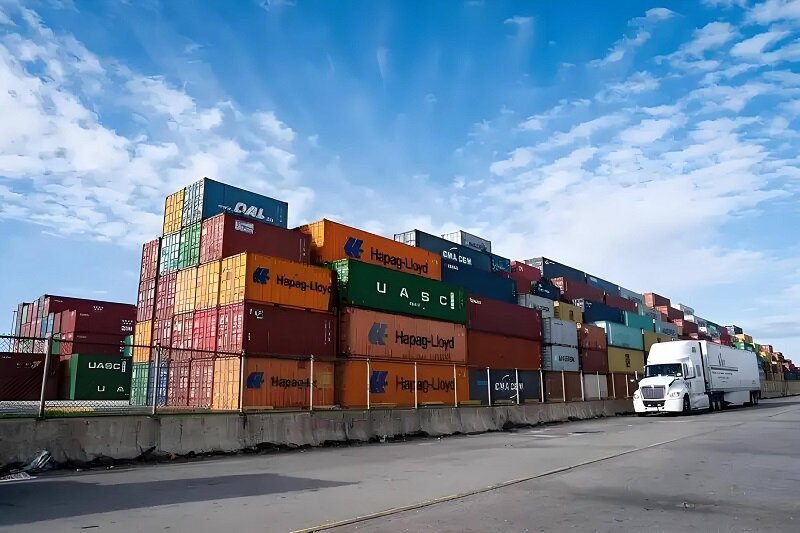
Industry complementarity and win-win situation
By 2025, bilateral trade will reach 106.3 billion US dollars, a year-on-year increase of 12%. China's exports to Central Asia amounted to 71.2 billion US dollars, with impressive performance in high-tech electromechanical products and new three products. Importing 35.1 billion US dollars from Central Asia, in addition to energy and minerals, the categories of chemical and agricultural products continue to enrich. The economies of several Central Asian countries maintain high growth rates, and the industrialization process releases a large demand for infrastructure and industrial procurement. The resources and industrial advantages of both sides are deeply matched.
Investment drives trade
China has invested over 30 billion US dollars in Central Asia, with more than 40000 enterprises engaged in import and export business. Investment has expanded from energy infrastructure to manufacturing, green energy, and digital economy sectors, with new energy vehicle companies landing localized production to drive component and technology output. The China Central Asia Cooperation Mechanism has established more than ten ministerial level platforms, and the second summit has set six major cooperation directions. Various cooperation platforms continue to improve institutional guarantees. Keywords: Central Asian economy and trade, cross-border industrial cooperation
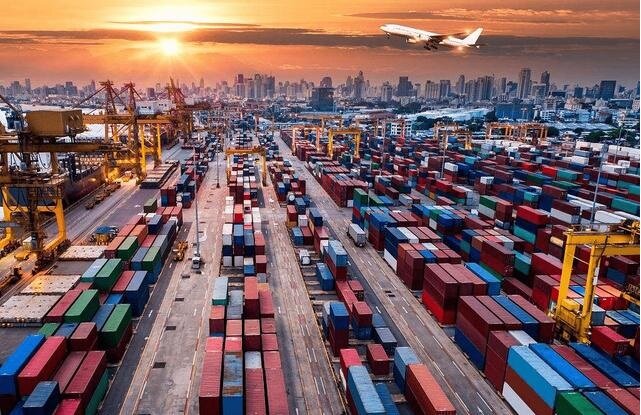
Channel empowers circulation
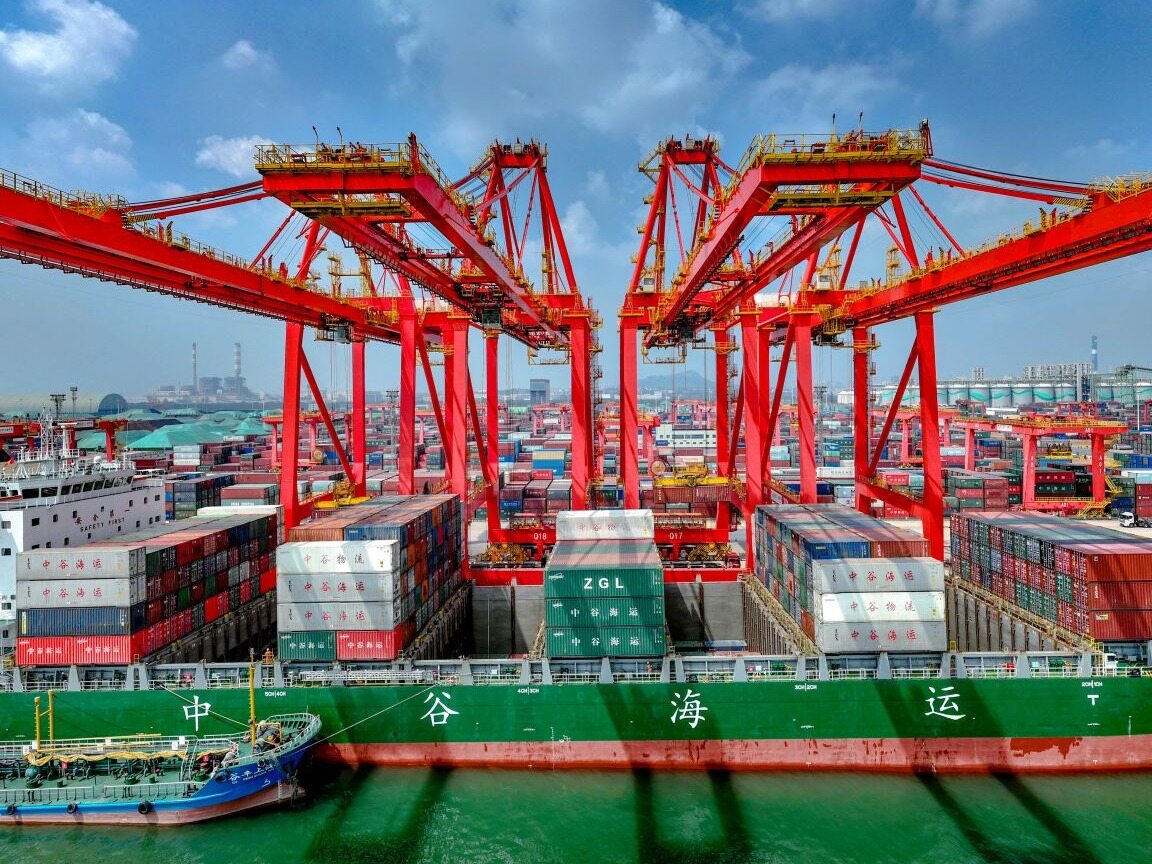
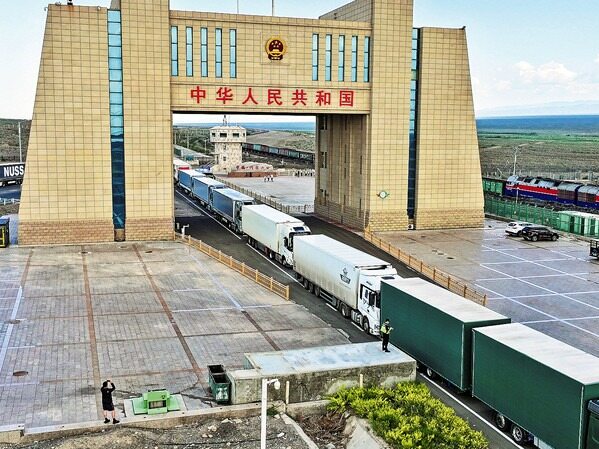
The construction of the China Kyrgyzstan Uzbekistan railway has been accelerated, and the logistics network of the Shuangxi Highway, China Europe freight trains, and cross mile sea transportation corridors has been strengthened. Smart ports have also improved customs clearance efficiency. Trade worth billions is just the starting point. In the future, cooperation will shift towards high value-added industries, green innovation, and industrial co construction and upgrading. Overseas enterprises can deeply participate in localized production and technology output, and explore incremental opportunities in the Central Asian market.Editor/Min Jing
Comment



 Praise
 Collect
 Comment

 Share
Share


Write something~