 Search



- Guinea company signs contract with Huawei to finalize intention for multi field cooperation
- There are obvious shortcomings in local digital energy, and there is great potential for the development of the infrastructure market
The hot wind blowing from the Bay of Conakry brushed over the dust on the red soil gravel road and stopped in front of a newly capped concrete building. When local infrastructure giants exchange contracts with digital giants deeply rooted in Africa, the connections and electricity on this land are trying to piece together a solid network from scattered patches.

On July 31, 2026, GuiCOPRES Group, a local infrastructure company in Guinea, signed a memorandum of understanding with Huawei Guinea in Conakry. The cooperation covers four major sectors: digitalization, energy, photovoltaics, and intelligent buildings. GuiCOPRES Chairman Kelfala Kamara and Huawei Guinea General Manager SU Chang signed on behalf of both parties.
Clearly define the scope of intended cooperation
GUICOPRES was established in 1998, specializing in infrastructure projects, commercial distribution, real estate, and import and export business. Huawei has participated in the construction of Guinea's national backbone network, which was put into commercial use in 2020. The network is 4352 kilometers long and covers 8 regions, 33 special zones, and 62 major cities. GUICOPRES can provide local engineering, real estate scenarios, logistics, and market channels, while Huawei outputs communication, computing power, photovoltaic energy storage, power digitization, and intelligent building systems. Both parties have a comprehensive project cooperation foundation. This is only an intention to cooperate and does not represent a confirmed order, subcontracting, or exclusive agency.
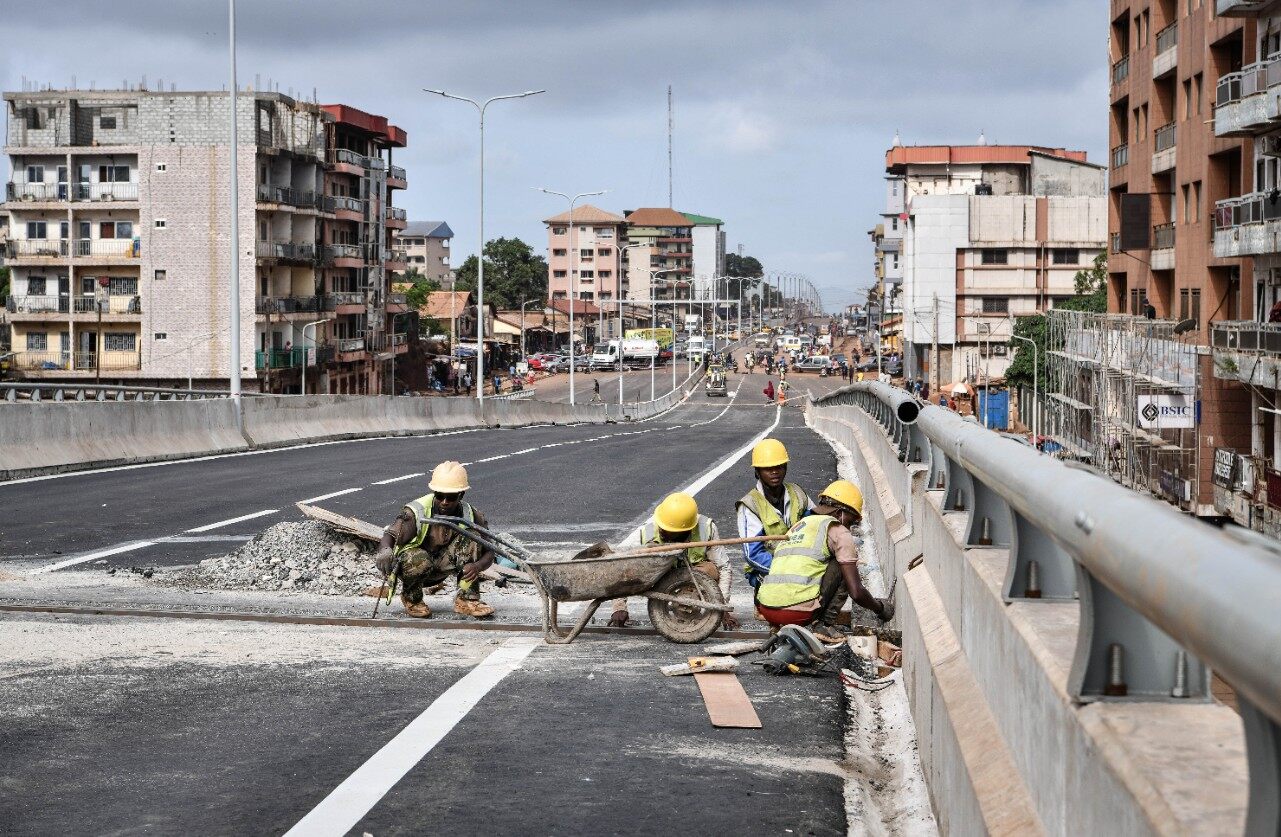
The prominent supply-demand gap in the local market
The data of Guinea in May 2026 shows that the Internet penetration rate is about 21%, and nearly 20% of the country's national network is weak. The local plan is to build nearly 1000 rural digital access points by 2030, and increase the number of submarine cables from 1 to 3. According to the World Bank, Guinea's national electricity rate is expected to reach 53% in 2024, with a significant urban-rural gap and a rural electricity rate of only 21%. The total investment for the power expansion project is 260.1 million US dollars, with plans to add 960022 people to the power grid. The demand for digitalization and photovoltaic power is real, and the procurement entities are diverse. Currently, the memorandum has not been linked to government and World Bank projects. Keywords: Guinea, digitalization, photovoltaic energy storage
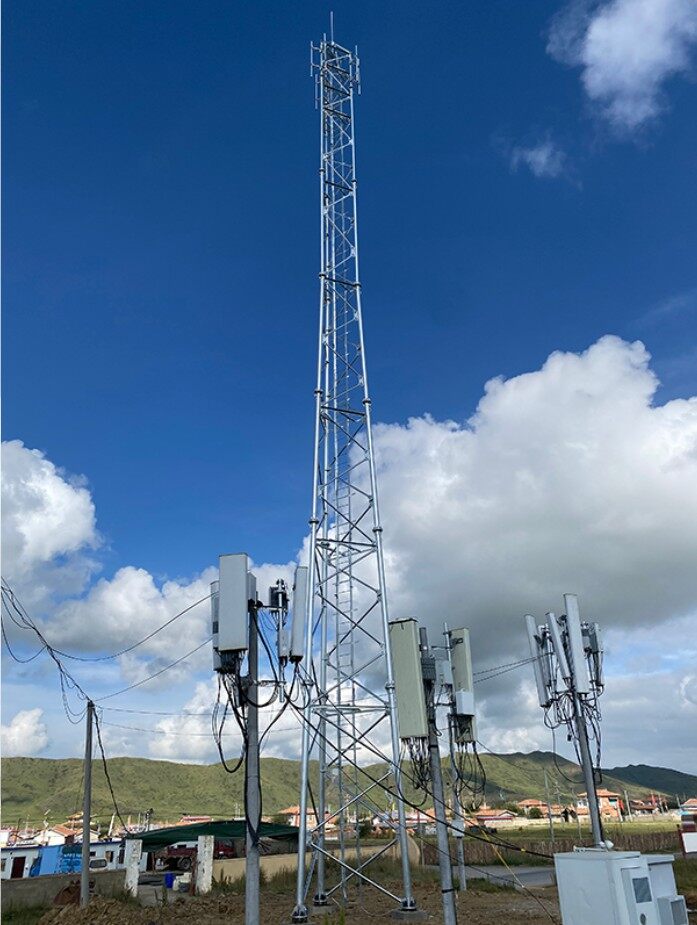
Key points for tracking Chinese enterprise projects
Chinese equipment manufacturers and integrators can follow up on this cooperation, and four pieces of information need to be verified for bidding: project owner, source of budget funds, bidding and procurement rules, division of labor and quality assurance responsibilities. Digital infrastructure, photovoltaic energy storage, and intelligent building enterprises can prepare adaptation plans in advance, taking into account local cases, delivery cycles, French technical documents, and local after-sales service. At present, only intention documents are managed, and opportunities for supply, integration, and subcontracting will be evaluated after the project, funding, and procurement documents are made public.Editor/Gong Ziwei
Comment



 Praise
 Collect
 Comment

 Share
Share


Write something~