 Search


- The Moroccan seawater desalination market is accelerating its growth, opening up a new track for Chinese enterprises
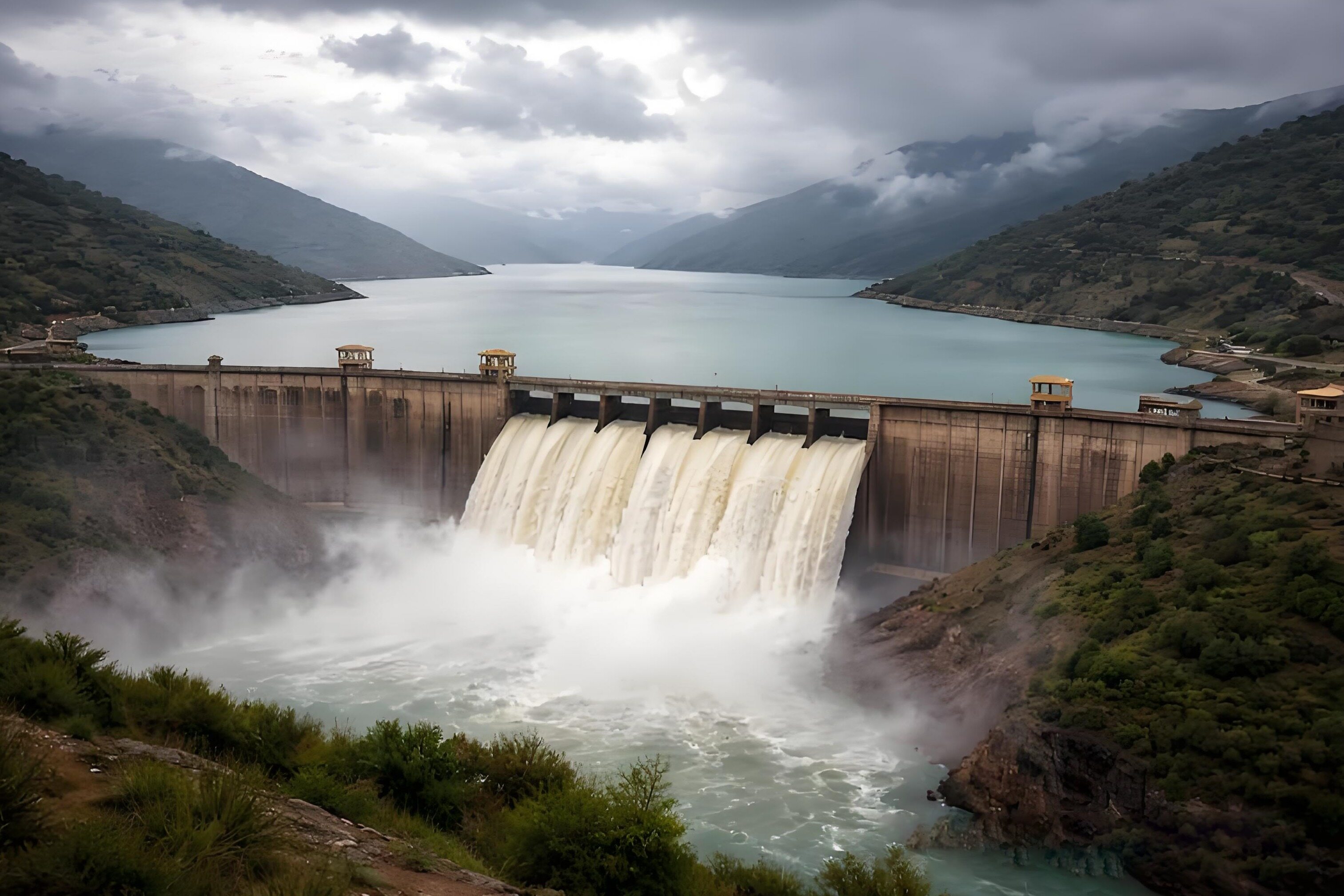
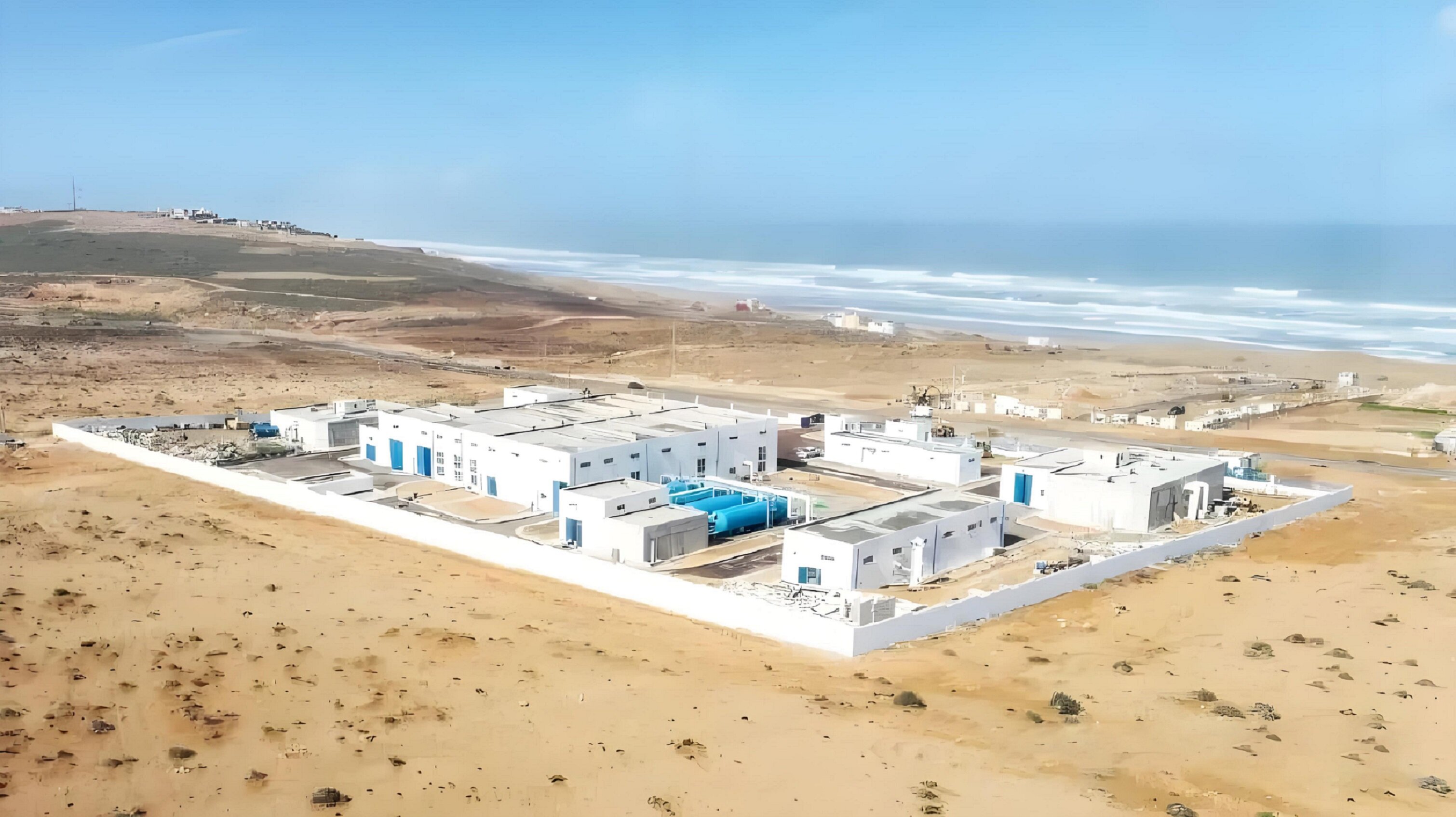
On the edge of the southern desert in Morocco, the construction site of the Dakhla seawater desalination station is busy, and the project has entered its final sprint stage. It is expected to be officially put into operation in mid-2026. This seawater desalination station, which processes 112000 cubic meters per day and is powered by wind power, is just one aspect of Morocco's national water security strategy. From 17 operational factories to 4 large-scale projects under construction, and to the long-term goal of 1.7 billion cubic meters by 2030, the Moroccan seawater desalination market is experiencing a triple leap. For Chinese water companies, this is not a matter of whether or not to pay attention, but a question of where to start.
The market size of the third tier jump is astonishing
Morocco is one of the most water stressed countries in the world, and the seven-year prolonged drought has elevated water security to a national strategy. At present, there are 17 seawater desalination plants with an annual output of 350 million cubic meters of fresh water. Four large factories under construction with a total annual production capacity of 567 million cubic meters are planned to be put into operation from the end of 2026 to 2027. The completion rate of Dakhla Station is 78%, and it is expected to be put into operation in mid-2026; The Casablanca plant is the largest in Africa, with an annual production capacity of 300 million cubic meters and a completion rate of 50%. The first phase of 200 million cubic meters is expected to be put into operation by the end of 2026. In addition, 11 coastal projects are planned to achieve an average annual dispatch capacity of 1.7 billion cubic meters by 2030, with the market size doubling and expanding from 350 million to 1.7 billion.
Standard configuration of wind power coupling technology
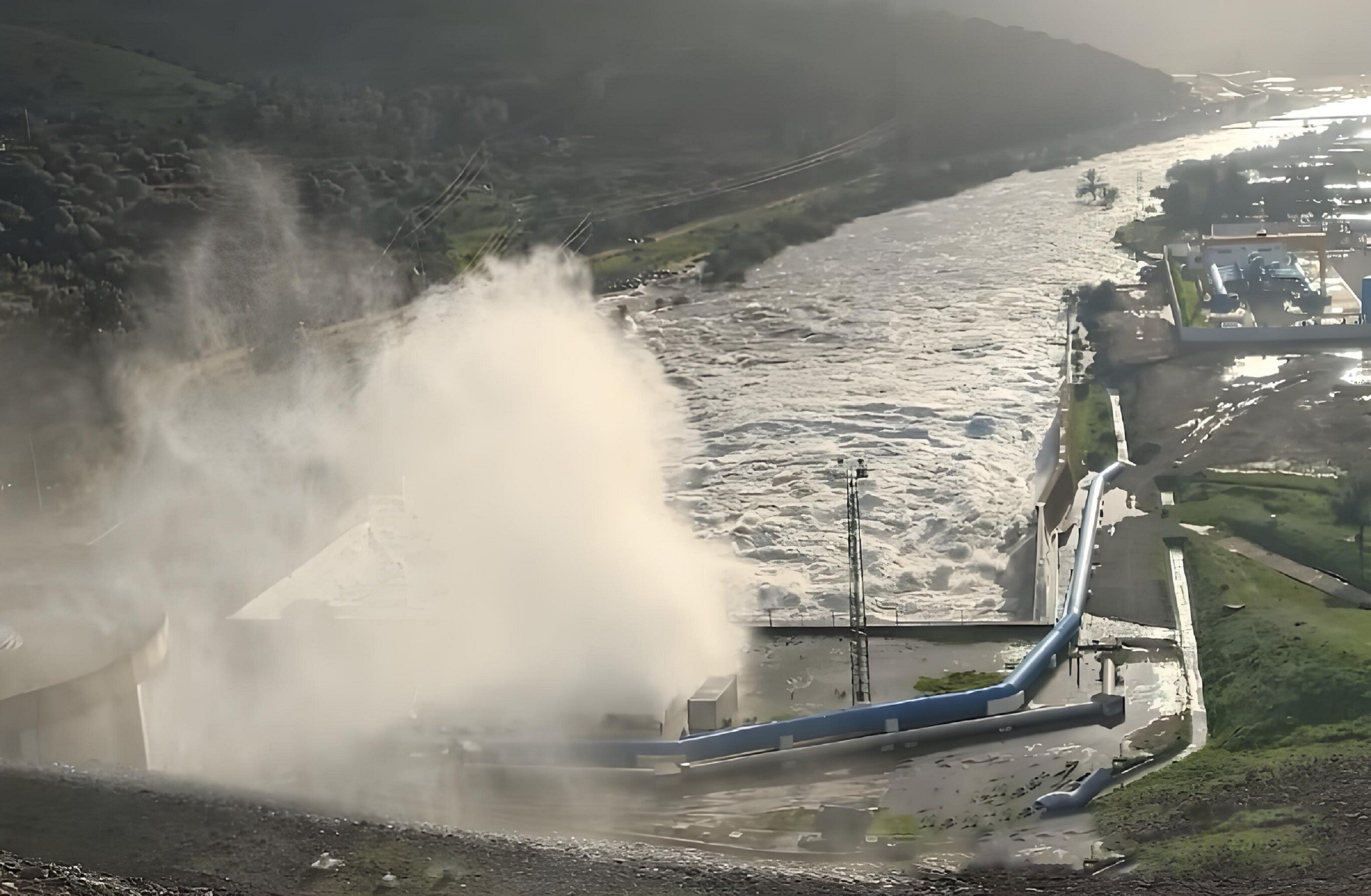
The Dakhla project is accompanied by the construction of a 60 MW wind farm, supplied with wind turbines by Far East Energy, and jointly developed with ENGIE from France and Nareva from Morocco. The coupling of wind power and seawater desalination not only solves the problem of high energy consumption but also reduces carbon footprint. The Moroccan Minister of Equipment and Water Resources has explicitly requested that new projects should be equipped with renewable energy supply in principle, and adopt wind or photovoltaic coupled desalination routes. This means that seawater desalination is no longer an isolated water engineering project, but a crossroads of water security and energy transformation strategies. The Moroccan Minister of Energy Transition also stated that there is an urgent need for the coupling of energy and seawater desalination. During the visit to Shanghai Electric, both sides reached multiple consensuses in areas such as seawater desalination, hydrogen production from seawater, and power generation equipment. Enterprises that can provide integrated solutions for seawater desalination and new energy will gain significant competitive advantages. Keywords: Infrastructure News Network, Seawater Desalination
Multi level group operations of Chinese enterprises
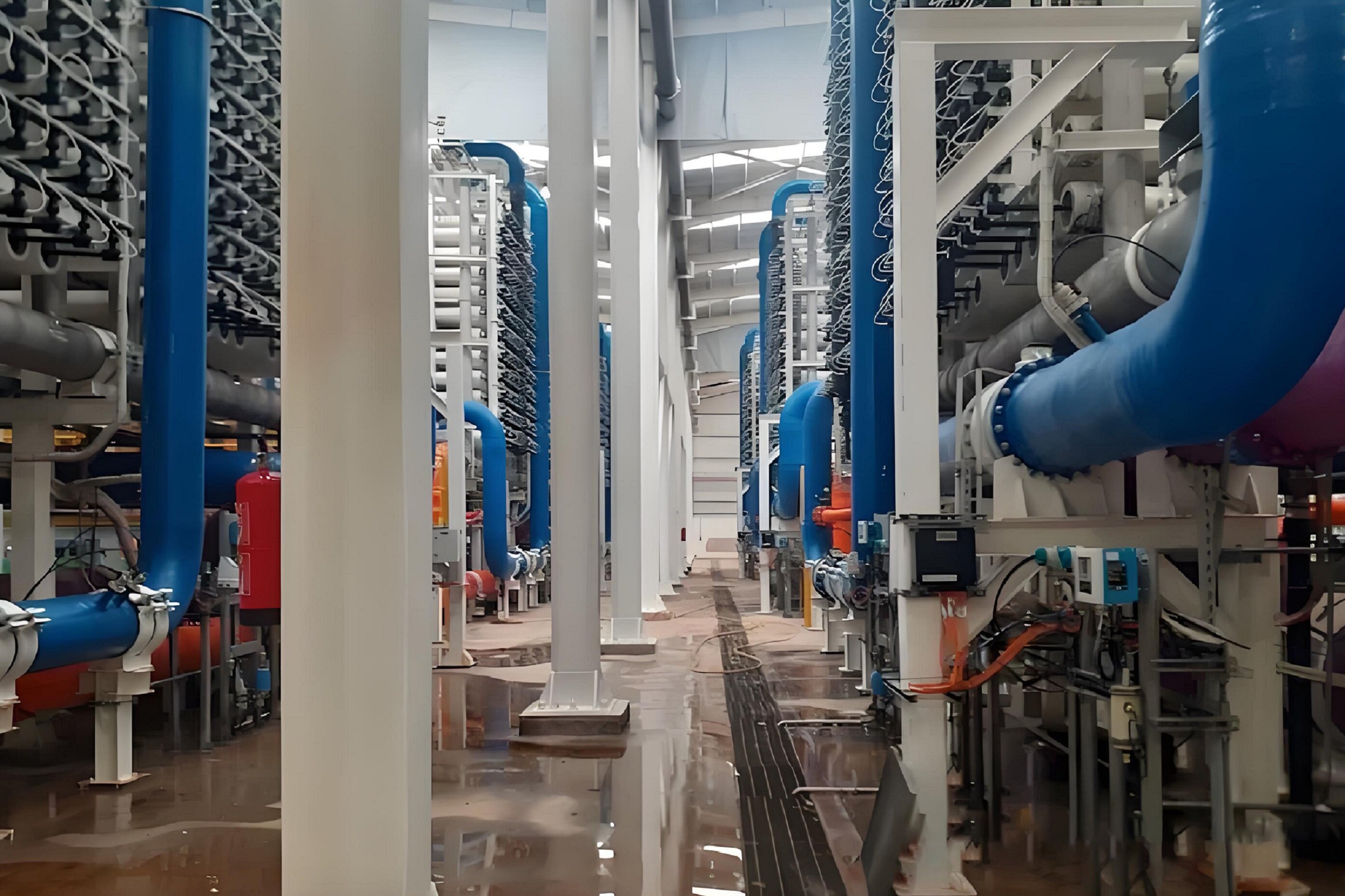
Chinese water treatment companies have formed a multi-level and multi track participation pattern in Morocco. In terms of EPC general contracting, China Haicheng participated in the seawater desalination EPC project, and Shanghai Electric deeply participated in the construction of the Safi project and won the bid for the SAFI WAVE Phase II 600000 ton/day SWRO project. The core system will be delivered within seven months, and the scale of new seawater desalination projects from 2024 to 2025 ranks fifth in the world. In terms of engineering subcontracting and equipment supply, Hubei Century Tongxing won the civil engineering major contract, while Lepu Industrial won the bid for separation membrane shell products. In terms of new energy coupling, Far East Energy supplies wind turbines to Dakhla. From EPC general contracting to equipment supply, from civil construction to new energy coupling, China's water treatment industry chain is forming a group combat situation in Morocco. Morocco is becoming a certified market for China's water treatment technology to go global. Winning a project in Morocco is itself a passport to the water market in North Africa and even the entire Africa.Editor/Gao Xue
Comment

 Praise
 Collect
 Comment

 Share
Share


Write something~