 Search


- The uneven distribution of multilateral economic and trade exchanges reflects the differences in trade structure in Central Asia
- In the first half of the year, Central Asian trade overall rose, and the economic and trade performance of various countries showed significant differentiation
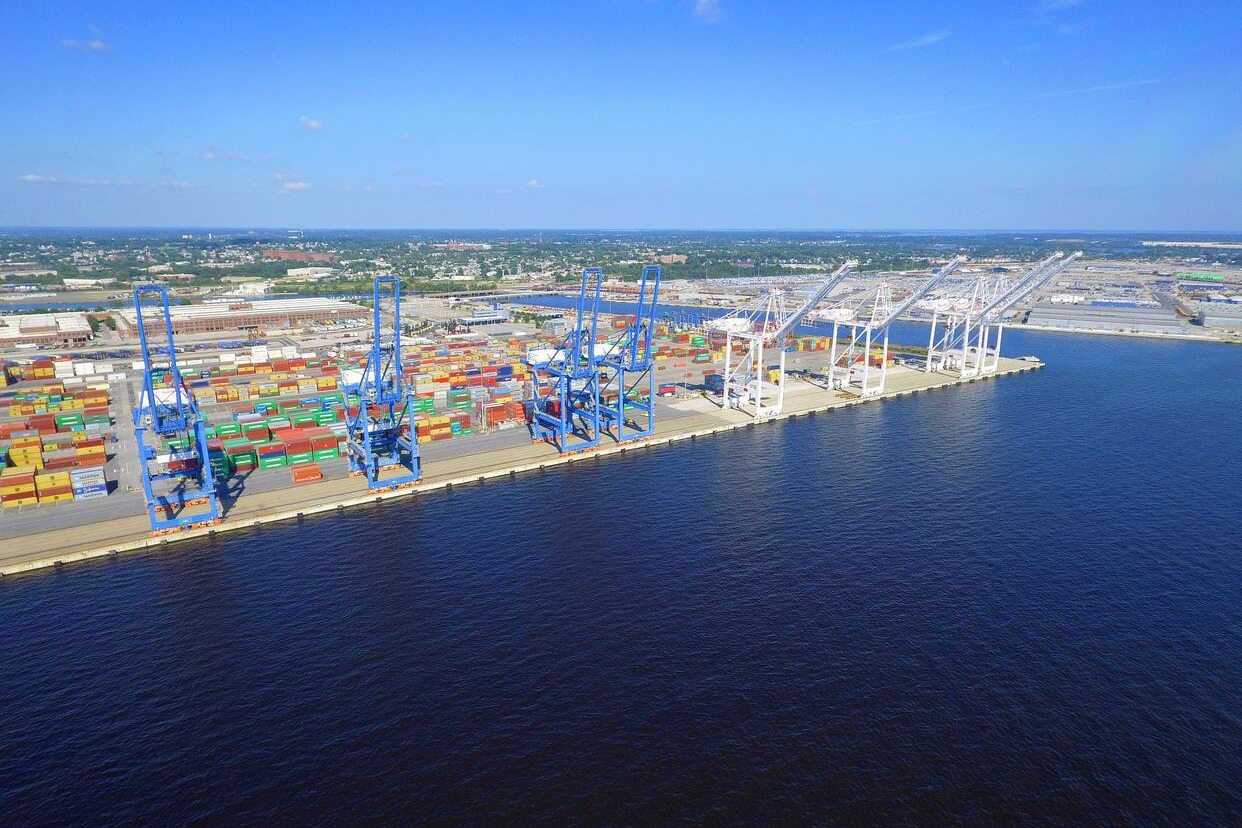
The camel bells are replaced by the roaring of railway tracks, and the Central Asian hinterland is becoming a new front for foreign trade. When Chinese made vehicles and photovoltaic panels are overturned in Shanxi, and pipeline natural gas and mineral products return to the east, the bilateral trade market has steadily improved in the first half of the year, but it cannot conceal the uneven distribution of heat and cold among the five countries - some have surged and surged, while others have suddenly receded.
Overall trade market
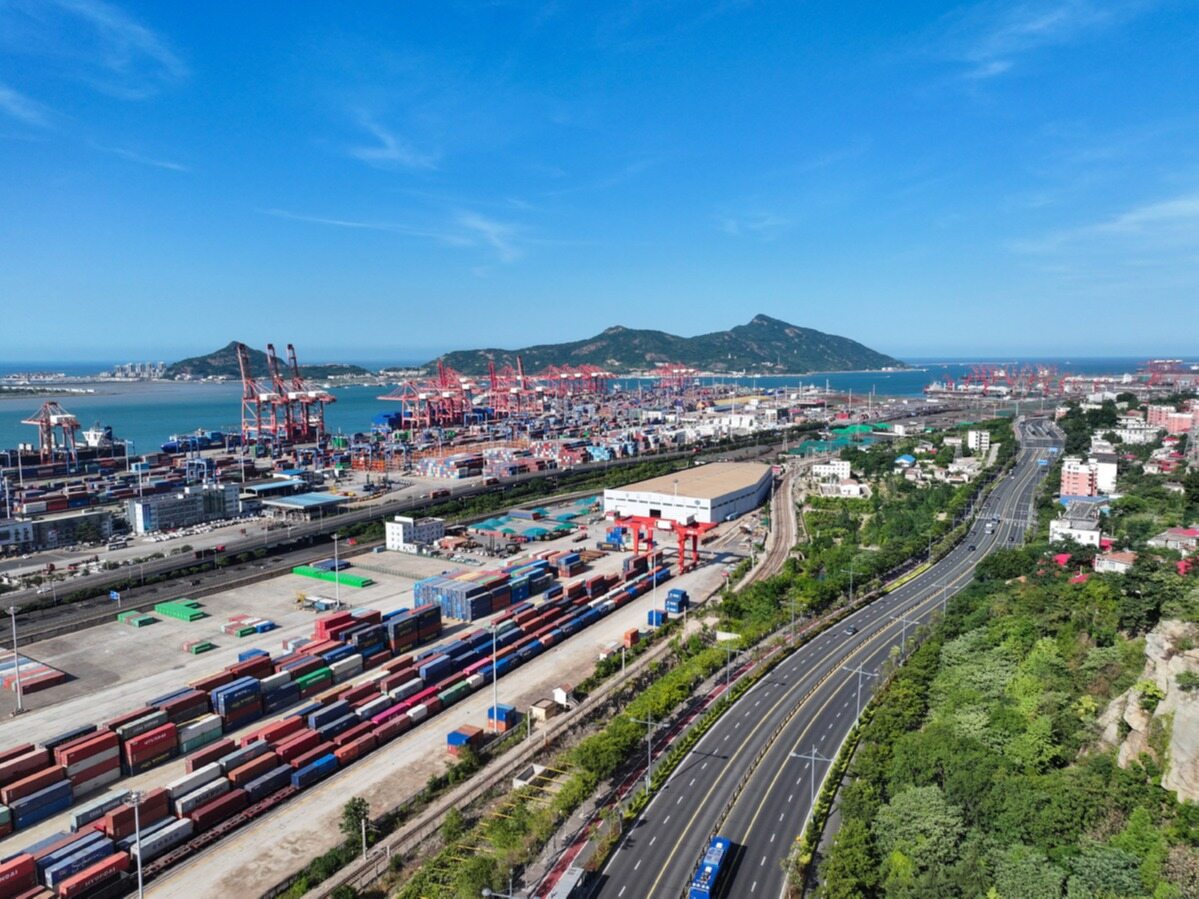
According to statistics from the General Administration of Customs, in the first half of 2026, China's overall trade with Central Asia achieved an upward trend, with the total bilateral trade volume increasing from 49.7 billion US dollars in the same period last year to 52.94 billion US dollars, a year-on-year increase of 6.5%. In terms of trade structure, China has a prominent trade surplus, with exports of 34.94 billion US dollars and imports of 18 billion US dollars, with an import to export ratio of about 2:1. At the national level, the trend is differentiated, with Uzbekistan, Kazakhstan, and Tajikistan experiencing an increase in trade volume, while Kyrgyzstan and Turkmenistan are experiencing a decline.
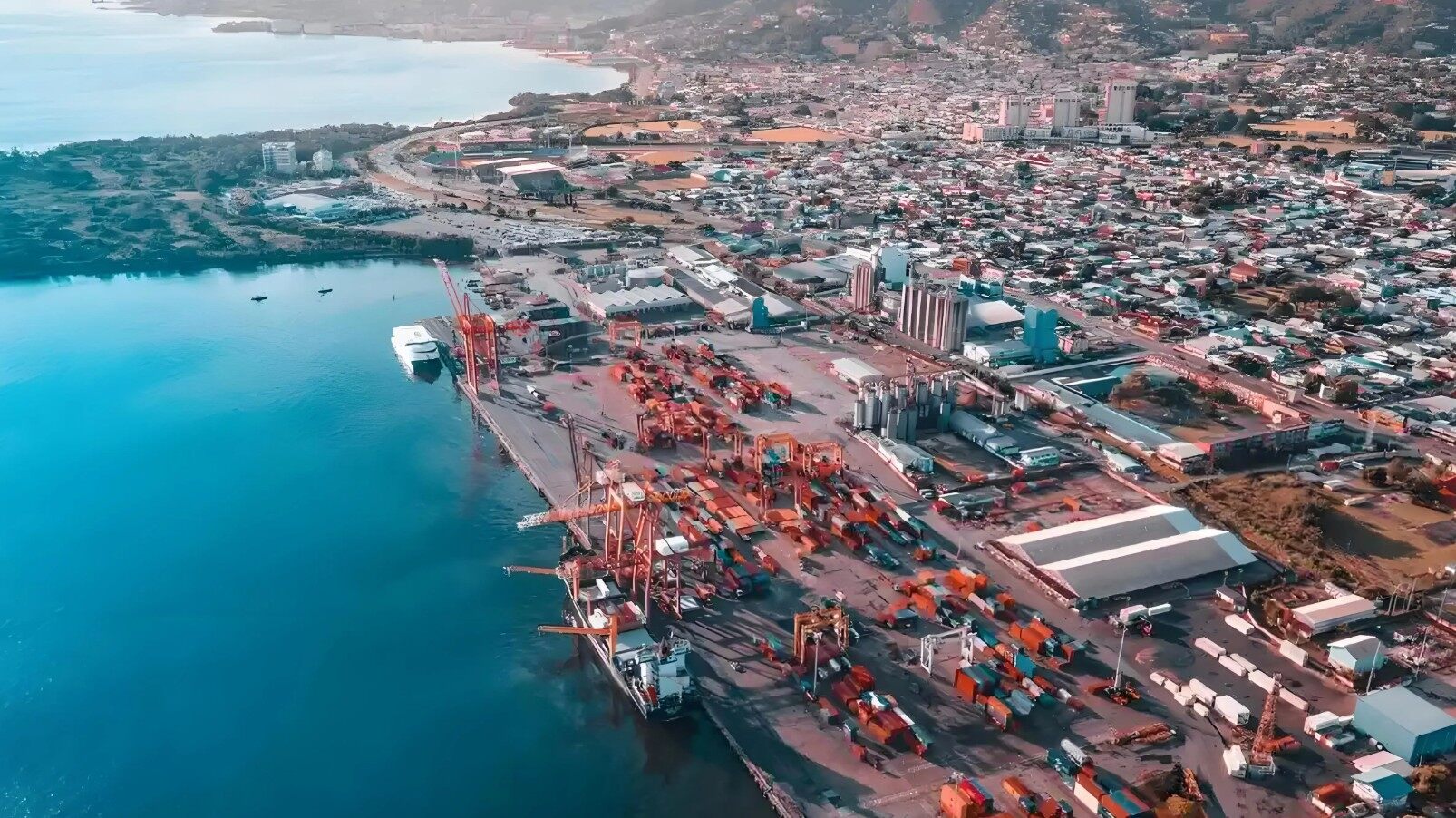
Multi country trade shines brightly
Uzbekistan leads the growth rate of Central Asian trade, with bilateral trade volume surging by 31% year-on-year in the first half of the year, reaching 8.87 billion US dollars. Among them, China's exports to Ukraine have expanded to 7.65 billion US dollars, while imports from Ukraine have increased to 1.22 billion US dollars. Bilateral trade still shows a significant deficit with China.
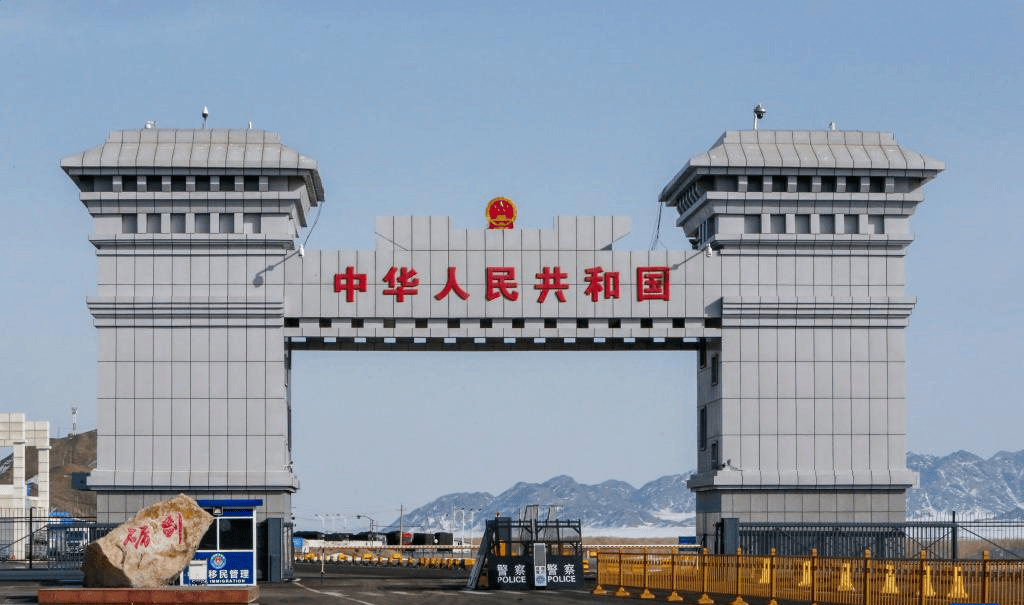
Kazakhstan's trade has also seen a significant increase, with bilateral trade volume growing by 25% year-on-year to $27.2 billion. Unlike Uzbekistan, the import and export of the two countries are more balanced. China's exports to Kazakhstan have slightly increased, while imports from Kazakhstan have achieved significant growth. Bilateral trade between Tajikistan is steadily improving, with a year-on-year increase of 15% and a total value of 2.35 billion US dollars. The export scale of China is significantly higher than that of imports, and the trade pattern is similar to that of Uzbekistan.
Trade between the two countries experiences fluctuations
Kyrgyzstan's trade with China has experienced a significant decline, with bilateral trade volume dropping from 14.25 billion US dollars to 9.7 billion US dollars. The country's exports to China have plummeted sharply, while imports have slightly decreased. Previously, exports experienced a surge and rapid contraction, and both sides have not yet explained the reasons for the fluctuations. The industry speculates that the fluctuations may be related to the physical settlement of related re exports. Keywords: Central Asian trade, Uzbekistan, Kazakhstan, Kyrgyzstan

Turkmenistan's trade has slightly declined, with a year-on-year decrease of 1% and a total value of 4.82 billion US dollars. It is also the only country among the five Central Asian countries to maintain a trade surplus with China. As a key source of natural gas for China, its exports to China continue to shrink, while imports from China have increased. Central Asia is an important region for the Belt and Road cooperation. The changes in trade between countries reflect the opportunities and challenges of regional economic and trade cooperation.Editor/Gong Ziwei
Comment


 Praise
 Collect
 Comment

 Share
Share


Write something~