 Search


- Long term cooperation between China and Mongolia in fuel supply, solving the security dilemma of Mongolia's single fuel supply
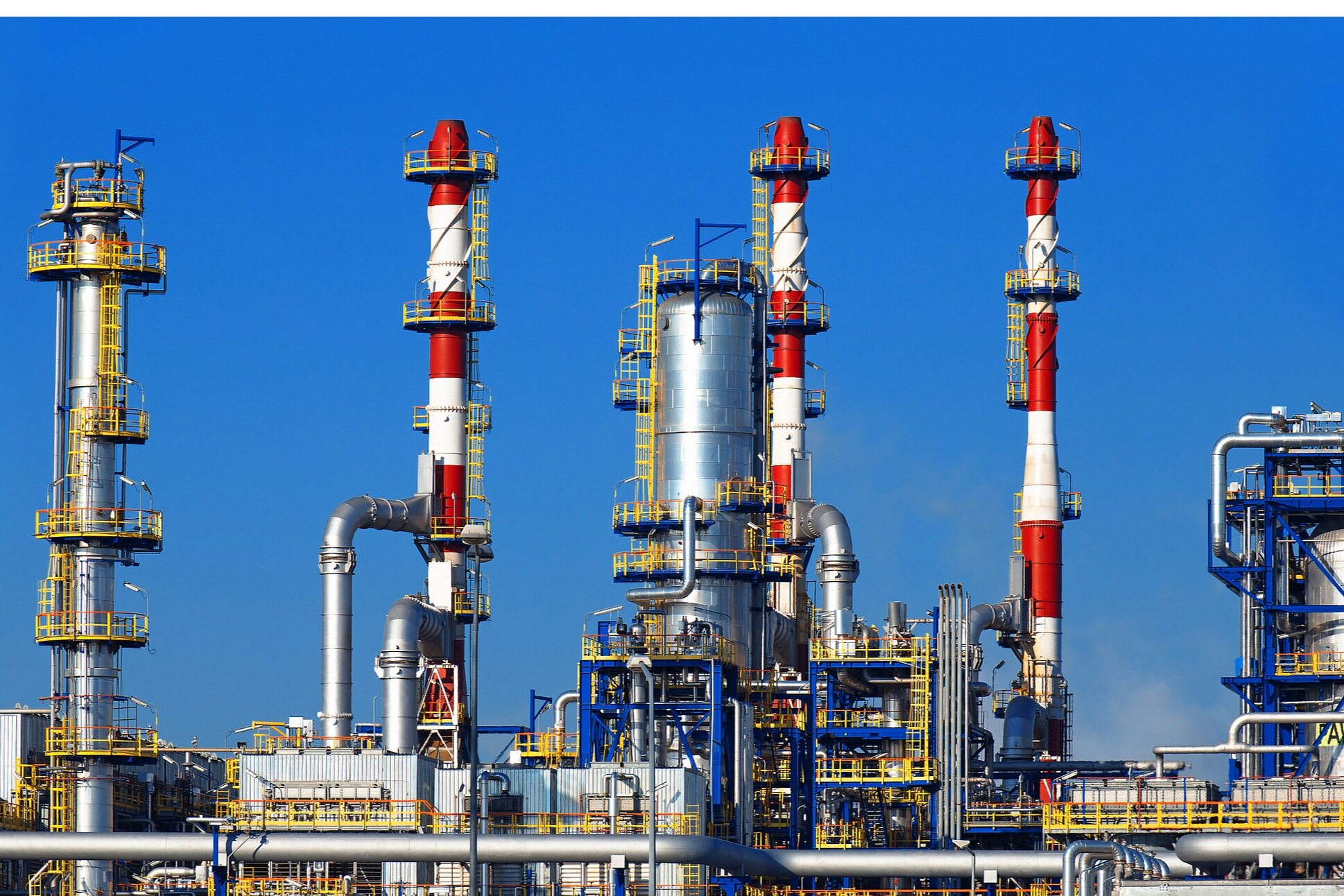
Affected by geopolitical conflicts, Mongolia is facing widespread fuel shortages and domestic inventories are on the brink of depletion. The local prime minister urgently contacted CNPC in Ulaanbaatar to finalize emergency fuel supply and long-term stable supply plans, in order to reconstruct a diversified energy supply system and strengthen the foundation of national energy security.
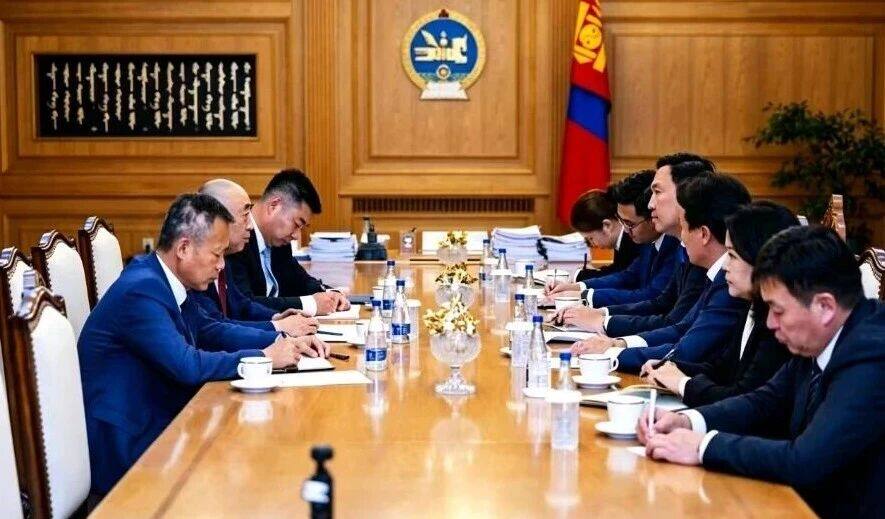
Oil shortage erupts comprehensively
Mongolia has no local refining capacity and relies on long-term imports from Russia for 95% to 97% of its fuel, making its supply chain highly fragile. Affected by the Russia-Ukraine conflict, Russian oil refining facilities have been hit more than 100 times, and the export of refined oil has shrunk significantly, which directly led to a precipitous decline in Mongolian fuel supply. The daily consumption of AI92 gasoline in the local area ranges from 950 to 1200 tons, with the peak oil consumption soaring to 1800 tons. In early August, there were only 11 to 13 days of remaining inventory. The government was forced to implement control measures such as fuel quotas and odd and even license plate restrictions, which have completely hindered people's travel, agricultural and animal husbandry production, and industrial and mining operations. China urgently provided 6000 tons of AI92 gasoline to fill the short-term supply gap and effectively calm market panic.
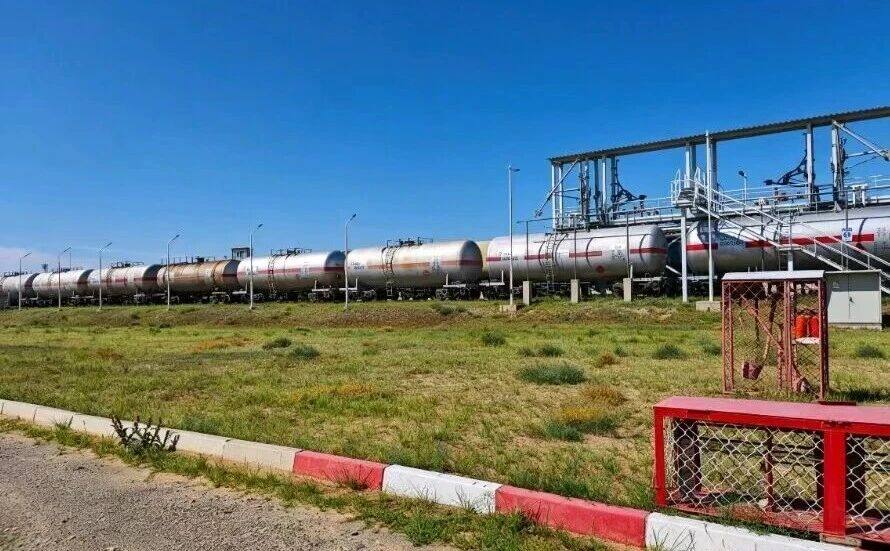
Establish a long-term mechanism
In order to completely break free from the passive situation, the Mongolian Prime Minister has put forward two core cooperation demands, promoting the upgrading of China Mongolia fuel cooperation from emergency relief to normalized strategic cooperation. One is to establish a monthly stable supply channel, planning to purchase 12000 to 15000 tons of gasoline from China every month, which can cover 15% to 18% of the local total gasoline demand and reduce dependence on Russian imports year by year. Secondly, we hope to moderately lower the port fuel supply prices to alleviate domestic inflationary pressures and business operating costs. The Chinese partner CNPC Daqing Tamuchag Company has been deeply involved in the Mongolian market for more than 20 years, establishing a two-way circulation model of domestic crude oil transportation and reverse export of domestic refined oil products. The cumulative import of Mongolian crude oil at the port has exceeded 10 million tons, and it has repeatedly ensured local supply during oil supply crises, possessing mature capabilities for contract fulfillment and cross-border allocation.
Reshaping the Energy Landscape
This high-level meeting is a key turning point in Mongolia's energy diversification strategy. Previously, Mongolia sought various overseas fuel procurement channels, but it was difficult to implement them due to inland location and logistics cost constraints. The adjacent ports between China and Mongolia have efficient customs clearance and outstanding supply chain risk resistance capabilities. During the suspension of fuel supply by Russia in 2021, China urgently transported 2750 tons of gasoline for rescue. Keywords: fuel cooperation, Mongolia's energy security, CNPC cross-border fuel supply
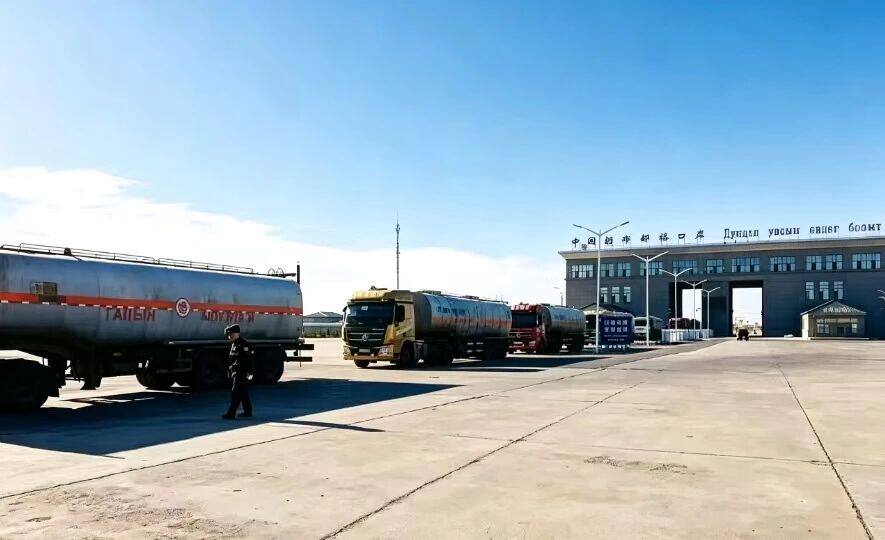
Based on the achievements of this cooperation, Mongolia will accelerate the plan to build a strategic fuel reserve by 2028 and improve its energy reserve system by stabilizing oil supply to China. CNPC will also continue to leverage its advantages in refining and cross-border trade, using sustainable supply models to help Mongolia build a strong energy security barrier and deepen practical industrial cooperation under the comprehensive strategic partnership between China and Mongolia.Editor/Min Jing
Comment

 Praise
 Collect
 Comment

 Share
Share


Write something~