 Search


- As one of the three cross-border standard gauge railways between China and Vietnam, it will start construction before 2030
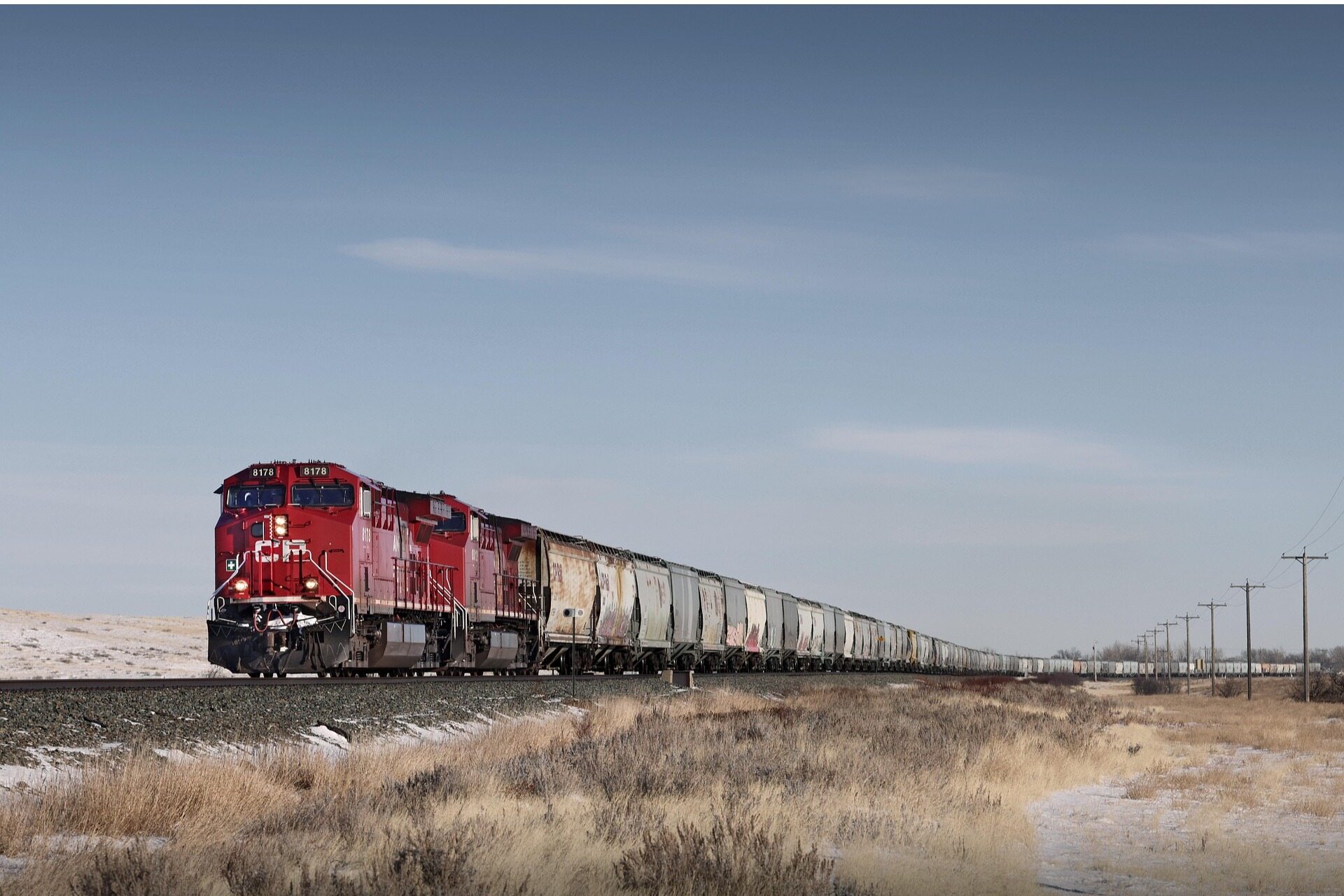
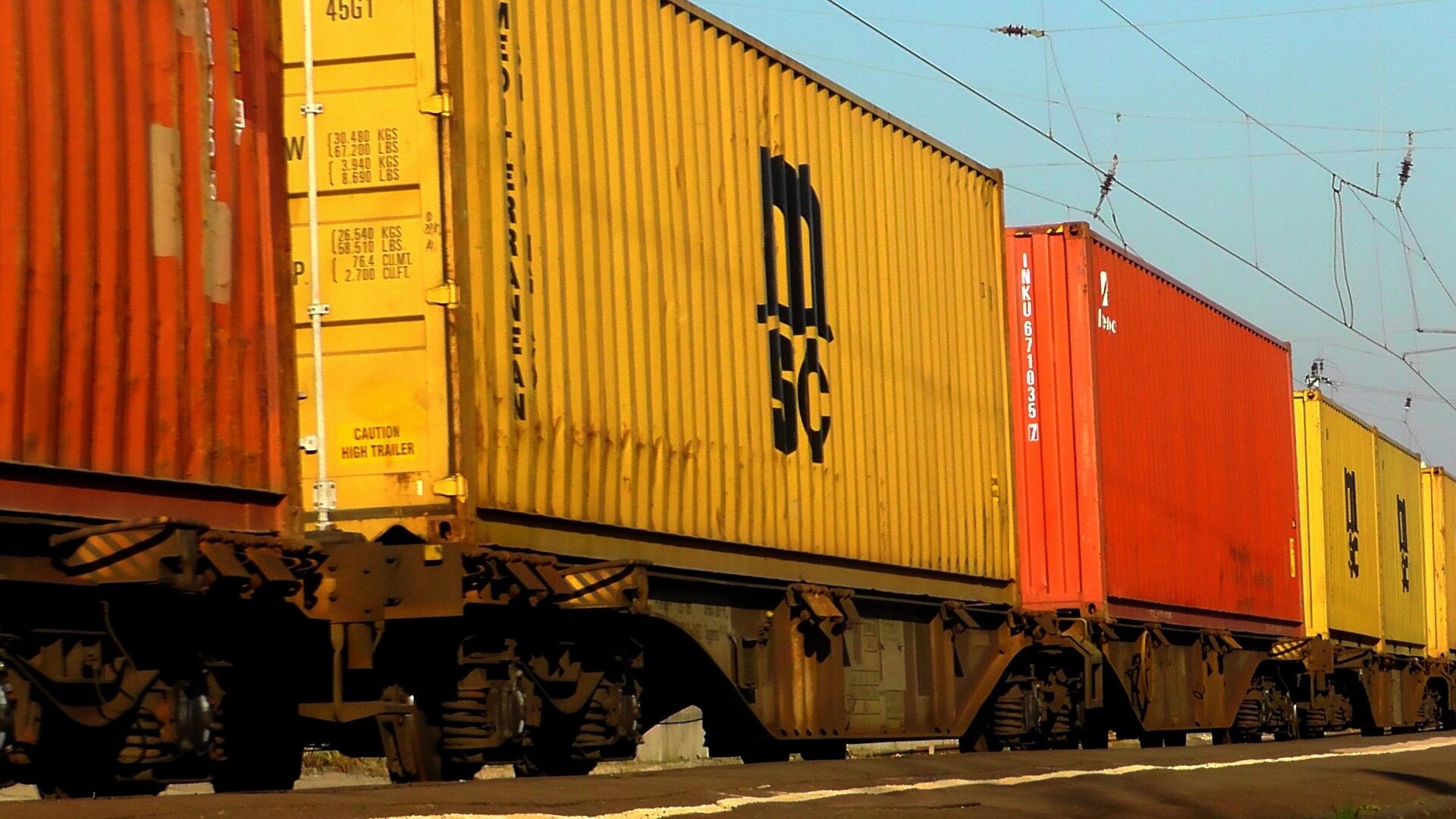
In August 2026, at the Tongdeng Port in Liangshan, a China Vietnam freight train loaded with cross-border goods slowly passed through the existing standard gauge change point. The driver looked at the newly reserved railway construction site not far away, and the cargo box behind him was filled with Vietnamese tropical fruits that were about to be sent to China, as well as new expectations for the upgrading of cross-border railways in northern and southern Vietnam.
The Vietnamese Ministry of Construction is currently refining the investment and construction plan for the Hanoi Tongdeng Railway project, and is soliciting opinions from relevant departments and local governments along the line. This standard gauge railway with a total investment of over 5 billion US dollars, as one of the three cross-border standard gauge railways between China and Vietnam, will be completed and put into operation by 2035, completely opening up a new channel for standard gauge cross-border transportation between China and Vietnam.
Clear project details and construction path
According to the pre feasibility study report completed by the Vietnamese Ministry of Construction, the Hanoi Tongdeng Railway starts from the north side of Hanoi An Yuan Station and ends at Tongdeng Port in Lang Son Province, with a total length of about 138 kilometers and 11 stations along the line. The line passes through three provinces and cities: Hanoi, Beining, and Lang Son.
The project adopts a standard gauge of 1435 millimeters for the entire line, while taking into account the dual needs of passenger and freight transportation. The designed maximum speed is 160 kilometers per hour, and there are also reserved upgrade conditions for future speed increases to 200 kilometers per hour. The special section from Tongdeng to the international intermodal connection point is designed with a speed of 80 kilometers per hour. The project plan will be implemented in stages, with the first phase of construction starting with a single track railway and reserving sufficient space for future expansion of double tracks.
Clear planning has also been made for the operation mode, and in terms of passenger transportation, international intermodal trains connecting China will be operated, as well as fast and regular passenger trains within Vietnam; In terms of freight transportation, international intermodal freight trains will be launched to connect China and the Asia Europe railway network, while fully meeting the domestic freight demand in Vietnam. In the first half of 2026, the cross-border railway freight volume between China and Vietnam increased by 42% year-on-year, and the capacity of existing lines is close to saturation. The planning and implementation of this new standard gauge railway is precisely to match the continuously surging demand for cross-border transportation.
Clear pace of advancement with broad prospects
The preliminary budget shows that the expected investment for the first phase of the project is over 137 trillion Vietnamese dong, approximately 5 billion US dollars. The funding source is planned to be mainly from the Vietnamese national finance, and local governments along the route can participate in land acquisition and demolition work, while also bearing part of the construction funds.
Vietnam plans to adopt an innovative model of separating infrastructure management from transportation operations, with specialized infrastructure management units responsible for the daily operation and maintenance of the railway system. Various transportation enterprises will carry out market-oriented commercial operations by paying line usage fees, fully stimulating the operational vitality of railways. At present, the pre feasibility study report of the project has been officially completed in July 2026, and the investment approval proposal is planned to be submitted to the Vietnamese National Assembly for review in the third quarter of 2026. The project is scheduled to officially start before 2030 and strive to be basically completed by 2035. Keywords: Cross border trains, China Vietnam cross-border railways
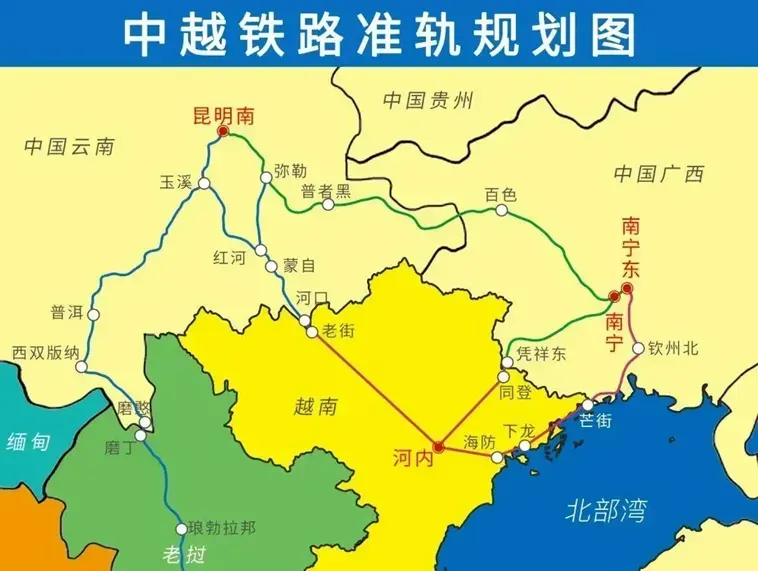
The promotion of the Hanoi Tongdeng Standard Gauge Railway, from the cross-border trains waiting for track changes at Tongdeng Port to the fast trains that will directly connect to China's standard gauge network in the future, is a crucial step in the process of cross-border connectivity between China and Vietnam. After the completion of the project, it will completely eliminate the pain points of gauge conversion in the China Vietnam cross-border railway, significantly reduce the time and cost of cross-border passenger and freight transportation, and achieve a qualitative leap in the interconnection level between the railway networks in northern Vietnam and China, injecting new railway energy into the economic and trade exchanges and personnel exchanges between China and Vietnam.Editor/Cheng Liting
Comment


 Praise
 Collect
 Comment

 Share
Share


Write something~