 Search


- Vietnam introduces new railway plan, ushering in development opportunities for cross-border rail transit
- Multiple supportive policies have been implemented, providing ample space for cooperation across the entire rail transit industry chain

The old dream of meter gauge in the Indochinese Peninsula is being rewritten by the blueprint of standard gauge. The new planning of Vietnam's one paper railway has put the cross-border channel connecting with China's standard track on the top priority. The Chinese army corps of rail transit equipment, smart signals, and EPC projects, following the context of RCEP and the the Belt and Road, ushered in the turn of the millennium business road into a 100 billion track.
Planning Update
Southeast Asian engineering and rail transit equipment companies are highly concerned about the trend of Vietnam's transportation infrastructure. In July 2026, Vietnam released a new version of its railway network plan, prioritizing the integration of Chinese standard gauge cross-border railways, with a total investment equivalent to over 63 billion US dollars.
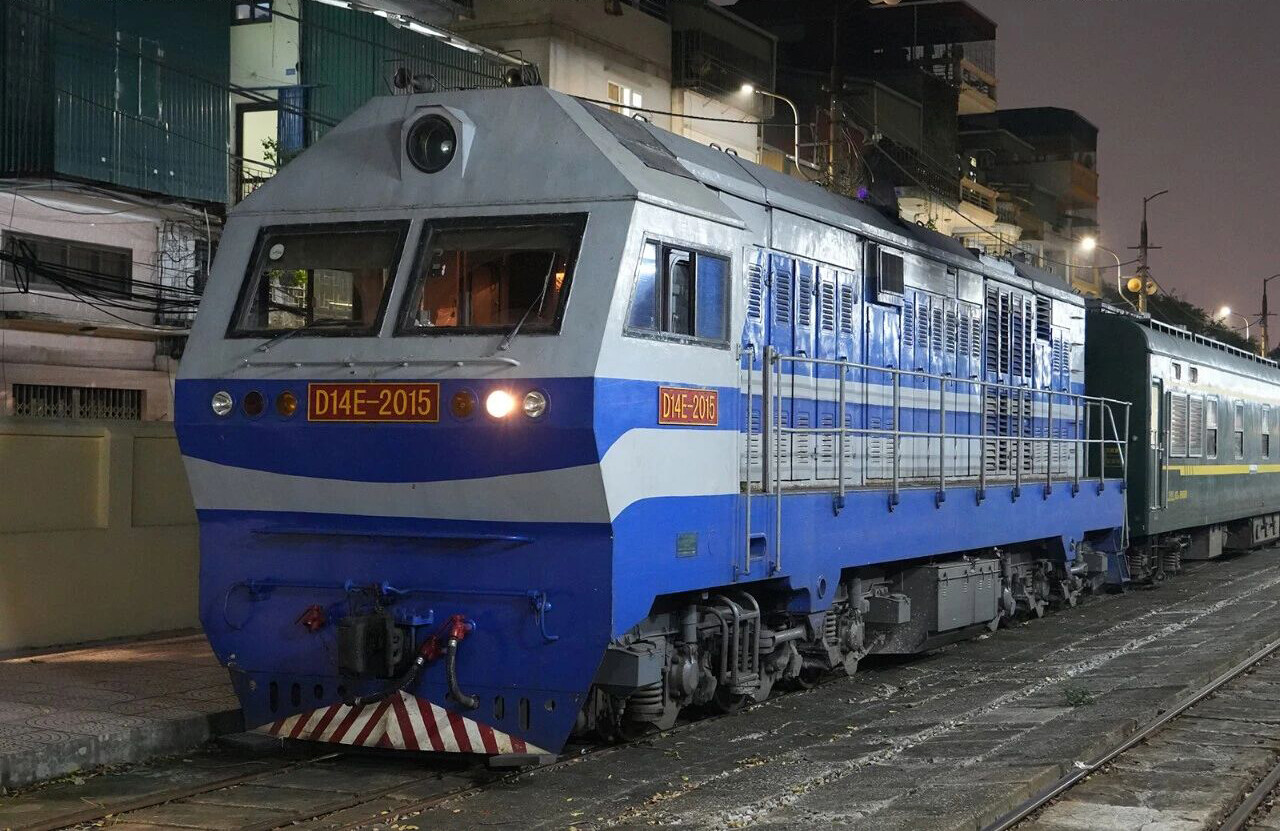
Vietnam used to overly rely on road transportation, with railway freight accounting for only 1%. In the future, new railway lines will uniformly adopt 1435mm standard gauge, and three cross-border railways to China, north-south high-speed railways, and urban rail transit will be gradually implemented. Combined with supportive policies such as taxation and franchising, the rail transit industry will usher in a long-term cooperation window. Based on official information and field research, a comprehensive interpretation of this plan will be conducted for Zhongde High Road.
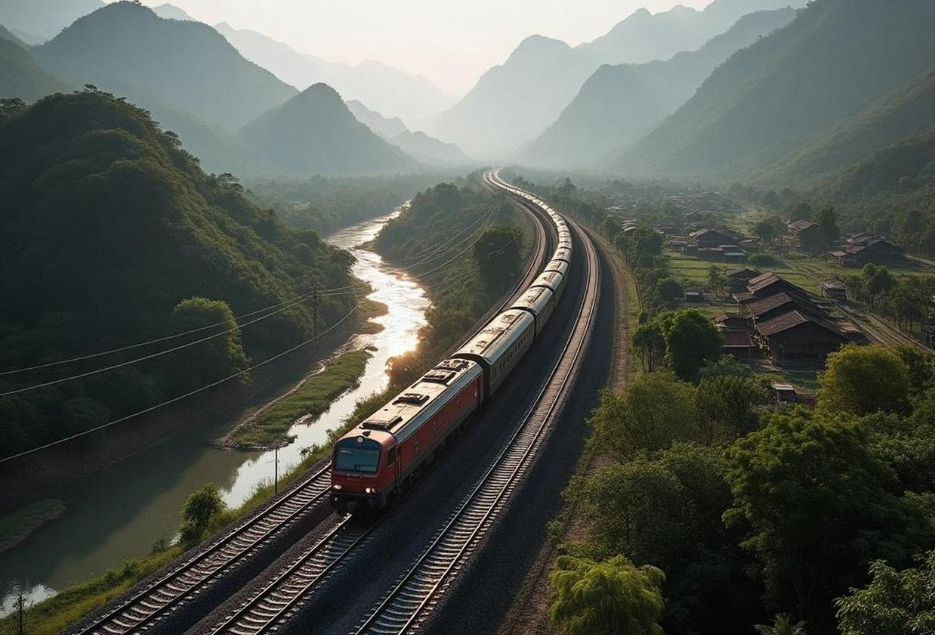
The planning adjustment stems from three aspects: firstly, the high-speed economic growth has forced the upgrading of logistics, and the existing old meter gauge is unable to bear the production capacity of foreign-funded manufacturing industry; Second, the operation effect of China Laos railway has brought competitive pressure, and Vietnam is unwilling to be marginalized in the logistics pattern of Indochina Peninsula; Thirdly, the local rail transit industry chain is weak, with almost all core equipment relying on imports, and opportunities for external procurement and joint venture construction are being released. Four core changes in planning: unified adoption of standard tracks; Raise the priority of cross-border railway construction with China; Significantly expanding the road network and planning the north-south high-speed railway; Innovative investment and financing models such as PPP, REITs, TOD, etc. The market size of locomotive and construction machinery procurement will exceed 34.1 billion US dollars from 2025 to 2035, driving demand for derivative industries.
Three Cross border Standard Tracks for China
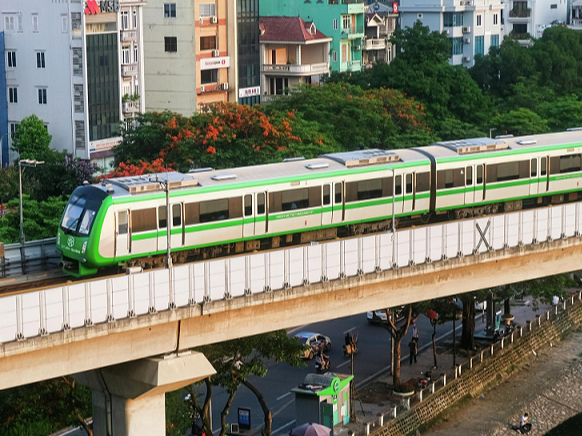
The Laojie Hanoi Haiphong railway will start construction by the end of 2025 and connect with the Hekou Port in Yunnan. It is expected to be completed by 2030; Hanoi Tongdeng Railway connects with Pingxiang, Guangxi; Haiphong Halong Mangjie Railway connects Dongxing, Guangxi; Two additional long-term border branches will be connected to Laos. The North South high-speed railway has a total length of 1541 kilometers and a speed of 350 kilometers per hour. It will start construction in stages in 2027 and adopts the PPP model. Chinese and foreign consortia are welcome to participate. Hanoi and Ho Chi Minh City continue to promote the construction of urban rail transit, and the existing old meter gauge and port railway connecting lines are simultaneously renovated and upgraded.
Track Policy
Four major cooperation tracks for rail transit: EPC engineering survey and general contracting; Locomotive vehicles and track components; Smart railway signal, 5G rail transit system; Shield tunneling machinery and railway building materials. The standard parts of the China Vietnam Railway are interconnected, and domestic products are adapted to the local environment, providing a competitive advantage. Foreign investment can enjoy various supports such as income tax reduction, equipment import tax exemption, long-term franchise operation, TOD land priority development, and special credit. Keywords: Vietnam Railway, Standard Gauge, Cross border Railway, Rail Transit Infrastructure, the Belt and Road News
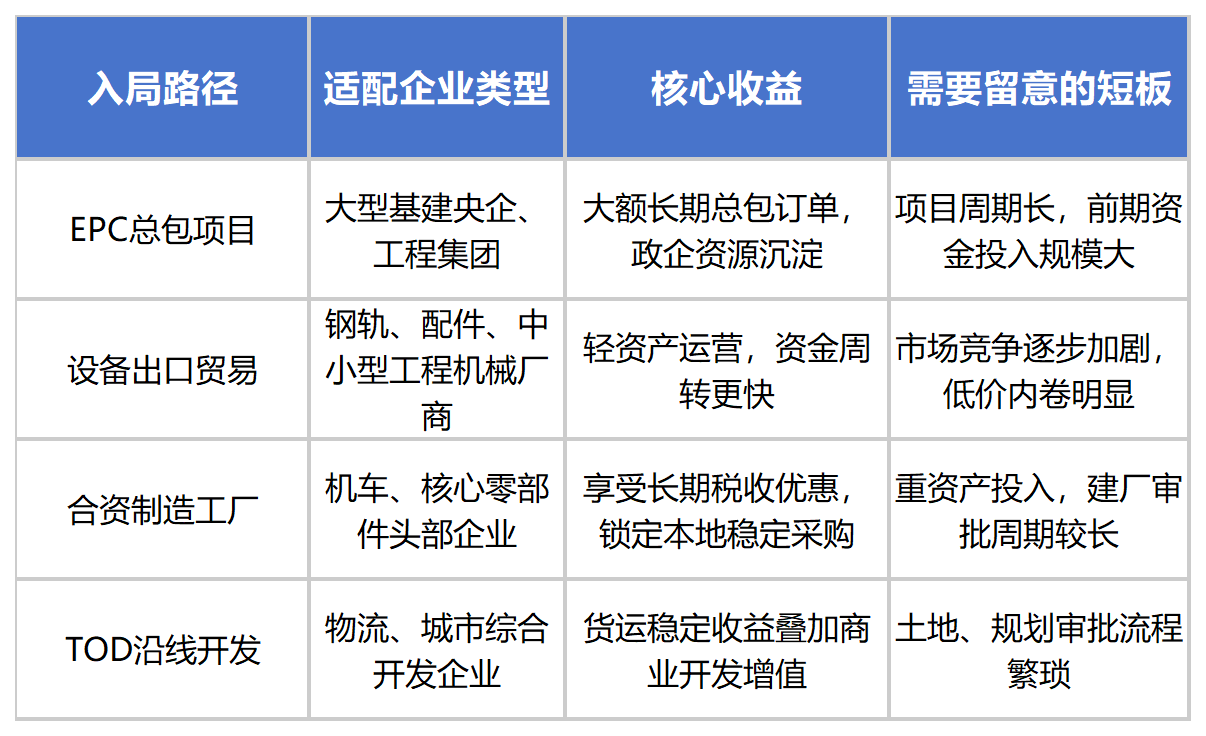
Five major risks to be prevented when going abroad: mandatory requirement for localization procurement ratio; The manufacturing and operation business is subject to foreign equity constraints; The project construction payment cycle is long; Large scale projects come with technology transfer obligations; Facing competition from multiple overseas manufacturers on the same platform. The new version of Vietnam's railway plan opens up a hundred billion yuan rail transit market, relying on standard interoperability and policy benefits, domestic enterprises have cooperation advantages. However, constrained by localization, equity, long cycle and other conditions, enterprises should complete compliance research in advance when going to sea, grasp long-term industrial dividends and seize the opportunities of the Belt and Road and RCEP going to sea by virtue of the layout of professional institutions.Editor/Gong Ziwei
Comment

 Praise
 Collect
 Comment

 Share
Share


Write something~