 Search


- Kazakhstan launches the Benev Sakchorsk project, marking a new milestone in the upgrade of the China Europe cross-border channel
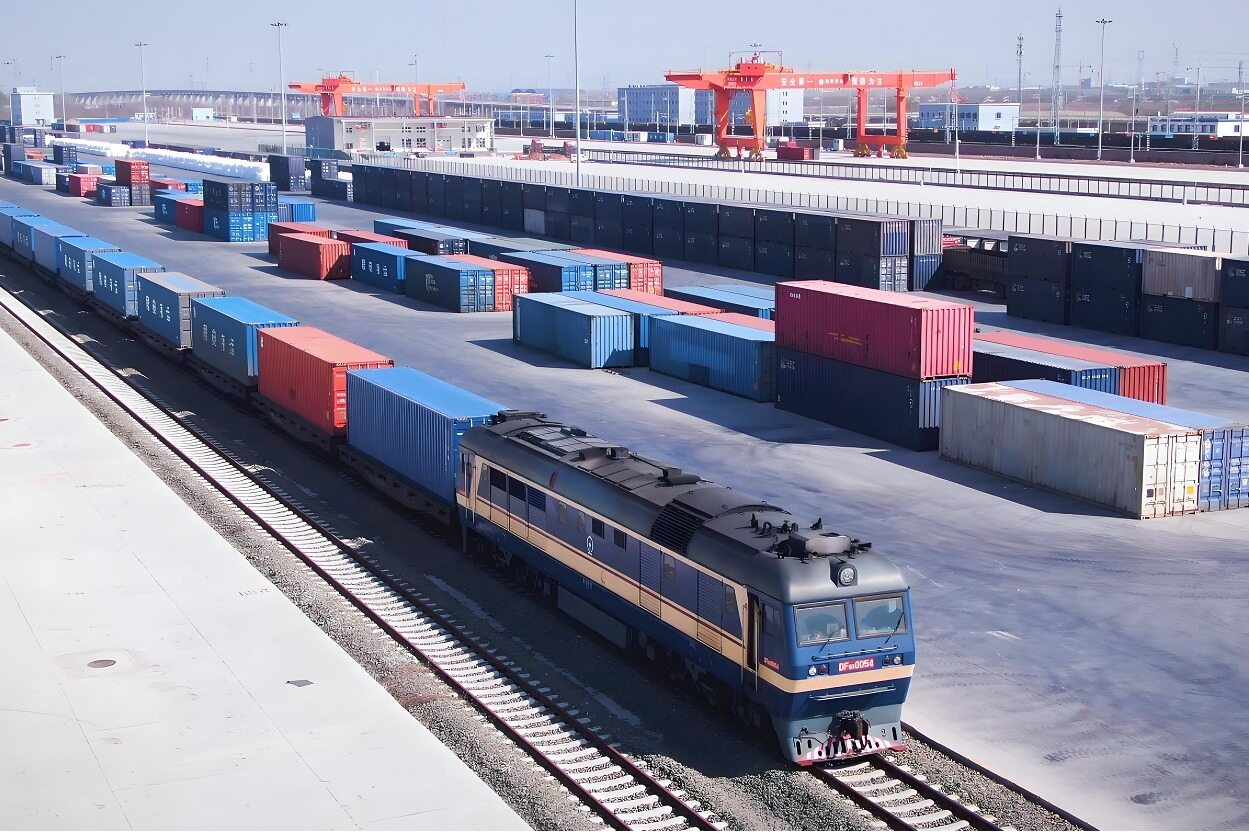
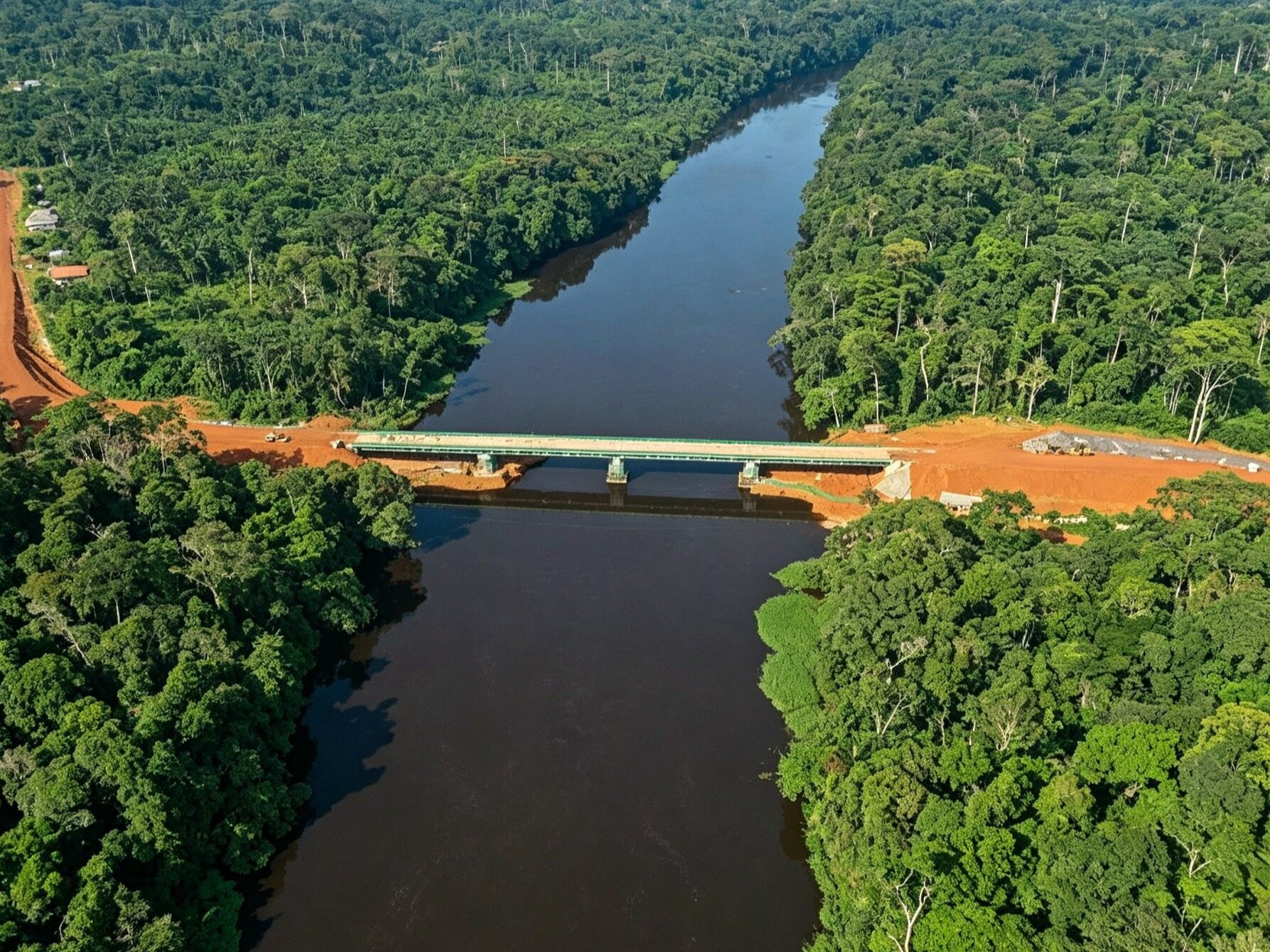
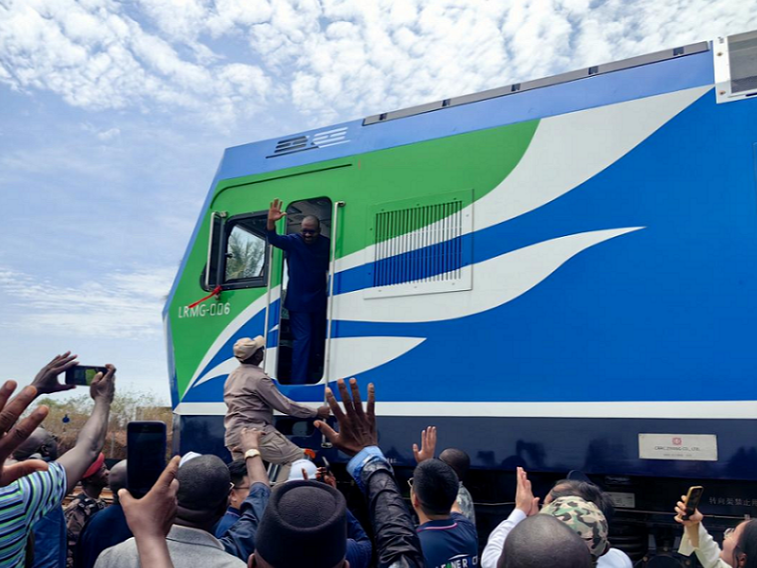
In August 2026, a China Europe freight train loaded with Chinese mechanical and electrical products slowly passed through the Beineu section of Kazakhstan. The driver looked out the window at the newly laid out roadbed of the highway, which President Tokayev had called the golden bridge connecting China and Europe. It had already landed on the construction site in the Gobi Desert from the planning drawings.
With the official launch of the iconic transportation project in Beineu Sakchorsk, a new stage of transportation infrastructure for Kazakhstan's long-term development strategy has fully begun. This Central Asian country, which has the world's longest continuous land border between China and Kazakhstan and direct access to the Caspian Sea, is gradually transforming its geographical advantage into the most resilient land logistics channel between China and Europe.
The construction of core channels continues to accelerate
The Beineu Sakchorsk Expressway project will directly connect the border points with the ports of Aktau and Kurik in the Caspian Sea. After completion, it will shorten the distance of cross-border cargo transportation between China and Europe by about 1000 kilometers, and the delivery time can be compressed by up to three days.
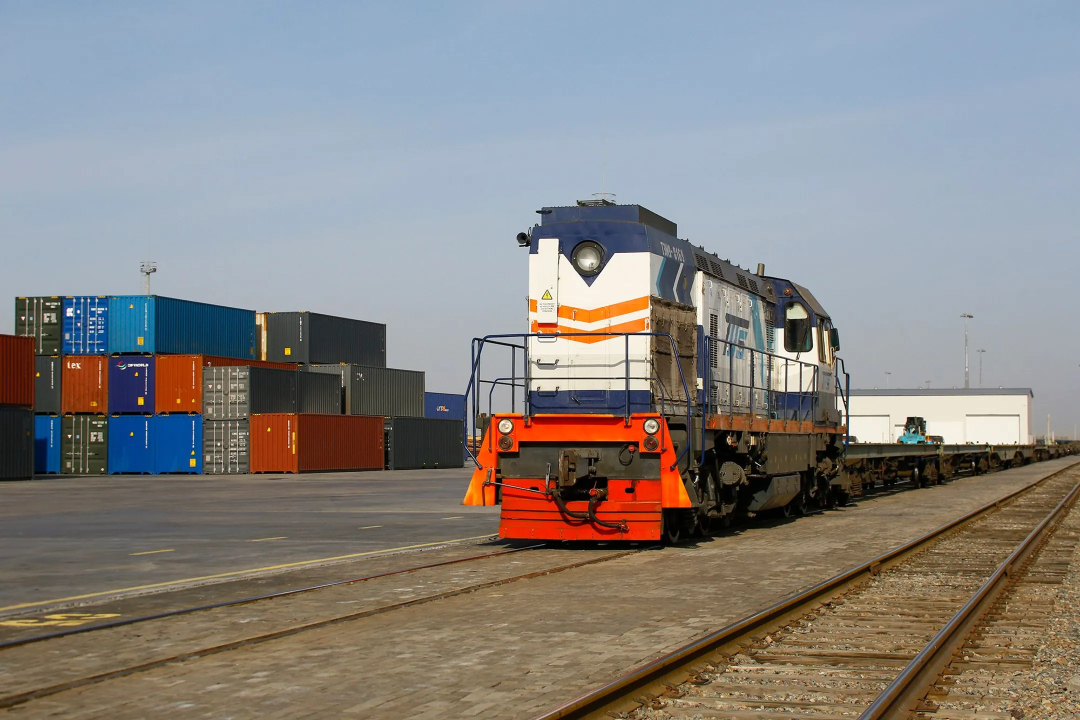
Over the past seven years, Kazakhstan has invested approximately 35 billion US dollars in transportation infrastructure, fully promoting the comprehensive modernization of railways, highways, ports, airports, and digital logistics systems. After the completion of the 836 kilometer double track railway project in Dostick Mointi, the daily number of trains on the line has increased from 12 pairs to 60 pairs, and the average operating speed of freight trains has increased from 800 kilometers per day to 1500 kilometers per day, with an increase of 87.5%.
The 75 kilometer Almaty railway bypass line has been officially put into use, with a total investment of about 300 million US dollars. The Asian Infrastructure Investment Bank and the International Finance Corporation have participated in multilateral financing to directly eliminate regional network congestion and shorten the travel time by 24 hours per trip. The automation upgrade of Khorgos East Gate Dry Port has been completed, and its annual processing capacity has increased to 372000 TEUs, making it the largest dry port in Central Asia at present. In the first half of 2026, the construction progress of the third railway port on the China Kazakhstan border, the Ayagoz Bakhti line, has been completed by 47%. After it is put into operation, it will directly increase the annual traffic capacity by millions of tons.
Empowering with digital technology to overcome obstacles in customs clearance
Kazakhstan is fully committed to building a unified digital ecosystem for international freight transportation, promoting seamless integration of cross-border logistics data with global networks, and comprehensively strengthening the global market competitiveness of the Central Corridor.
The comprehensive customs single window border clearance system has been fully implemented, greatly simplifying the clearance process. Containers are transported from China's Dostyk station to Georgia's Black Sea port in only 11 to 13 days, forming a highly competitive and reliable alternative to traditional sea transportation. The TRACE road reconstruction project has been steadily progressing, with a total investment of 1.529 billion US dollars, including 650 million US dollars from the World Bank and the Asian Investment Bank, and about 228.8 million US dollars from Kazakhstan. The 498 km road has been upgraded from two-way two lane to four lane, and the whole line has reached the technical standard of first-class highway.
As of August 2026, over 1600 kilometers of highways have completed quality upgrades, reducing travel time by approximately 67%, increasing average speeds from 25 kilometers per hour to 80 kilometers per hour, and reducing transportation costs for road users by 35%.
Comprehensive formation of multimodal transport network
The aviation industry is synchronously promoting the construction of hubs. By 2025, the annual passenger throughput of Kazakhstan airports will reach 15.4 million, a year-on-year increase of 4.8%. The total passenger volume in the country will be close to 32 million, and the cargo and mail processing capacity will reach 173300 tons. The new international terminal of Almaty Airport has increased its annual passenger throughput to 14 million, and the expansion project of Astana Airport is planned to be put into operation in 2027, with an annual passenger throughput of 12 million. The open sky policy continues to be implemented, and by 2026, Kazakhstan's international airline network has expanded to 135 destinations in 30 countries, attracting top global air cargo companies to settle in. Aktau and Kulik ports along the Caspian Sea have completed a new round of modernization upgrades. The total annual cargo handling capacity of Kazakhstan's Caspian Sea ports has exceeded 21.6 million tons, and container handling capacity is expected to triple, with a 50% increase in total throughput. Keywords: China Europe Cross border Corridor, Freight Railway
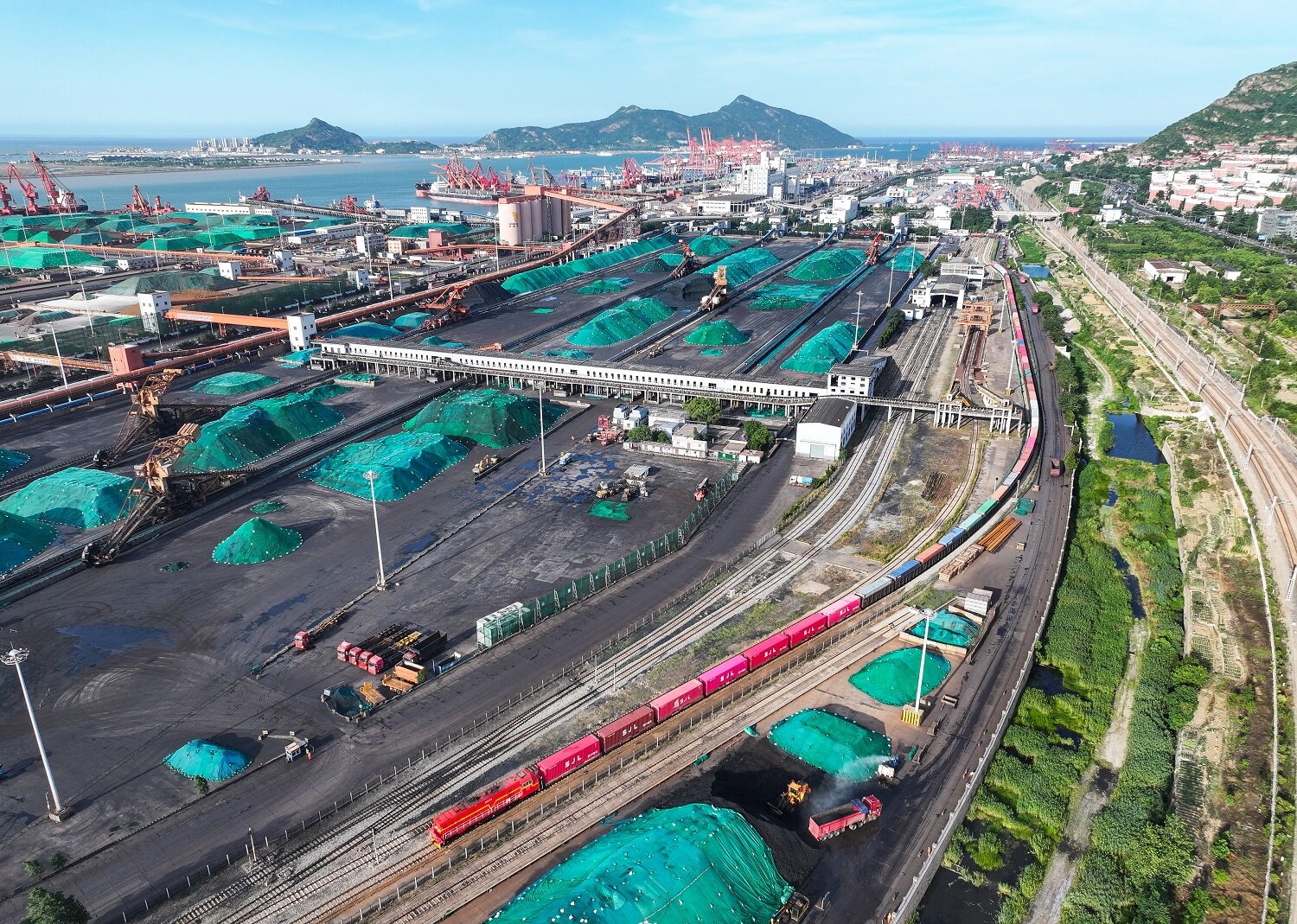
From the newly paved highway subgrade on the Gobi Desert to the newly docked container ships at the Caspian Sea port, Kazakhstan's transportation and logistics ecology is steadily taking shape along the 2030 development plan. At present, the country has undertaken about 83% of the land freight volume between China and Europe. The freight volume of the Central Corridor has increased fivefold in the past seven years, exceeding 4.5 million tons by 2025, and the container transportation volume is about 77000 standard containers. Regional partners jointly aim to achieve a throughput of 300000 standard containers by 2029. Transforming its geographical location into a long-term competitive advantage, Kazakhstan is gradually consolidating its core position as the world's most important emerging transportation and logistics hub.Editor/Cheng Liting
Comment


 Praise
 Collect
 Comment

 Share
Share


Write something~