 Search


- Hebei port and land port work together to continuously improve the multimodal transport system
- In the first half of 2026, the volume of container multimodal transport increased by over 30% year-on-year, driving more local products to efficiently go overseas
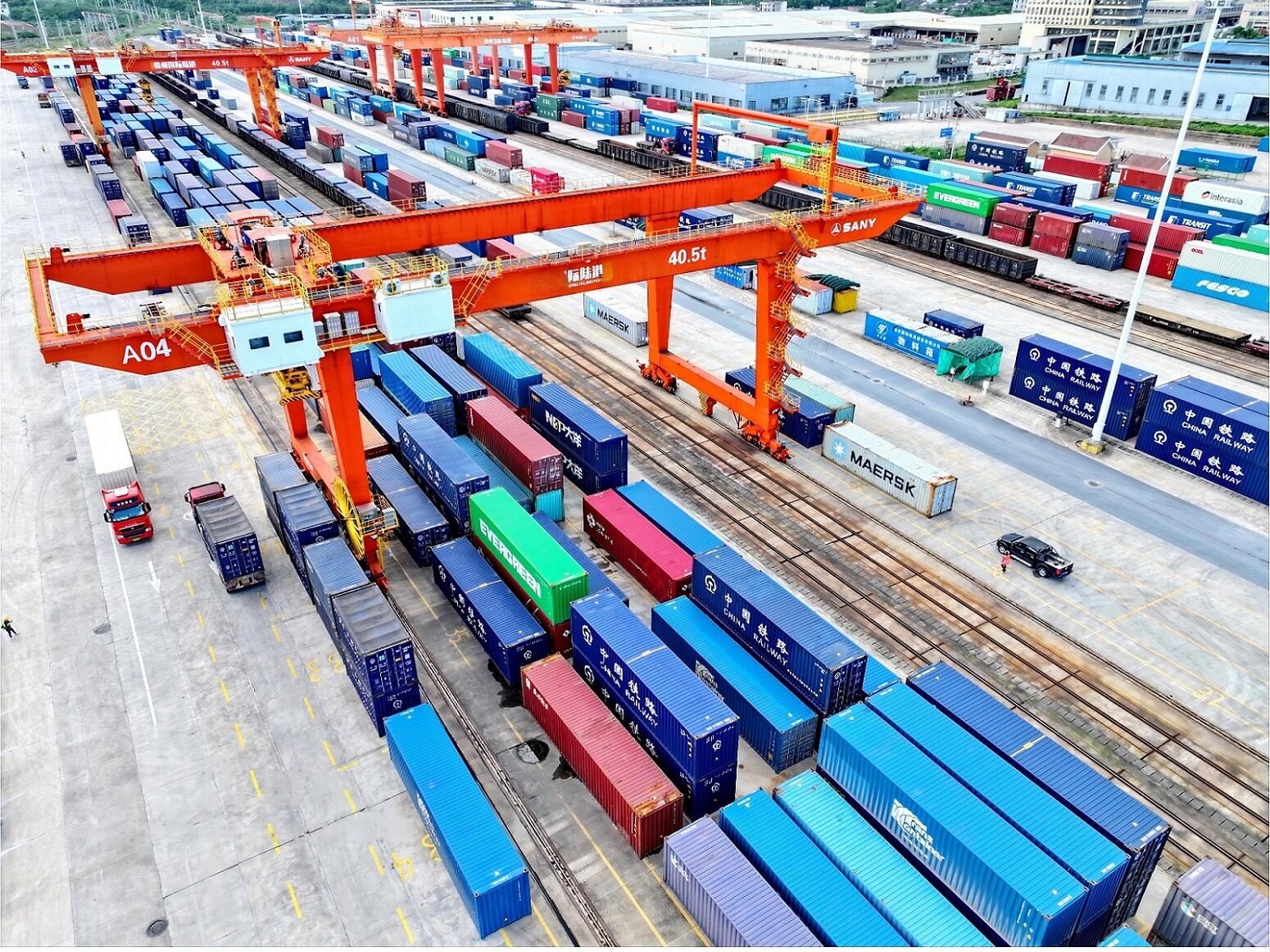
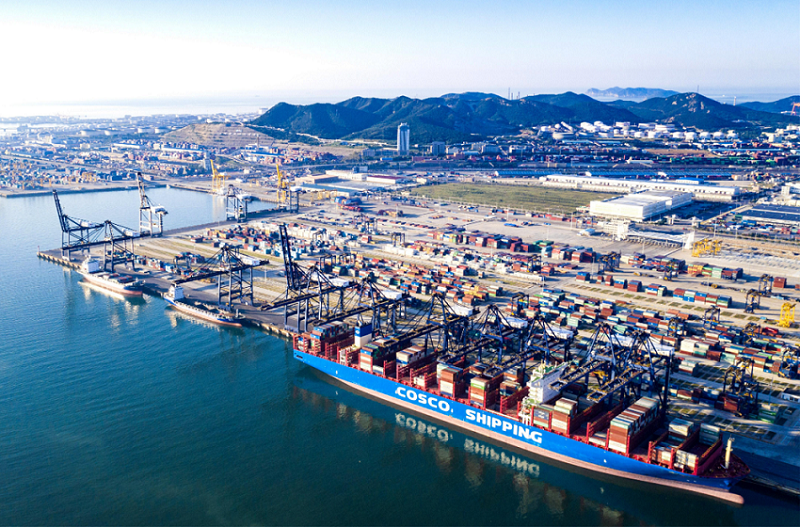
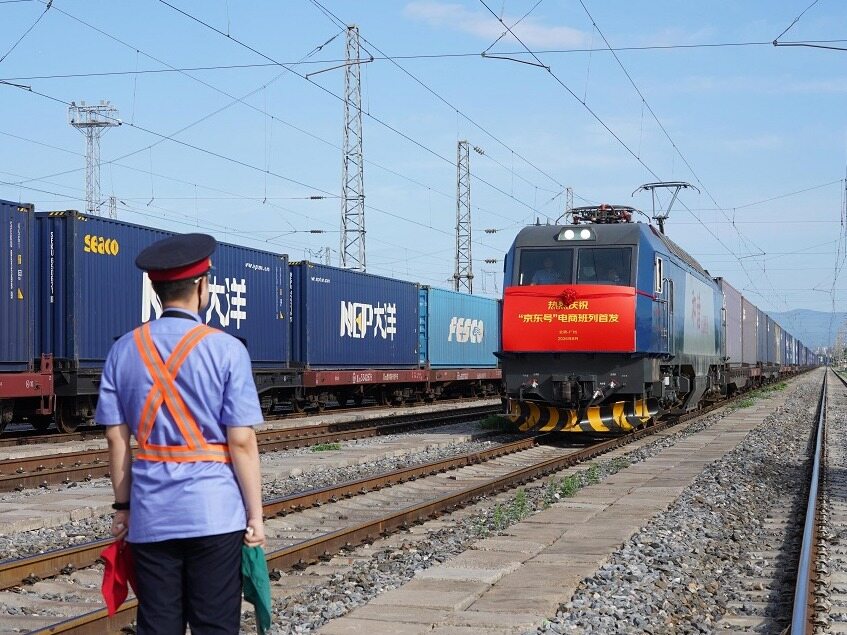
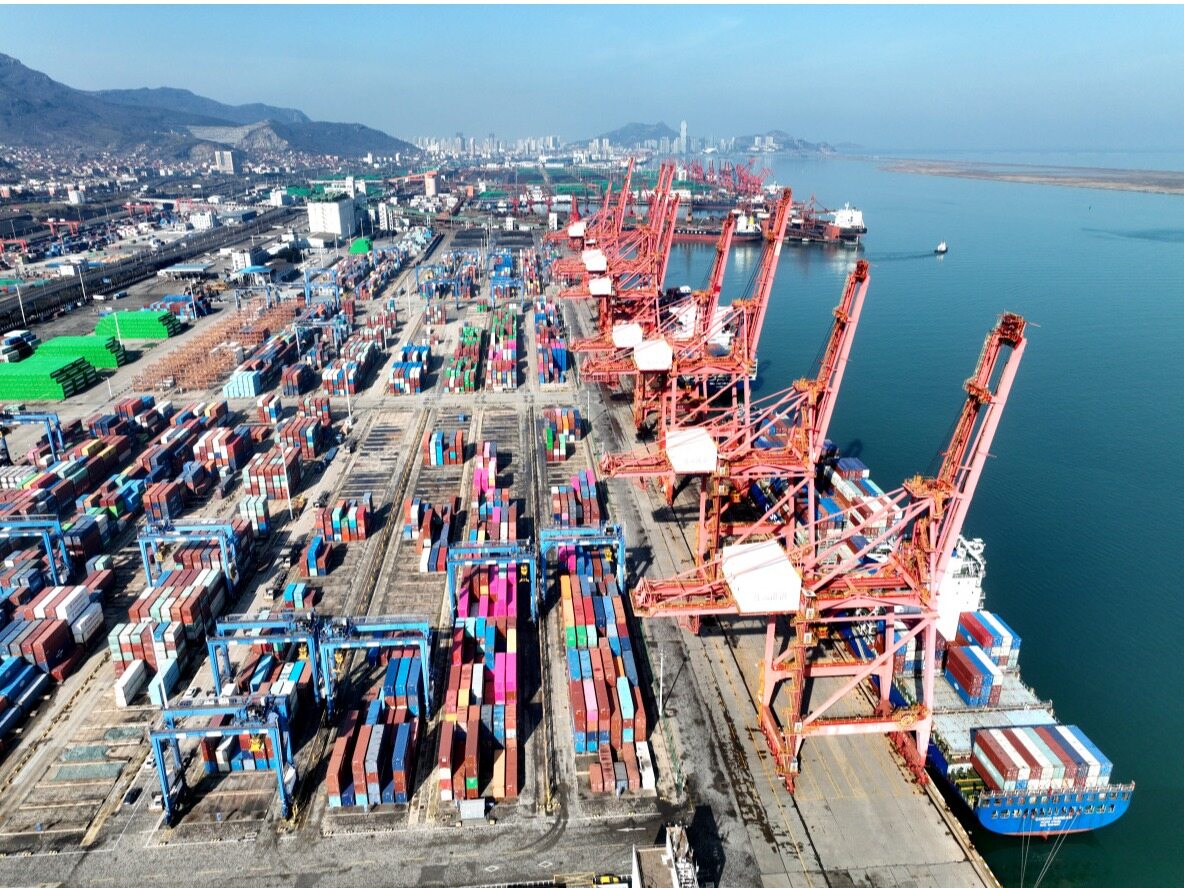
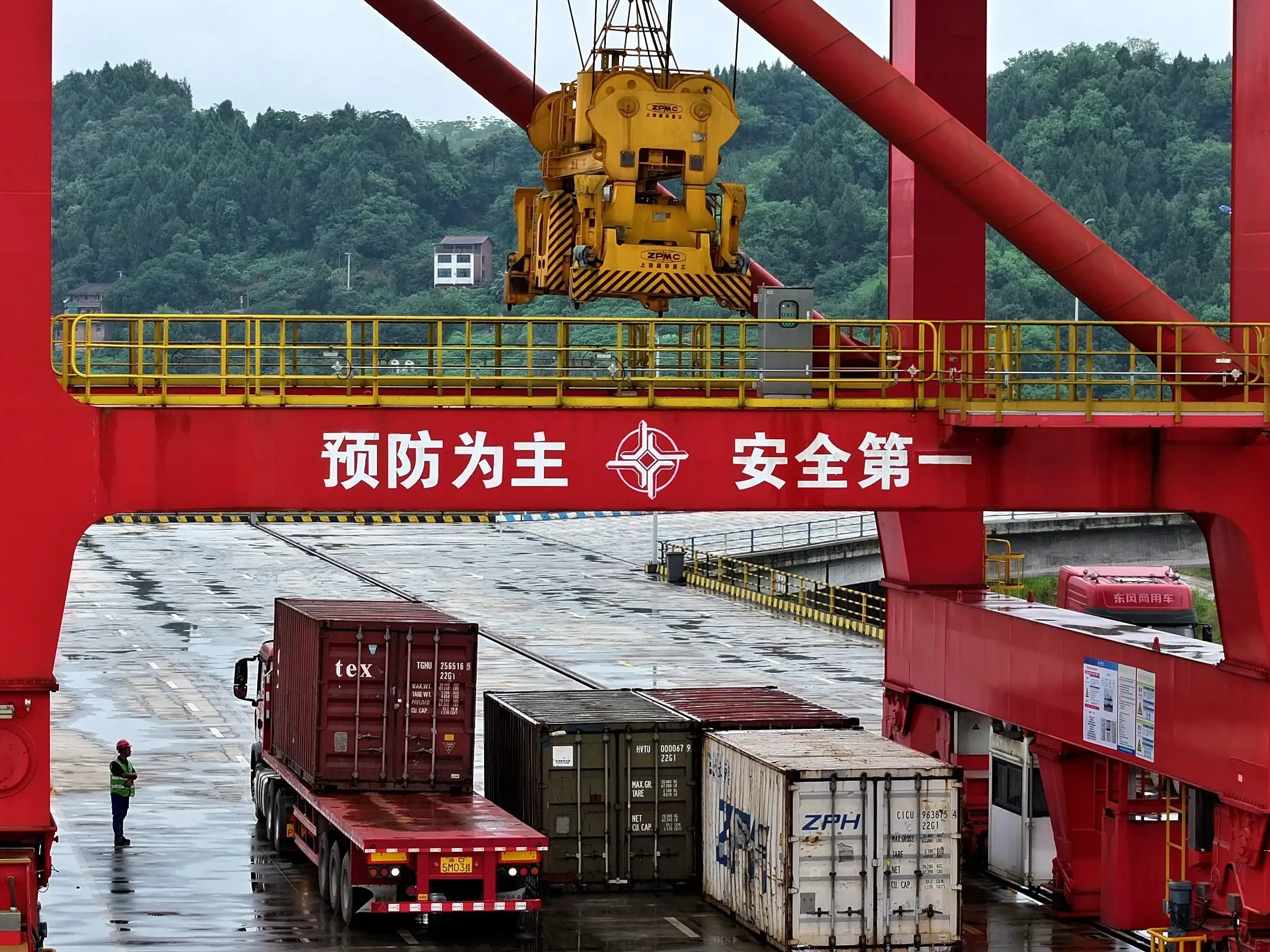
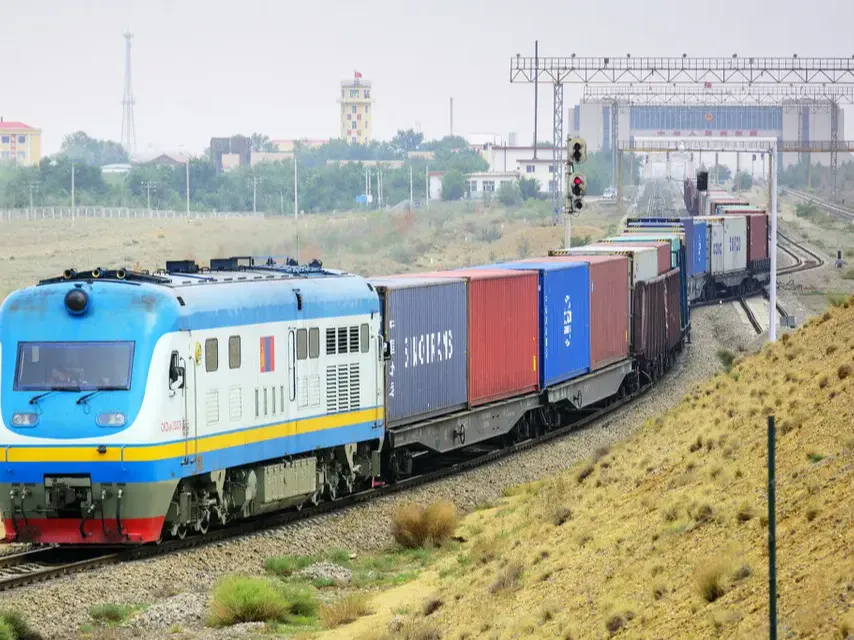
In the early morning, the Jingtang Port area of Tangshan Port in Hebei Province was bustling with cargo ships constantly coming and going. At the same time, more than 500 kilometers away from Shijiazhuang International Land Port, a China Europe freight train loaded with 110 TEUs of Hebei made household appliances and automotive parts honked its horn and set off for Moscow, Russia. These two images are vivid epitomes of the linkage between Hebei's sea and land ports and the acceleration of local manufacturing going global.
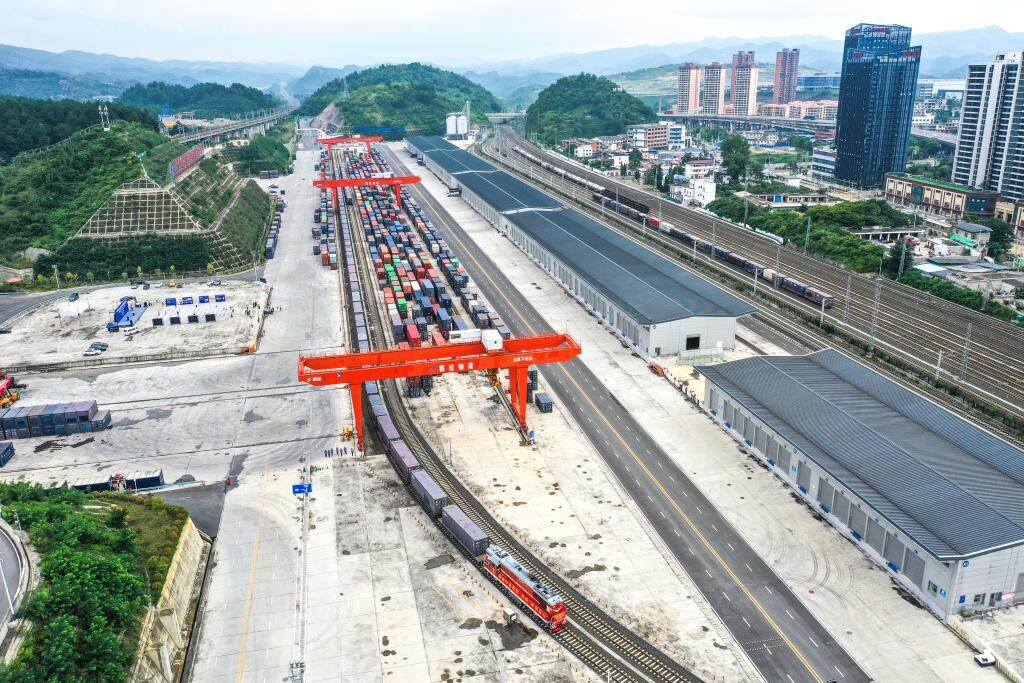
Since 2026, Hebei's seaports and land ports have simultaneously made efforts to continuously improve the multimodal transport system of hubs, channels, and networks, fill in logistics gaps, smooth transportation bottlenecks, optimize supporting services, and accelerate the development of sea, land, and air multimodal transport. In the first half of 2026, the multimodal transportation volume of containers in Hebei reached 889200 TEUs, a year-on-year increase of 34.58%. Among them, the momentum of intermodal transportation between iron and steel is strong, with a transportation volume of 64500 TEUs, a year-on-year increase of 47.3%.
Port linkage improves efficiency
In February 2026, the first batch of water to intermodal cargo from Hebei Port was shipped from Jingtang Port Area. A cargo ship loaded with 125 tons of anhydrous glucose sailed to Nansha Port Area of Guangzhou Port, and then transferred to an international liner to Vietnam. This batch of goods enjoys a convenient customs clearance service of one commission, one order to the end, and one inspection throughout the entire process with one document, greatly simplifying the cross-border customs clearance process.
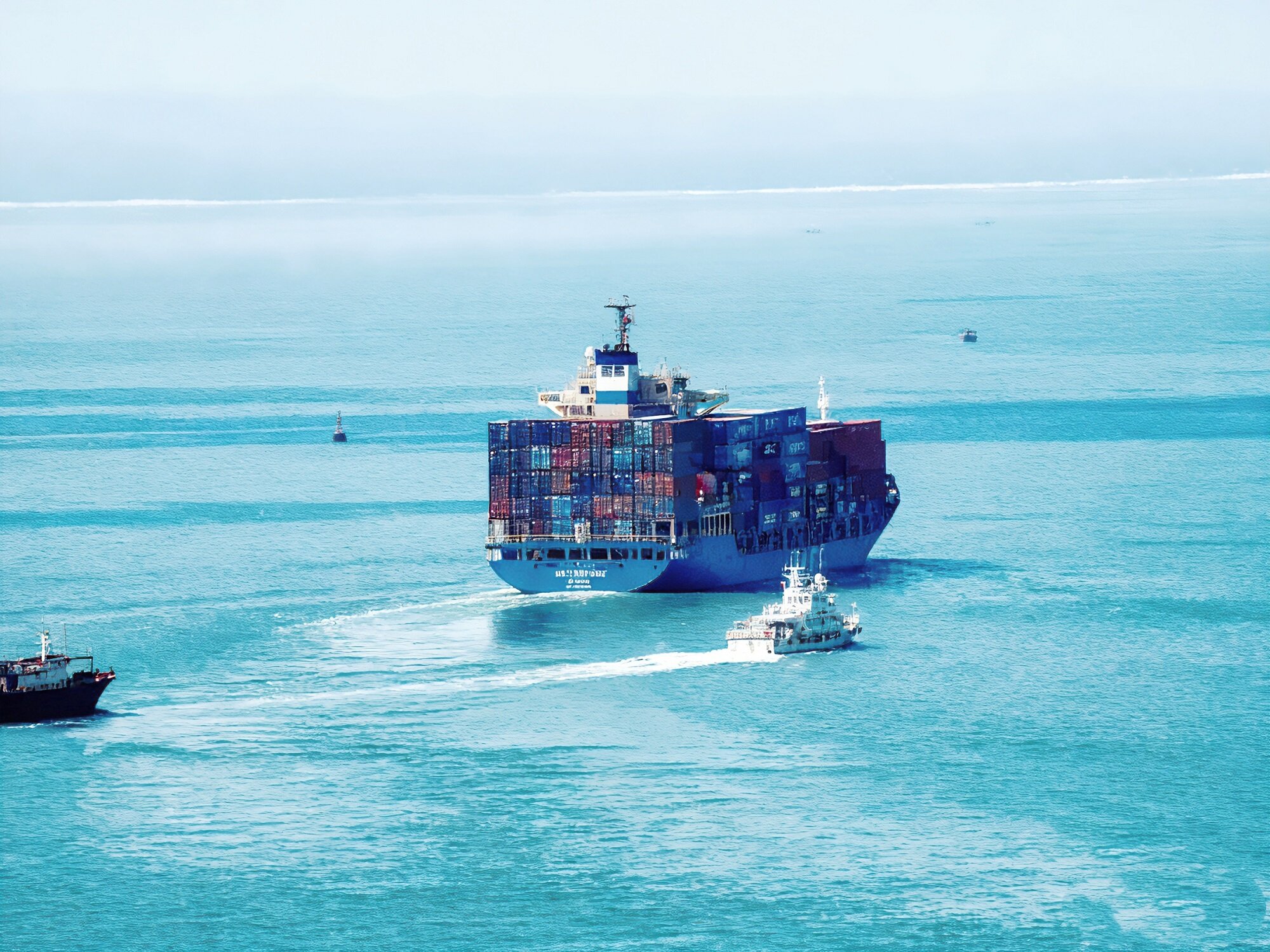
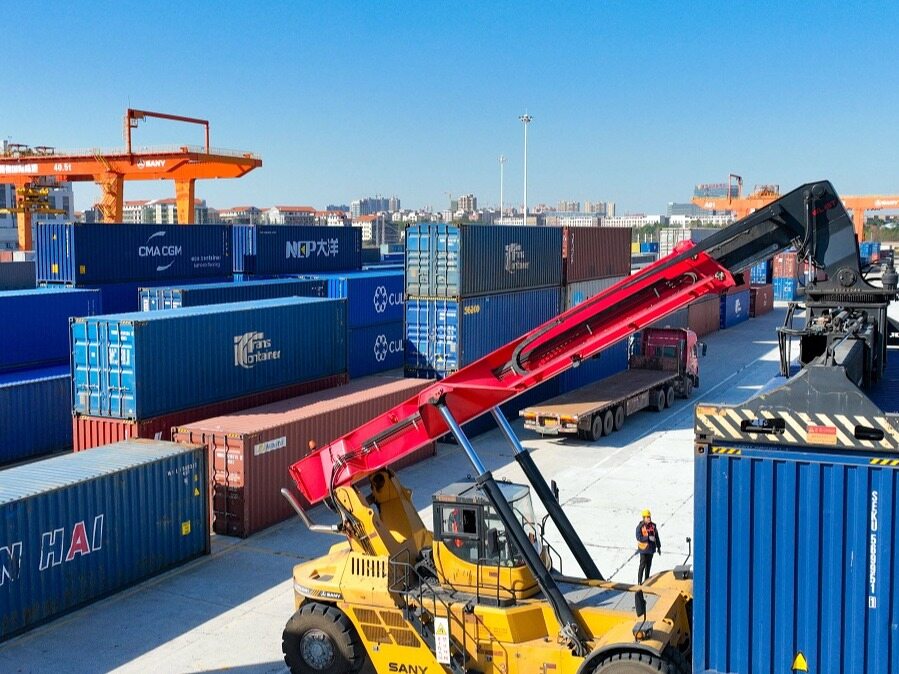
The multimodal transport volume of Huanghua Port has also significantly increased. In the first half of 2026, Huanghua Port completed a foreign trade container throughput of 31700 TEUs, a year-on-year increase of 84%. Among the container export sources, the proportion of domestic sources has exceeded 60% for the first time, reaching 62.08%. Huanghua Port continues to deepen its inland hinterland, weave a dense intermodal network, and accelerate the layout of inland ports relying on railway trunk lines such as Hanhuang and Shuohuang. Currently, 32 inland ports have been listed, achieving the forward movement of port functions and the sinking of services. This year, multiple sea rail intermodal trains have been operating normally, and the land sea linkage channels have become more smooth. On March 30th, the first sea rail intermodal container train from Handan International Land Port to Huanghua Port was launched, achieving two-way transportation between the two places and effectively activating railway capacity. At the same time, the trains from Xingtai South to Huanghua Port operate stably, with 2 to 3 trains running every week, providing a stable and efficient overseas logistics channel for enterprises in the hinterland of southern Hebei.
Land port strengthens smooth passage
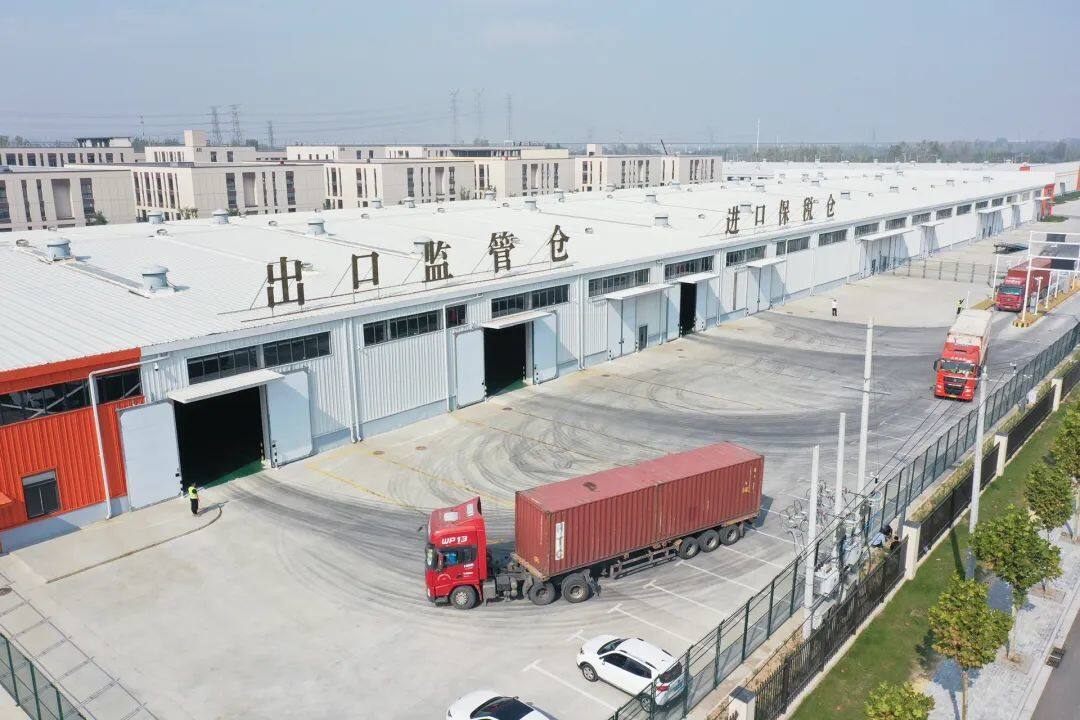
At the same time as improving the quality and efficiency of coastal ports, various mainland ports in Hebei Province are making efforts to become important logistics hubs that radiate to the surrounding areas and link with the sea. Shijiazhuang International Land Port relies on the China Europe freight train to create a highly advantageous land cross-border intermodal transportation channel. The products of Hebei Yinjian Sports Goods Co., Ltd. are frequent customers of the China Europe freight trains. Yang Lei, the person in charge of the company, introduced that the cross-border cargo warehouse established by Shijiazhuang International Land Port in Dingzhou is only 2 kilometers away from the factory. Shipping to Russia by sea takes forty to fifty days, while the China Europe freight train only takes a dozen days, which is worry free and time-saving.keywords:Overseas dry port industrial park information
Multimodal transportation acceleration
Hebei is accelerating the construction of an efficient and smooth international logistics corridor, with freight trains from Tangshan Port to Shijiazhuang Land Port, and sea rail intermodal transportation from Jingtang Port to Huanghua Port. The continuous improvement of the multimodal transport system not only enables Hebei made products such as anhydrous glucose, sports equipment, home appliances, and automotive parts to enter the world faster, but also provides stable, convenient, and low-cost options for enterprises in the hinterland of southern, central, and northern Hebei to go global. With the layout of more inland ports and the opening of more trains, the effect of the linkage between sea and land ports will be further released, injecting strong momentum into Hebei's high-level opening-up to the outside world.Editor/Yang Meiling
Comment

 Praise
 Collect
 Comment

 Share
Share


Write something~