 Search


- Lock up the upstream supply chain of drilling pipes and other materials on one side
- Joining forces with French companies to explore industrial AI and digital twins
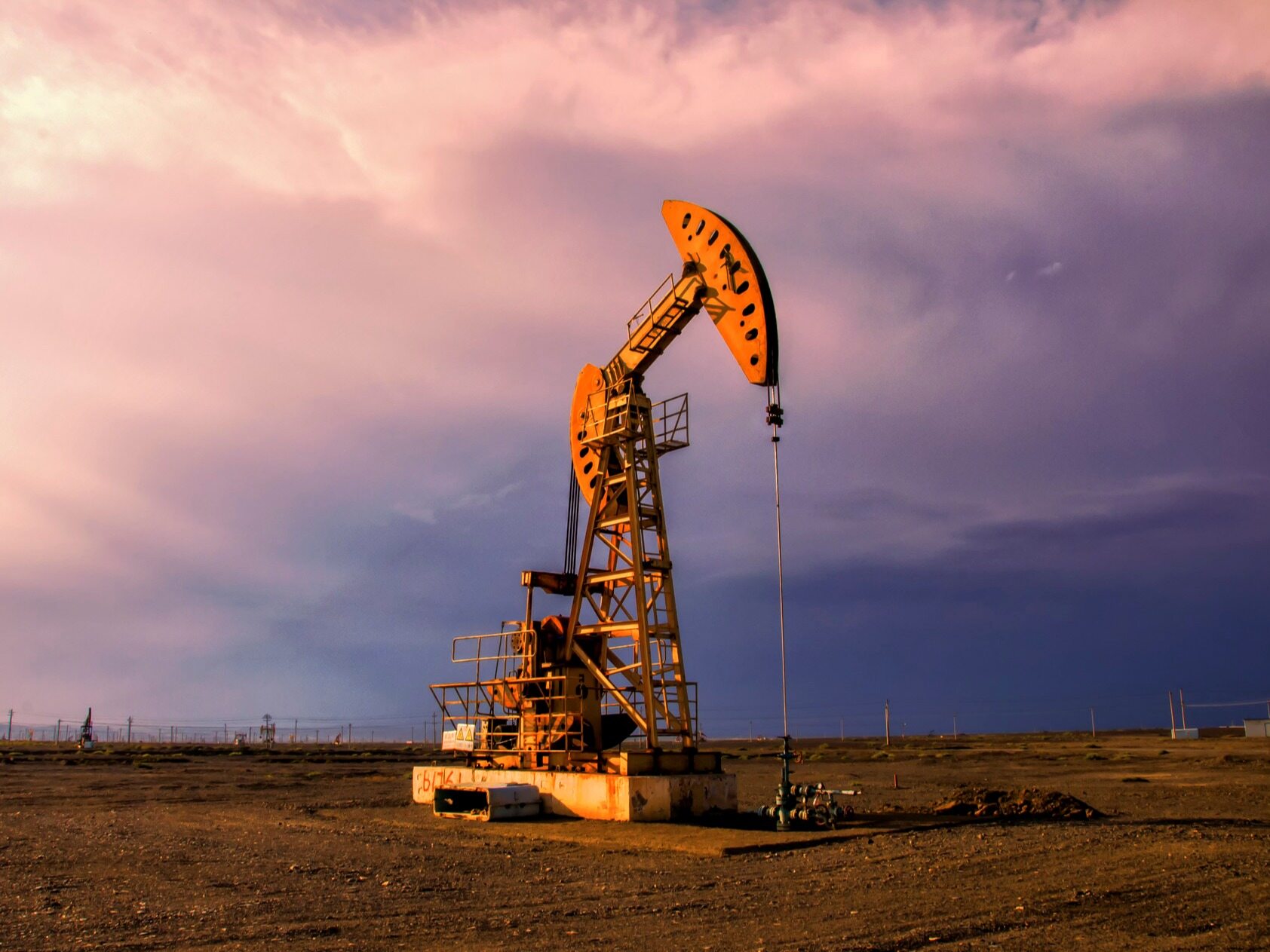
At the end of summer in Paris, at the investment roundtable meeting between France and Saudi Arabia, the package agreement signed by Saudi Aramco CEO Amin Nasser once again drew the attention of the global energy community to this oil giant. This is not an ordinary purchase order - the potential total value exceeds 3.7 billion US dollars, covering a span from underground steel pipes to industrial artificial intelligence, like a line connecting Saudi Arabia's oil and gas infrastructure and France's industrial software heritage.
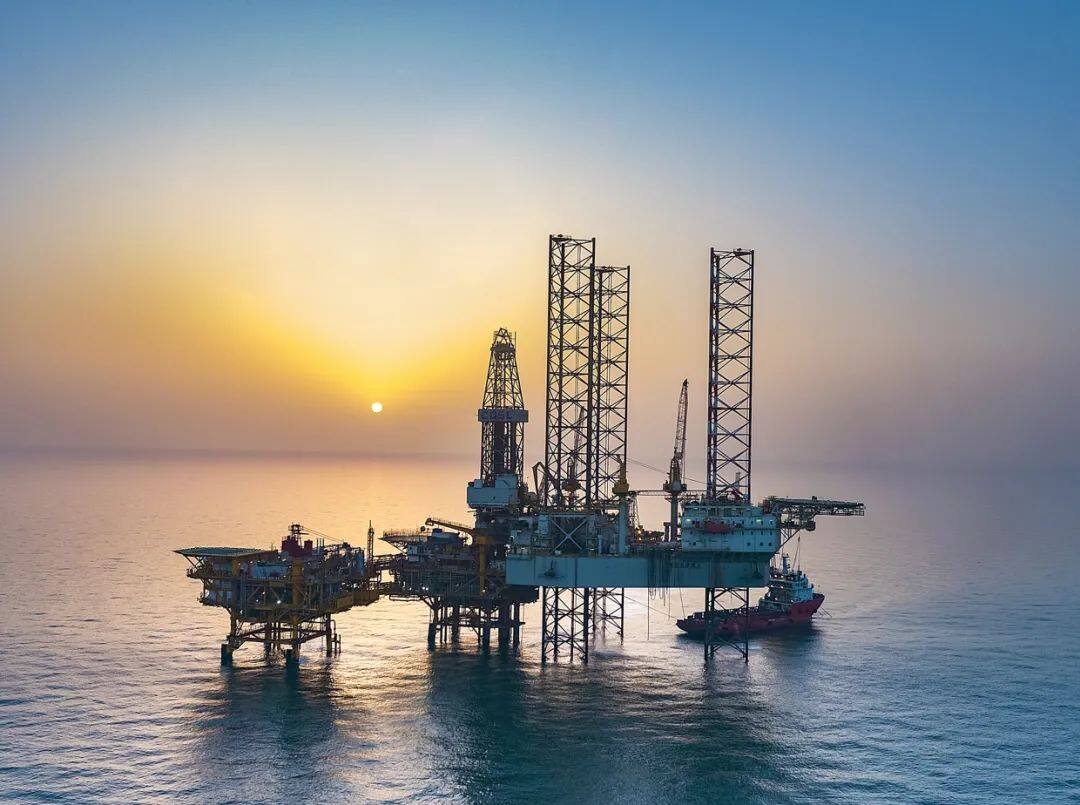
Lock the upstream supply
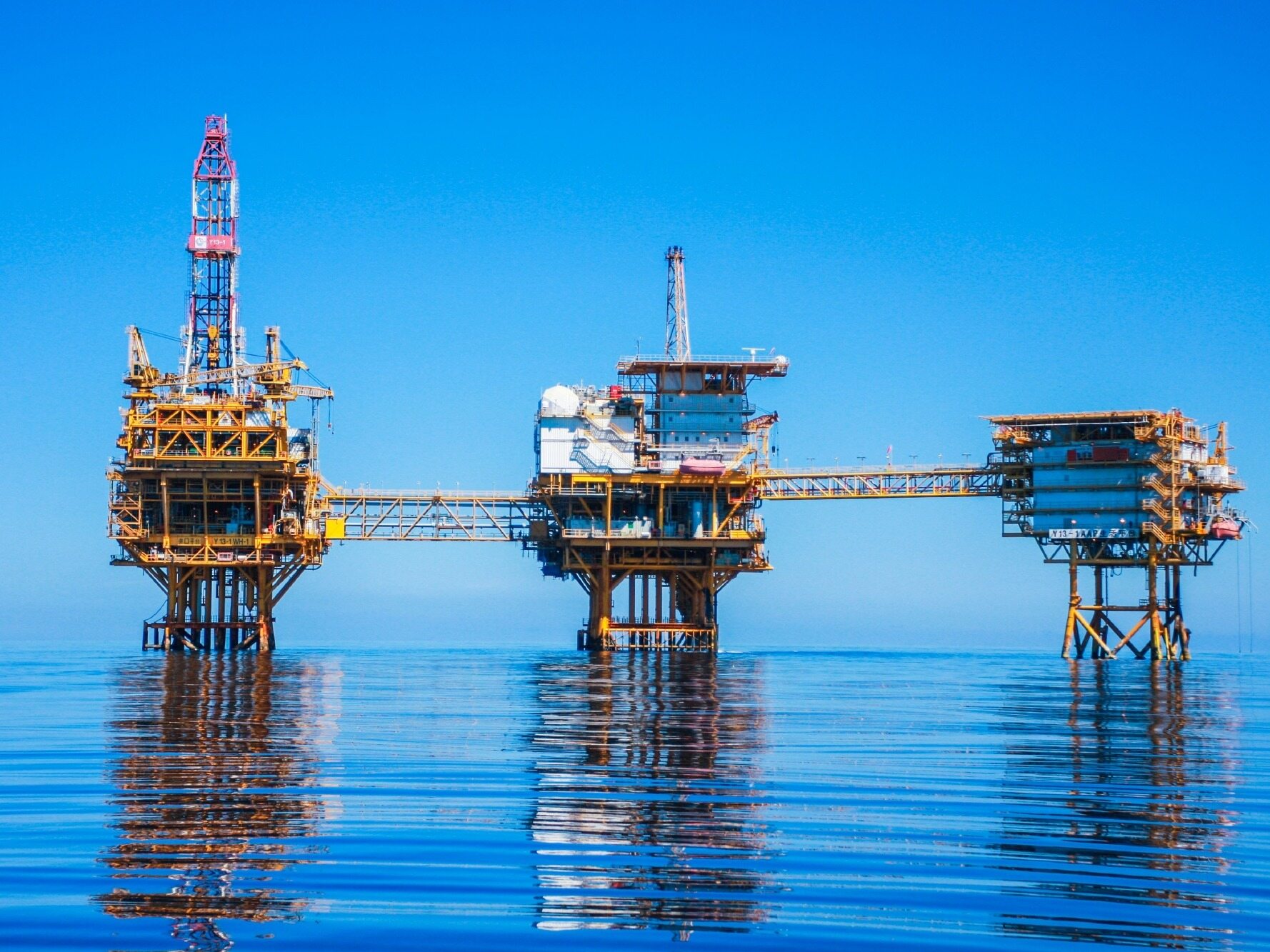
The two heaviest traditional purchases in the agreement point directly to the throat of oil and gas development. One is the procurement agreement for drilling equipment enterprises, and the other is the procurement agreement for oilfield pipes. Oil field tubing, commonly known as OCTG, is specifically used in oil and gas drilling and completion operations, and is a hard currency for upstream continuous production.
For Saudi Aramco, this is not just about spending money on equipment, but rather pushing forward the resilience of the supply chain: hedging fluctuations with long-term agreements, ensuring operational continuity, and connecting high-end French manufacturing to the supply system of the largest energy customer in the Gulf. The French side receives the order, the Saudi side obtains stable production capacity, and the bilateral economic value is thus realized.
Exploring Industrial AI
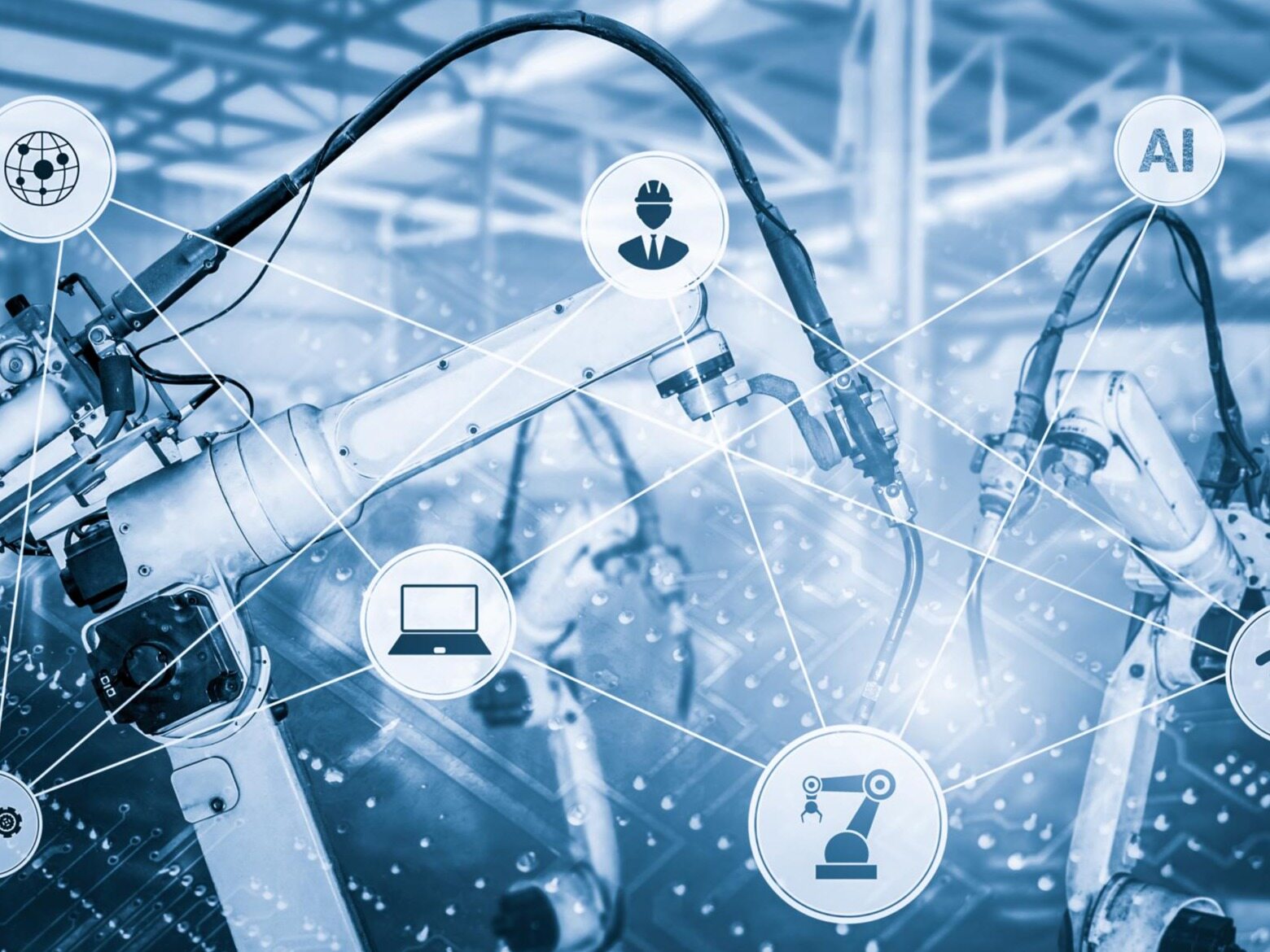
Beyond traditional lines, Saudi Aramco Digital, the digital division of Saudi Aramco, has signed a memorandum of understanding with French companies to establish a framework for technological cooperation in areas such as industrial artificial intelligence, virtual technology, and digital twins. What both sides need to do is to integrate these tools into the oil and gas scene - from predictive maintenance of wellsite asset management to full process digital twin simulation, allowing data to be refined and utilized like crude oil.
This step is not an isolated case. As early as February 2026, Saudi Aramco signed a non legally binding memorandum of understanding with Microsoft, paving the way for industrial artificial intelligence, digital infrastructure construction, and talent development, relying on Azure to push AI from pilot to core operations. France supplements industrial software and systems engineering, the United States supplements cloud and large models, and Saudi Arabia's digital puzzle is aligning piece by piece.

Dual line strategy formation
Looking at the $3.7 billion agreement and its preceding actions together, Saudi Aramco's logic is straightforward: the oil and gas industry will not let go, and the technology chassis will be replaced synchronously.
Equipment and pipes ensure the safety of current cash flow and production capacity, while AI and digital twins bet on the next generation of operational efficiency. Through cooperation between France, Saudi Arabia, and Saudi Arabia, technology transfer, capacity building, and local talent can be brought together. This not only serves Saudi Arabia's industrial base and digital sovereignty demands in its 2030 vision, but also allows France to find a new entry point for exporting industrial software to the Gulf beyond energy engineering.
The signature at a roundtable meeting, which appears to be an order, is based on the traditional energy company remaking its genes to a technology driven organization - $3.7 billion, just the prologue.Editor/Yang Meiling
Comment

 Praise
 Collect
 Comment

 Share
Share


Write something~