 Search


- Project landing in Shenze, refining kitchen waste oil into sustainable aviation fuel
- Expanding domestic bio aviation coal production capacity while helping the aviation industry reduce carbon emissions and turn waste oil into treasure
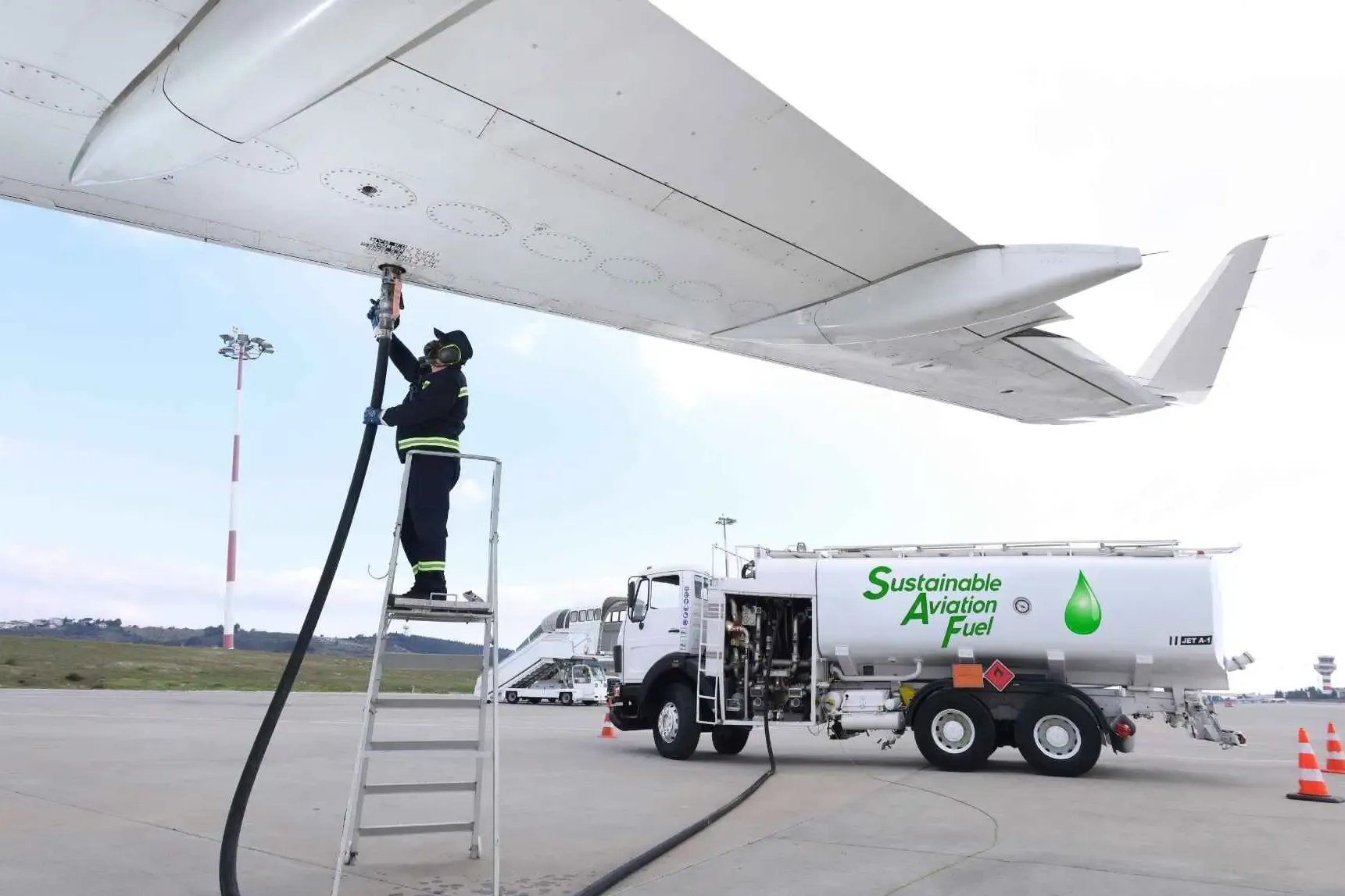
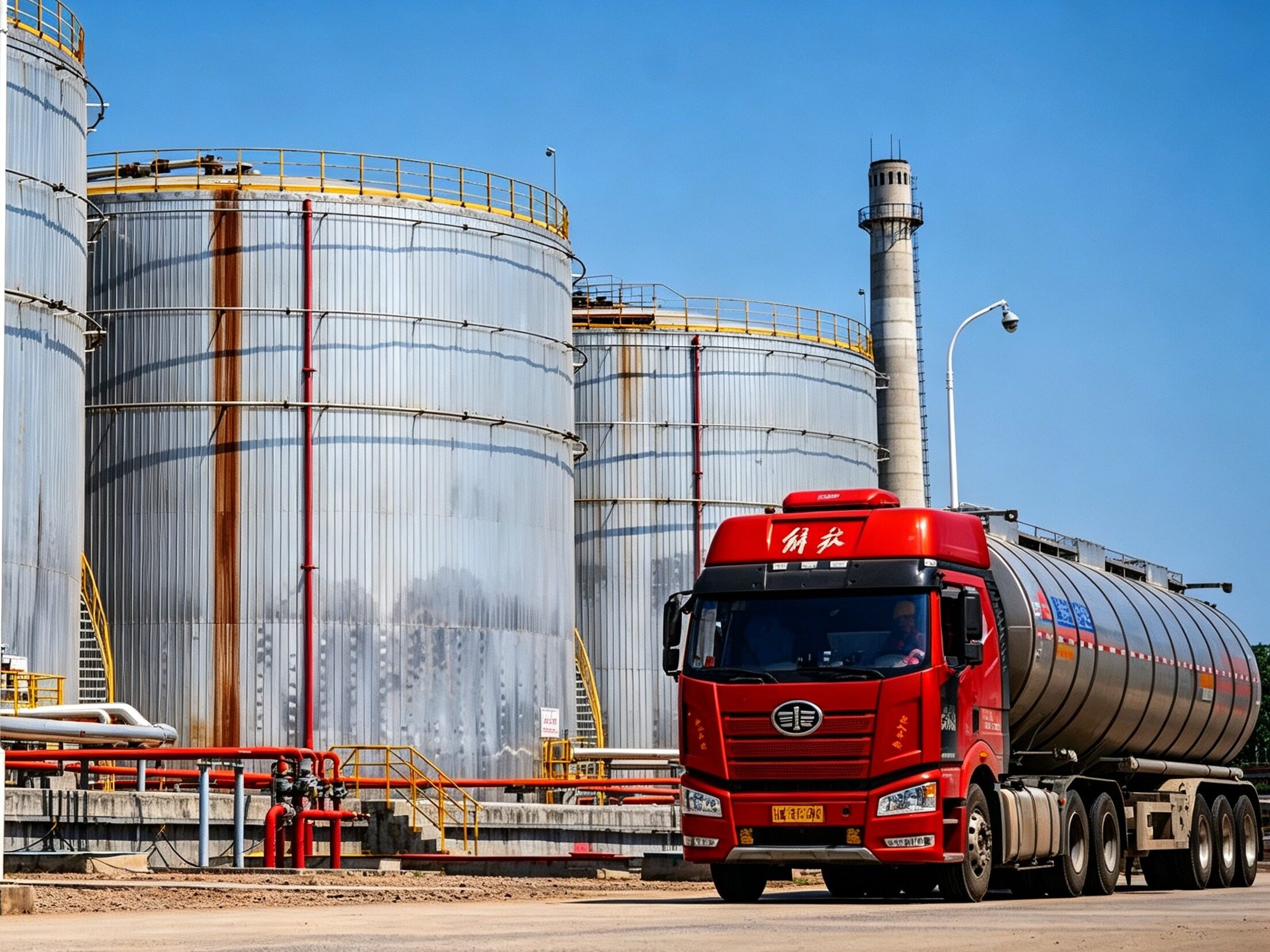
At No. 22 Xingze Road, Southern District, Shenze Economic Development Zone, Hebei Province, a land area of about 230 acres is about to become lively. In the past, gutter oil from surrounding restaurants, acidified oil stored in factories, and animal waste from slaughterhouses were often seen as difficult to handle troubles; Soon, they will be sent into the hydrogenation unit through pipelines, undergo deoxygenation, cracking, and isomerization, and become bio aviation coal under the wings of airplanes. Recently, the Administrative Approval Bureau of Shijiazhuang City accepted and publicly announced the construction of a 400000 ton/year sustainable aviation fuel hydrogenation project by Zhongneng Yida (Hebei) New Energy Co., Ltd. This investment of 1.85388 trillion yuan has provided a concrete landing point for the story of table waste turning into blue sky fuel.
Waste oil converted into aviation fuel
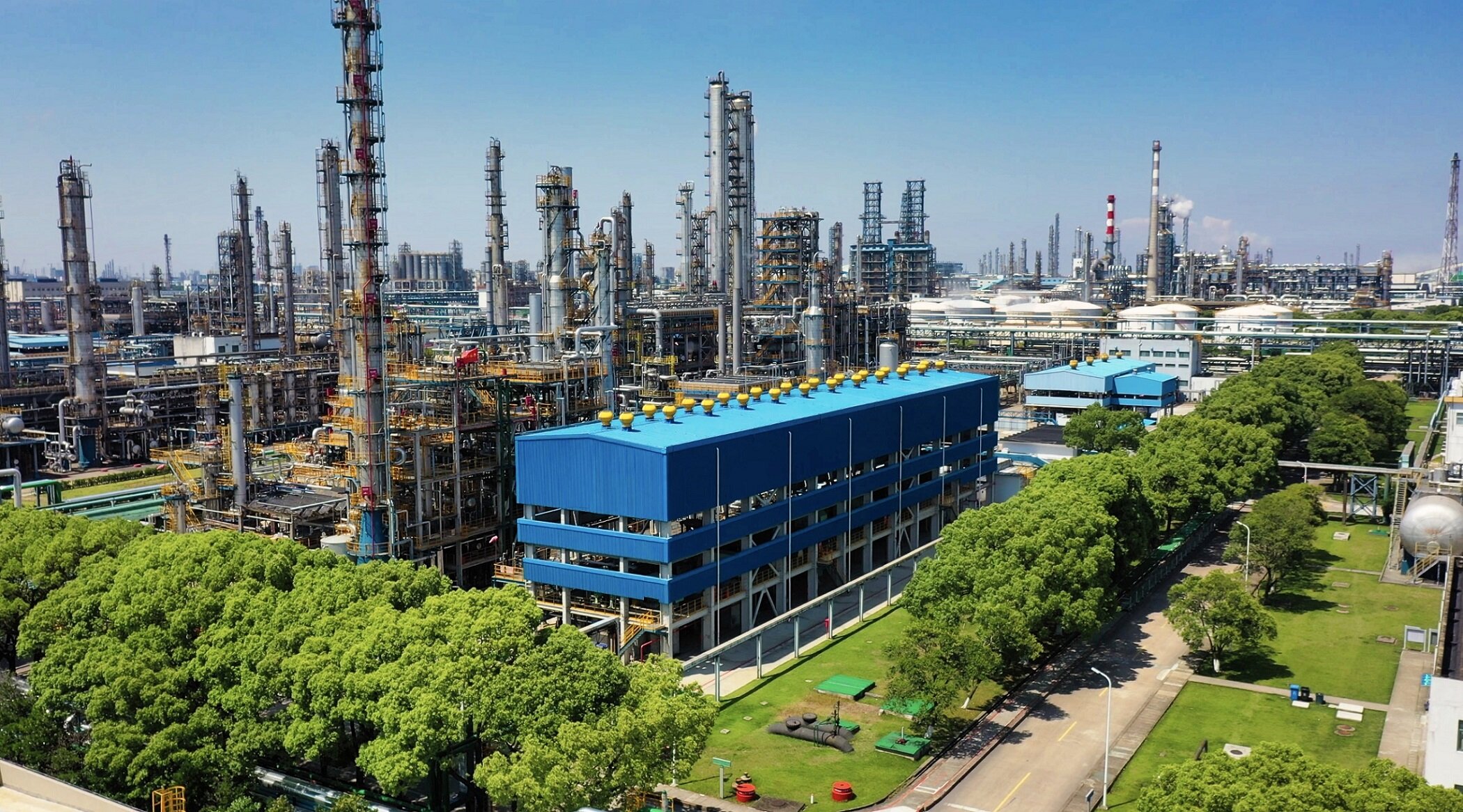
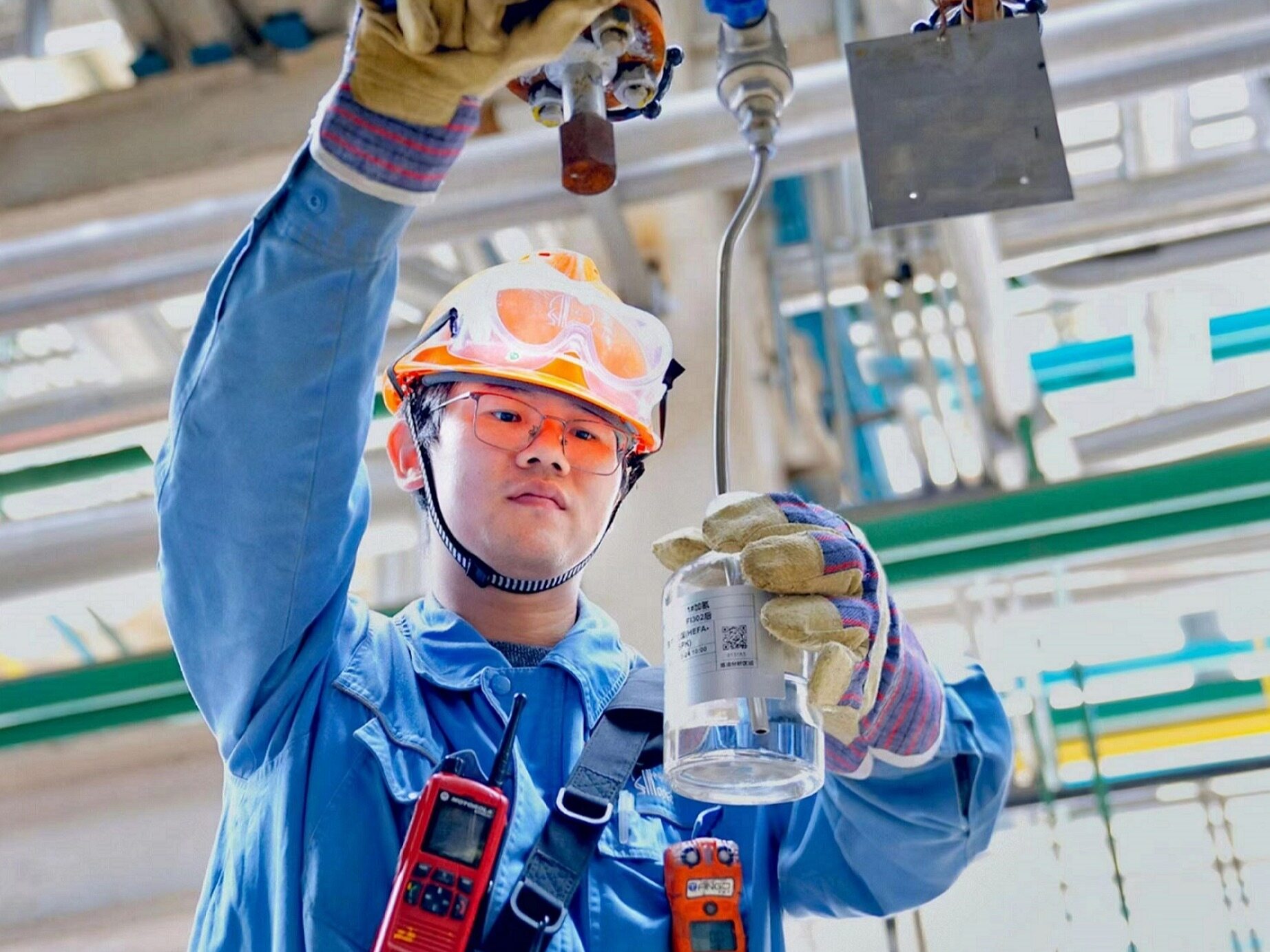
The project focuses on the hydrogenation route of waste oils and fats, with raw materials including gutter oil, acidified oil, fatty acid methyl esters, and animal and plant waste oils and fats. The core is a 400000 ton/year sustainable aviation fuel hydrogenation unit, equipped with a 30000 standard cubic meter/hour hydrogen production unit, as well as a combined unit of 12 tons/hour acidic water stripping and 200 tons/year sulfur recovery. Daily production can switch between two sets of operating conditions: 315700 tons of biogenic aviation kerosene and 21000 tons of biogenic naphtha can be produced at full capacity, while biodiesel is zero; Producing 340800 tons of biodiesel at full capacity. By products include 7900 tons of dry gas, 19500 tons of bio liquefied gas, and 72 tons of sulfur. The technical logic is not mysterious - oil contains oxygen, undergoes hydrogenation deoxygenation, cracking, isomerization, and is cut into qualified aviation kerosene fractions, which are fully adapted to existing aircraft engines and airport facilities.
1.8 billion smashed towards Shenze
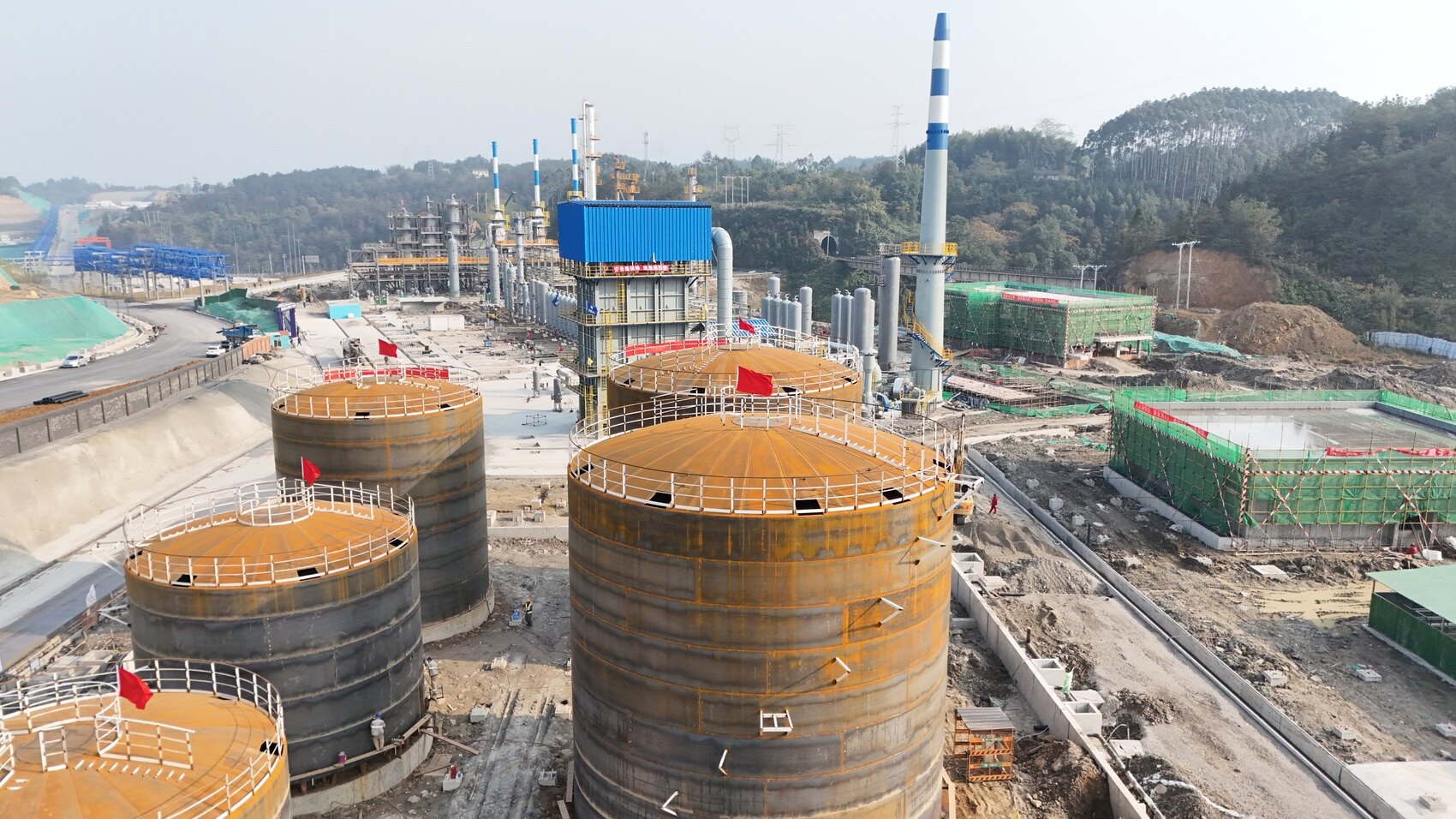
The total investment of the project is 1853.88 million yuan, of which the environmental protection investment is 203.955 million yuan, accounting for 11.0%, and the construction period is about 18 months. For Shenze, this is a key puzzle in the green chemical and new energy track; For Hebei, it fills the gap in the supply of bio aviation coal in the Beijing Tianjin Hebei region. At present, SAF in China is still in the cultivation period, with a cost of about 1.5 to 2.8 times that of traditional aviation fuel. However, the policy window has opened: in September 2024, the Civil Aviation Administration of China and the National Development and Reform Commission will launch a pilot program, and domestic flights at Daxing, Shuangliu, Xinzheng, and Lishe airports will be regularly mixed with 1% bio aviation fuel. The first government work report on green fuel in 2026, the EU's mandatory addition and exemption of anti marketing overlap, and the export of white name single aircraft system will gradually take shape.
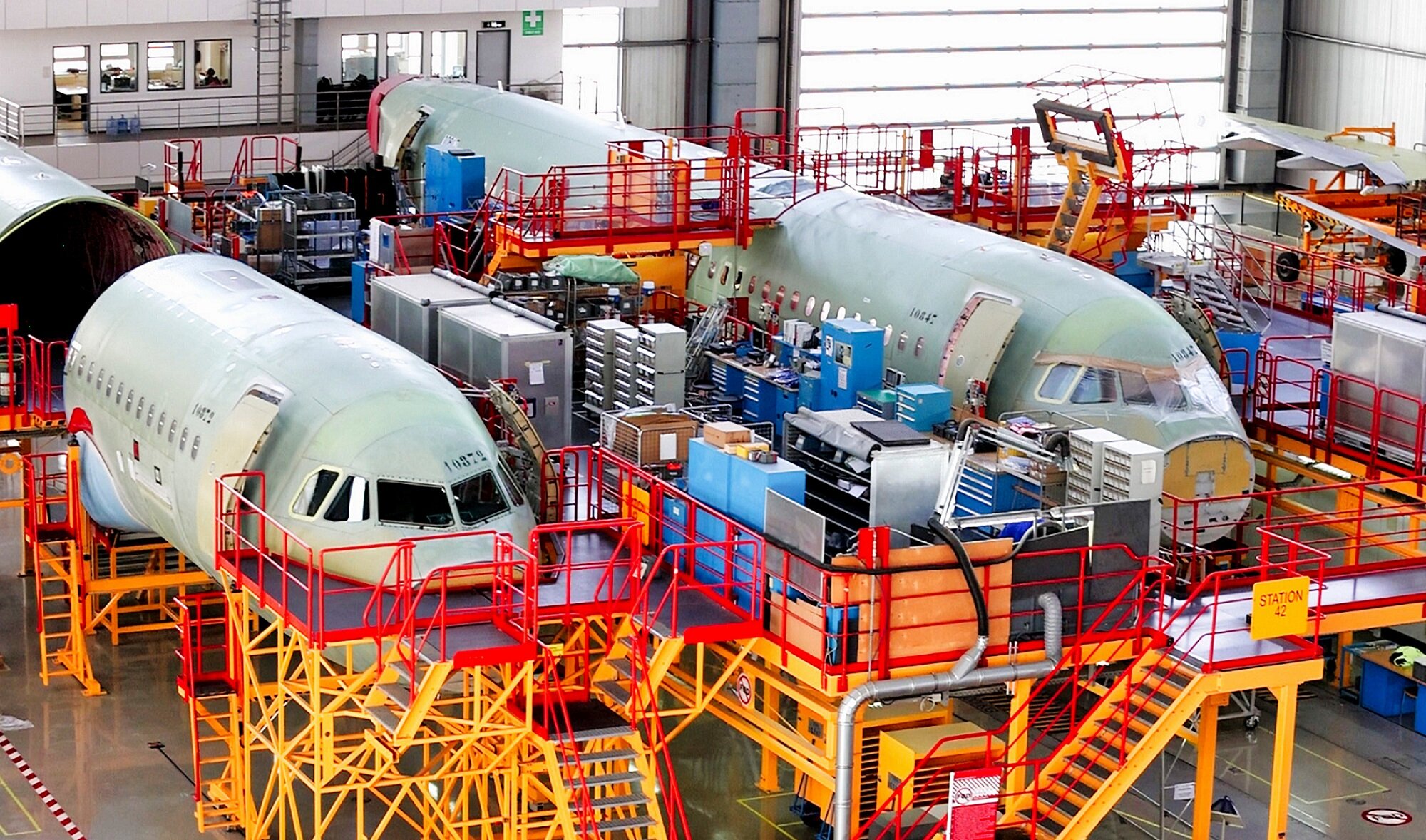
Carbon reduction and substitution of oil
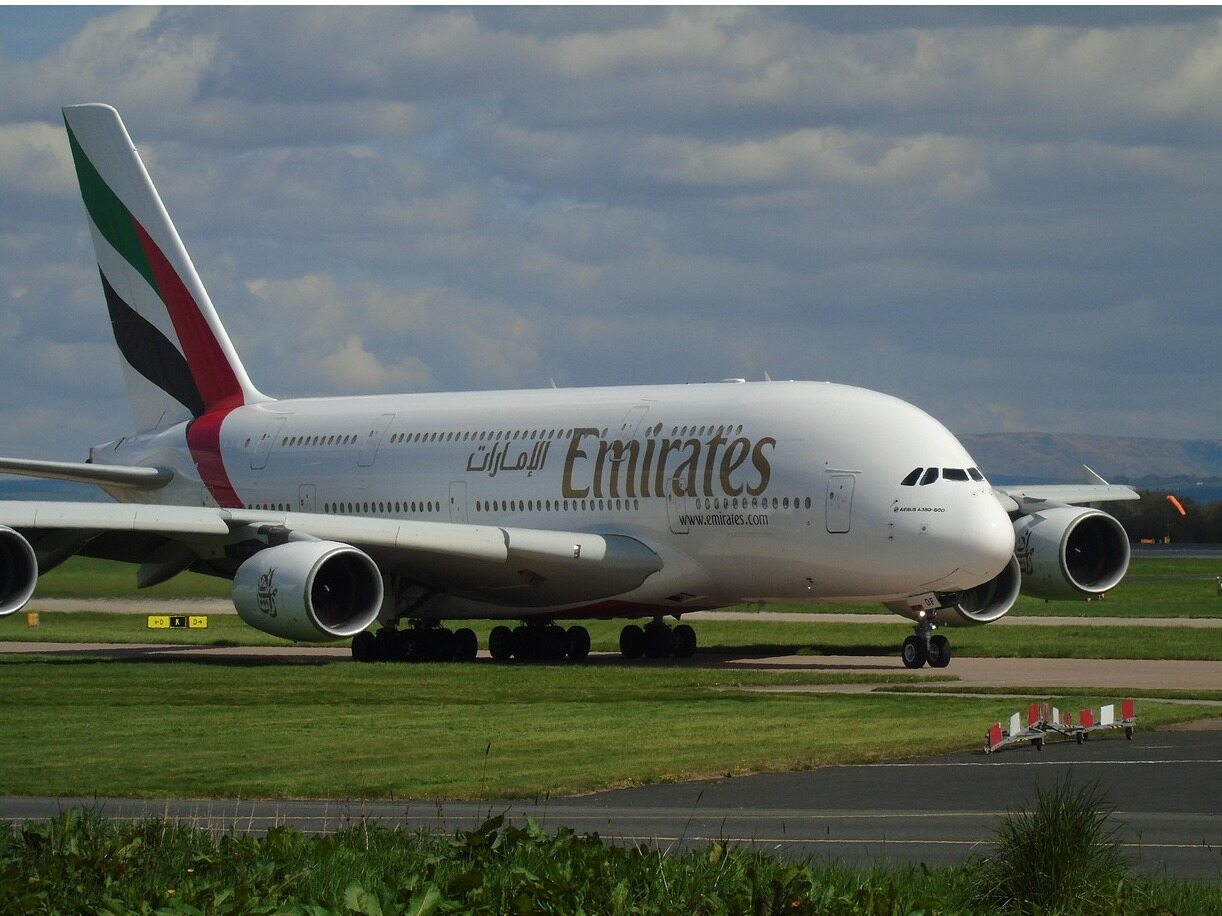
The full lifecycle carbon emissions of bio aviation coal can be reduced by 60% to 85% compared to traditional aviation fuel. 99% of the carbon emissions in the civil aviation industry come from aviation fuel consumption, and electrification is difficult to replace in the short term. SAF has become an essential requirement for decarbonization. The Zhongneng Yida project has a full production capacity of 315700 tons of bio aviation coal, which can be converted into an annual reduction of hundreds of thousands of tons of carbon dioxide based on industry experience, equivalent to tens of thousands of cars stopping for one year; At the same time, block the gutter oil back to the dining table and turn waste into treasure. By the end of 2025, China will have built a green aviation fuel production capacity of 1.7 million tons per year. In the first half of 2026, 16 new SAF projects will be launched, leading the world. After the addition of this project, the SAF production capacity matrix in Hebei and even the whole country will add another heavyweight link, and domestic sources will be reserved for future mandatory blending.
From the grease trap in the kitchen to the engine at an altitude of tens of thousands of meters, this link not only connects the process, but also the ledger of the circular economy. When the construction site in Shenze started, the carbon reduction story of Chinese aviation fuel added another line of concrete footnote.Editor/Yang Meiling
Comment


 Praise
 Collect
 Comment

 Share
Share


Write something~