 Search


- The global railway landscape is undergoing major changes, with both opportunities and challenges for Chinese enterprises to go global
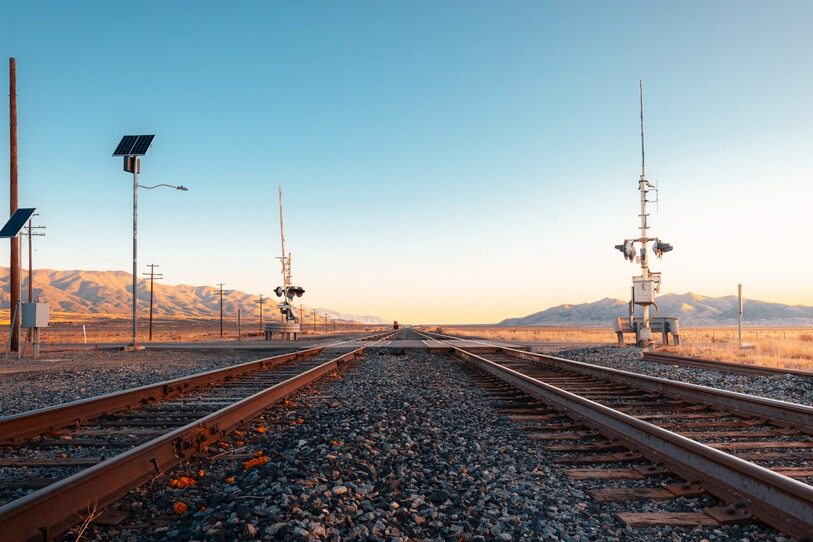
The global railway investment trend is quietly shifting. An authoritative industry report outlines a new market landscape, with Europe surpassing Asia to become the world's largest regional railway market by relying on existing routes and vehicle renewal demand. The differentiation of hot and cold regions and the competition of opportunities in different tracks have made it a focus of industry attention for Chinese rail transit companies to find the right direction for going global in the changing situation.
Market restructuring
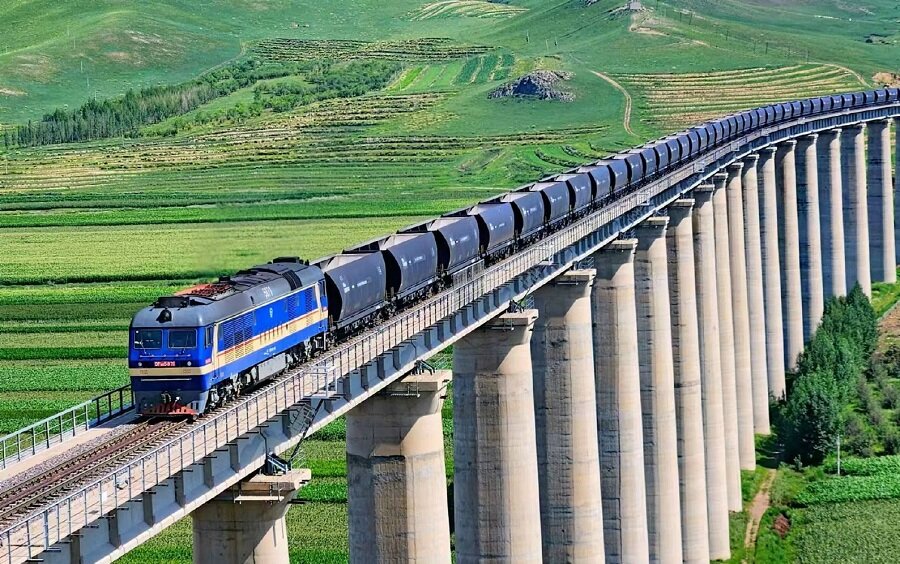
According to the SCI Verkehr report cited by the international railway magazine IRJ, the European railway market is expected to reach 77.7 billion euros by 2025, with growth expected to continue to outperform the global average. The report predicts that the global railway market will exceed 275 billion euros by 2030, with a compound annual growth rate of approximately 3.9% from 2025 to 2030. Passenger rail is driving the industry upwards, with an average annual growth rate of about 4.7% for urban rail, and high-speed rail also maintaining rapid growth. The freight market is suppressed by multiple factors, limiting its growth potential.
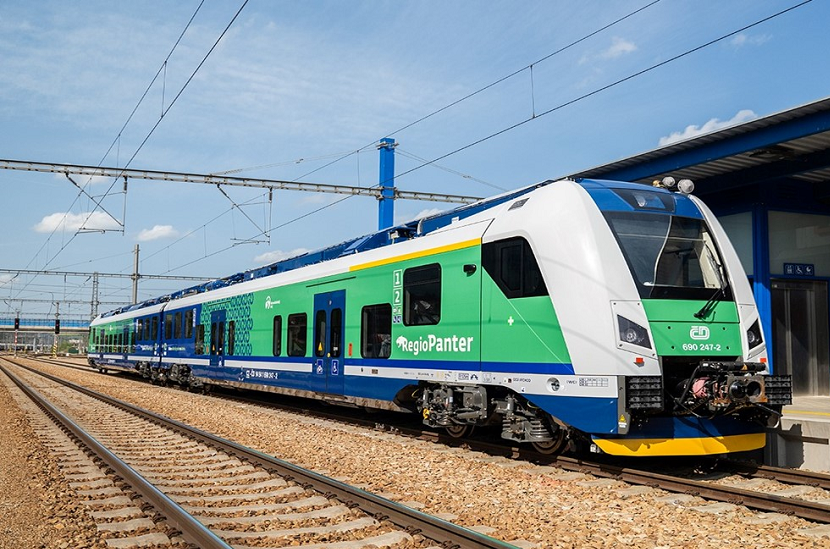
The regional market varies in temperature. European growth relies on the upgrading of existing road networks, continuous investment in ETCS systems and urban rail projects, and an average annual growth rate of 5.5% in the high-speed rail market. Asia as a whole is slowing down, and China remains the world's largest single market, with demand shifting towards line maintenance and vehicle operation and maintenance. India and Southeast Asia maintain growth, but it is difficult to hedge against an overall downturn. The North American market size is 29.9 billion euros, and the freight industry has emerged from a downturn, opening up new space for the renewal of passenger fleets. The size of the CIS market is 28.5 billion euros, with growth focused on Central Asia and the South Caucasus. The average annual growth rate in Africa and the Middle East is 6.1%, while South America is gradually widening the gap with the Australia Pacific region.
Head competition changes
In terms of country, the top ten global railway markets together account for 70% of the market share, with China firmly holding the top spot with a market share of 18%, followed closely by the United States and Russia, and Germany ranking fourth. In the future, it may be surpassed by India. Spain has replaced Canada in the top ten.
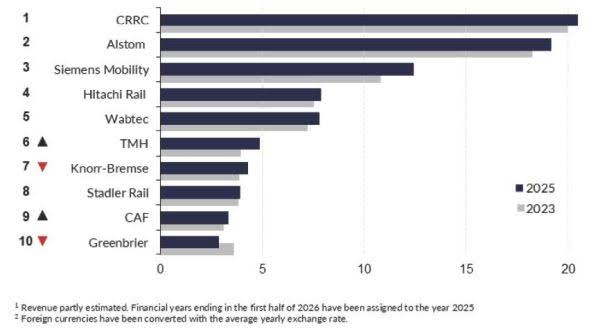
On the enterprise side, the total revenue of the world's top ten railway companies has increased by about 10% in the past two years to 87 billion euros, indicating a high degree of industry concentration. CRRC still ranks first among global suppliers, and the gap with Alstom continues to narrow, followed by Siemens Mobility Hitachi Railway Westinghouse Brakes. The focus of industry mergers and acquisitions has shifted from vehicle integration to the fields of components and digital technology. Keywords: global railway market, rail transit
Technology drives the future
Digitization and decarbonization continue to reshape the railway industry. The signal equipment market has an average annual growth rate of 4.3%, and the growth rate of passenger information systems can reach 7%. Technologies such as autonomous driving sensors are used to continuously enhance the value of vehicles. Under the wave of decarbonization, battery powered trains have become an important choice for non electrified lines in Europe. The heavy-duty freight scenario is limited by technological costs, and the transformation and extension of the service life of internal combustion locomotives will still exist for a long time.Editor/Min Jing
Comment



 Praise
 Collect
 Comment

 Share
Share


Write something~