 Search


- Short term gas price surge difficult to sustain, global LNG supply will usher in expansion
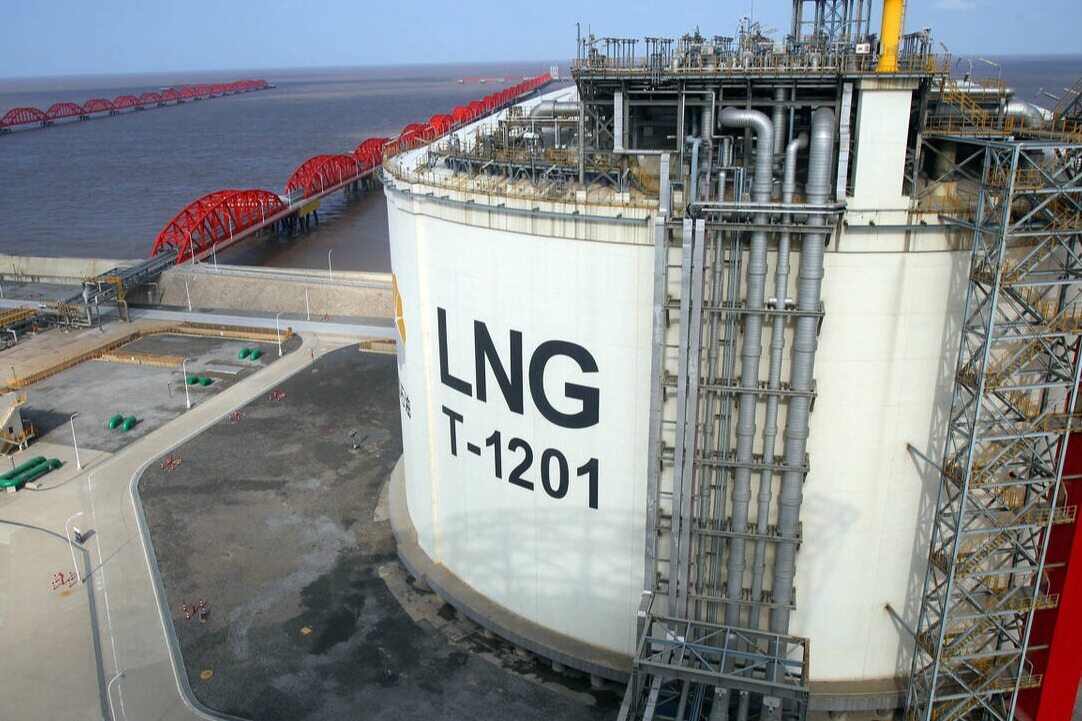
Global liquefied natural gas prices are rapidly rising due to geopolitical conflicts, and Canada is about to hold an investment summit to promote local LNG projects. However, industry research institutions have issued risk warnings that short-term bull market signals can easily mislead long-term capital, and future new production capacity and new energy transformation will reshape the natural gas market landscape.
Geopolitically pushing up gas prices
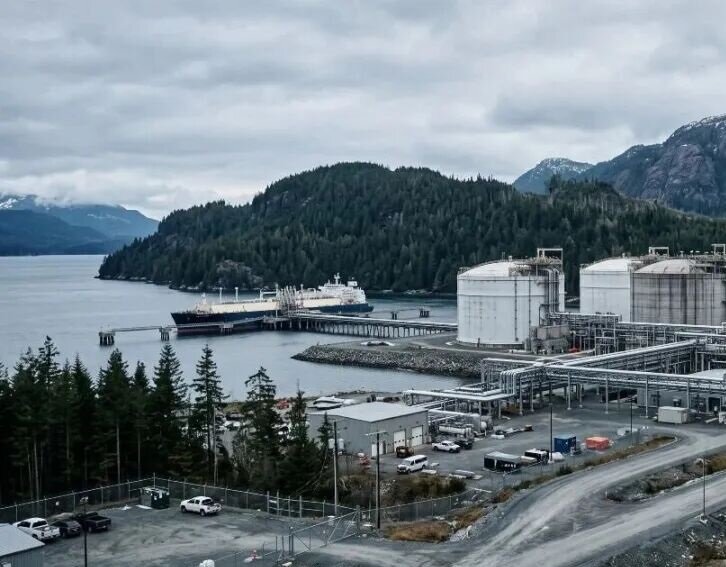
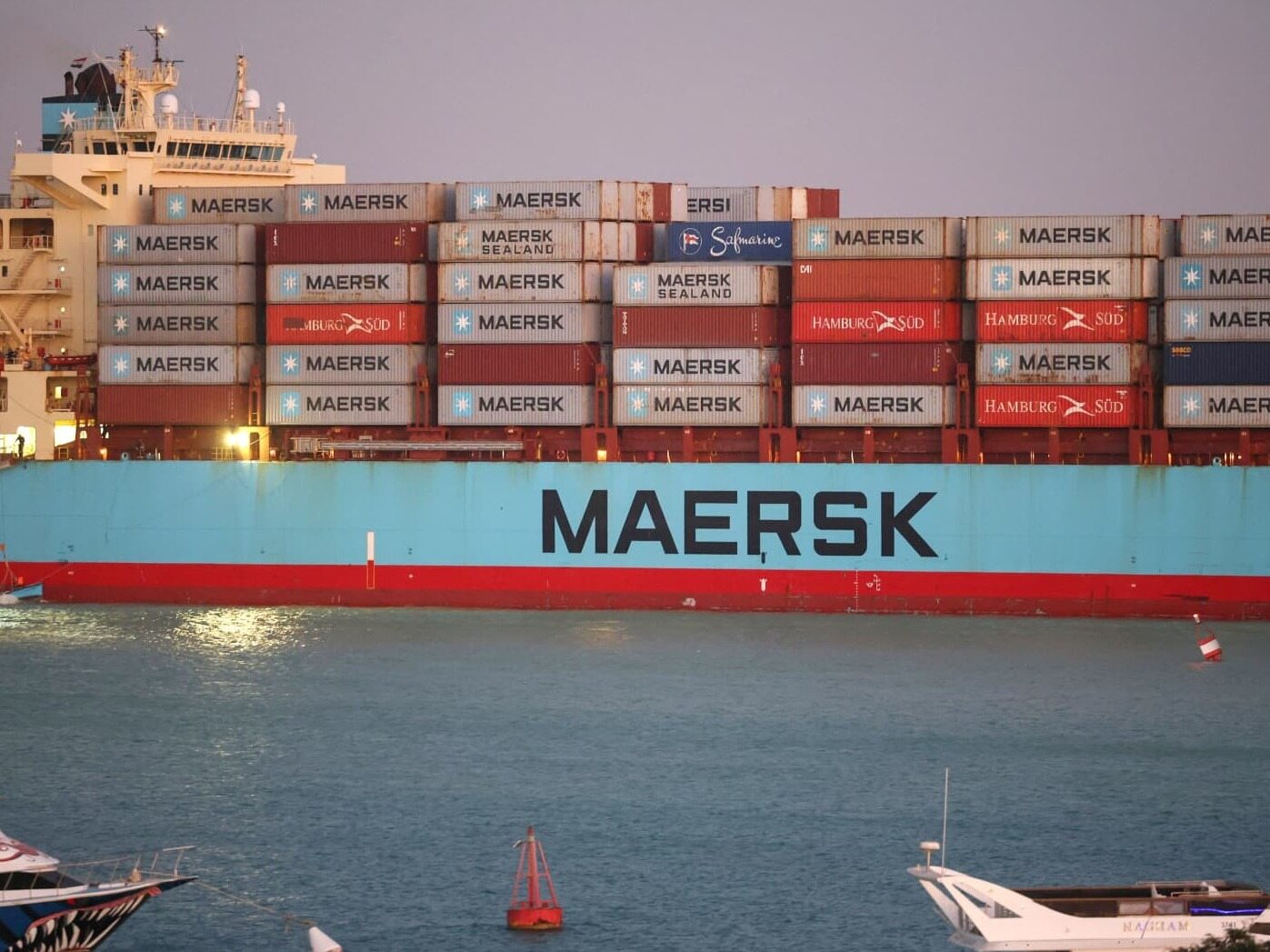
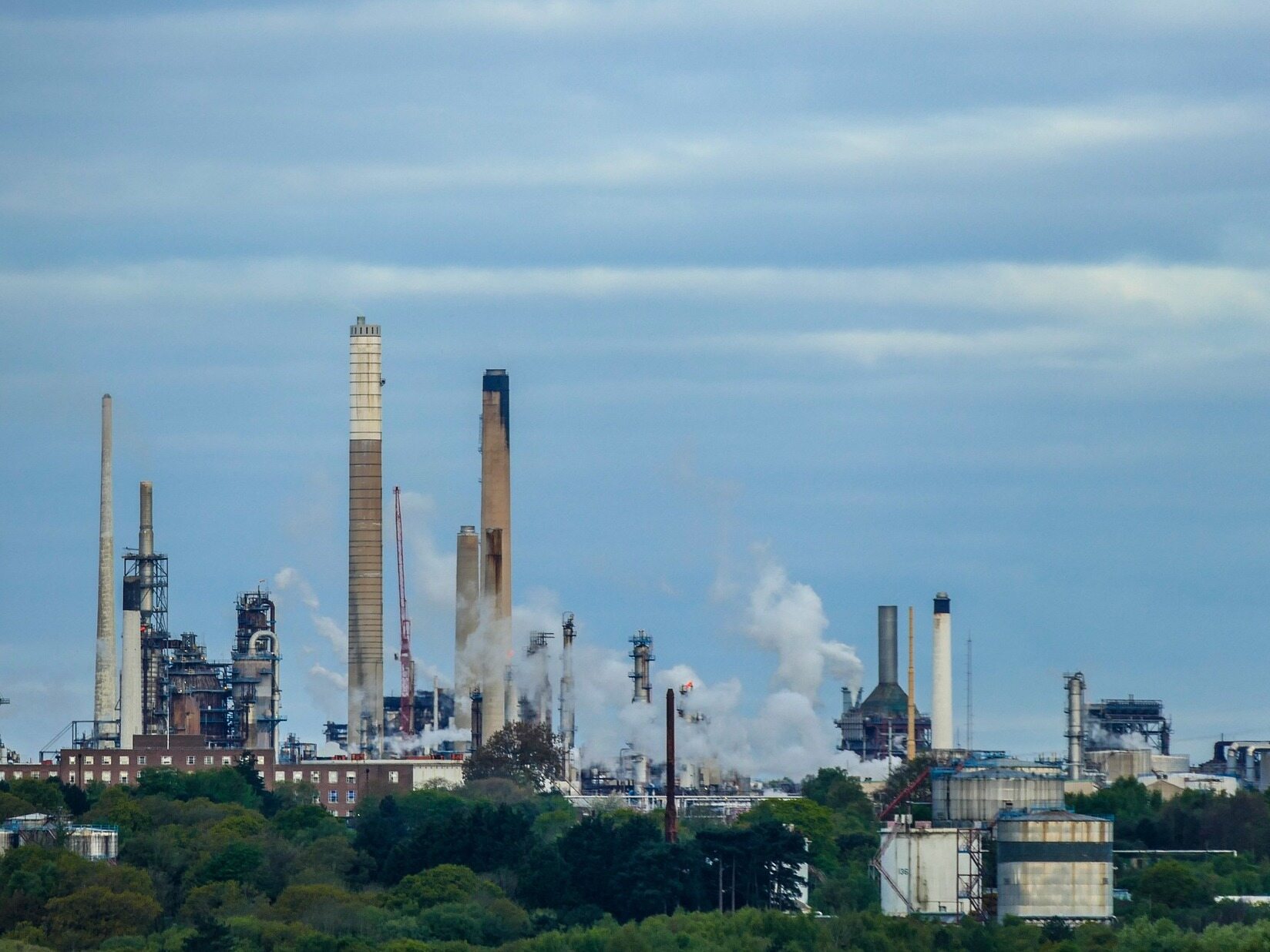
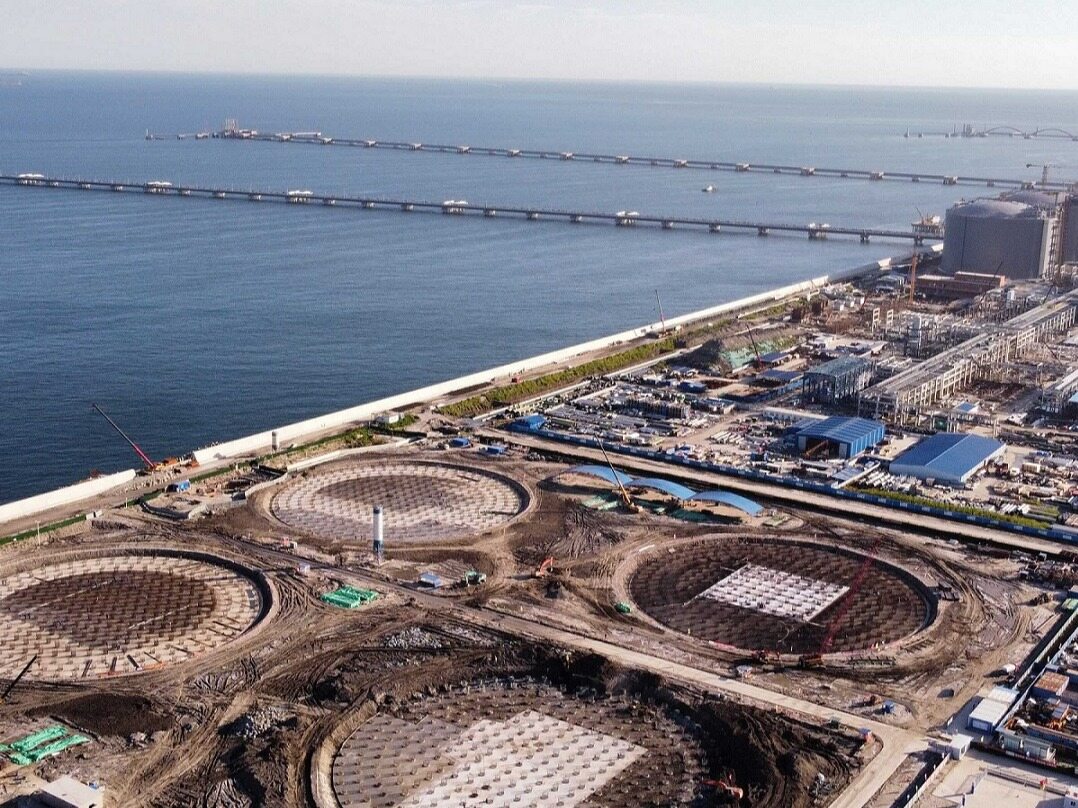
The conflict in the Middle East has disrupted global energy flows, restricted shipping in the Strait of Hormuz, disrupted nearly one-fifth of global LNG supply, and pushed spot prices to a three-year high. The root cause of this round of price increases is geopolitical turbulence, not actual demand increases. LNG projects require huge investment and have an operating cycle of several decades. The Canadian LNG plant is located in a remote area, and supporting facilities need to be built from scratch. The construction cost is high, and the short-term price surge is difficult to support the profitability of such heavy asset projects.
Release of new production capacity
The energy market has its own regulatory capacity, and high prices will suppress gas demand, promoting energy efficiency improvement and energy substitution. Once shipping in the Strait of Hormuz resumes, the interrupted gas supply will return to the market. By 2032, the total global LNG supply will increase by over 40%, and several new factories in Canada, the United States, Russia, Mozambique, Nigeria, and Mexico will be put into operation one after another. After the increase in supply, the competitiveness of high cost Canadian LNG projects will face severe challenges.
Energy transition impact
Although many importers hope to use Canadian gas sources to diversify supply risks, Asian and European countries are accelerating their deployment of renewable energy after experiencing consecutive gas supply crises. Countries are promoting the construction of local power sources such as photovoltaics and nuclear power, and the long-term downward trend in demand for fossil fuels is clear. In April 2026, electric vehicle sales reached a new high in 37 countries, and China's photovoltaic module exports doubled after the Middle East conflict. Quebec's Newfoundland and Labrador province has reached a CAD 36 billion energy deal, and the scale of clean energy in Canada is also expanding. Keywords: Global LNG Market, Energy Transition, Canadian Liquefied Natural Gas
The pension funds, sovereign funds, and insurance institutions attending the summit need to distinguish between short-term fluctuations and long-term trends. Rushing to invest in natural gas infrastructure projects with a payback period of 20-30 years can bring significant risks, and investors should remain cautious.Editor/Min Jing
Comment


 Praise
 Collect
 Comment

 Share
Share


Write something~