 Search


- Ukraine expands overseas gas source channels and builds a strong national energy security barrier
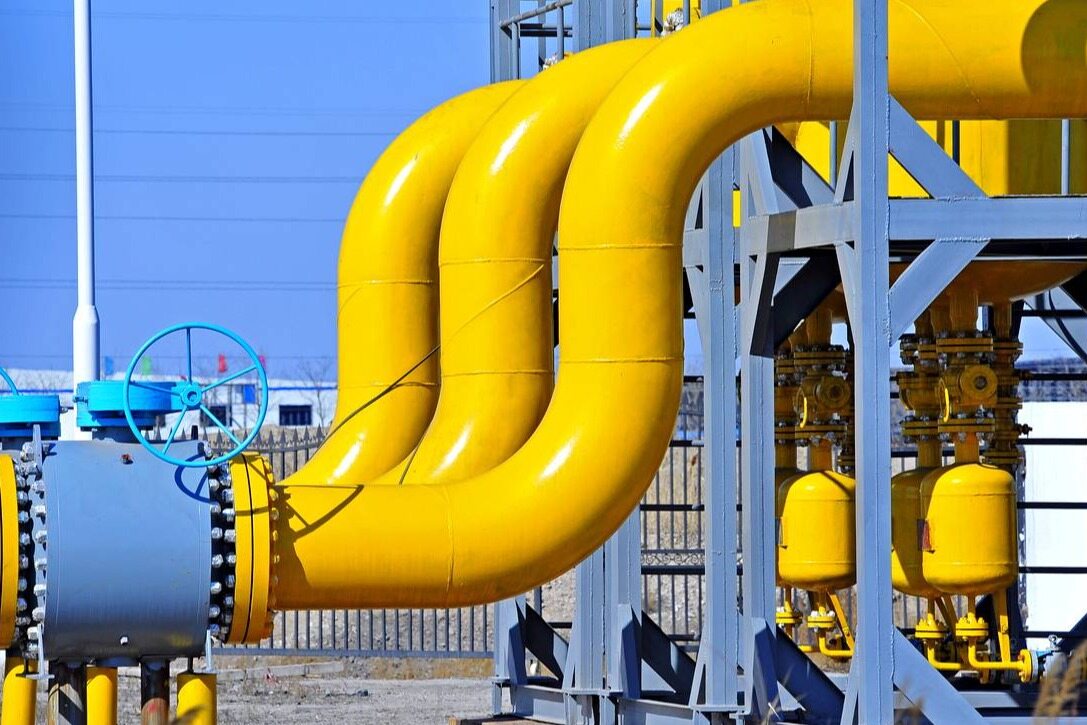
The energy supply pattern continues to adjust, and Ukraine actively breaks away from the traditional gas supply system. Relying on the European LNG receiving hub resources, local energy companies are partnering with Canadian companies to establish long-term gas supply cooperation. By locking in overseas terminal production capacity, they are steadily promoting diversified energy supply layouts.
Landing Canada Gas Source Cooperation
Recently, Ukraine's national oil and gas company Navtogaz reached a new overseas energy cooperation agreement and signed a memorandum of understanding with KinoAski LNG during Zelensky's visit to Canada. Both parties will jointly assess the demand for Canadian LNG in the European market and the feasibility of gas supply, with a focus on cooperation based on the locked production capacity of the Klaipeda LNG receiving station in Naftogaz. At the same time, they can flexibly call upon resources from other receiving stations in Europe to establish stable cross-border gas supply channels. Relevant cooperation information will be disclosed by the acting chairman of the company's board of directors, Sergei Fedorovenko.
Deeply cultivate European terminal resources
In June 2026, Navtogaz finalized a long-term cooperation agreement for the European regasification receiving station and secured the stable production capacity usage rights for the Klaipeda receiving station in Lithuania from 2033 to 2044. The receiving station is shared by five multinational companies in terms of production capacity, including Norway's national oil company Equinor, Finland's Gasum, Lithuania's Ignitis, and Latvia's Latvenergo, in addition to Naftogaz. Keywords: Ukraine LNG cooperation, energy diversification
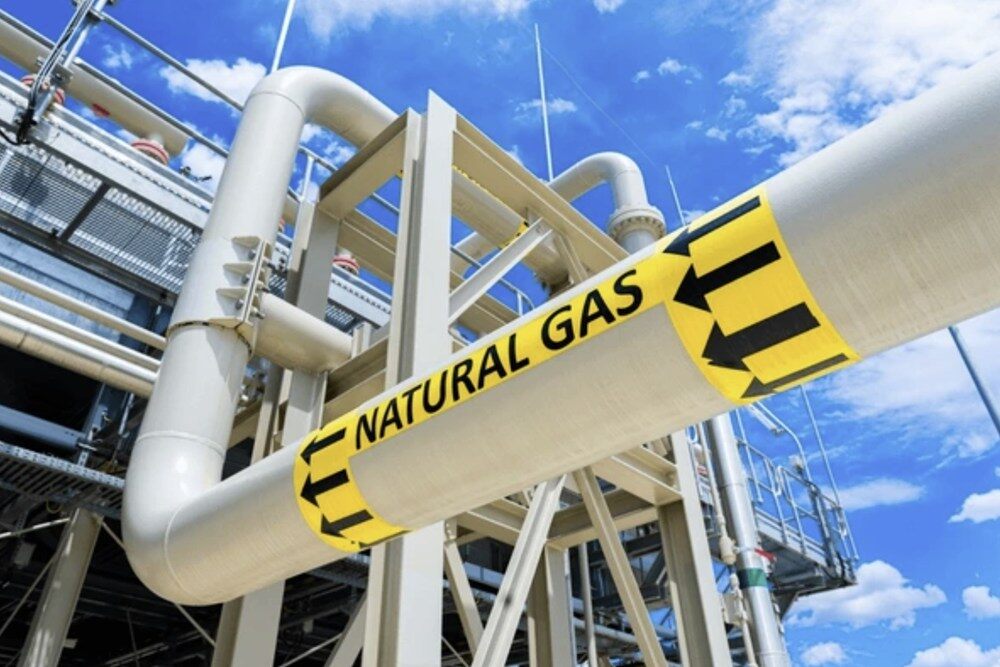
Starting from January 2025, Ukraine will terminate its transit cooperation with Russia, resulting in a persistent shortage of domestic gas supply and a long-term dependence on European spot purchases at high prices. At present, Ukraine's gas supply mainly relies on Poland, Hungary, and Slovakia. The company also plans to import LNG from the United States through Germany, Lithuania, and Poland receiving stations, and improve the overseas gas supply system through multiple parallel lines, effectively reducing energy supply risks.Editor/Min Jing
Comment


 Praise
 Collect
 Comment

 Share
Share


Write something~