 Search


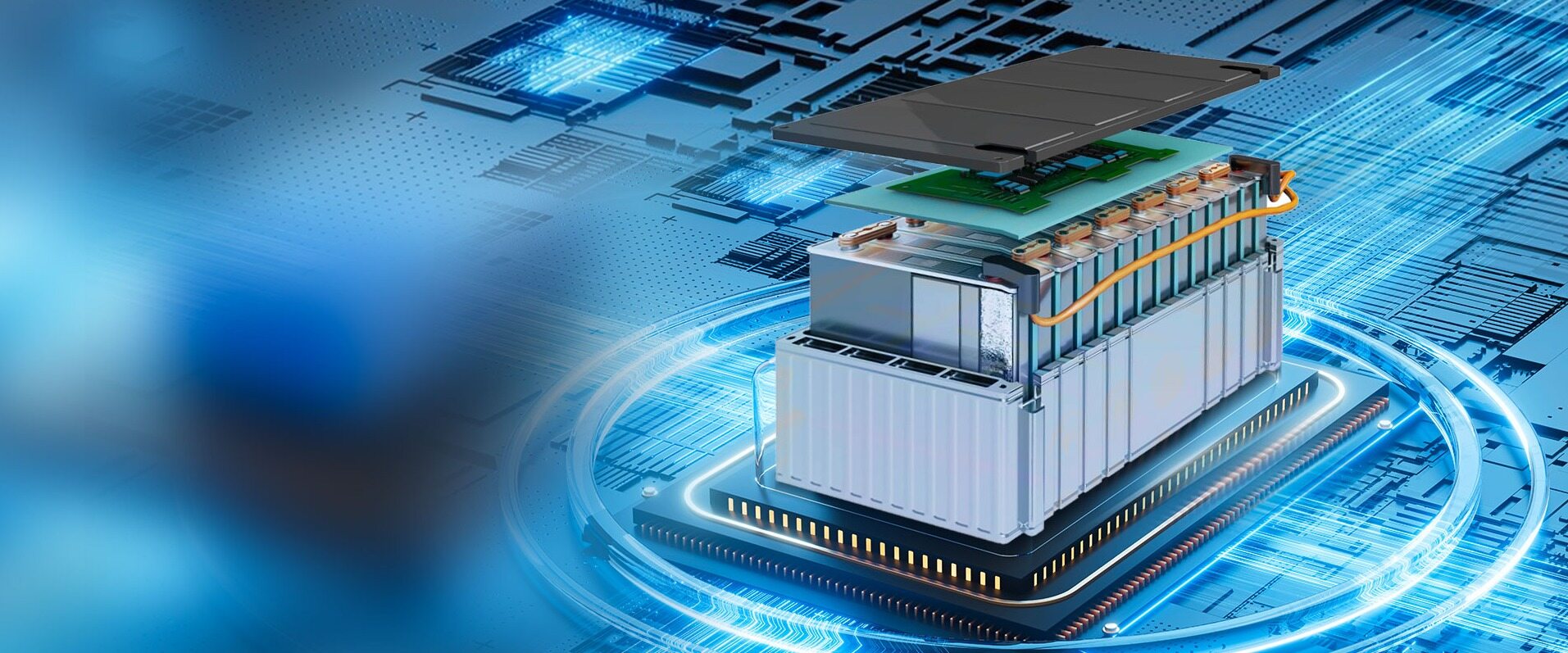
- Chinese lithium-ion batteries knock on the door to Europe through North Africa
On September 11, 2026, Moroccan media TelQuel published an interview with Khalid Qalam, the president of Gotion's Moroccan subsidiary, confirming that the first battery cell production line of the factory will be put into operation in October 2026, and the second line will follow up one month later. This means that the first lithium battery super factory in Africa has entered the countdown to mass production. A month ago, the Moroccan government had just allocated 23.88 hectares of state-owned land to support this factory with a dedicated railway line. From repairing the railway to confirming the production time, the signal is clear: this project is really going to start.
A super factory that starts from the material side
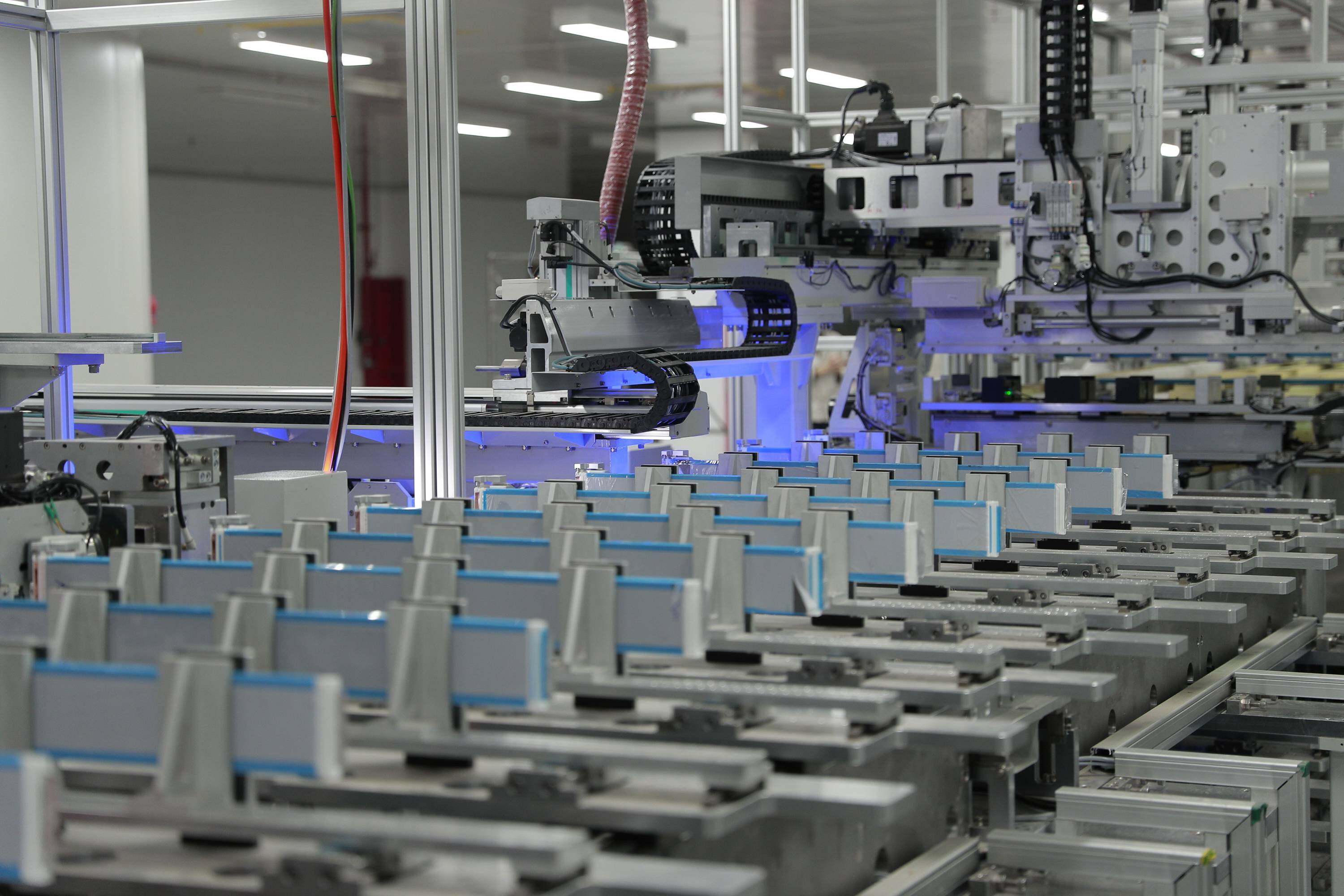
The Gotion Morocco project is located in the Ganitra Atlantic Free Trade Zone and is the first lithium iron phosphate super factory in Africa and Central and Northeast Africa to achieve integrated mass production of positive electrode materials, battery cells, and battery packs. The first phase investment is about 1.1 billion euros, with a long-term plan of 100 GWh. The African Development Bank has approved a special loan of 100 million euros and taken the lead in raising matching funds, with the Moroccan King's Sovereign Fund CDJ also strategically investing. Official capital, international financial institutions, and Chinese industrial capital provide support.
Knocking on the Door of Europe through North Africa
Morocco has signed a deep free trade agreement with the European Union, located only a dozen kilometers away from the Iberian Peninsula. European car companies such as Stellantis and Renault have already built factories here. Volkswagen holds approximately 25% of Gotion's equity, and Gotion's lithium iron phosphate batteries are conveniently matched with overseas production capacity of European car companies, making it natural. Make batteries in Morocco, sell them to European car companies that make cars in Morocco, and then export them to Europe, bypassing the EU's carbon tariffs and origin restrictions on Chinese domestic batteries. The energy storage markets in North Africa and West Africa are also growing, with one factory for two markets. Keywords: the Belt and Road News Network, Lithium Battery, Enterprise Industry
The pain points of reality under the spotlight
The landing of the springboard mode faces three pain points. In terms of raw materials, the factory consumes 95000 tons of iron phosphate and 24200 tons of lithium carbonate annually after full production. More than 80% of the core raw materials still need to be imported from China, and fluctuations in lithium prices directly transmit costs. In terms of talent, lithium batteries are a technology intensive industry, with almost no mature local skilled workers. Core processes and equipment maintenance still require domestic expatriate engineers. In terms of policy, EU battery regulations and carbon footprint tracing continue to be upgraded, with full traceability of upstream raw material origin and carbon emission data. If the core raw materials and processes come from China, they may still be identified as indirect transit products and tariff dividends may be cancelled. The Gotion project is a touchstone for China's lithium battery industry chain to land in North Africa and enter the European market in a roundabout manner. Successful production will accelerate the gathering of material companies, but if hindered, the pace of the entire North African lithium battery going global will slow down. In October 2026, the first battery cell line is about to start running.Editor/Gao Xue
Comment



 Praise
 Collect
 Comment

 Share
Share


Write something~