 Search


- China National Offshore Oil Corporation extends to new scenarios such as offshore wind power
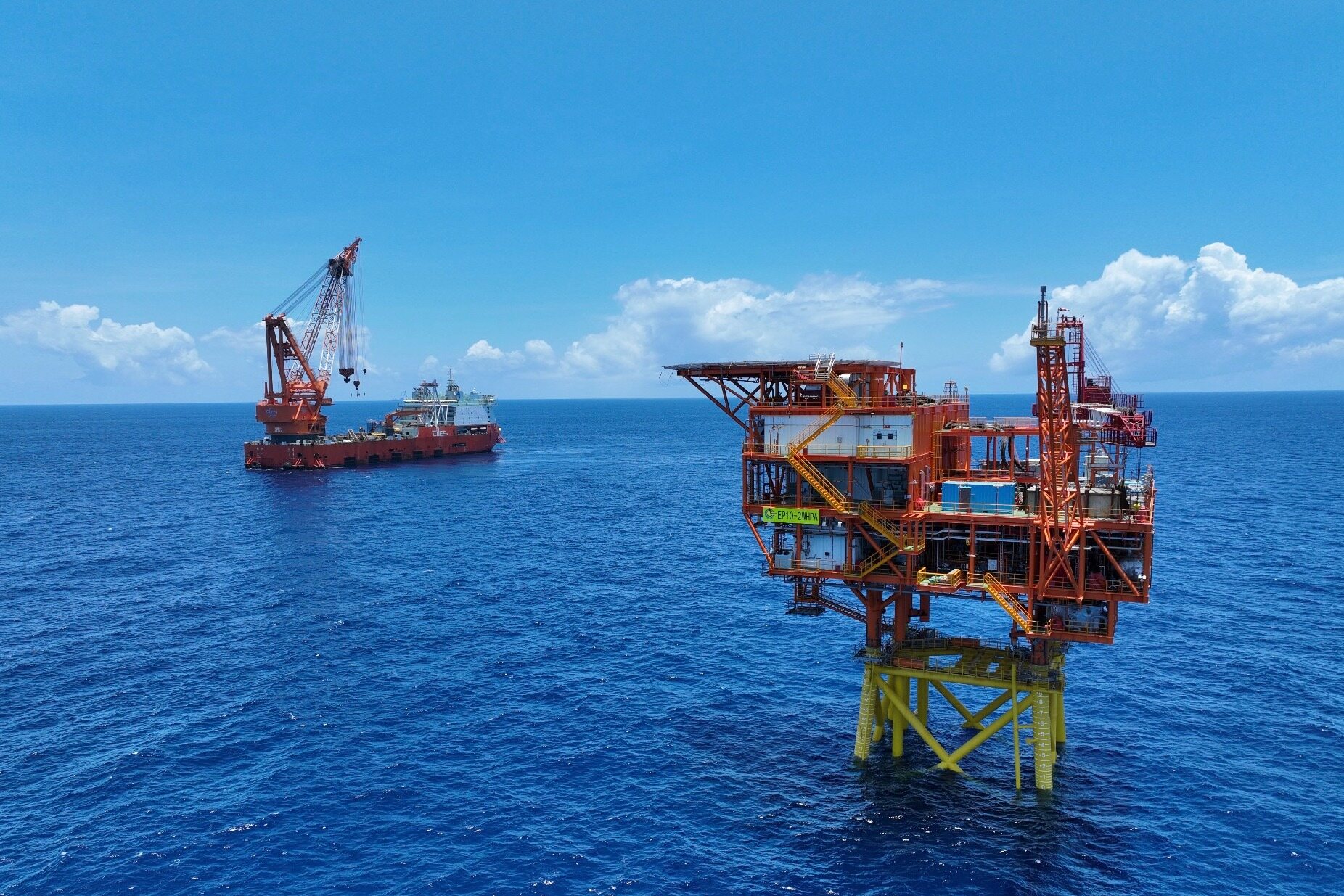
DeepBlue International Energy Tianjin Co., Ltd., a new subsidiary of China Petroleum System, has been established in Dongjiang, Tianjin with a registered capital of 326 million yuan. It is 100% owned by China Petroleum Group Ocean Engineering Co., Ltd. Its business scope covers offshore oil and gas development, engineering design and construction, power generation and transmission, and research and development of offshore engineering equipment. The Secretary of the Party Committee of Tianjin Dongjiang Comprehensive Bonded Zone issued a business license to the company and stated that the company will undertake the functions of leasing and purchasing multiple offshore platforms, as well as supporting operations for offshore energy extraction in the future. Simply looking at this information can easily be understood as ordinary asset arrangements, but when placed back in the coordinates of China Petroleum's offshore business, the signals are not simple.
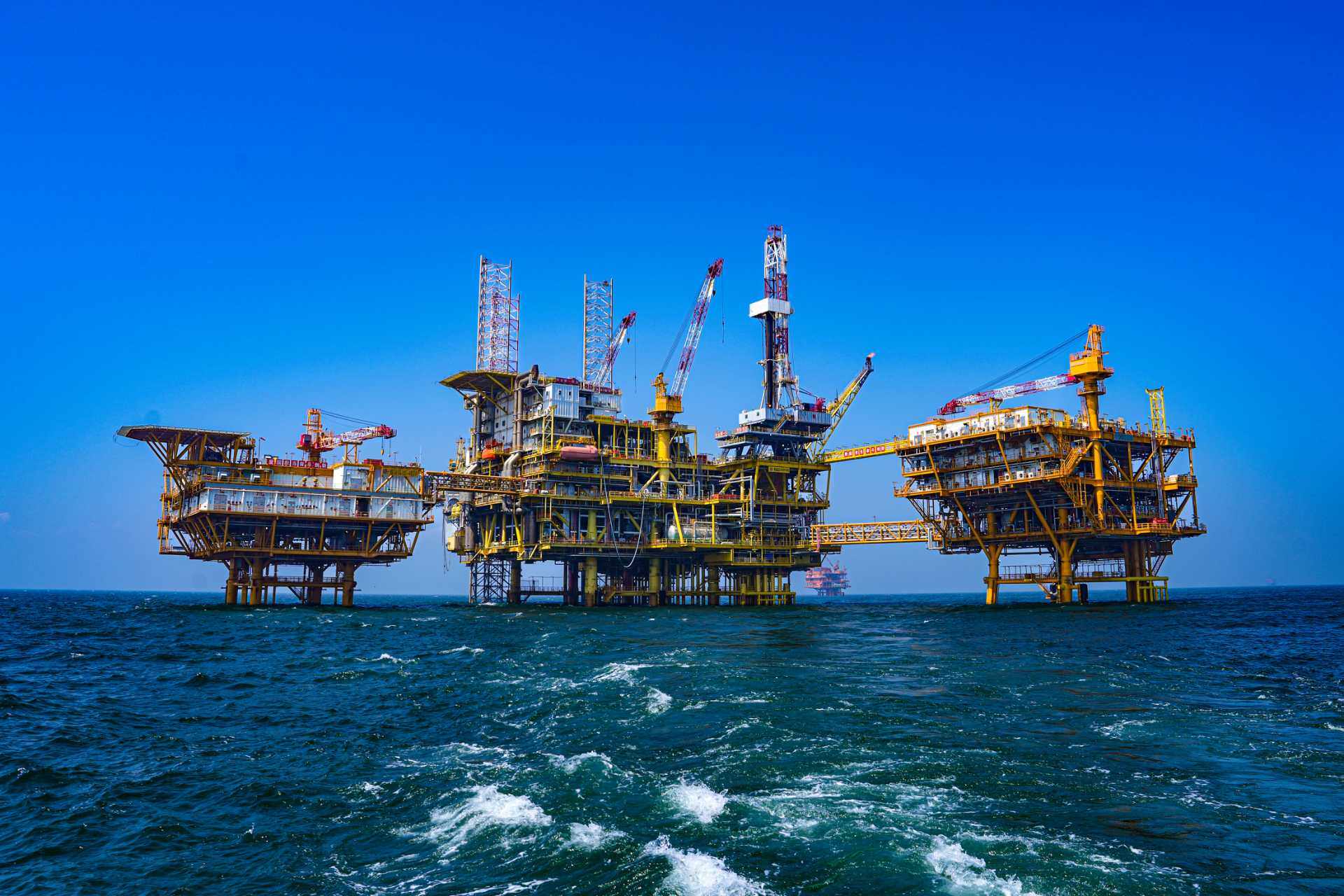
A platform is an asset, not a decoration
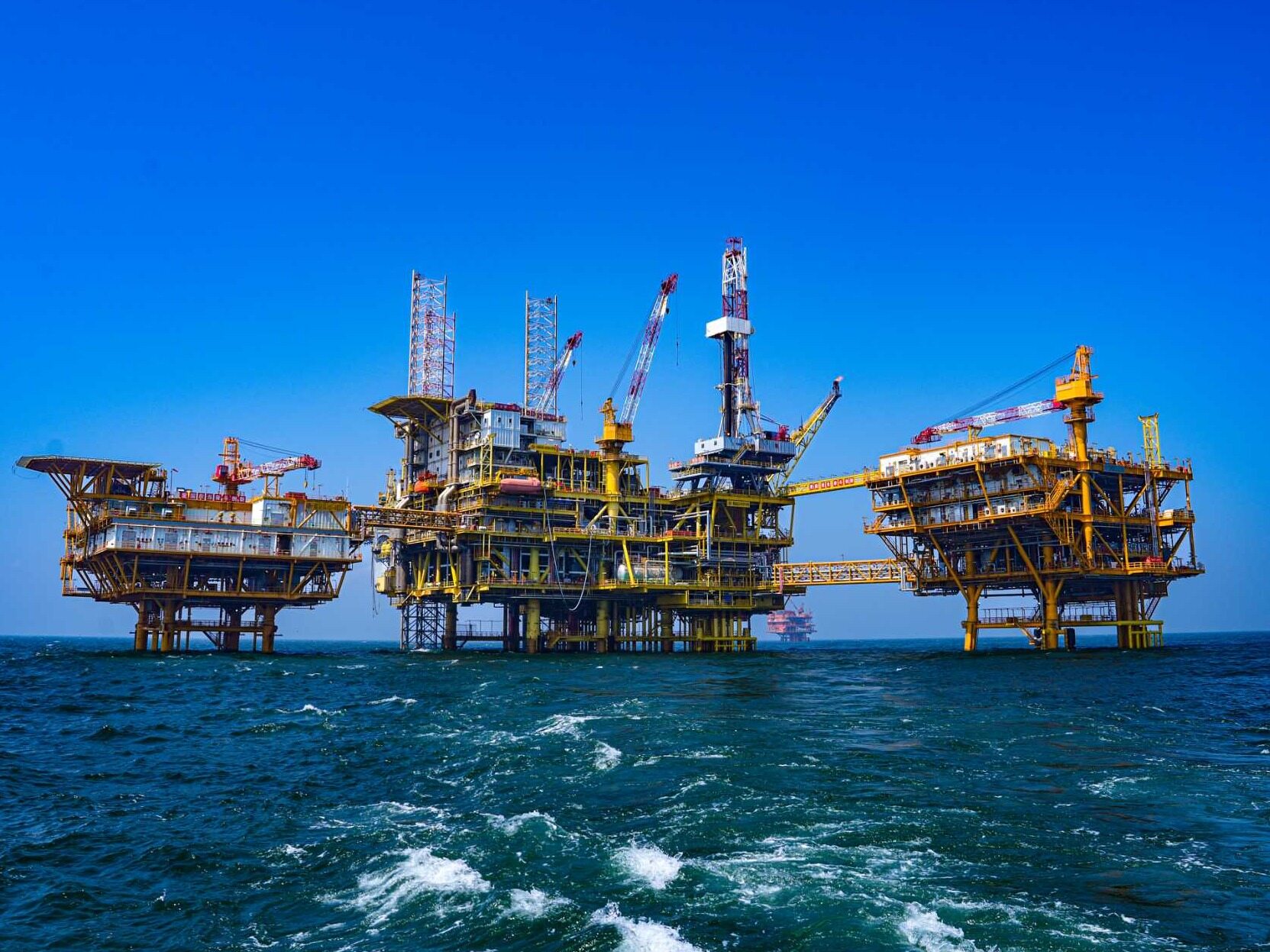
CNOOC Offshore Engineering is the only specialized offshore oil and gas engineering technology service platform under China National Petroleum Corporation. According to the China Petroleum News, it will have 14 offshore platforms put into production by 2025. Ocean platforms do not generate revenue when parked, but continue to incur maintenance costs, and their value can only be realized through leasing or engineering services. After the renovation of platforms 18 and 19 of China National Offshore Oil Corporation (CNOOC), they will be leased to the public, while platforms 20 and 21 of CNOOC will be renovated and delivered again. As of the end of September 2024, these four platforms have drilled a total of 113 wells and completed 85 wells, generating over 400 million yuan in revenue. As a result, offshore platforms have dual attributes: they are not only oil and gas development equipment, but also assets that can be rented, operated, and revitalized. The establishment of DeepBlue is a specialized extension of this business philosophy.
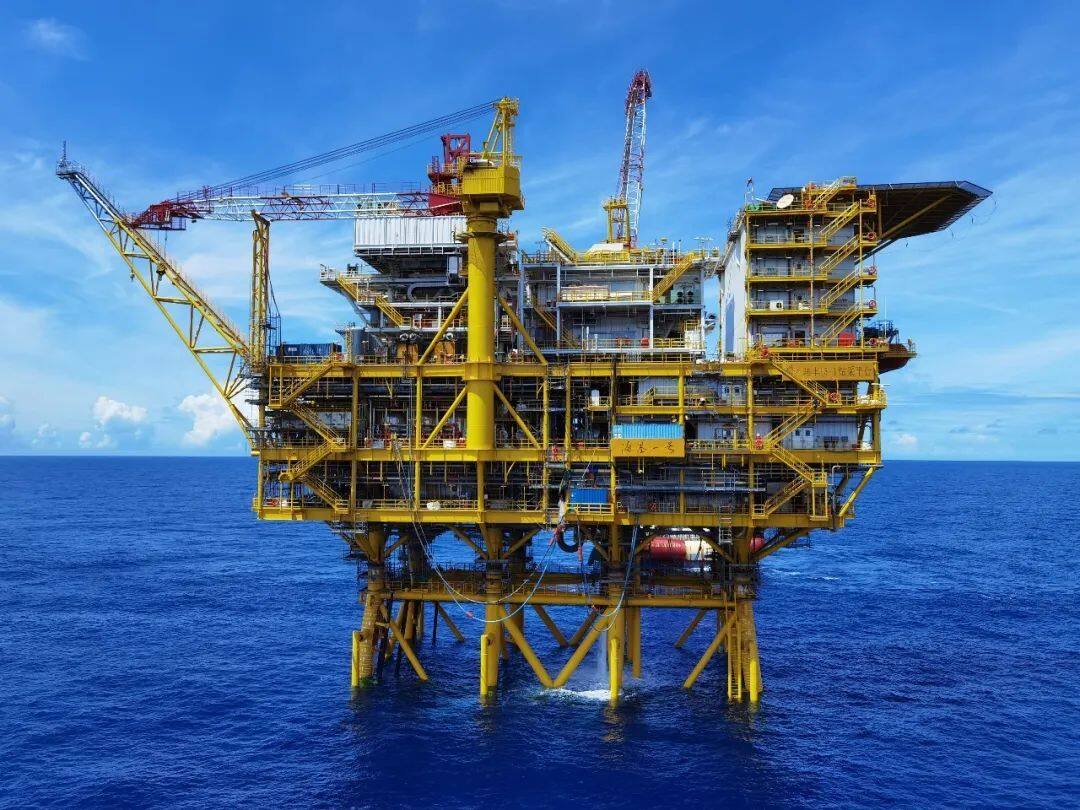
The dual sea strategy extends beyond oil and gas
In May 2026, China National Petroleum Corporation (CNOOC) Technology Service proposed the overseas and offshore dual sea strategy, and CNOOC Offshore Engineering won consecutive bids for projects such as CNOOC CZ7 offshore boosting station and Ningde Xiapu offshore wind farm B area offshore boosting station EPC general contracting. The offshore booster station is the heart of offshore wind farms, integrating construction, transportation, hoisting, installation, and long-term operation and maintenance. It also needs to cope with complex sea conditions and strict safety requirements, which is precisely the engineering capability of CNOOC Offshore Engineering. The larger background is that the ocean is becoming the main battlefield for energy increment. According to data from the National Energy Administration, during the 14th Five Year Plan period, ocean crude oil accounted for more than 60% of China's new oil production for five consecutive years. The 15th Five Year Plan outline clearly states that the cumulative grid connected installed capacity of offshore wind power will reach over 100 million kilowatts. Keywords: Infrastructure News Network, Enterprise Industry, Oil and Gas
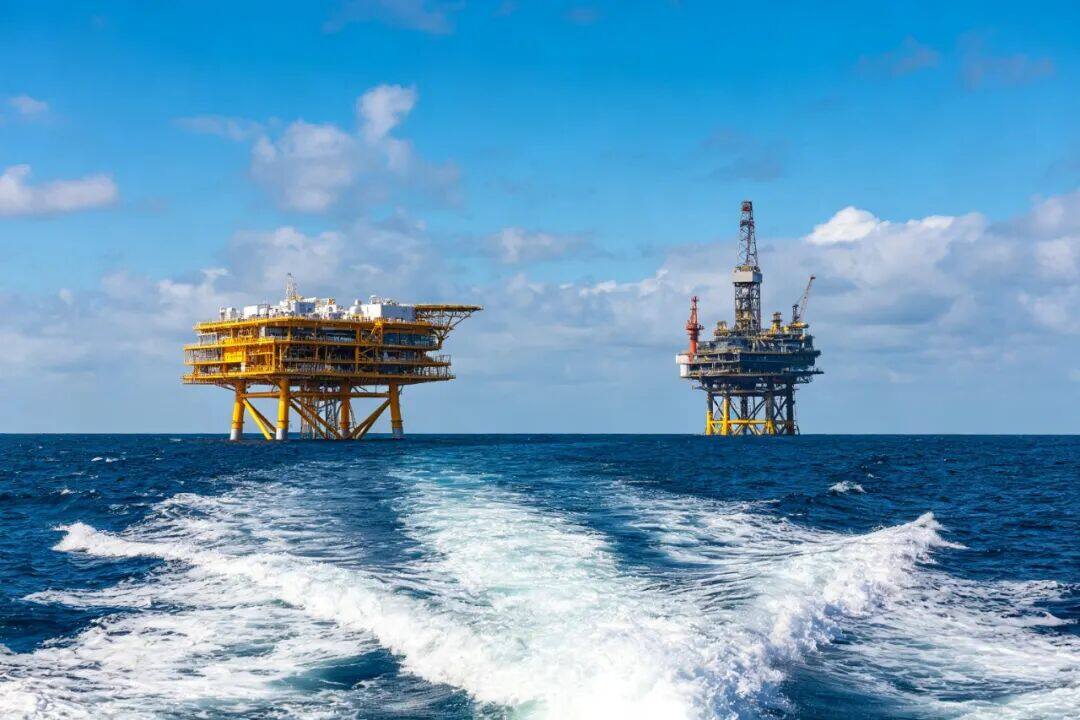
Three barrels of oil lead to the same destination on the ocean battlefield
CNOOC's net production in the first half of 2026 was 398.7 million barrels of oil equivalent, a year-on-year increase of 3.7%, and the world's first 16 MW tension leg floating wind power platform, Haiyou Anlan, was put into operation, providing green power directly to Lufeng Oilfield; Sinopec Shanghai Offshore Oil Bureau holds 38 sea mining rights and 21 proven oil and gas fields, promoting the integration of oil and gas, new energy, and CCS; China Petroleum is bringing its platform, equipment, and engineering service capabilities to new scenarios such as offshore wind power. The significance of the ocean to energy companies is expanding from oil and gas production space to comprehensive energy and asset operation space. DeepBlue is just one of the companies, but it is in the midst of an increasingly significant industry change. It is worth noting whether these platform assets will further operate in markets outside the group or even overseas, and utilization and operational efficiency will become new questions.Editor/Gao Xue
Comment

 Praise
 Collect
 Comment

 Share
Share


Write something~