 Search


- Five cross river bridges have landed, balancing waterway navigation and public travel
- The Pinglu Canal is fully navigable, reshaping the pattern of river sea connectivity in the southwest region
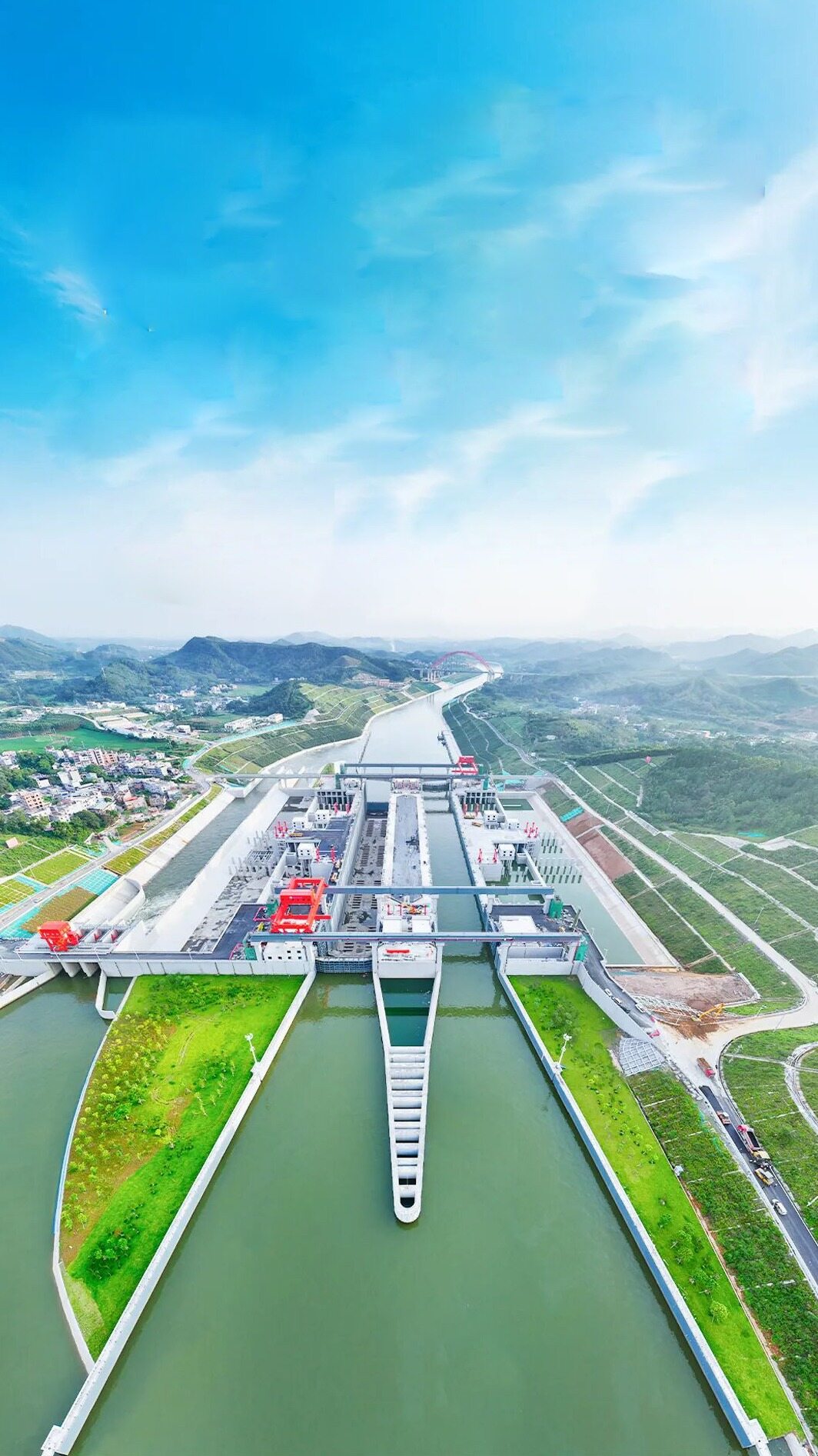
The mountains in the southwest are not far from the sea, but they have been blocked by the watershed for thousands of years. When an artificial waterway finally connects the river and the ocean, the bridge spanning the canal rises again and again - cars, horses, and people flow on the bridge, and tens of thousands of tons of sea vessels pass under the bridge. The river and the sea no longer face each other from now on.
On September 16, 2026, the Century Engineering Pinglu Canal was officially completed and opened for navigation. The 134.2 kilometer long waterway has been fully connected and put into operation. This water Great Wall, located on the land of Guangxi, has ended the situation of the southwest region facing the sea but unable to directly reach the ocean, becoming the core hub of the new land sea corridor in the west. Along the Pinglu Canal, a total of 27 cross canal bridges will be built. China Communications First Highway Engineering Group Co., Ltd. will rely on site renovation, technological innovation, and ecological protection to construct 5 of these cross canal bridges. Large bridges fly over the two sides of the canal, clearing the navigation obstacles for 5000 ton sea vessels and improving the land transportation network on both sides. It is an important project that connects the river and the sea and benefits people's livelihoods.
Balance water and land transportation
Overpass bridges are densely built along the canal, with the core of balancing waterway construction and land transportation. The Pinglu Canal is constructed according to the standards of Class I inland waterway, with a minimum navigation clearance height of 18 meters and a single hole two-way navigation clearance width of no less than 120 meters. However, most of the old bridges on highways and railways have a clear width of only over ten meters and a clearance of less than seven meters, which does not meet the navigation standards.
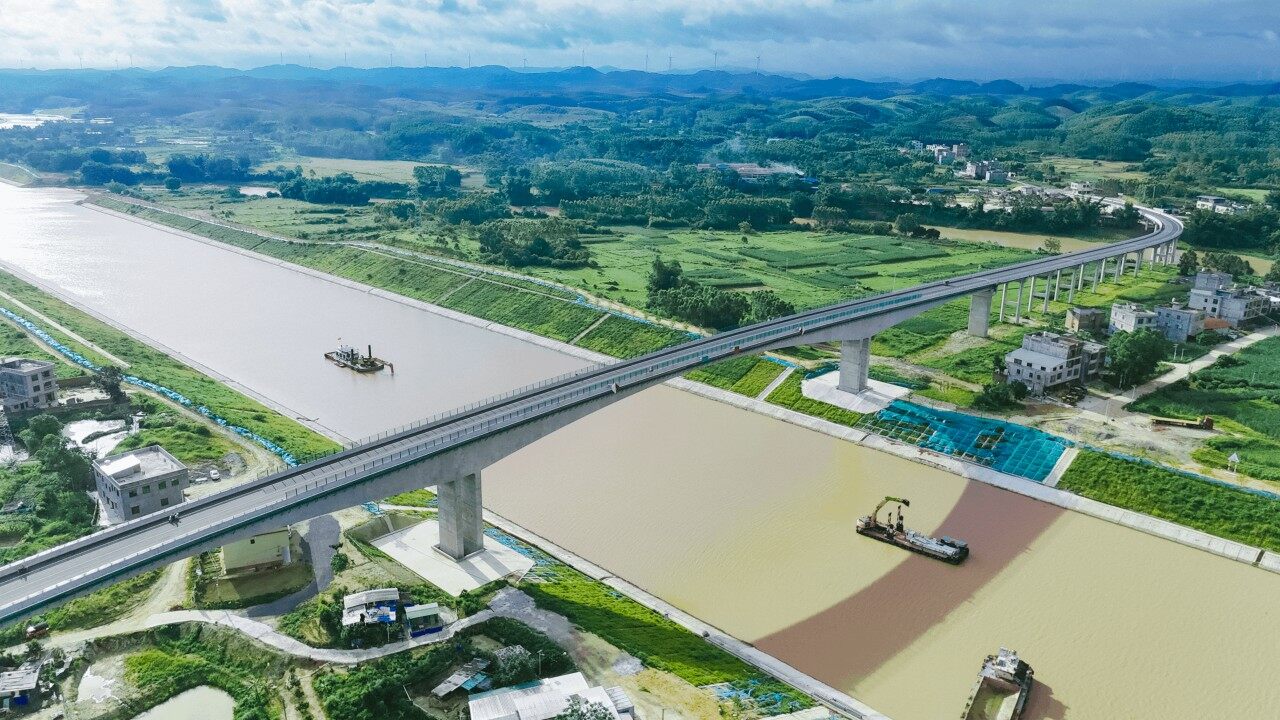
Pingji Bridge
After the excavation of the canal, local residents need to travel and transport goods for tens of kilometers, resulting in a significant increase in time and economic costs. Faced with the dual challenges of ensuring shipping and land transportation, the China Communications Construction team undertook the construction task, re planned the regional road network, and delivered the construction answer sheet on the land of Guangxi.
Technological breakthroughs to overcome challenges
The Qinbei Railway Bridge Reconstruction Project, located in Qinbei District, Qinzhou, has a total length of 4.1 kilometers and spans the main waterway of the Pinglu Canal. It is a key control project to open up the last kilometer of the waterway. The original Qinjiang Bridge on the Qinbei Line had a clearance of less than 7 meters, which cannot meet the 18 meter clearance requirement of the canal. It needs to be demolished and rebuilt on the original site. The project requires the replacement of beams at the original site beneath the operating railway that runs 40 trains per day, and bridge construction is like cutting a knife. The demolition of old bridges and the installation of new bridges must be completed within the limited window period specified by the railway, without any mistakes.
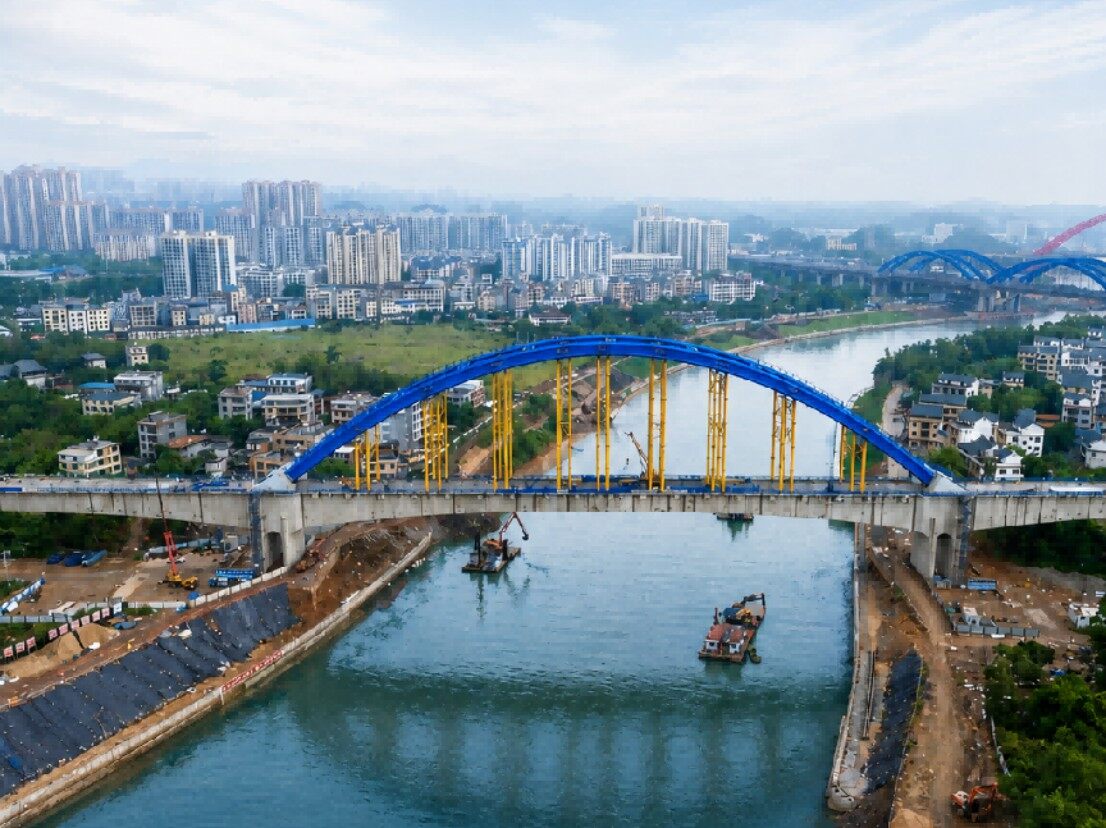
Qinbei Railway Bridge
To overcome the difficulties of tight construction schedule and high precision requirements, the construction team divided the 185 meter steel pipe arch into three sections, using segmented lifting and high-altitude assembly technology, combined with intelligent anti overturning and anti boundary equipment, and multi-party scheduling mechanism. In just 31 days, the entire process from bracket construction to arch rib closure was completed, and the bridge renovation was successfully completed within the window period.
Green construction and ecological protection
Four companies undertook the construction of four bridges, namely Pingji Bridge, Datianping Village Bridge, Yonglong Village Bridge, and Nalu Village Bridge, with a total of 392 pile foundations and a total length of 15218 meters. The project area is mostly composed of fine and medium coarse sand formations, with fast sedimentation rates of sediment and sand. Traditional mud pumps have poor hole cleaning effects. The project introduces sediment separation equipment, which reduces the cleaning time by one-third, thoroughly cleans the sediment, and all pile foundation tests meet the Class I pile standard with a 100% pass rate. At the same time, it reduces the output of mud waste and balances pile quality and ecological protection.
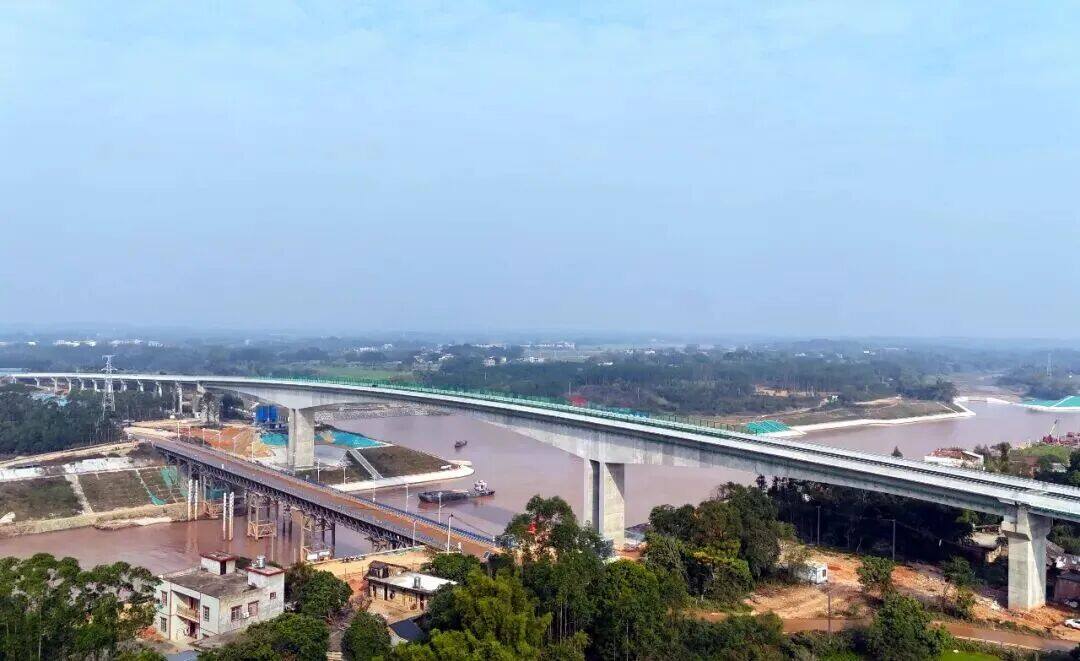
Datianping Village Bridge
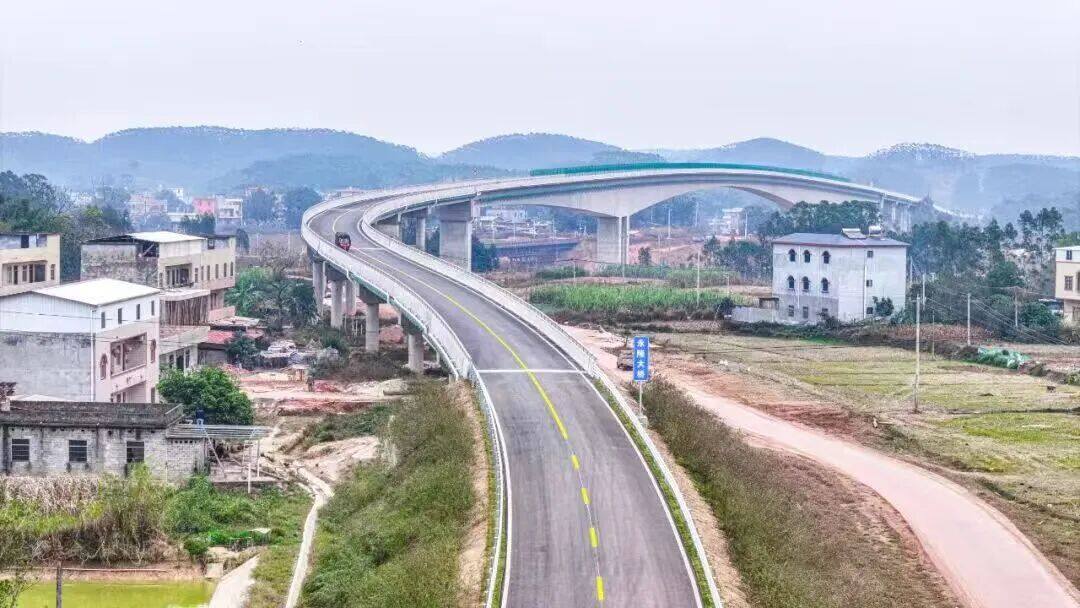
Yonglong Village Bridge
During the demolition phase of the old bridge, Pingji Bridge implemented the green concept and adopted in-situ collapse blasting technology to effectively reduce blasting vibration. The waste concrete was processed into recycled aggregates to achieve resource recycling and practice green construction.
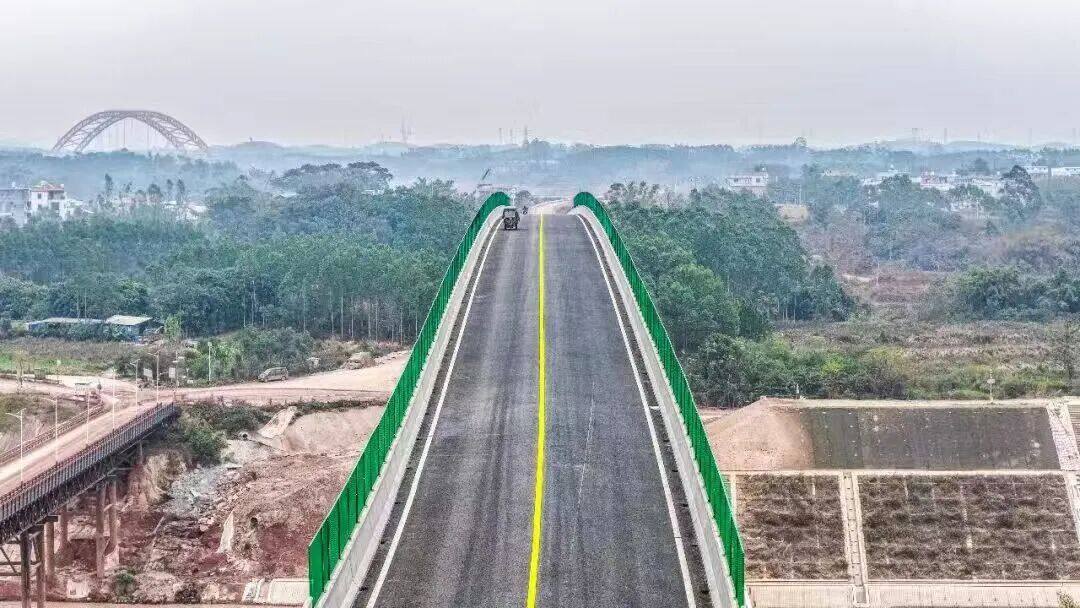
Nalu Village Bridge
Strictly implement environmental control measures on the construction site: the mixing plant is fully enclosed for operation, the powder silo is equipped with bag dust removal devices, and the sand and gravel yard is equipped with a spray dust reduction system; The flushing wastewater is recycled through five levels of sedimentation, and the treated domestic sewage is used to irrigate the forest land, ensuring that the sewage is not discharged outside. Keywords: Pinglu Canal, Cross Canal Bridge, Western Land Sea New Channel
From technological breakthroughs to ecological protection, the construction of five cross canal bridges has set a benchmark for smart construction and ecological priority. The builders of CCCC First Highway Engineering Co., Ltd. will continue to uphold the spirit of craftsmanship, build more development bridges, livelihood bridges, and green bridges, and contribute to the construction of a strong transportation country.Editor/Gong Ziwei
Comment

 Praise
 Collect
 Comment

 Share
Share


Write something~