 Search


- China, Mongolia, and Russia finalize new railway operation rules for 2027
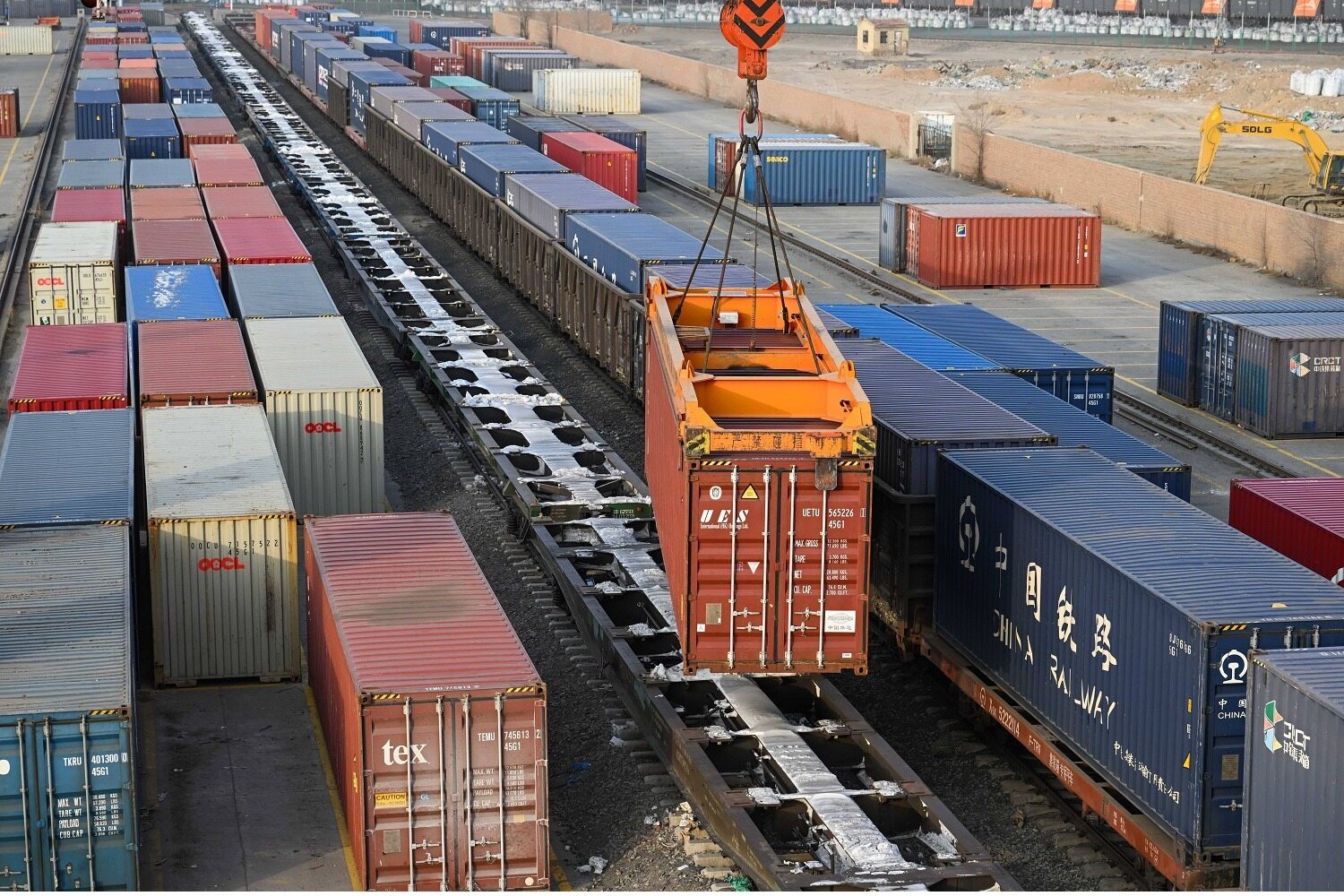
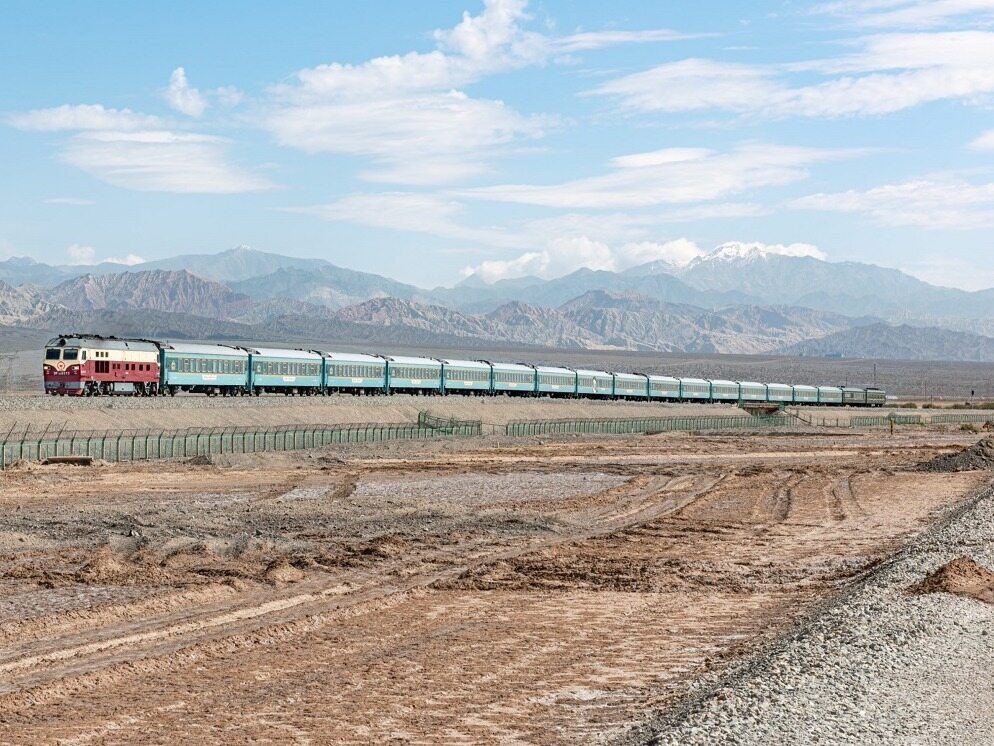
On the conference table in Irkutsk, the signatures of representatives from the three parties fell, and a cooperation agreement covering the optimization of the entire process of the China Mongolia Russia border railway was officially finalized. From September 15th to 18th, 2026, the Railway Representative Conference of China, Russia, and Mongolia was held in Russia, where multiple practical rules for cross-border transportation were implemented. The pace of achieving the 50 million ton annual transportation volume target for the Ulaanbaatar Railway was further accelerated.
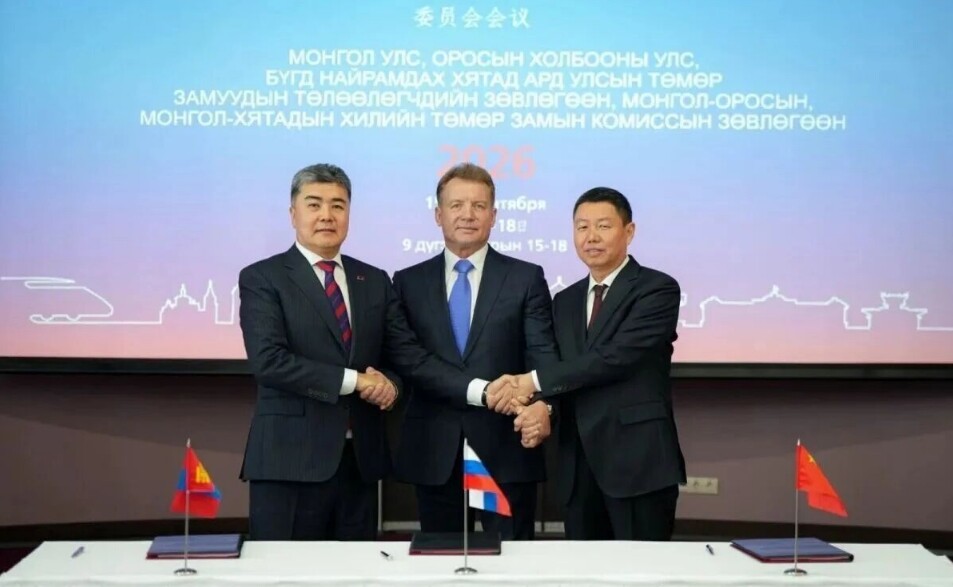
Six practical measures are being implemented simultaneously
The meeting was jointly signed by the heads of railway enterprises from China, Russia, and Mongolia to comprehensively review the implementation of the consensus on cross-border passenger and freight transportation in the previous stage, and finalize six specific optimization measures. The content covers the establishment of freight business agents at border stations, reducing the technical operation time of train handover, simplifying the process of accompanying documents for goods, upgrading the section signal system, optimizing train formation rules, and promoting electronic exchange of cross-border documents. All rules will officially come into effect on January 1, 2027.
Regarding the cross-border transportation between Erenhot and Zamyn Uud ports, the three parties have clarified that except for container trains, all other freight trains will be grouped and handed over according to the name of the goods, directly reducing the number of shunting operations within the port station. The overall efficiency of the port is expected to increase by more than 20%. The four core border stations of Naushki, Sukhbaatar, Zamyn Uud, and Erenhot will simultaneously set up business agents for each other, greatly simplifying the cross-border transportation docking process for enterprises. As of August 2026, the traffic volume of China Europe freight trains at Erenhot Port has exceeded 2300 trains in the first 8 months, a year-on-year increase of 18.7%. After the implementation of the new rules, the pressure on port traffic during the remaining period of the year will be directly alleviated.
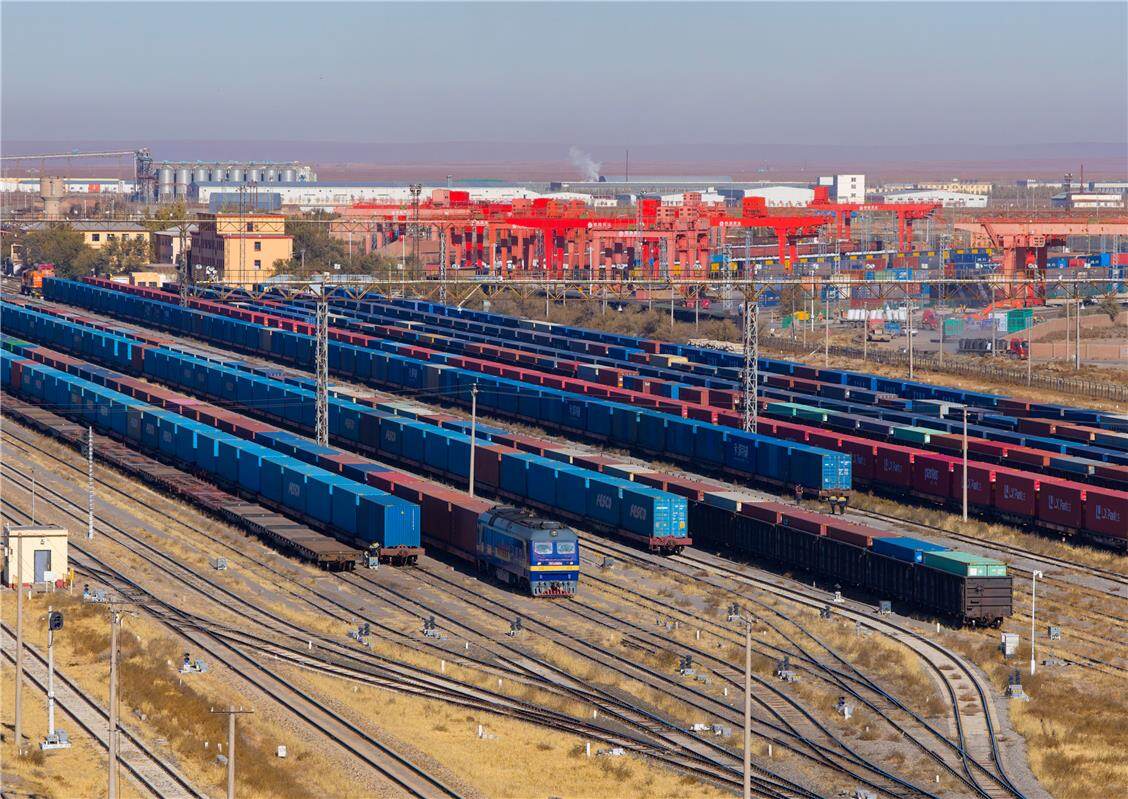
Clear pace of upgrading cross-border channels
The three parties have confirmed the transformation of the semi-automatic block system in the Khoit to Dozor section into a fiber optic cable transmission system, which will significantly improve signal transmission stability and line capacity, laying a solid hardware foundation for the subsequent expansion of the Ulaanbaatar railway. The 2027 regular meeting will be held in Hohhot, China, and the three parties will follow up on the implementation of various measures according to the annual mechanism.
In 2023, the total freight volume of Ulaanbaatar Railway was 32.4 million tons, which will increase to 33.7 million tons by 2025. Among them, the transit freight volume is only 5.9 million tons, far lower than the freight volume of 21.656 million tons at Manzhouli Port during the same period. From January to August 2026, the cumulative transportation volume of Ulaanbaatar Railway has reached 23.1 million tons, a year-on-year increase of 9.2%. After the implementation of this protocol, the soft bottlenecks such as documents, formations, and signals that have long restricted the efficiency of this cross-border channel will be gradually cleared, and the speed of capacity release for the third railway transit channel between China and Russia will be significantly accelerated.
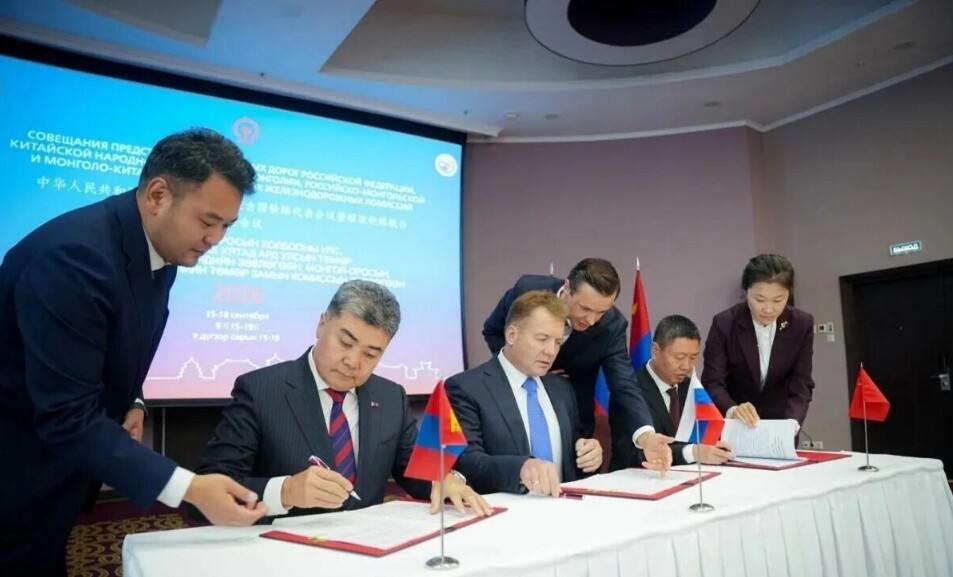
The minutes of the Irkutsk meeting were transmitted back to the dispatch room at the Erenhot port, and the handover schedule for cross-border trains has begun to be adjusted according to new rules. The railway transportation network of the China Mongolia Russia Economic Corridor is gradually transforming from a paper consensus into a smoother operational reality.Editor/Cheng Liting
Comment


 Praise
 Collect
 Comment

 Share
Share


Write something~