 Search


- Qatar turns to long-term urban development after World Cup, Chinese enterprises welcome new opportunities in supply chain
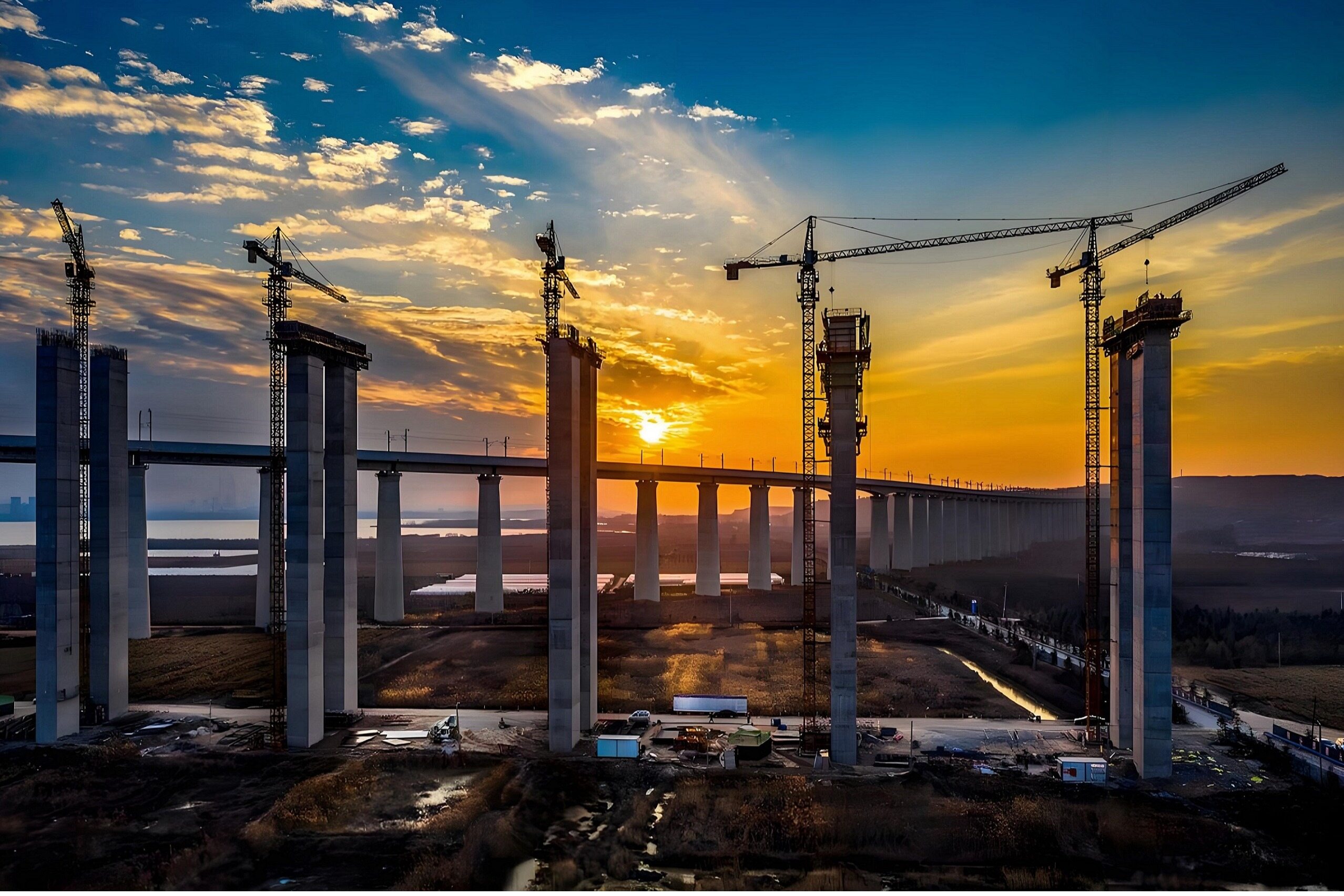
In September 2026, Qatar once again sent a clear signal: in the next five years, this Gulf country with an area of less than 12000 square kilometers is still prepared to continue large-scale investment. According to public information, Qatar plans to promote approximately $38.5 billion in infrastructure projects over the next five years, while the real estate and hotel sectors are expected to attract approximately $22.5 billion in investment, with a combined scale of over $60 billion. For a country with a population of less than 3 million, this number may not just mean a batch of new roads, hotels, and office buildings. It is more like Qatar answering a new question after the World Cup: what will a country that relies on natural gas rely on to continue growing in the next stage after the sports event ends.
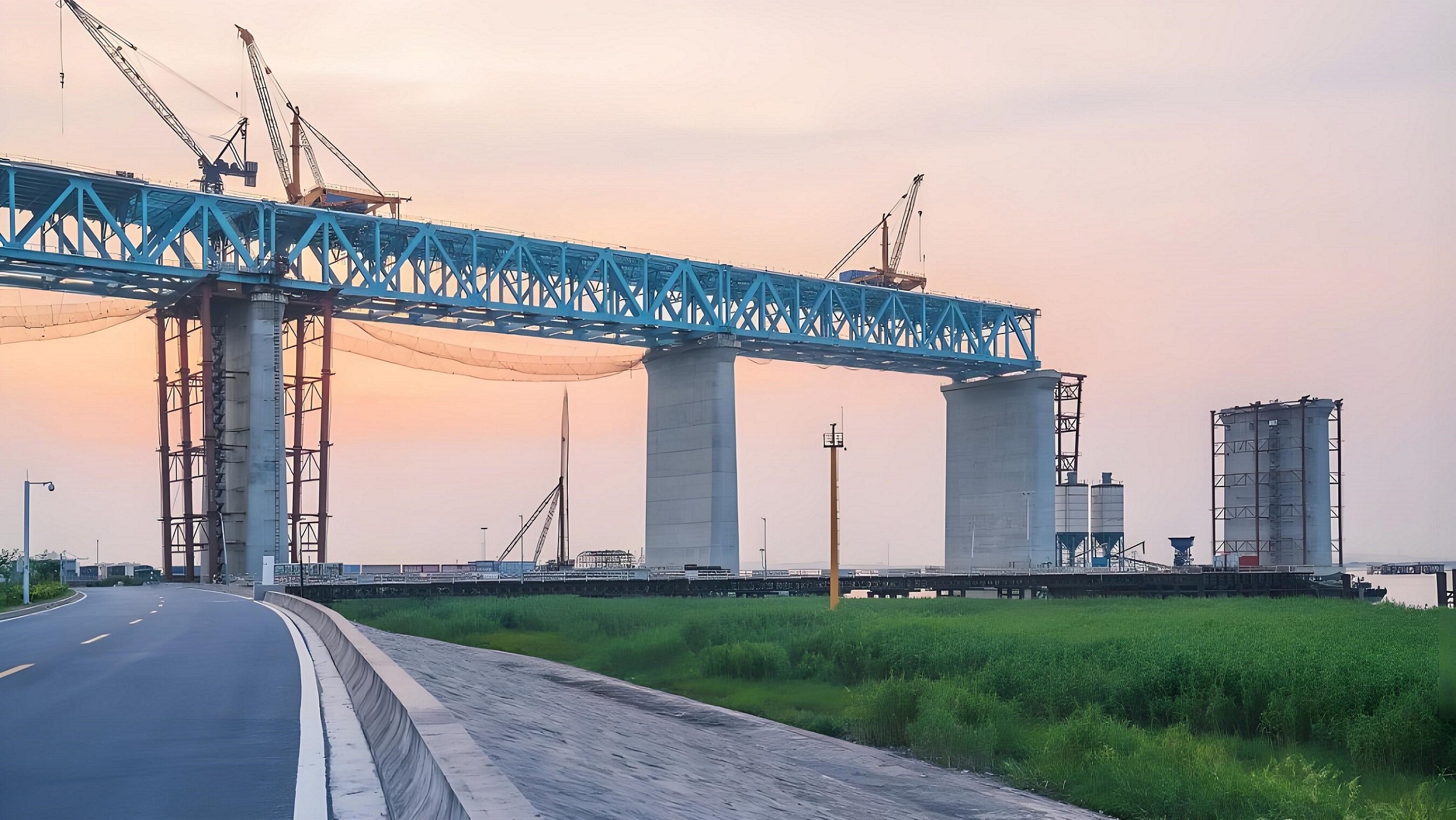
The World Cup leaves behind more than just stadiums
In 2010, Qatar won the hosting rights for the 2022 World Cup, and in the following decade, Doha has almost become a huge construction site, with rapid infrastructure such as subways, roads, airports, hotels, sports stadiums, and commercial complexes. After the World Cup, the market was once worried that the era of large-scale construction might be over, but now it seems that the answer is not that simple. Qatar has not stopped investing, but is changing its investment direction. In the past, construction was more focused on the World Cup, and now the new round of investment is clearly aimed at long-term urban development, including transportation, municipal services, real estate, tourism, hotels, and public infrastructure. This means that Qatar is shifting from building for hosting a World Cup to building for the economic structure of the next 20 years.
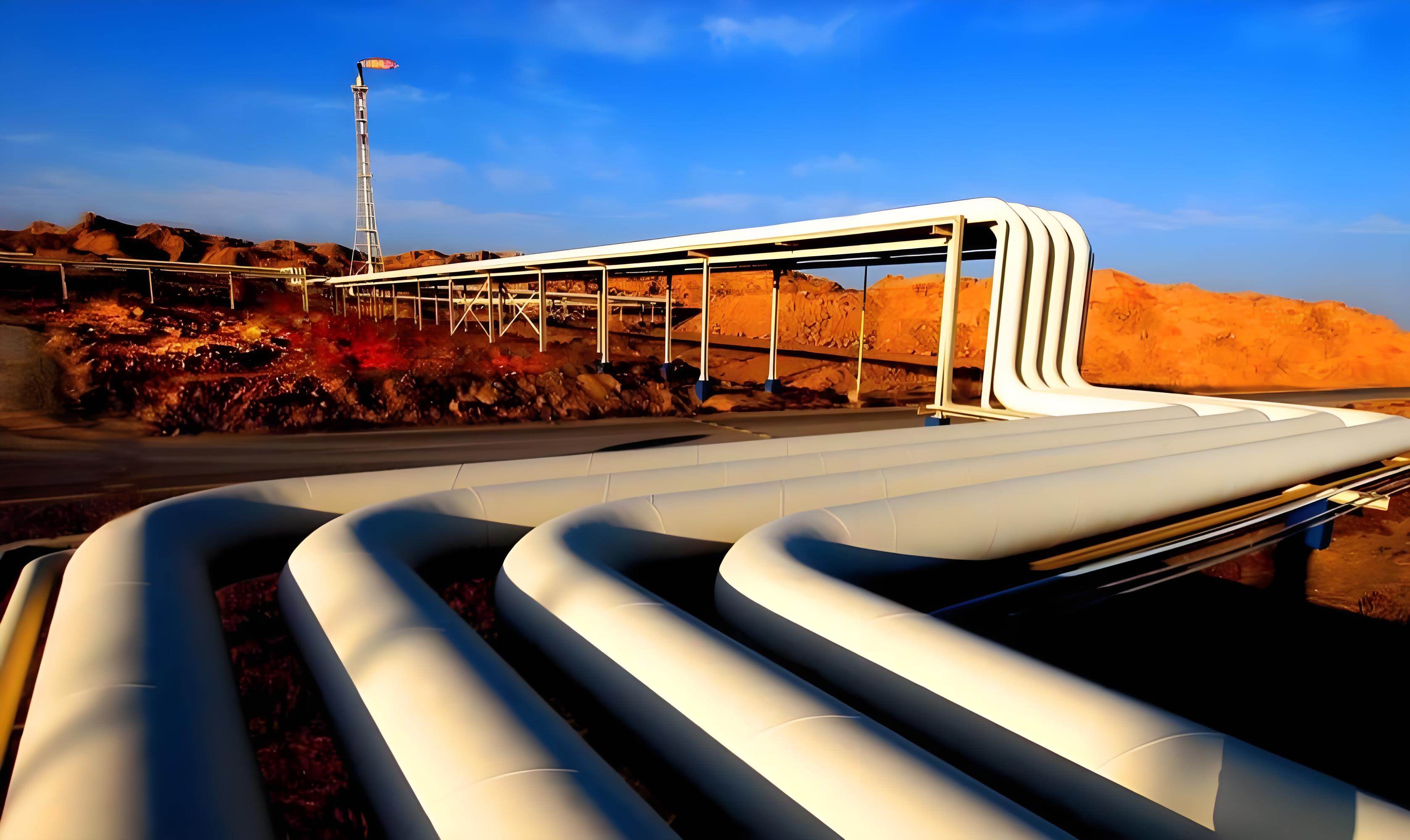
Natural gas wealth requires an industrial foundation
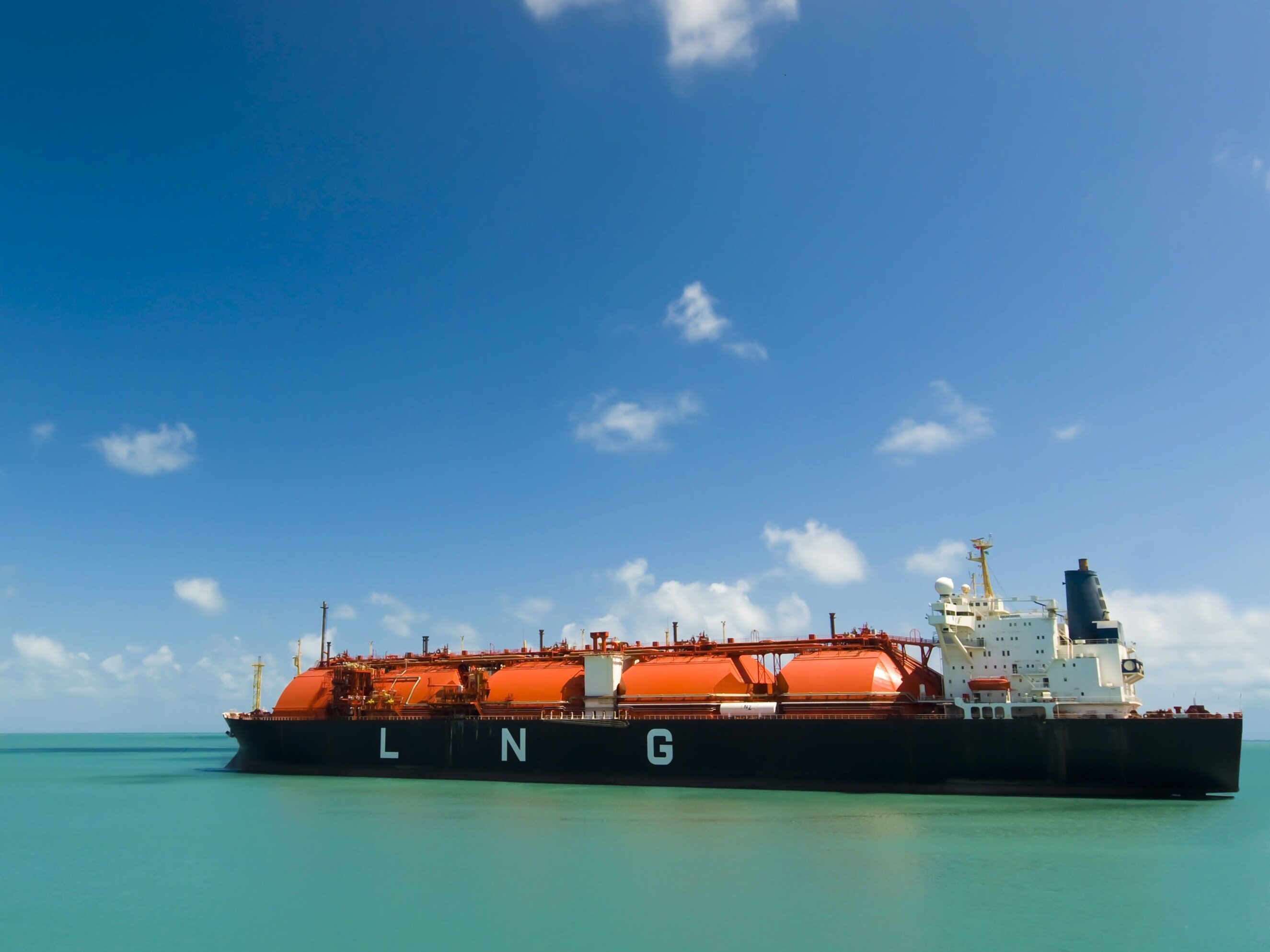
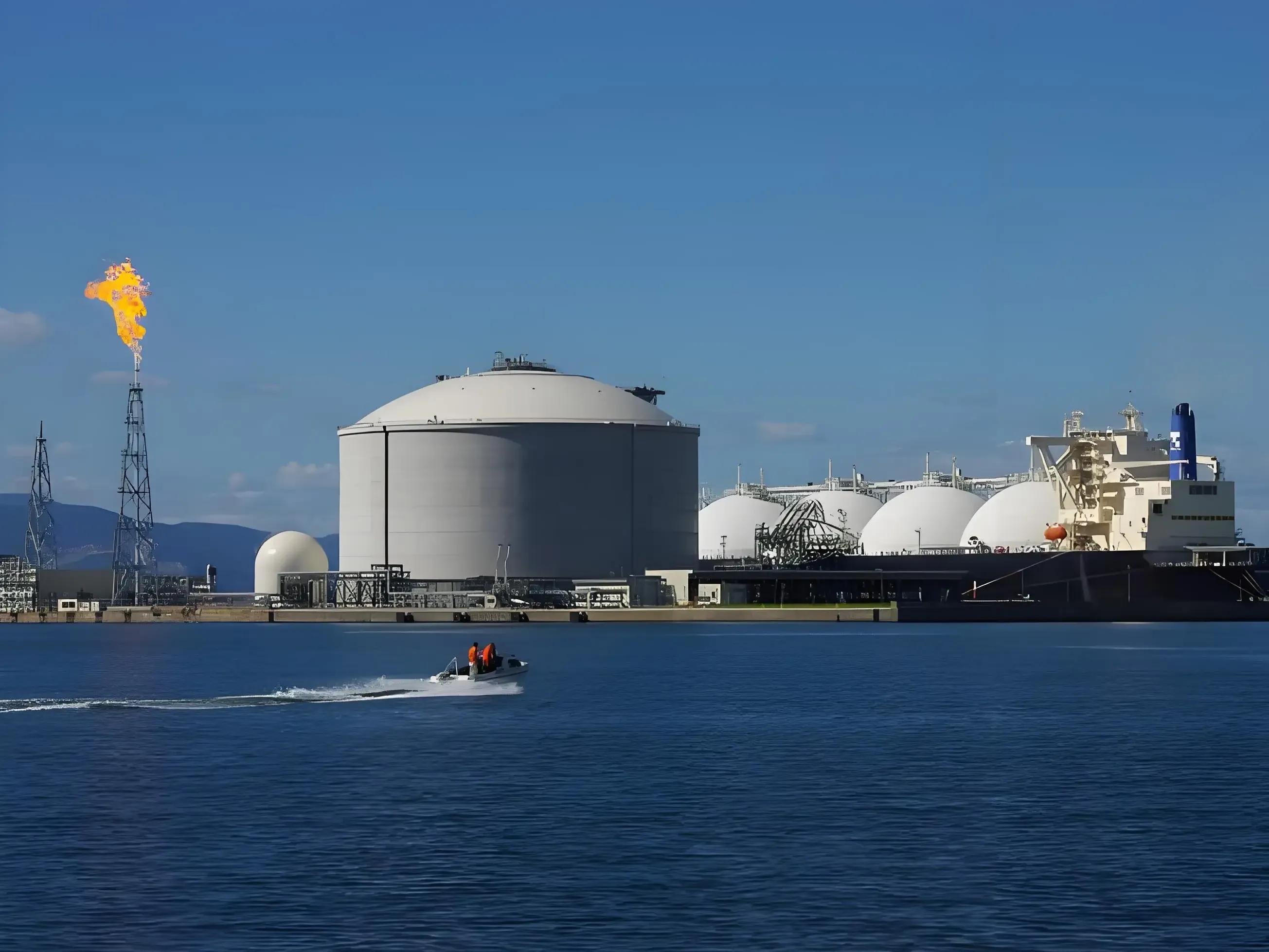
Because natural gas can bring wealth, but it may not necessarily bring enough employment, industry, and urban vitality. Qatar is an important global exporter of liquefied natural gas, and its huge natural gas revenue gives it strong financial strength. However, resource-based countries all have a common issue: when energy prices fluctuate, when population structure changes, and when the global energy transition gradually advances, the economy cannot rely solely on underground resources forever. Therefore, in recent years, Qatar has continued to promote economic diversification, with finance, tourism, aviation, exhibitions, sports, education, and logistics becoming new development directions. Infrastructure is precisely the foundation of these industries. A new hotel is not just a hotel, it may mean new curtain walls, lighting fixtures, coatings, furniture, air conditioning, fire protection systems, and hotel supplies procurement behind it; A new residential area not only means real estate, but also cement, mortar, tiles, waterproofing, insulation, doors and windows, hardware, bathroom, as well as a large number of construction and operation services. If the $38.5 billion infrastructure investment is truly gradually released, it will bring a long industrial chain. Keywords: Middle East News Network, Infrastructure, Natural Gas
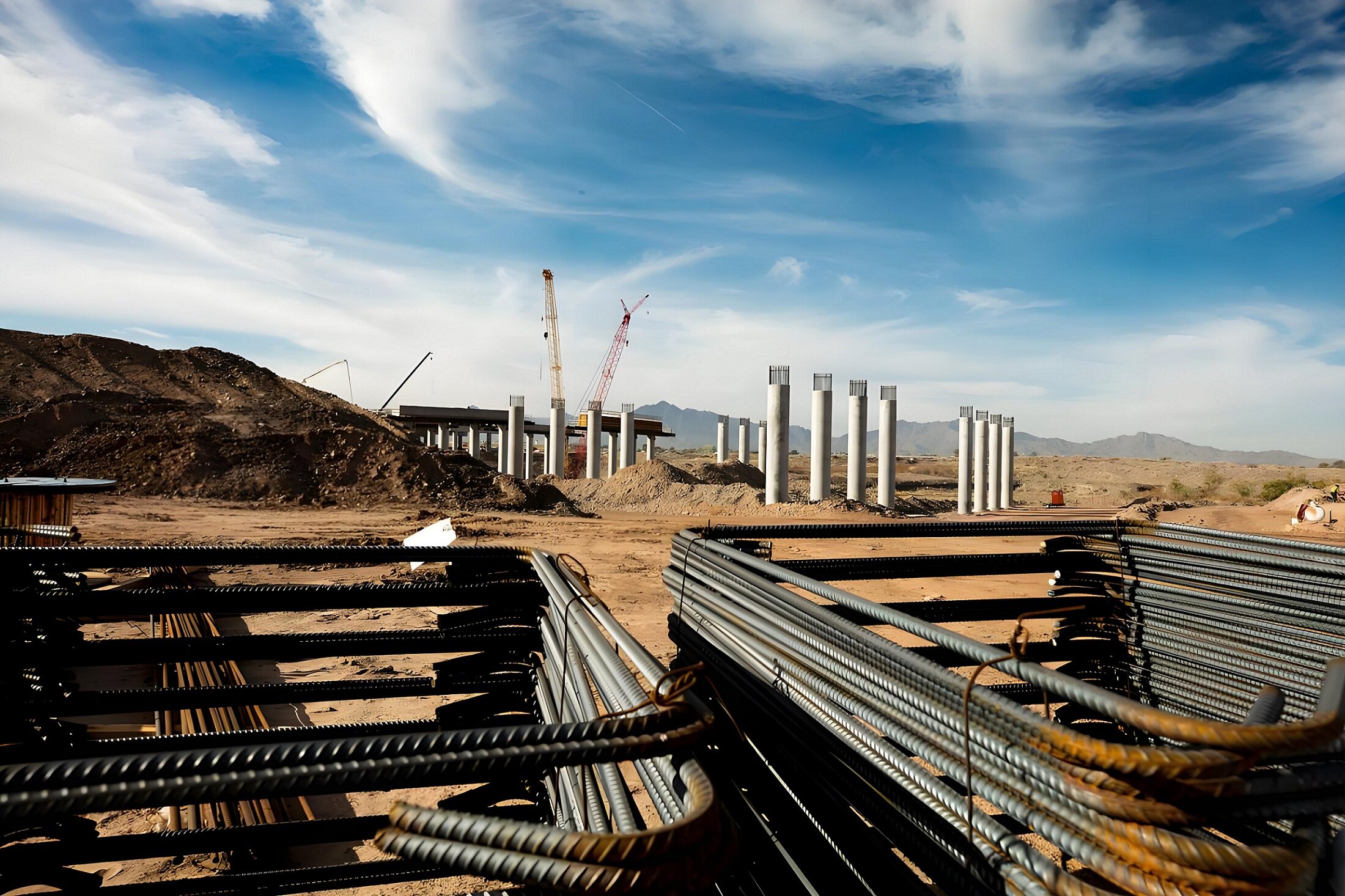
The competition in the supply chain has already begun
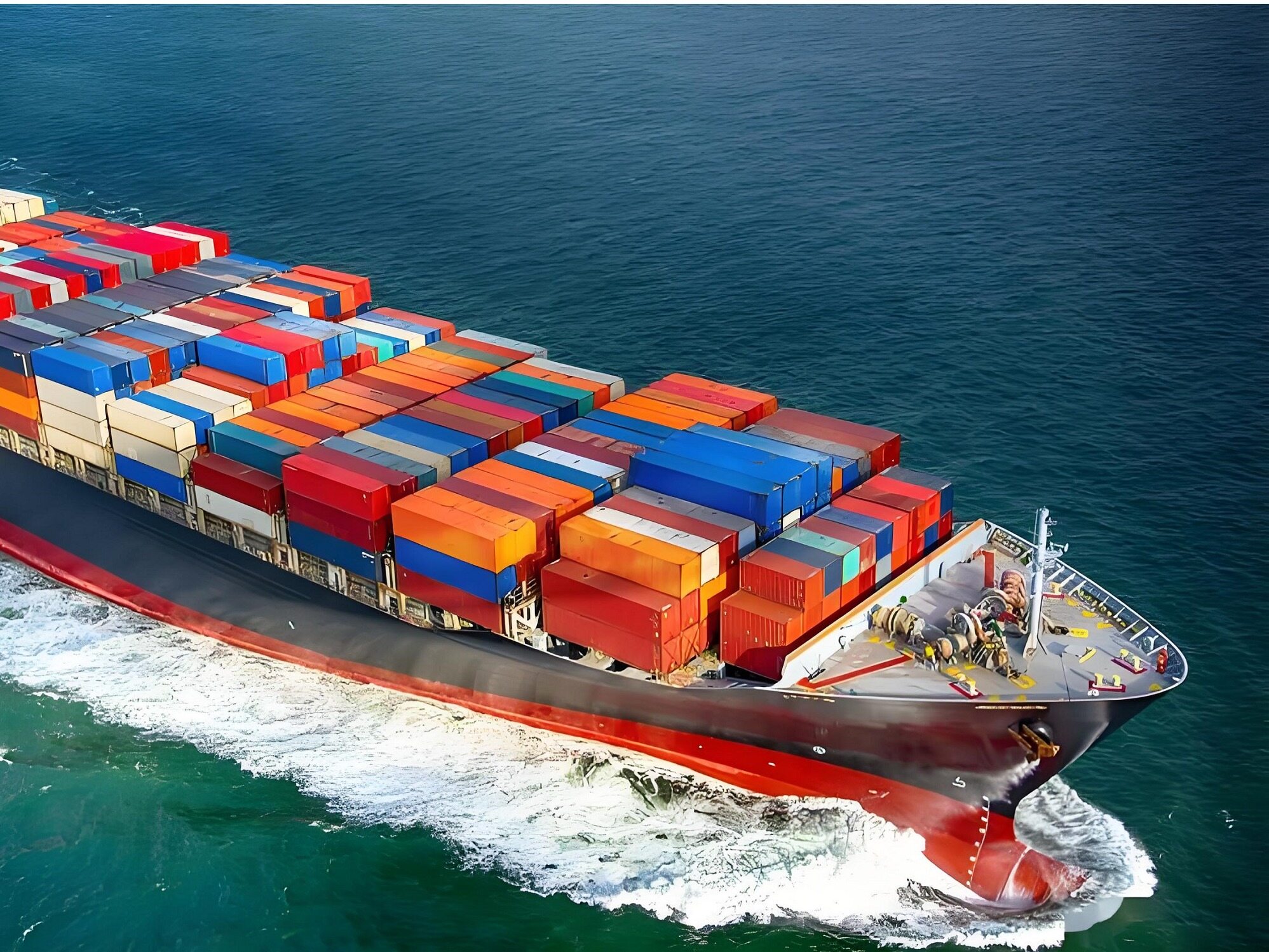
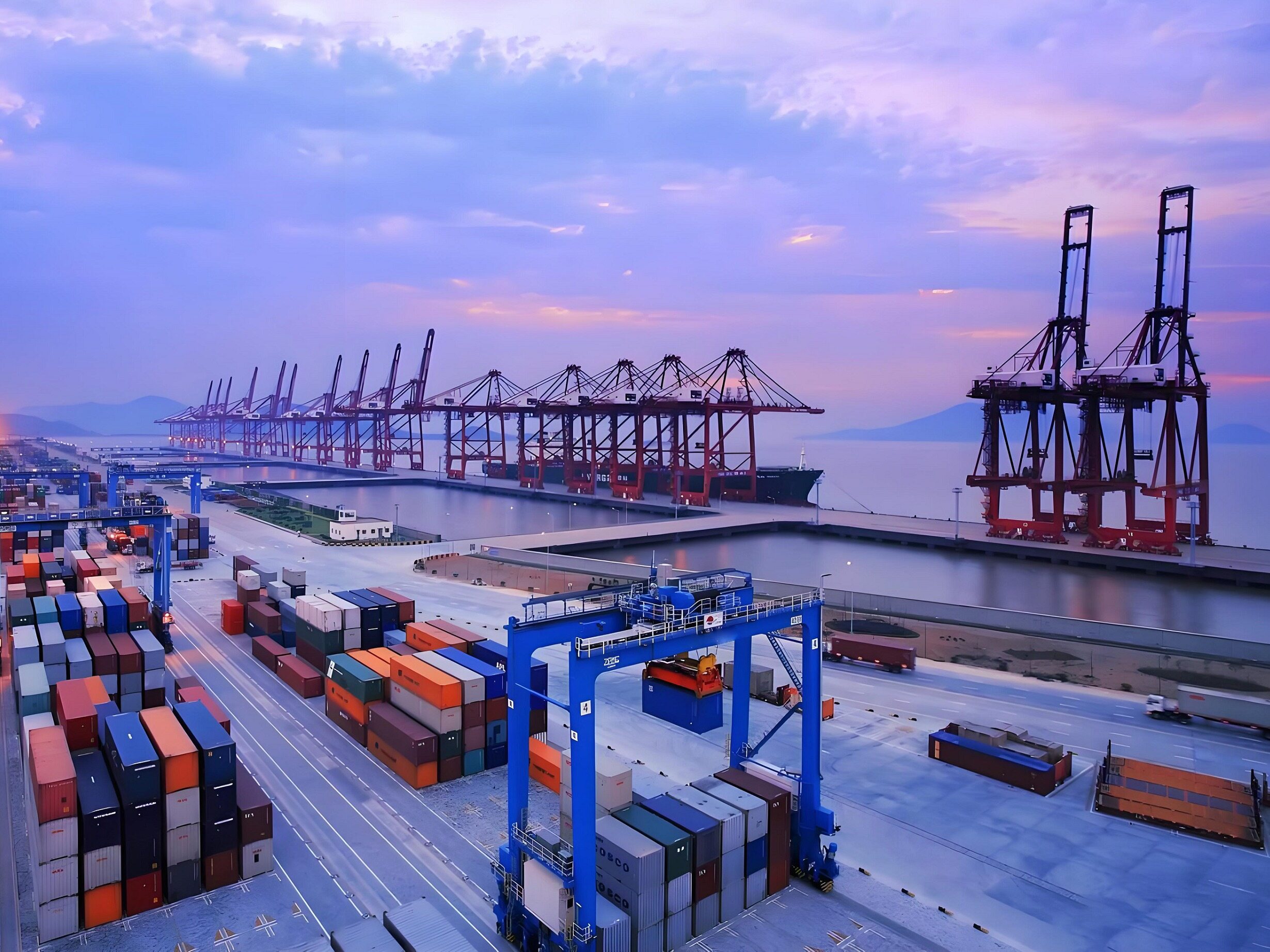
For many Chinese companies, the biggest misconception in the Middle East market is to only focus on the total project amount. Of course, $60 billion is enough to attract attention, but what really falls on a company is often not a multi billion dollar project, but a purchase order worth hundreds of thousands, millions, or even millions of dollars. In the past few years, Chinese engineering companies have been deeply involved in infrastructure construction in the Middle East, but a new round of opportunities has begun to show some changes: previously, Chinese companies entered the Middle East more as general contractors, but now more and more segmented industries are beginning to find their own positions. Building materials companies, furniture companies, lighting companies, new energy companies, smart home companies, and even hotel supplies suppliers are all trying to enter the local market. For these enterprises, the difficulty has never been whether Qatar has projects or not. The real issue is who is the developer, who has obtained the EPC, who is responsible for procurement, and which products must pass local certification. There is a clear trend happening in the Middle East: in the past, it was more willing to import directly, but now it increasingly wants to keep some of its production, assembly, warehousing, and service capabilities locally. Relying solely on cheap prices may become increasingly insufficient.Editor/Gao Xue
Comment

 Praise
 Collect
 Comment

 Share
Share


Write something~