 Search


- Gulf geopolitical stalemate reshapes Middle East strategic landscape
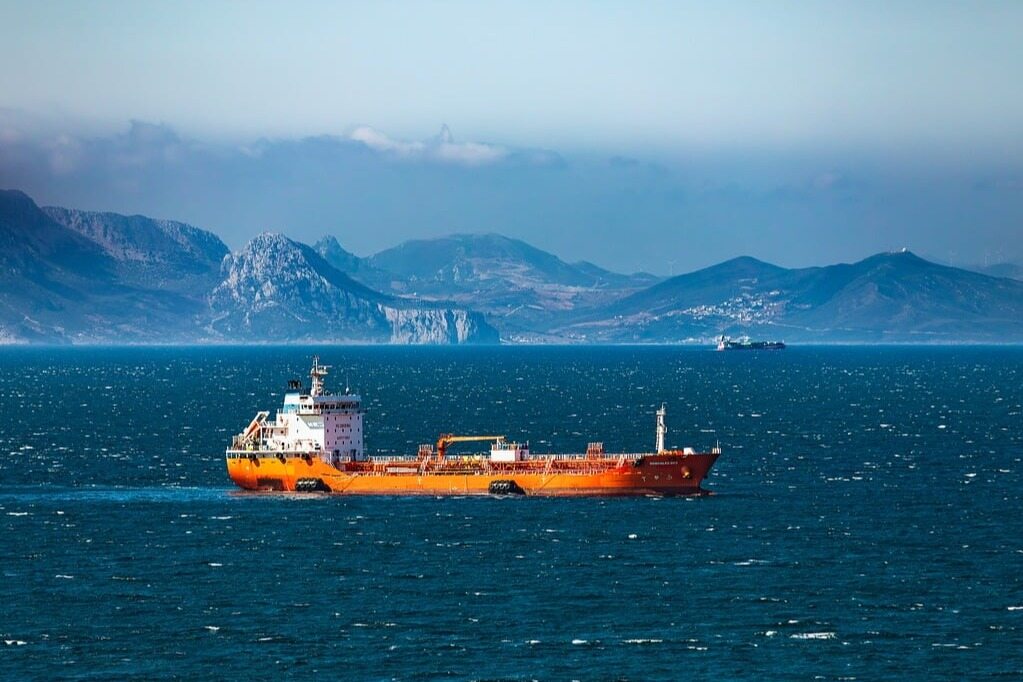
In recent times, the situation in the Persian Gulf has been complex and tense. The US military claims to have achieved effective waterway control, while Iran has simultaneously proposed new negotiation conditions. The tension between the two sides continues to escalate, and the regional geopolitical situation has entered a state of deep confrontation.
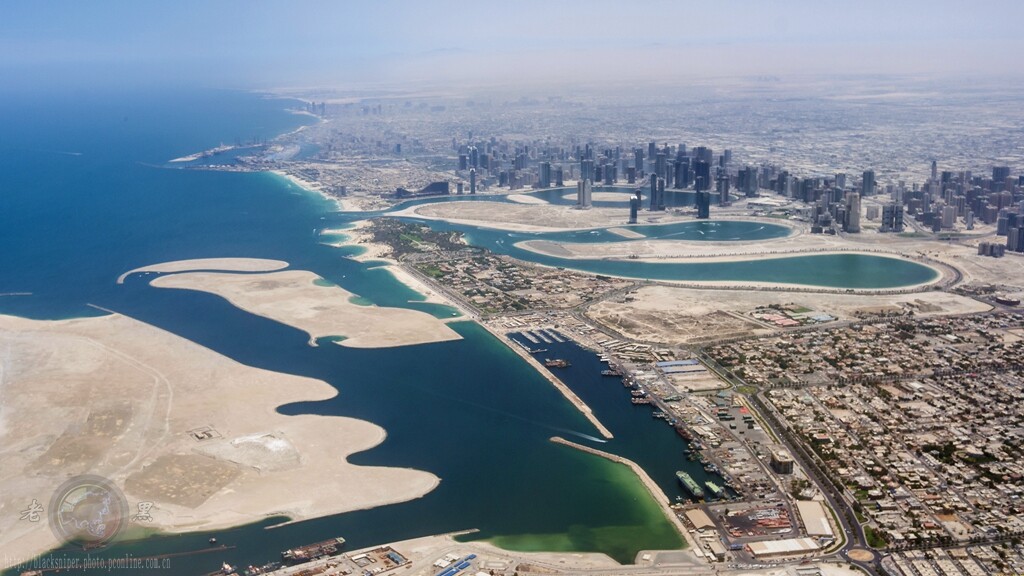
On September 19th, the Secretary of Iran's Supreme National Security Council, Reza Reza, submitted seven negotiation conditions to the United States through mediation, demanding that the US implement performance guarantees. On the same day, the US released its willingness to negotiate, and Commander Cooper of the US Central Command announced that the mines in the main channel of the strait had been cleared. Gulf partner countries have cumulatively shipped over one billion barrels of crude oil, and Iran's crude oil exports have returned to zero.
In June of this year, the United States and Iran reached a memorandum of understanding, agreeing to lift the ban on air travel, unfreeze approximately $24 billion in Iranian assets, and advance negotiations. However, the agreement was later broken down due to differences in performance. The US has spent $45.1 billion on this round of confrontation, which has led to a loosening of the Middle East camp despite achieving one-way navigation through the strait. Iran continues to raise the threshold for negotiations, and the United States and Iran are caught in a consumption standoff, making it difficult to break the deadlock in the short term and putting sustained pressure on regional stability.Editor/Min Jing
Comment




 Praise
 Collect
 Comment

 Share
Share


Write something~