 Search


- The line connects Gippsland offshore wind power with the main grid, supporting the 2 GW target by 2032
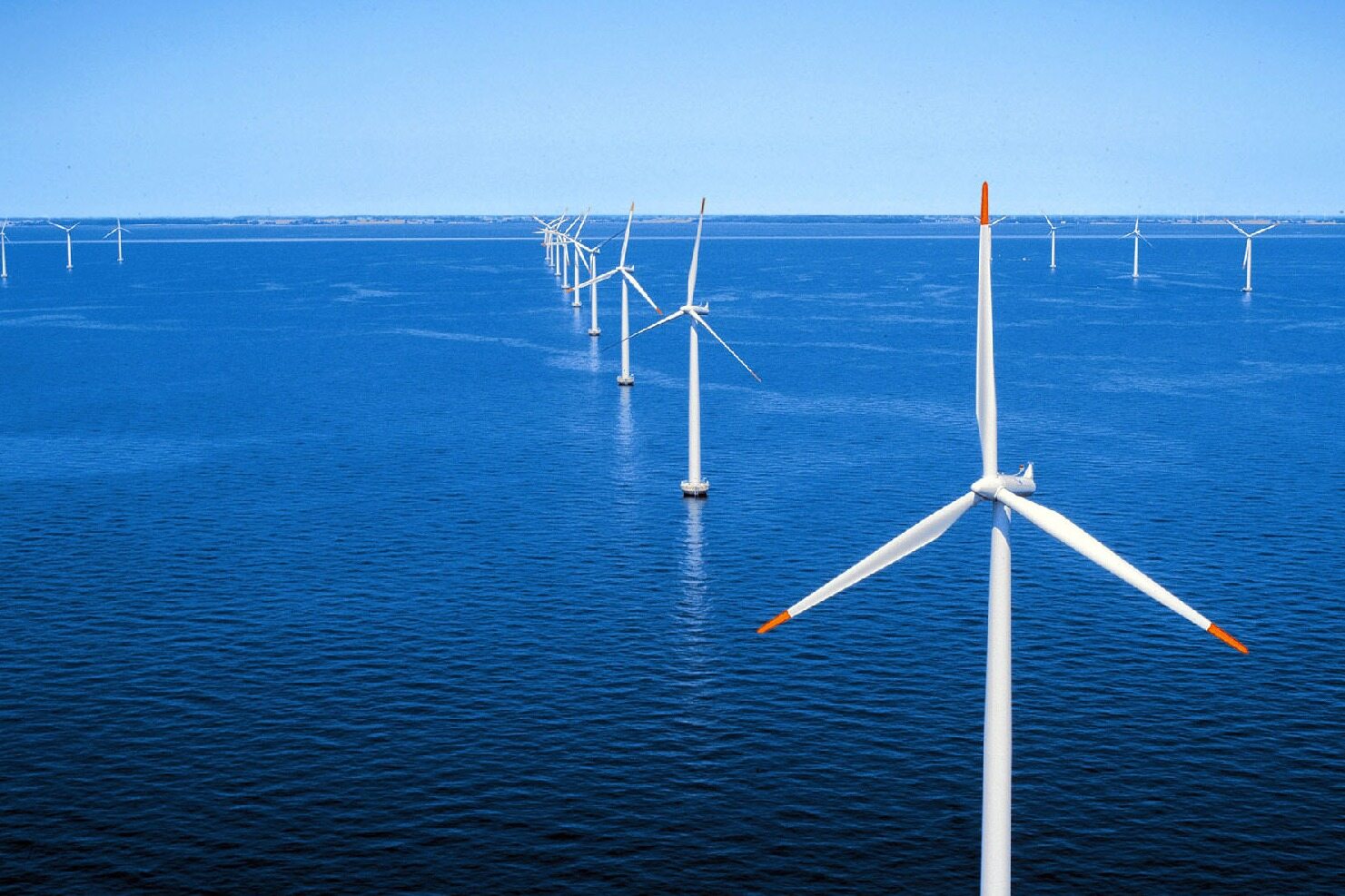
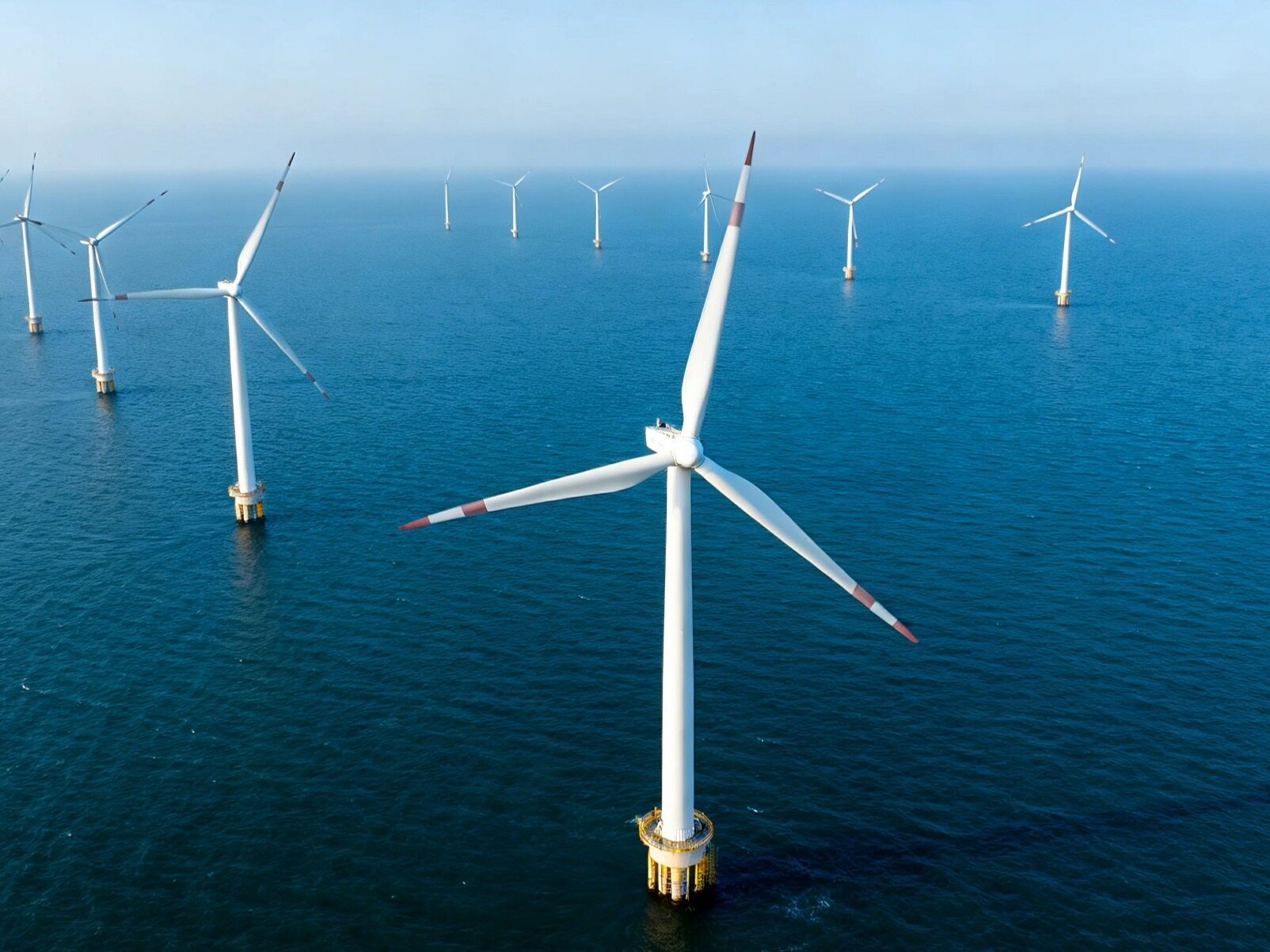
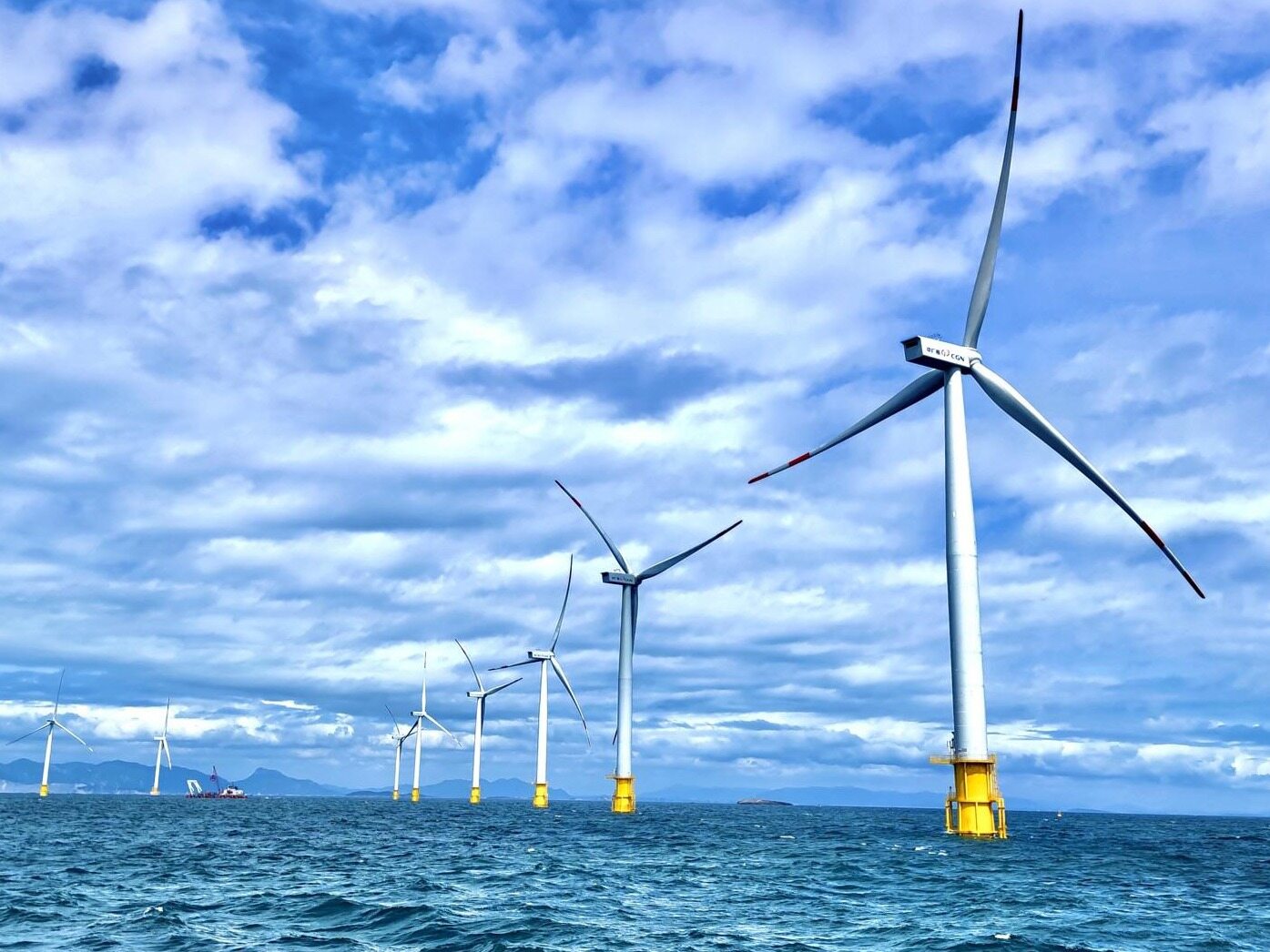
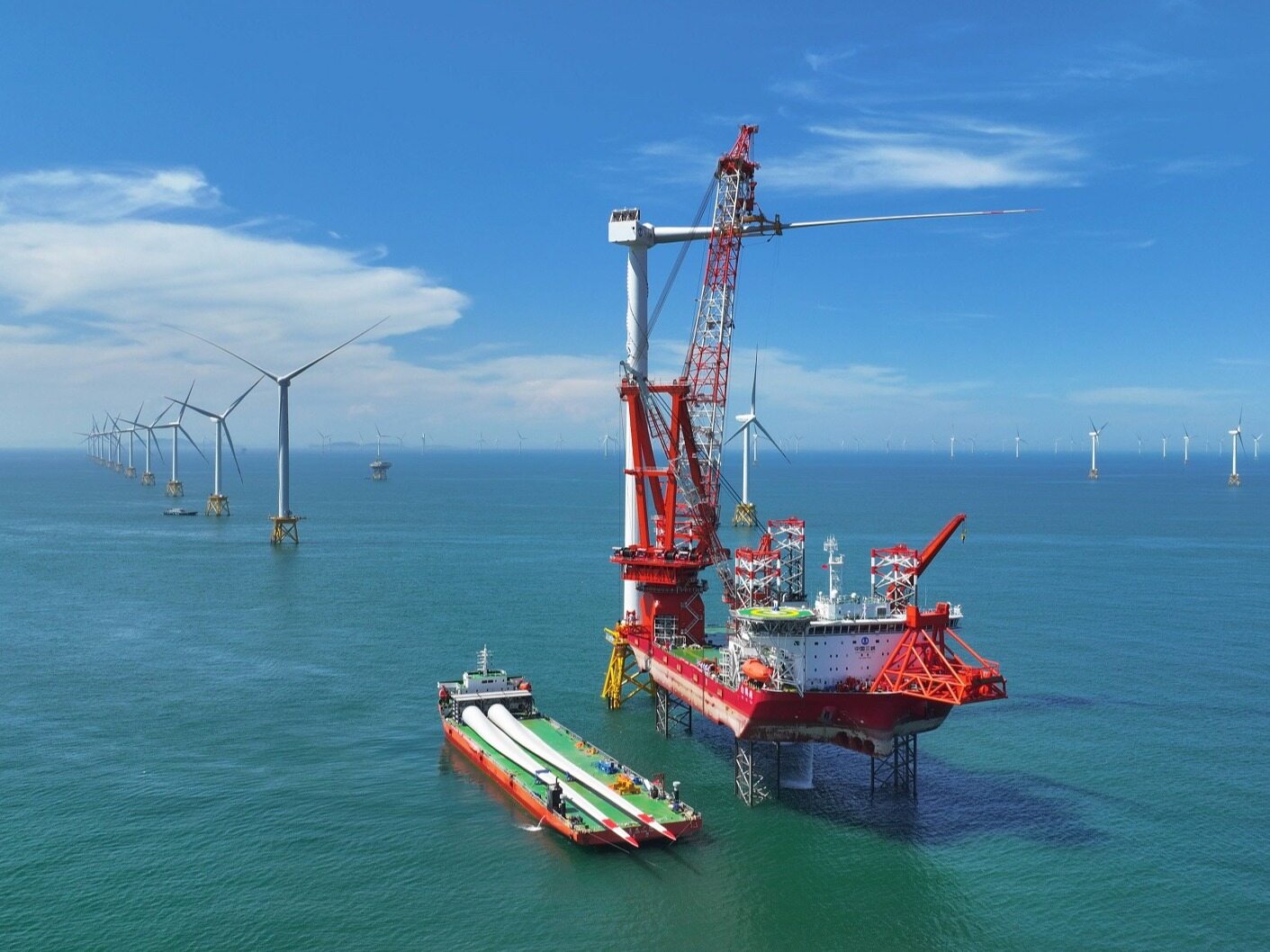
On September 21, 2026, Victoria, Australia, has identified the preferred route for the construction of a new transmission line, which is responsible for delivering electricity from Australia's first offshore wind farms to the main grid. The line is located in the former coal heartland of the state. This approximately 60 kilometer long route is the preferred option proposed by the state government and will serve as the starting point for design work and final planning. Victoria is striving to achieve its interim goal of no less than 2 gigawatts of offshore wind power installed capacity by 2032 and 4 gigawatts by 2035. Building new grid infrastructure to support up to 9 gigawatts of offshore renewable energy generation by 2040 is one of the key tasks facing the state.
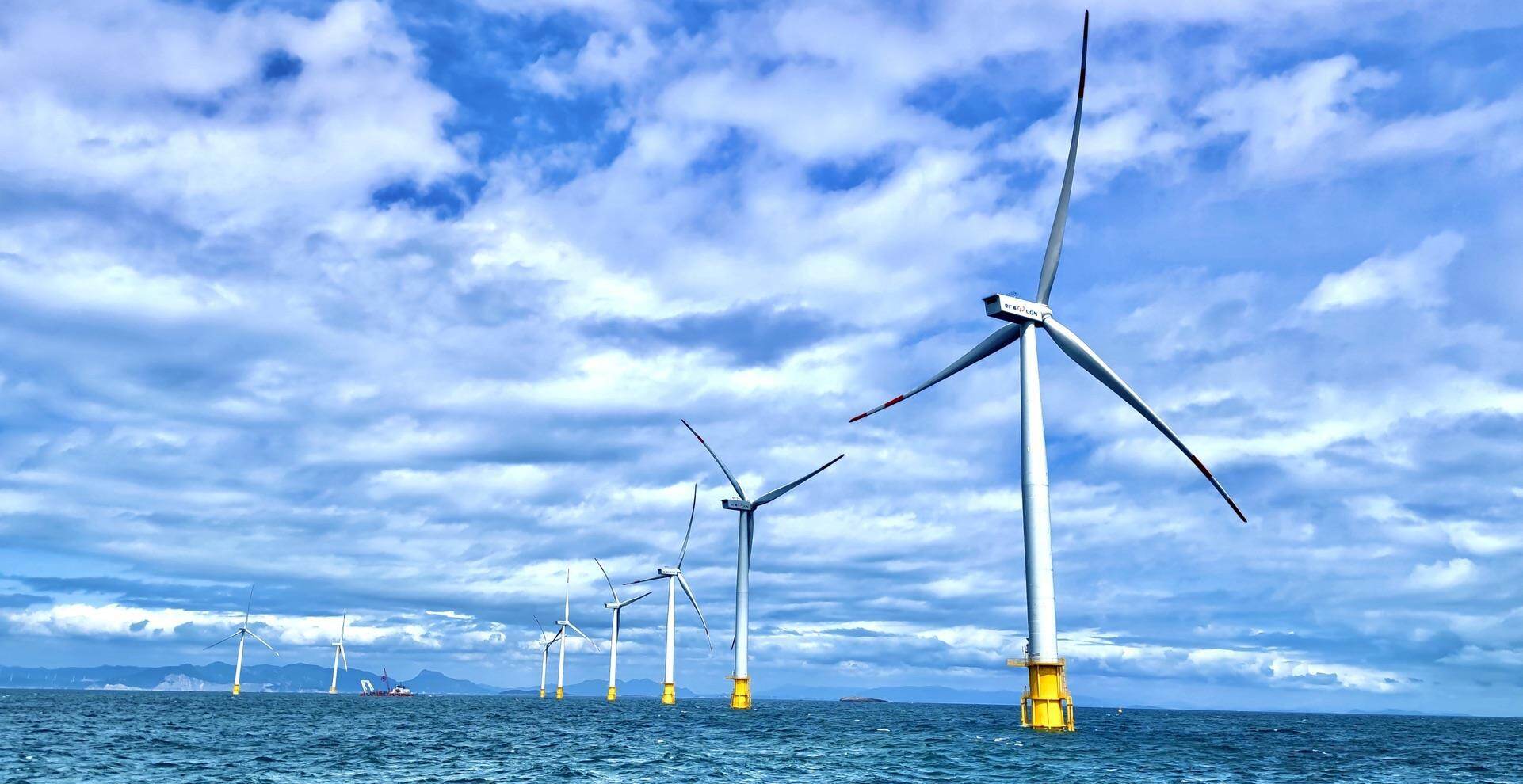
Connect Loyan and Gifford
The proposed transmission corridor is about 200 meters wide, connecting the Loyan power station switch station with the new terminal station planned to be built in Gifford. The offshore landing point has not yet been finalized. The proposed route will seek public opinion through an environmental impact assessment report in early 2027, followed by the commencement of preliminary works later in 2027. State Energy Secretary Jacqueline Saims stated that the planning of the route has received support from landowners and local residents. Saims stated in a statement that they will continue to collaborate with them to jointly build the offshore wind power industry. Gippsland has a history of supplying electricity to Victoria for several generations, and offshore wind power will continue to maintain its position as an energy hub, create thousands of jobs, and attract billions of Australian dollars in investment. The state government expects offshore wind power to bring about AUD 20 billion in investment to Victoria, with the Gippsland region alone receiving AUD 3.1 billion.
Political Controversy and Cost Review
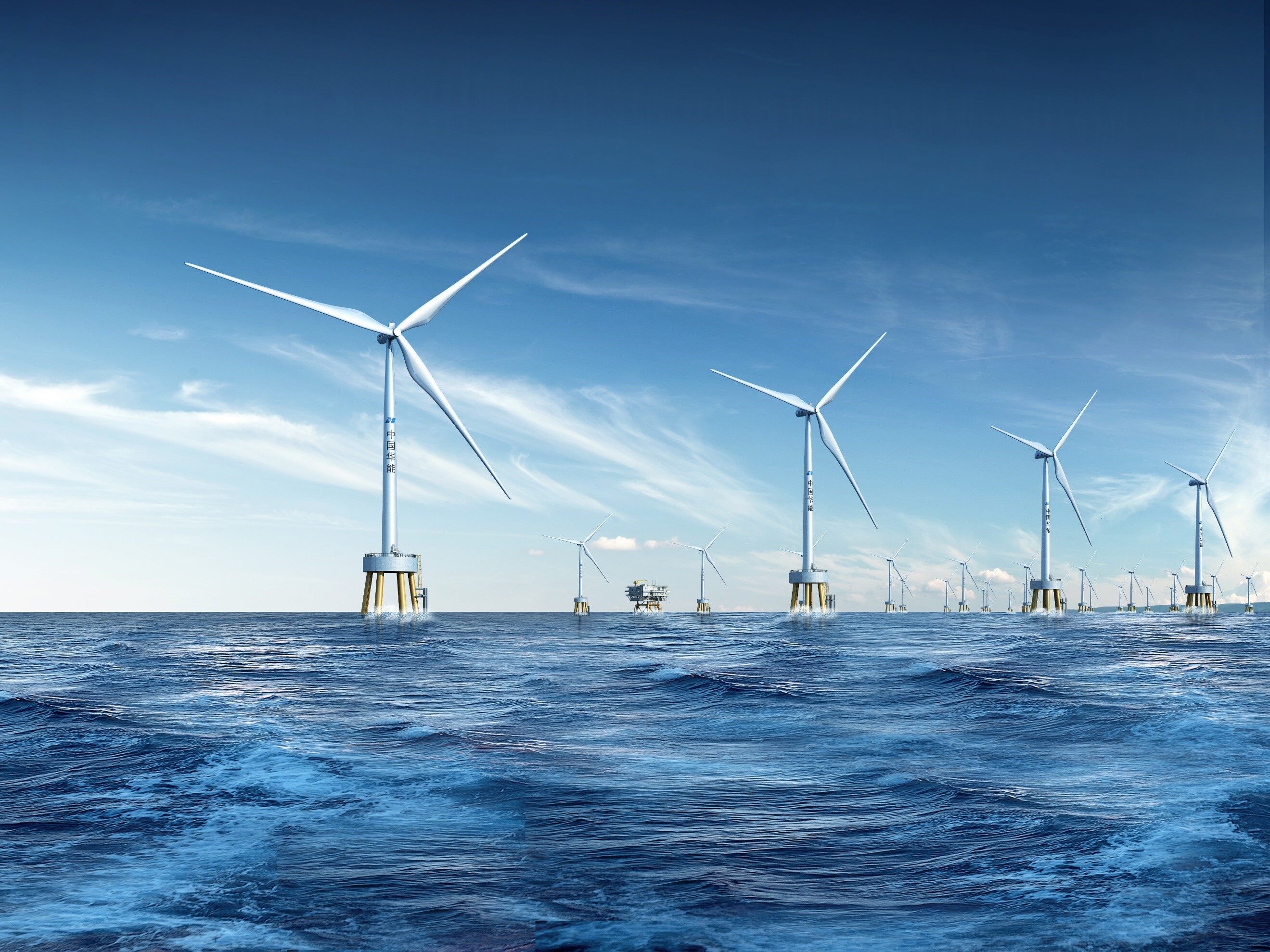
After the Alliance Party pledged to cancel the VNI West interconnection line to New South Wales and suspend and review the Western Renewable Energy Link and the overall planning of the state's power grid, the transmission issue in Victoria has become a political hotspot. On the same day that the Western Renewable Energy Link received significant state-level environmental approval, Governor Ben Carroll announced a cost review of the project, which is expected to be completed by the end of 2026, but the project is unlikely to be suspended during this period. Supporters of offshore wind power are concerned that the Alliance Party's plan to force renewable energy projects to back off by 2 kilometers may also apply to transmission cables connected from the sea, making it impossible to implement the current line to the future Jifard substation. Keywords: New Energy News Network, Offshore Wind Power, Infrastructure
Community demands and underground solutions
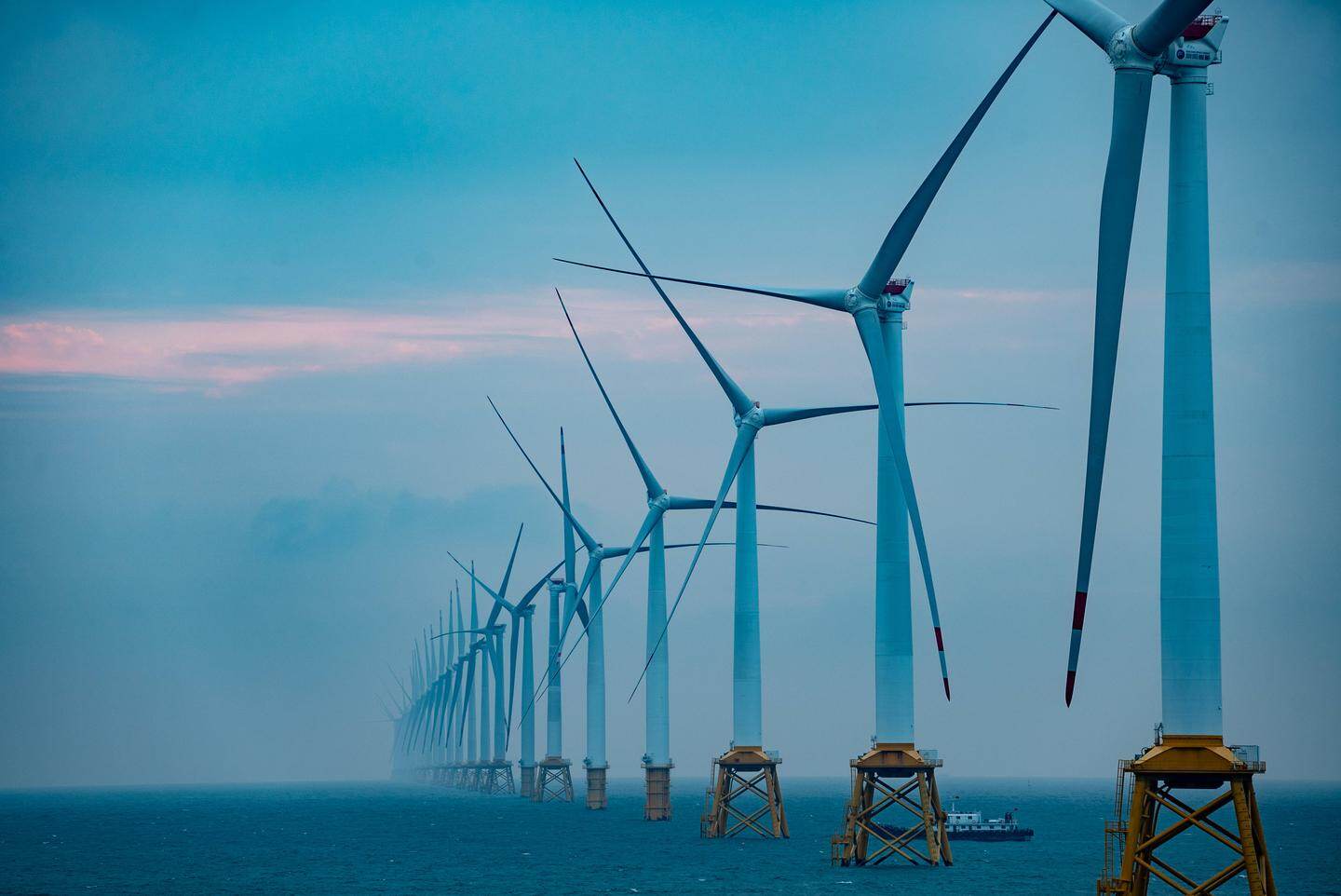
Although the Gippsland region is generally more supportive of transitional energy projects than other parts of the state, this particular transmission line still faces opposition from a small pressure group called Gippsland Better Transmission. The group supports power transmission projects, but hopes that the lines starting from Gifford will be laid underground. Kira Bolt, Chairman of Gippsland Better Transmission, stated in a statement that it has learned from discussions with VicGrid that the agency has not yet conducted a comprehensive cost comparison of the overhead and underground pathways for the entire Gippsland construction project. She hopes to see how much it would cost to plan the underground pathways for the transmission system that Gippsland ultimately needs to deliver, including the opportunity to reserve future expansion capacity during the initial construction. Victoria's goal is to build 2 gigawatts of offshore wind power by 2032 and 9 gigawatts by 2040, and is currently slowly advancing the construction of supporting infrastructure.Editor/Gao Xue
Comment


 Praise
 Collect
 Comment

 Share
Share


Write something~