 Search


- Flag opportunity shifts from equipment procurement to long-term operation and maintenance
- Understanding the distribution and statistical caliber at the state level is the first step for Chinese enterprises to deepen their cultivation in Brazil
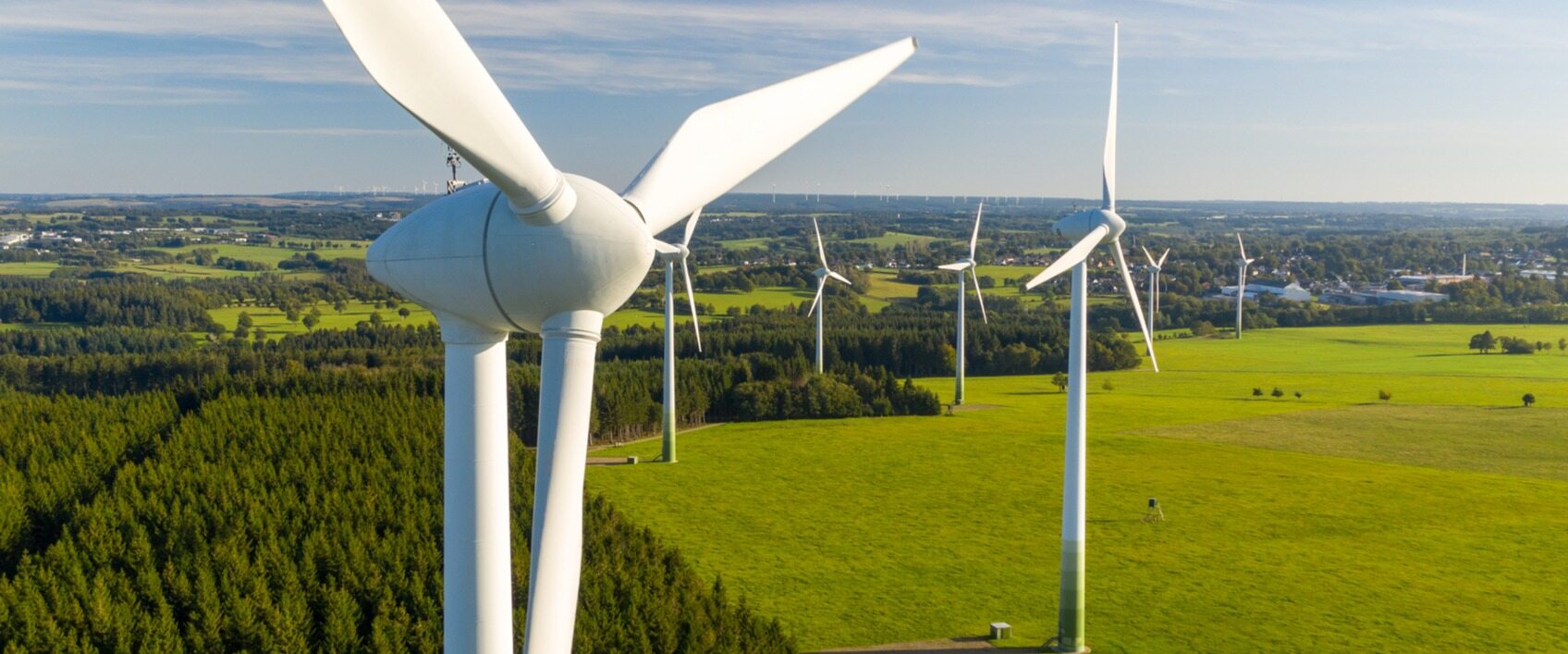
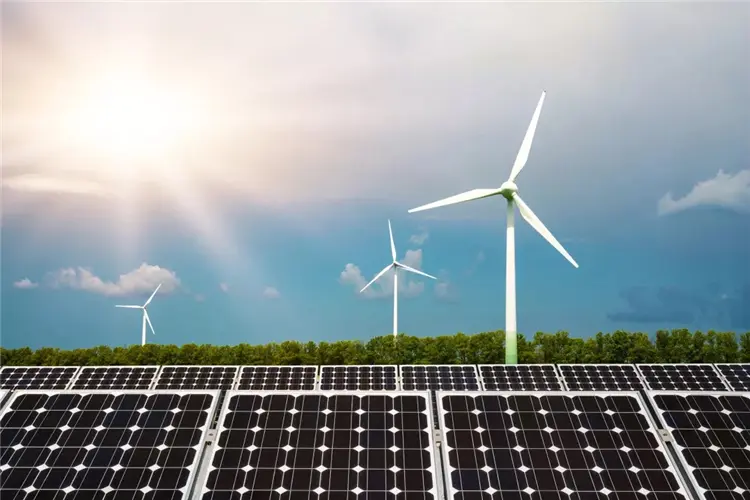
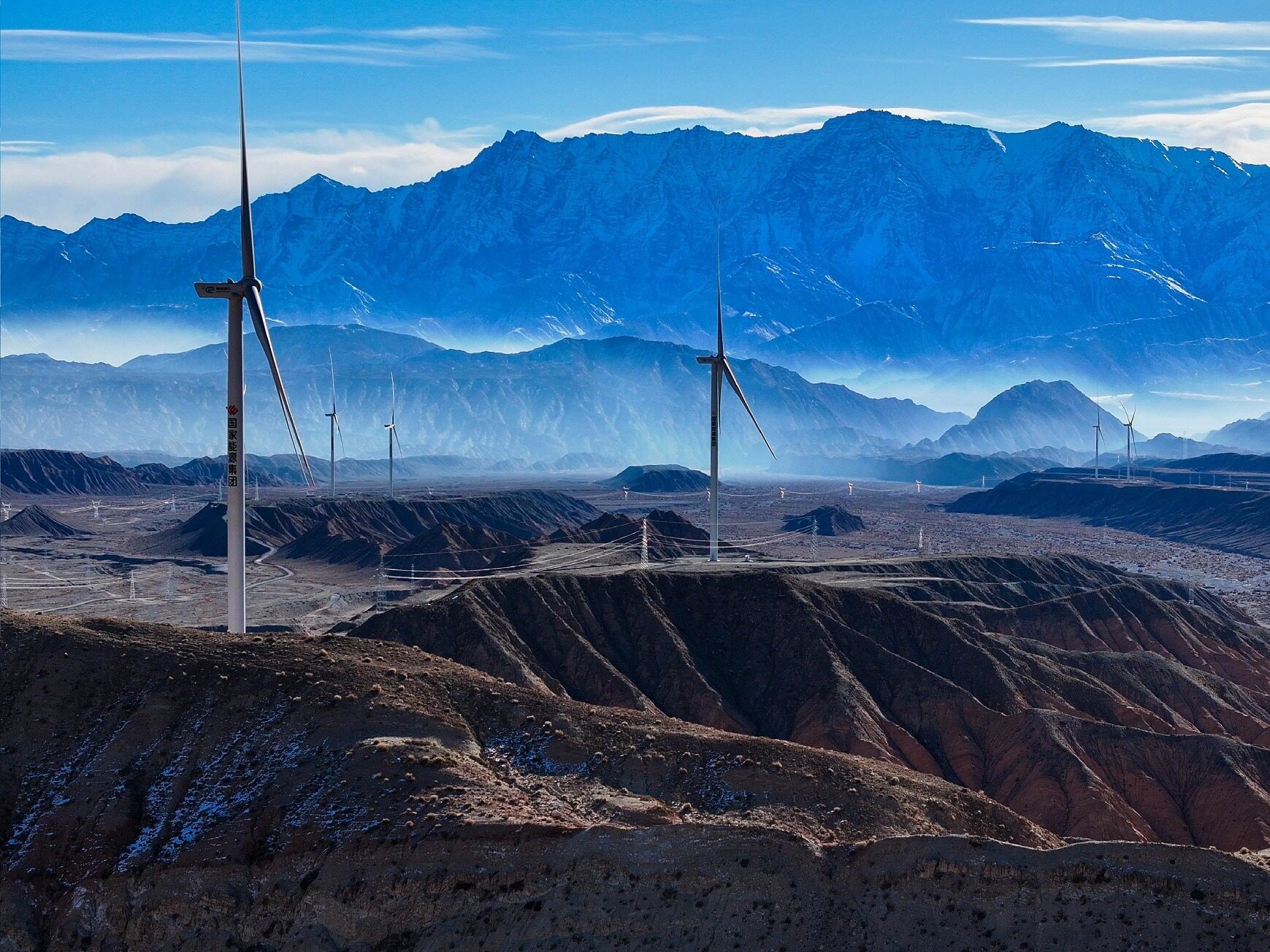
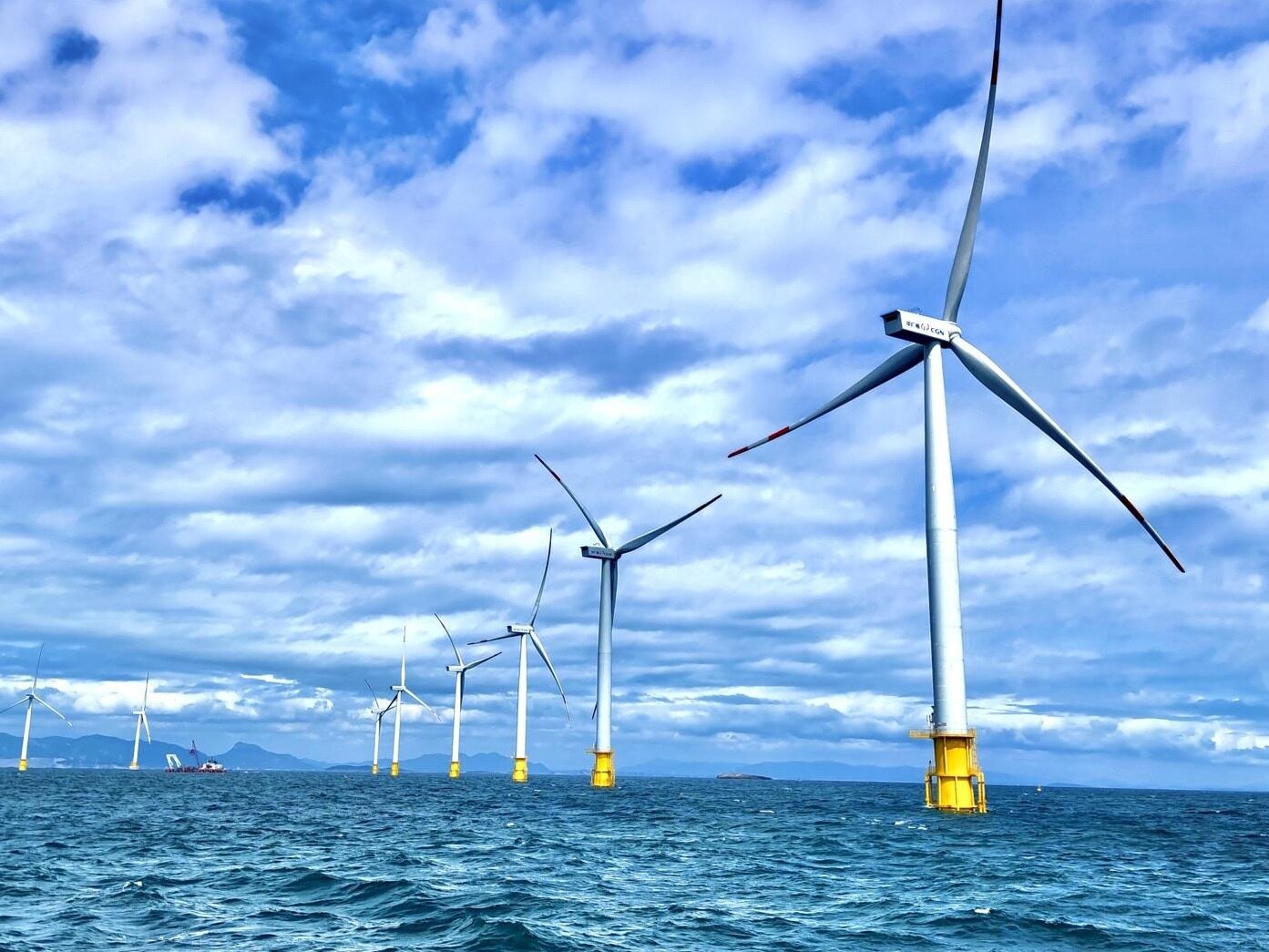
Katinga in the northeastern state of Para í ba, Brazil, is a semi-arid shrubland. The wind blows almost 365 days a year, and the 120 meter high tower and 80 meter long leaves stand on the red soil, turning the once barren inland into a green electricity producing area. On November 6, 2026, the Brazilian National Electricity Regulatory Authority ANEEL released monthly data: a total of 26 power generation facilities began commercial operation in October 2026, with an additional installed capacity of 703.7 megawatts, all from wind and photovoltaic power. Among them, 23 wind farms with a total capacity of 648 megawatts are located in the same state; In addition, three photovoltaic power stations with a total capacity of 55.7 megawatts are scattered across three states. The national total is just the beginning, the real business focus should be read to the states and power stations.
Nine wind turbines in one state
According to capacity calculation, wind power accounts for approximately 92.1% of the newly added scale for the month. 648 megawatts are all located in Paraiba state; Photovoltaics are divided into three regions: Bahia State with 32.5 megawatts, Rio de Janeiro State with 13.2 megawatts, and Minas Gerais State with 10 megawatts, totaling 55.7 megawatts in all three states, which is consistent with the total amount of photovoltaics for the month. Looking back in time, the trajectory of this round of construction is clearer: 108 6-megawatt units are distributed across 23 wind farms and 5 municipalities. Construction will begin in October 2023, and full capacity grid connection will be completed by October 2025, with supporting 500 kV booster stations and 75 kilometers of transmission lines. As of October 2026, the cumulative power generation is about 2.6 billion kilowatt hours. In addition to the continuous wind throughout the year, the long-term power purchase agreements signed directly between power generation companies and electricity consuming enterprises in the free electricity market also allow small inland cities to obtain land rent, taxes, and long-term technical positions.
The concentration of a state often better indicates where service outlets should be located than the national monthly curve.
Installation does not equal electricity consumption
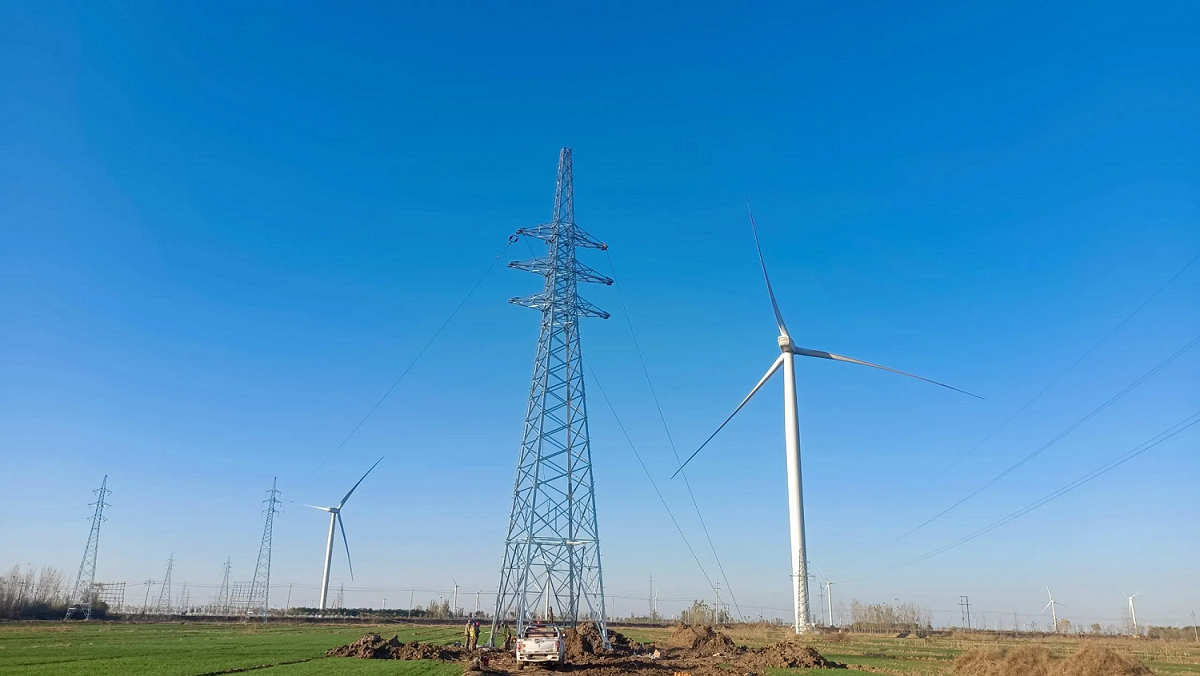
Megawatt (MW) measures equipment power, and power generation is usually measured in units such as megawatt hours (MWh), with wind conditions, sunlight, equipment availability, and grid consumption conditions in between. Monthly additions are more like a group of projects crossing commercial operation nodes, rather than completing all construction in the same month. Brazil has a realistic footnote: from January to August 2026, centralized photovoltaics will add 3.52 gigawatts, accounting for about 72.6% of the total new additions during the same period. However, grid connected capacity does not equal available electricity, and transmission constraints and restrictions are becoming new variables for revenue. The caliber should also be distinguished. As of October 31, Brazil's newly installed centralized power generation capacity in 2026 totaled 5887.76 megawatts, approximately 5.89 gigawatts. The projects are distributed in 18 states, including wind power, photovoltaic power, thermal power, and small hydropower. The monthly and annual cumulative power supply composition may vary accordingly. The statistics here are for centralized power generation projects, and for distributed photovoltaics such as rooftops, they need to be checked separately: Brazil classifies systems of 5 megawatts and below as distributed, and the two have different access voltages, trading methods, and statistical systems, which cannot be directly added together. The commissioning of 703.7 MW only indicates that the facility has started commercial operation, and the power generation income and investment return need to be evaluated in conjunction with subsequent electricity consumption, electricity prices, and operating costs.
Opportunity shifts towards operations and maintenance
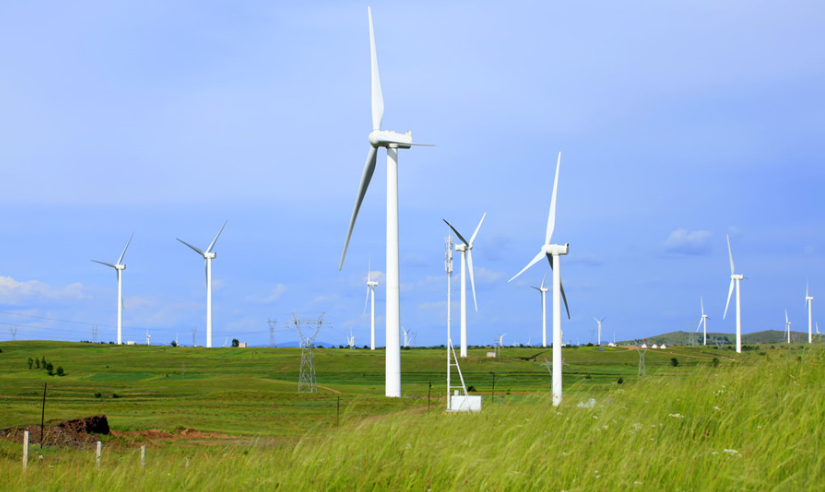
This batch of projects has been put into operation, but the news does not mean that the 703.7 MW main equipment is still waiting for procurement. Chinese wind turbine, inverter, transformer, monitoring and maintenance enterprises are more suitable for researching and maintaining, spare parts and optimizing operations according to specific power stations; Whether there is energy storage or other renovation, subject to the owner's new plan. In recent years, the order form in Brazil has also been moving in this direction: Goldwind Technology has obtained localization certification at its manufacturing base in Camasari, Bahia, and provided up to 30 years of operation and maintenance services in project contracts; Yuanjing has signed a contract with local developers to supply 630 MW wind turbines, also tied to a 30-year long-term service.
After the increase in power limit pressure, the value of power prediction, remote operation and maintenance, and local spare parts warehouse will continue to rise.
ANEEL also provides project tracking tools such as RALIE to track projects, regions, and construction stages; Suppliers should differentiate between power stations that are already in commercial operation and projects that are still under construction, and then coordinate their operational services and construction procurement arrangements separately, in order to avoid misinterpreting the commissioning message as a bidding signal.keywords:New energy information network
From looking at the total amount to looking at the power station, the true weight of this batch of data falls on every day after it is put into operation.Editor/Yang Meiling
Comment

 Praise
 Collect
 Comment

 Share


Write something~