 Search


- The first Bishikek train departs from Nanchang International Land Port
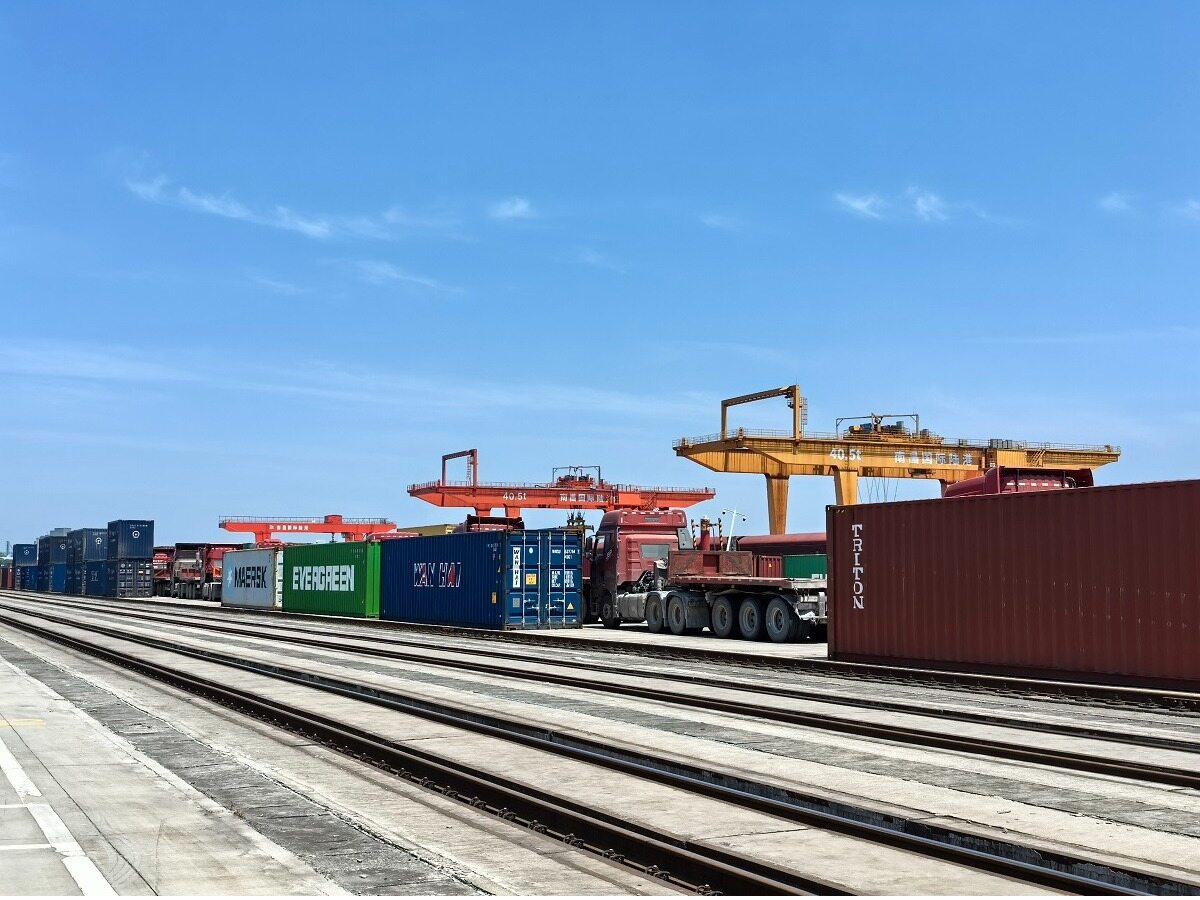
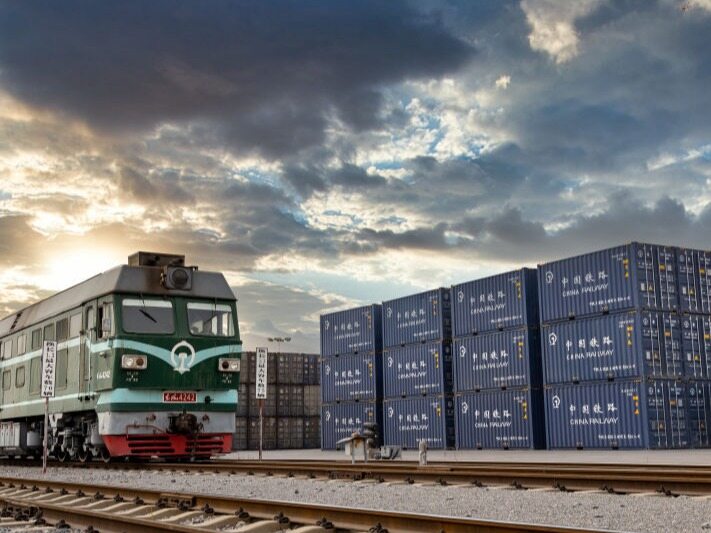
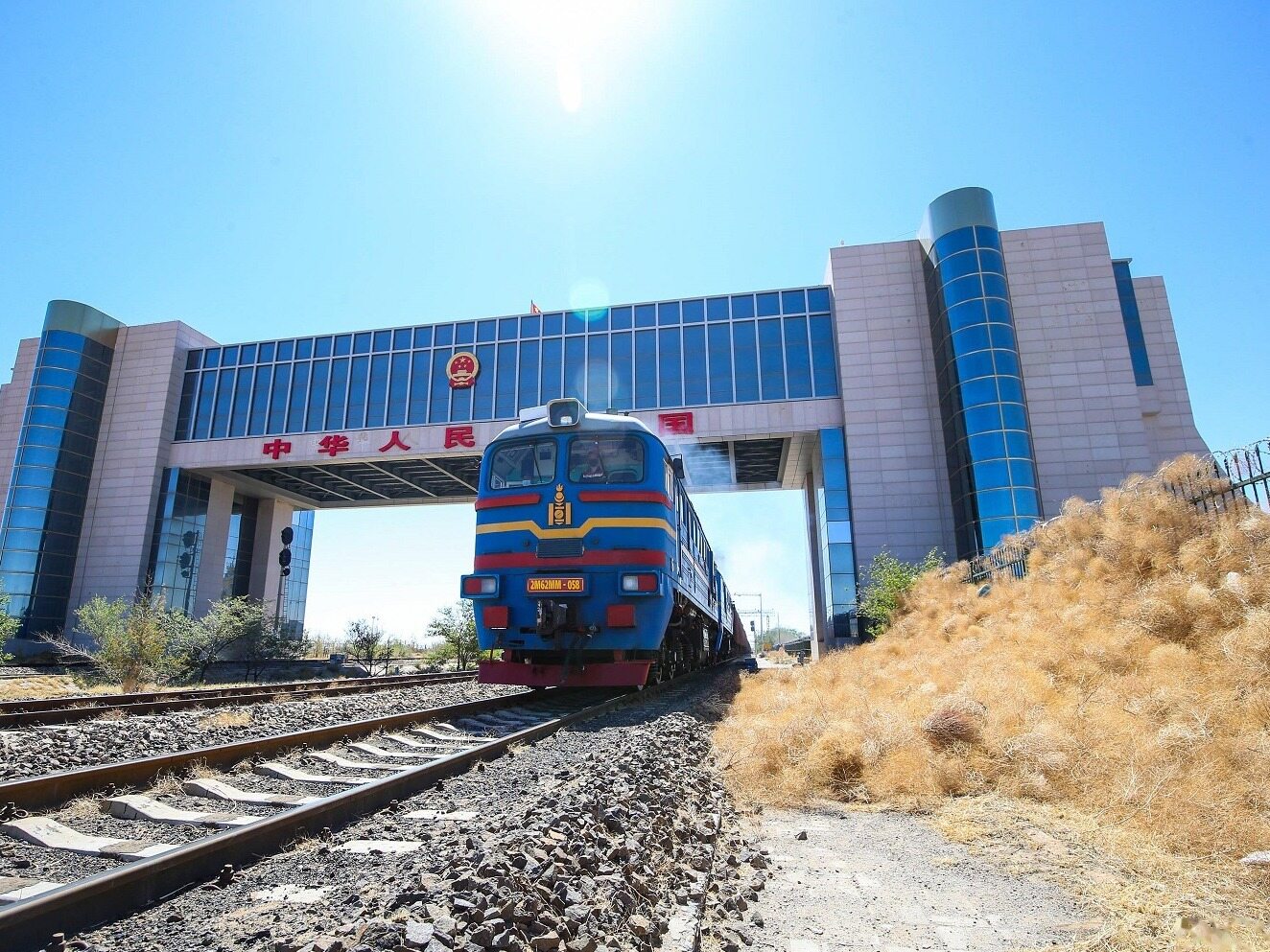
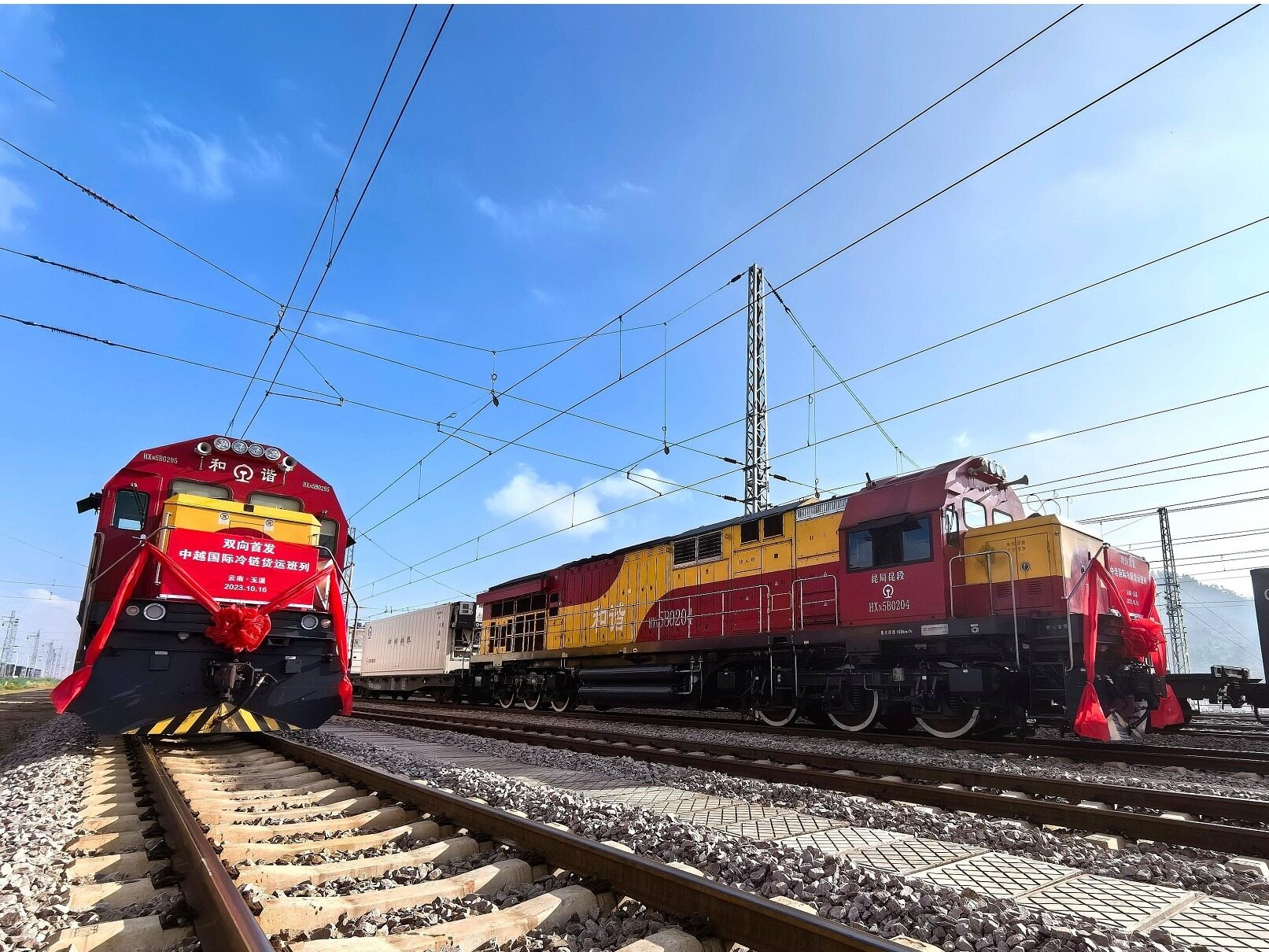
The siren on the Nanchang International Inland Port Station broke through the morning fog in late September, and the regular train loaded with solar modules and ceramic goods slowly drove out, passing through Khorgos Port all the way to the west, and 14 days later it will directly arrive at Bishkek, the trade hub of Central Asia. The launch of this first train has added a stable and efficient direct logistics channel between the inland hinterland of Jiangxi and the core markets of Central Asia.
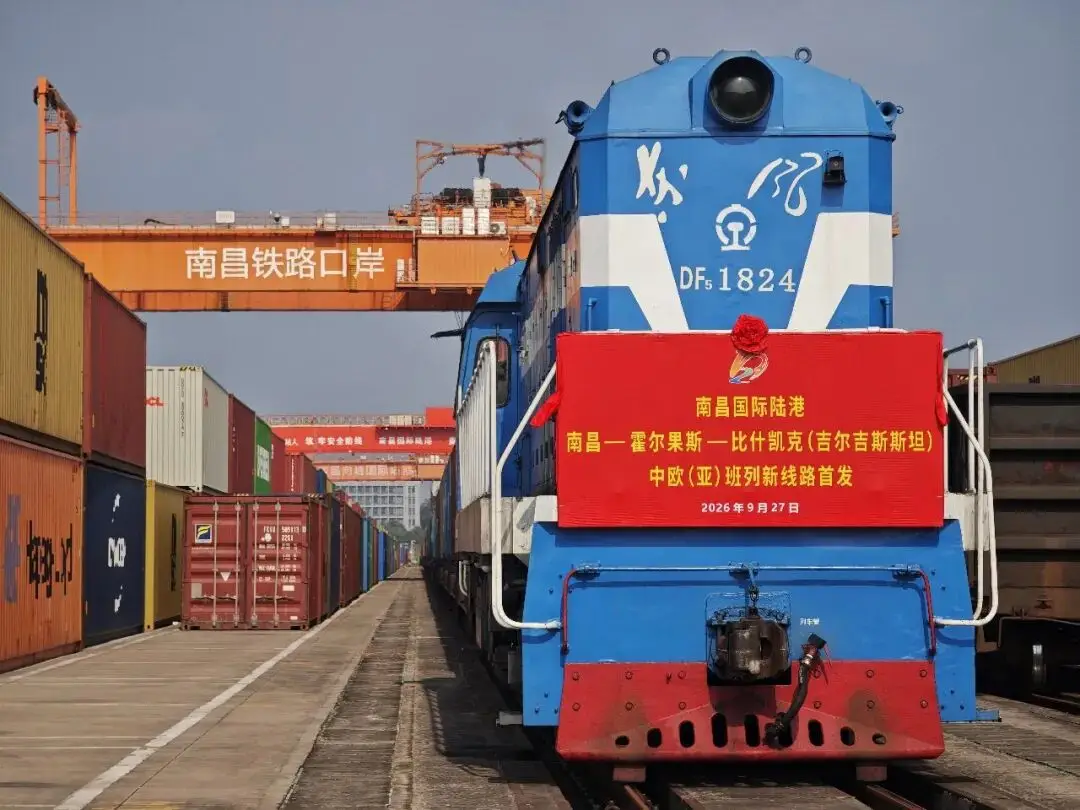
New Line Weaving International Logistics Network
This train brings together various categories such as solar panels, granite decorative panels, ceramics, tableware, lighting fixtures, and fabrics, with a total value of 3.4286 million US dollars. Previously, it took 20 to 30 days for Jiangxi enterprises to transport goods to Bishkek by road. Now, through direct railway transportation, the delivery time has been reduced to 14 days, and logistics costs have decreased by 20% simultaneously.
The railway, customs, commerce and other departments have cooperated throughout the process, implemented convenient measures such as advance declaration and appointment for customs clearance through the railway express, and innovatively launched a two in one collaborative supervision mechanism, directly reducing inspection time by 50%. From January to September 2026, the total number of foreign trade trains operated at Nanchang International Land Port has exceeded 1560, with over 111200 heavy containers arriving and departing. The value of goods has risen to 2.67 billion US dollars, an increase of 7.2%, 9.1%, and 5.8% respectively compared to the same period in 2025.
In September, the number of Eurasian trains in operation reached 9, and two new categories of photovoltaic brackets and lithium battery energy storage components were added to the cargo category in the Central Asia direction. The value of goods on the Central Asia route exceeded 42 million US dollars in a single month.
The level of openness of inland hubs has risen significantly
Since 2026, land ports have accelerated their channel expansion and mode innovation simultaneously. In January, the railway sea multimodal transport model was implemented, saving an average of 1 to 3 days in logistics time. The first trans Caspian China Europe freight train will be launched in February, reducing the transportation time in the European direction from traditional sea freight of 50 days to around 18 days and lowering logistics costs by 15% to 20%. Keywords: Land Port Logistics, Cross border Logistics
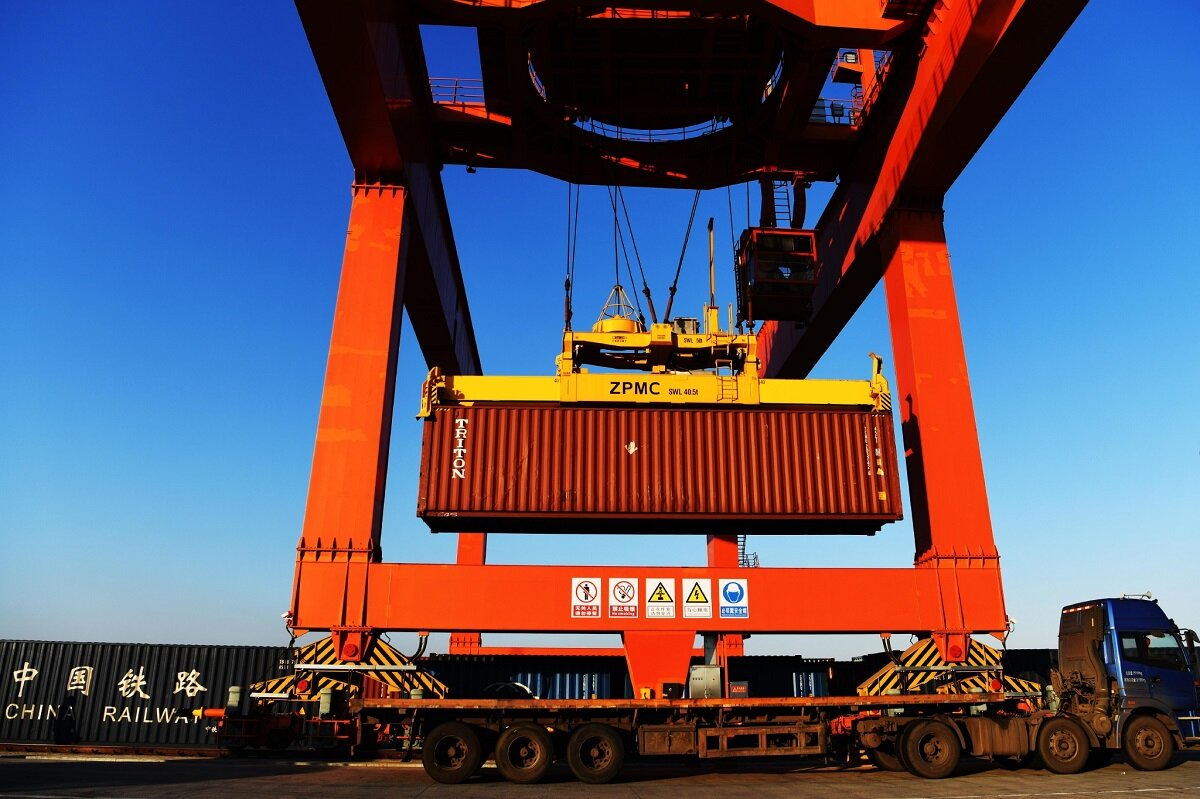
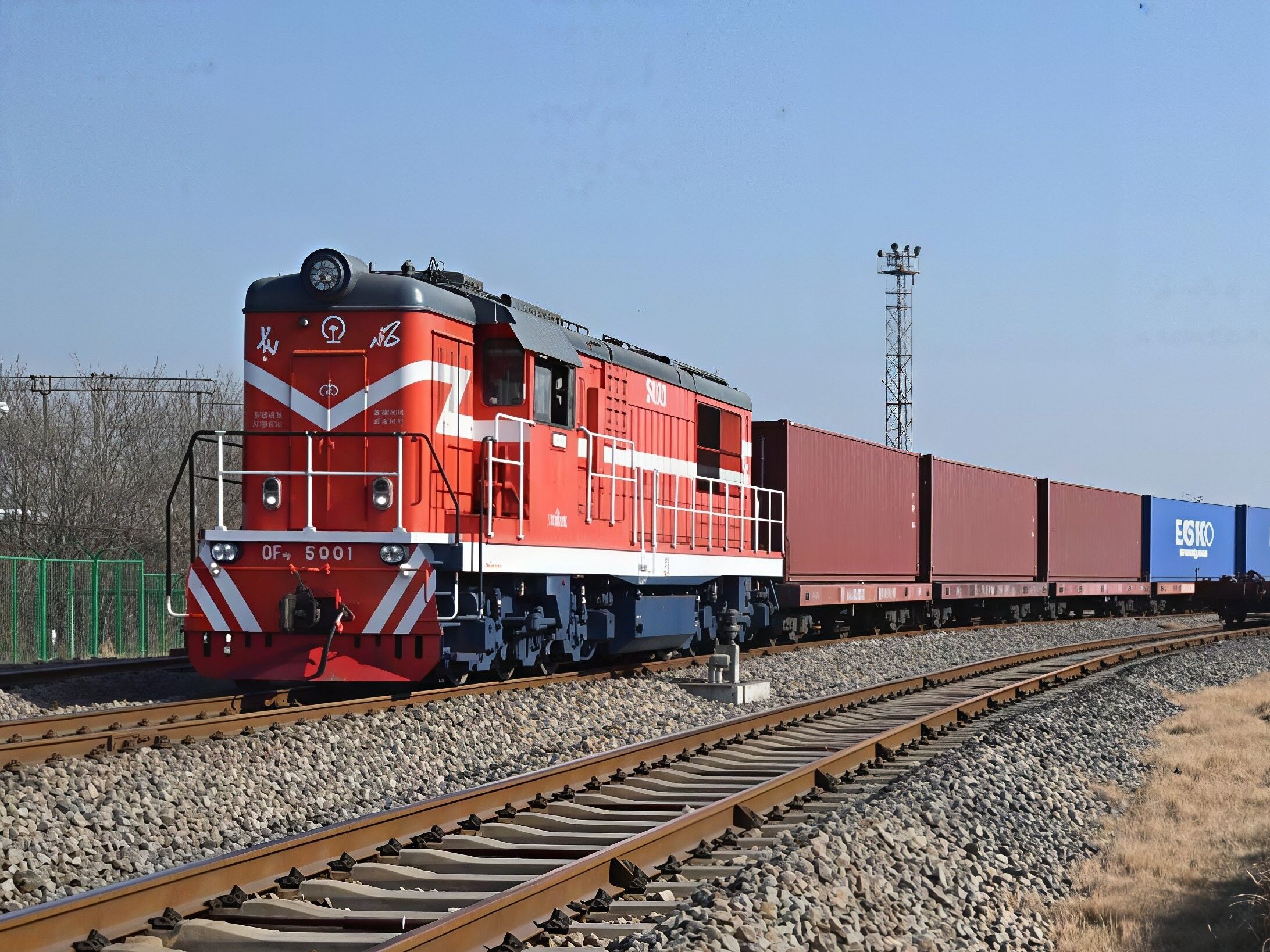
At present, the land port has formed an open pattern of 12 railway sea intermodal routes and 14 China Eurasia freight train routes, with a freight network reaching 134 countries and regions around the world. Since September, the China Europe Asia freight train has achieved regular operation of two trains per week, and the trains departing from the inland hinterland are continuing to extend westward, directly delivering goods manufactured in Jiangxi to the largest commodity distribution market in Central Asia, promoting the steady leap of Nanchang International Land Port from an ordinary channel node to a regional international logistics hub.Editor/Cheng Liting
Comment

 Praise
 Collect
 Comment

 Share
Share


Write something~